Coated Aluminum Strip Questions: Coatings, Grades, Uses, Costs
In recent English Q&A discussions, many project planners, fabricators, and distributors have asked practical questions about coated aluminum strip rather than broad theory. The concerns are usually simple: which coating lasts outdoors, which alloy bends without cracking, how color consistency is controlled, and what should be checked before placing a trial order.
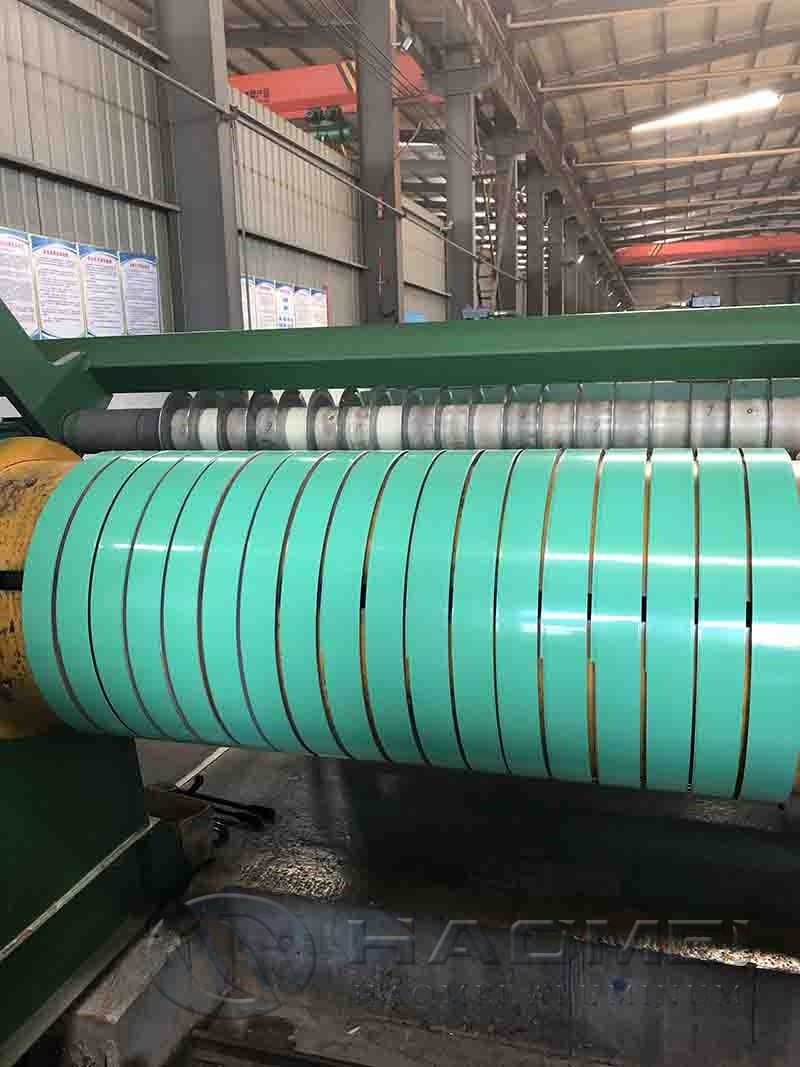
The following questions reflect common topics appearing on search and social Q&A platforms in the last three months, rewritten with fresh, application-focused answers for people comparing suppliers and specifications.
| Recent Question Theme | Why People Ask It | Fast Practical Answer |
|---|---|---|
| PE vs PVDF coating | Cost and outdoor life differ greatly | PE suits indoor and mild outdoor use; PVDF is better for long exposure |
| Alloy and temper | Bending, stamping, and forming depend on it | 3003, 3004, 3105, and 5052 are frequent choices |
| Paint cracking | Trim, channel letters, and caps require forming | Correct temper, bend radius, and coating flexibility matter |
| Color tolerance | Repeat orders need matching appearance | Ask for color standard, Delta E range, and retained sample |
| Packing and defects | Narrow material can be damaged in transit | Inspect edges, coating film, winding, and moisture protection |
1. What is the best coating for coated aluminum strip, PE or PVDF?
PE, or polyester, is often selected for interior decoration, appliance trim, advertising parts, ceiling components, and other applications where the environment is not extremely aggressive. It is attractive because it offers good color range, easy processing, and moderate cost.
PVDF is selected when the strip will face sunlight, rain, industrial air, coastal humidity, or long-term outdoor use. A PVDF system usually has stronger UV resistance and better chalking resistance than standard PE. For architectural trim, exterior fascia, roofing accessories, and premium sign components, PVDF is usually the safer choice.
A practical way to decide is to match coating life with the service environment. If the part is indoors and mainly decorative, PE may be enough. If the product is outdoors for years, especially in dark colors that absorb heat, PVDF deserves serious consideration. For projects comparing painted stock options, PE Coated Aluminum Coil Sheet is commonly considered for economical color work, while PVDF Coated Aluminium Coil Sheet is often specified for higher weather resistance.
2. Which aluminum alloy is commonly used for coated aluminum strip?
The alloy should match the forming method, strength requirement, and corrosion environment. Many people ask for the cheapest grade first, but the lowest price can become expensive if the strip cracks, waves, or cannot hold shape after forming.
| Alloy | Common Use | Strength and Forming Notes |
|---|---|---|
| 1050, 1060 | Decoration, light stamping, labels | Very soft, excellent formability, lower strength |
| 3003 | General trim, caps, channel letters | Good corrosion resistance and stable forming behavior |
| 3004 | Building trim, stronger formed parts | Higher strength than 3003, still workable |
| 3105 | Painted architectural components | Good paintability and balanced performance |
| 5052 | Marine-adjacent or stronger parts | Better corrosion resistance and strength, less soft than 1xxx grades |
Temper is just as important as alloy. H14 and H24 are common for balanced strength and bending. O temper is softer and useful for deep forming, but it may be too weak for parts that need stiffness. If the strip will be folded 90 degrees, roll formed, or punched, sample testing is worth doing before a large order.
3. Will coated aluminum strip crack when bent or roll formed?
It can crack, but cracking is not normal when the specification is matched to the process. Paint cracking usually comes from one or more factors: the base metal is too hard, the bend radius is too tight, the coating is too brittle, the film thickness is unsuitable, or the material is bent at low temperature.
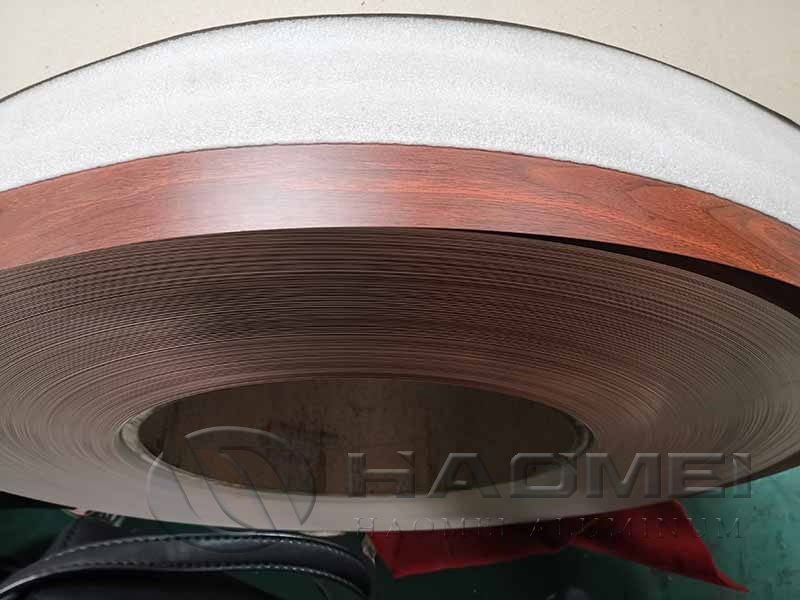
For sharp bends, ask the supplier about T-bend performance. A 0T or 1T bend result indicates stronger flexibility than a 2T or 3T result. However, the required test level depends on the actual product. A decorative flat strip does not need the same forming performance as a tightly folded edge profile.
Wood grain, marble grain, metallic colors, and high-gloss finishes may need additional care because the visual effect can highlight scratches or bending marks. During trial production, check the outside radius of bends under natural light, not only under factory lamps. Small cracks may appear acceptable indoors but become obvious after installation.
4. How should thickness, width, and color be specified before ordering?
A clear specification reduces disputes. Instead of asking only for coated aluminum strip price, provide the application, alloy, temper, thickness, width, coating type, top paint thickness, back paint requirement, color code, surface finish, and packing method.
| Item to Specify | Example Requirement | Why It Matters |
|---|---|---|
| Thickness | 0.30 mm, 0.50 mm, 0.80 mm | Affects stiffness, forming, and cost |
| Width | 20 mm, 50 mm, 100 mm | Narrow widths require accurate slitting |
| Coating | PE, PVDF, HDPE, FEVE | Controls durability and appearance |
| Paint Thickness | 18-25 microns top coat | Influences coverage and weathering |
| Color Standard | RAL, Pantone, sample panel | Helps repeat color matching |
| Surface | Gloss, matte, embossed, wood grain | Determines final visual effect |
| Core and Packing | Eye-to-wall or eye-to-sky | Prevents edge damage and deformation |
Color should not be approved by screen images alone. A digital image can shift due to lighting and monitor settings. Request a physical color sample or approval panel, then keep one retained sample for repeat orders. For tight appearance requirements, ask for a Delta E tolerance and define the measuring instrument or standard illuminant.
5. What defects should be checked when receiving coated aluminum strip?
Inspection should cover both coating quality and mechanical condition. Narrow painted material can look good on the outer wrap but still have issues inside the roll, especially if tension, slitting, or moisture protection was poor.
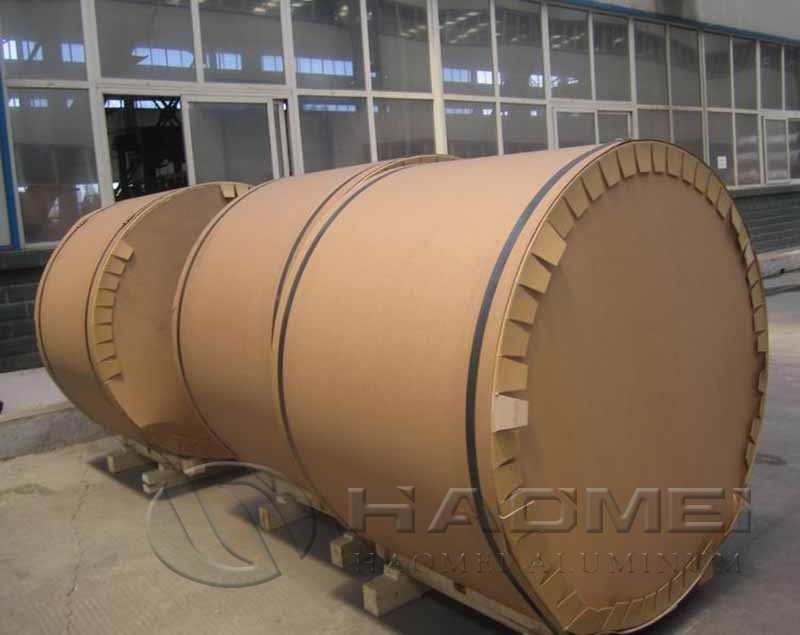
Common defects include edge burrs, telescoping, loose winding, paint scratches, color difference, pinholes, bubbles, coating peeling, stains, oil marks, and white rust from trapped moisture. Edge condition is especially important for trim, sign parts, and electrical or packaging applications where the cut edge may remain visible.
A simple receiving inspection can include these steps:
| Checkpoint | How to Inspect | Acceptable Result |
|---|---|---|
| Outer packing | Look for broken film, wet cartons, crushed edges | Dry, tight, and undamaged package |
| Width | Measure several positions across the roll | Within agreed tolerance |
| Thickness | Use calibrated micrometer | Stable and within contract range |
| Coating adhesion | Cross-hatch or tape test if required | No abnormal peeling |
| Surface | View under consistent light | No obvious scratches, stains, or bubbles |
| Winding | Observe roll side face | No severe telescoping or loose layers |
For new projects, it is wise to order a small trial quantity and run it through the real production process. Laboratory data is useful, but actual slitting, bending, punching, laminating, or installation conditions reveal whether the coated aluminum strip is truly suitable.


没有评论:
发表评论