显示标签为“marine stainless steel pipe”的博文。显示所有博文

2-inch 304 Stainless Pipe Welded VS Seamless

 The 2 inch stainless steel pipe made of material 1.4301 stainless steel, commonly known as 304 stainless steel, is one of the most versatile and widely used piping products in industrial and commercial sectors. It is categorized into two core types: welded and seamless pipes.

Though both adopt premium 1.4301 stainless steel with excellent corrosion resistance, oxidation resistance and ductility, they differ drastically in price, pressure rating, surface quality, lead time and practical applications. A clear comparison of these two 2-inch stainless steel pipe variants helps engineers and purchasers select the optimal product for specific project requirements.
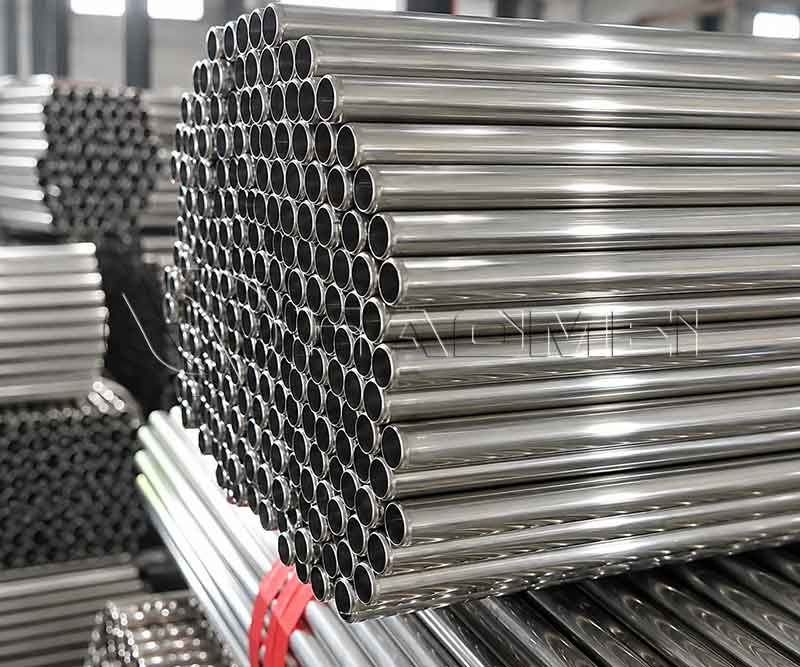
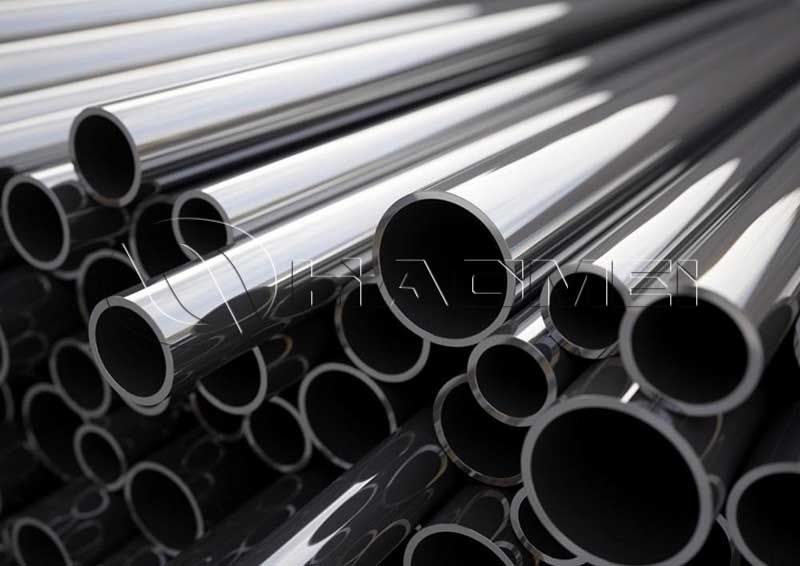
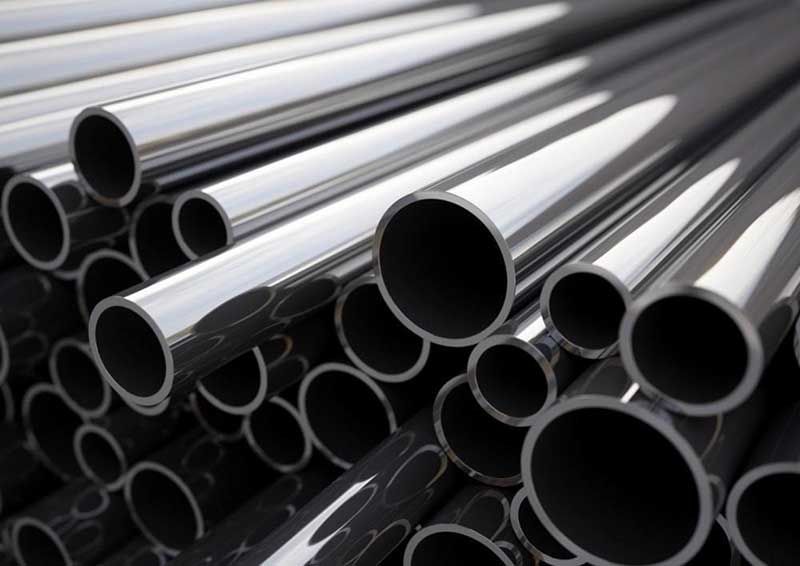
material 1.4301 stainless steel.jpg

In terms of price, 2-inch welded 304 stainless pipes hold a distinct cost advantage. The manufacturing process of welded pipes involves rolling stainless steel plates into tubular shapes and welding the seams, which features high production efficiency and low material waste.

In contrast, seamless 2 inch stainless steel pipe requires complex hot piercing, extrusion and precision finishing processes with higher energy consumption and lower output. As a result, material 1.4301 stainless steel seamless pipes are typically 20%–35% more expensive than their welded counterparts. For large-scale conventional projects with budget constraints, welded pipes are the more cost-effective choice, while seamless pipes are priced higher for their superior structural performance.

Pressure rating is the most critical performance gap between the two pipes. Without welding seams, 2-inch seamless 1.4301 stainless steel pipes feature uniform wall thickness and integrated metal structure, eliminating weak points under pressure. They can withstand high internal pressure and mechanical impact, with stable pressure resistance even under extreme high-temperature and high-pressure working conditions.

Welded 2 inch stainless steel pipe, by contrast, has a linear weld seam that becomes a structural weakness. Although modern welding technology and post-weld treatment greatly improve seam stability, it still cannot match the pressure-bearing capacity of seamless pipes. Welded pipes are only suitable for low to medium pressure environments, while seamless pipes meet strict high-pressure industrial standards.

When it comes to surface quality, welded 2-inch 304 stainless pipes show more stable and exquisite surface performance. The plate-based production process ensures uniform surface flatness, smooth texture and consistent gloss, with few surface defects. They are easy to polish, brush and other surface treatments, ideal for scenarios requiring high appearance quality.

Seamless 1.4301 stainless steel pipes, produced via hot processing, may have minor surface unevenness, oxide scales and tiny dimensional deviations. Additional polishing and trimming procedures are usually required to achieve a refined surface, resulting in higher post-processing costs.

Lead time further differentiates their practical usability. Welded 2 inch stainless steel pipe supports standardized mass production with sufficient raw material reserves and mature assembly lines. Its production cycle is short, with conventional specifications available in stock, enabling fast delivery within 3–7 working days.

Seamless 2-inch 1.4301 stainless steel pipes require customized hot processing and precision calibration, with complicated production procedures and limited daily output. The lead time is usually 2–4 weeks, longer than welded pipes, making it unsuitable for urgent construction projects.

In terms of applications, their performance differences define distinct usage scenarios. Welded 2-inch 304 stainless pipes are widely used in low-pressure, conventional environments, including HVAC systems, municipal water supply, general building piping, and ordinary fluid transportation projects, balancing cost and basic performance perfectly.

Seamless 1.4301 stainless steel pipes, with high pressure resistance and structural stability, are exclusively applied in high-standard industrial fields such as chemical processing, oil and gas transportation, power generation equipment, marine engineering and high-pressure fluid delivery systems, where safety and durability are prioritized.

In conclusion, the choice between welded and seamless 2 inch stainless steel pipe (material 1.4301 stainless steel) depends on project budget, pressure requirements, surface standards and construction schedule. Welded pipes excel in cost efficiency, fast delivery and fine surface quality for conventional scenarios, while seamless pipes stand out in high-pressure, high-reliability industrial applications.

Original source: https://www.marinesteelpipe.com/a/2-inch-304-stainless-pipe-welded-vs-seamless.html
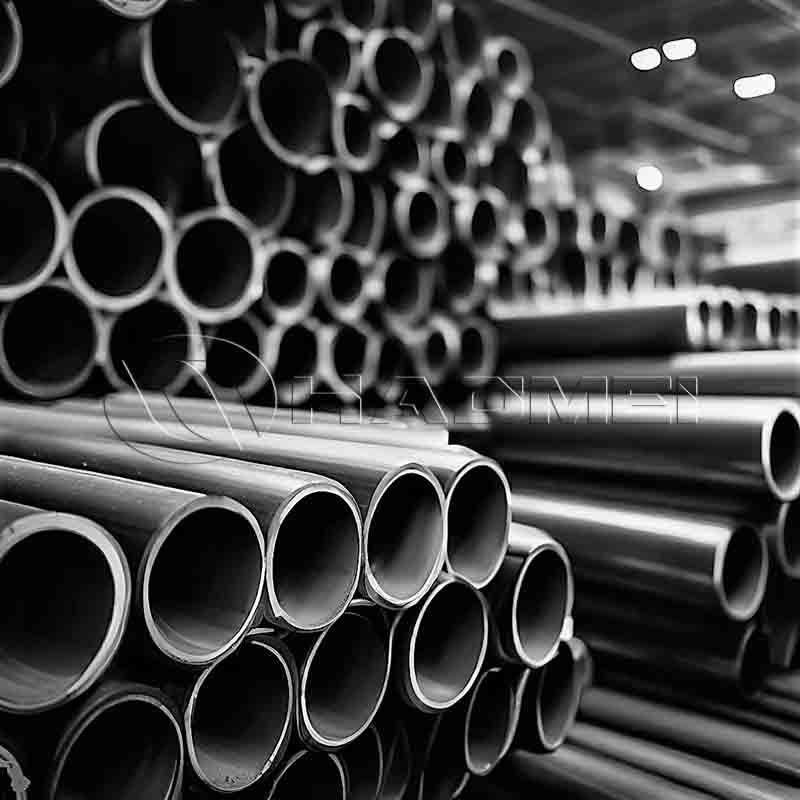
Super Duplex 2507 vs. Duplex 2205 Pipe

 Duplex stainless steels are widely used in chemical, marine, wastewater, and oil and gas piping systems for harsh working conditions. Their dual ferrite-austenite structure fixes the defects of traditional austenitic stainless steels, including poor stress corrosion resistance, low strength, and short service life. 2205 (economical grade) and 2507 (super grade) are the two most commonly used types in industrial scenarios.

duplex steel pipe.jpg

I. Positioning and Composition Differences

Composition classification determines the core performance gap between the two steels. 2205 is a standard, cost-effective general-purpose duplex steel with balanced alloy components and stable basic performance for conventional industrial use. By contrast, 2507 is an upgraded super duplex pipe with higher chromium, molybdenum and nitrogen content, specially optimized for extreme corrosive, high-pressure and high-strength working environments.

Their Pitting Resistance Equivalent Numbers (PREN) differ significantly: 2205 ranges from 35 to 39, while 2507 reaches no less than 42. This gap fundamentally improves 2507’s pitting and corrosion resistance, enabling it to withstand far harsher operating conditions than 2205.

II. Mechanical Strength Comparison

Duplex steels replace 304 and 316L steels mainly for their higher strength, and the strength difference between 2205 and 2507 directly affects pipe wall design, pressure resistance and structural safety.

2205 has stable mechanical properties with a tensile strength of 620 MPa, yield strength of 450 MPa and 25% elongation. Its strength is twice that of 316L steel, balancing strength and toughness perfectly. It fully adapts to low-to-medium pressure conventional industrial piping, resisting deformation and cracking under standard loads.

2507 achieves a comprehensive strength upgrade, with tensile strength up to 800 MPa and yield strength over 550 MPa, while retaining 25% excellent elongation. Its higher strength allows thinner pipe walls under the same working conditions. This not only meets high-pressure and heavy-load safety standards but also improves heat transfer efficiency and reduces structural weight, ideal for deep-sea operations, heavy-duty chemical processing and high-pressure oil and gas transportation.

III. Corrosion Resistance

Corrosion resistance, especially in chloride-containing, acidic, seawater and sulfide environments, is the key criterion for selecting the two steels.

2205 outperforms ordinary stainless steels in resisting stress corrosion, pitting and crevice corrosion. It stays crack-free for over 1000 hours in standard corrosion tests, with a seawater immersion corrosion rate of only 0.003 mm/year. Its critical pitting temperature is 35–50°C and critical crevice corrosion temperature is about 40°C, making it suitable for moderate-temperature, medium-chloride and mild acid-base corrosive environments.

2507 possesses superior corrosion resistance for extreme conditions. It performs excellently in high-chloride, high-temperature seawater, strong acid and hydrogen sulfide environments, with a seawater corrosion rate below 0.001 mm/year and critical pitting temperature over 50°C. It effectively avoids the aging, damage and short service life issues of 2205 in harsh corrosive scenarios, supporting long-term stable extreme-condition operation.

IV. Cost Characteristics

Performance differences lead to distinct cost levels. 2205 , with moderate alloy content, features low raw material and processing costs. Its low maintenance cost and high compatibility make it the most cost-effective choice for most conventional industrial piping scenarios, avoiding over-specification waste.

2507 has higher alloy content and stricter welding and fabrication requirements, resulting in much higher overall ss pipe price. Nevertheless, its ultra-long service life and low corrosion loss greatly reduce equipment replacement and downtime maintenance costs in extreme environments, delivering better long-term comprehensive value.

V. Applicable Working Conditions

2205 Applications: Suitable for normal-temperature, low-to-medium pressure and moderately corrosive scenarios, including conventional chemical medium transportation, general sewage treatment piping, inland salt-spray pipelines, medium and low-pressure oil and gas delivery, and ordinary heat exchange equipment piping. It provides optimal cost performance for general industrial and civil piping.

2507 Applications: Applied in harsh environments beyond 2205’s capacity, such as seawater desalination, deep-sea platform pipelines, high-chloride and high-temperature chemical medium transportation, sulfide-containing sour oil and gas delivery, and high-pressure, high-salinity corrosive industrial piping. It eliminates corrosion failures and safety risks for extreme working conditions.

Original source: https://www.marinesteelpipe.com/a/super-duplex-2507-vs-duplex-2205-pipe.html

What Are Corrosion-resistant Stainless Steel Tubing for Offshore

 The marine environment in which offshore platforms operate is a natural "corrosion testing ground" for metallic materials. Its complex and harsh corrosive conditions manifest in several ways, directly necessitating pipeline materials with extremely high corrosion resistance:

Secondly, there are drastic fluctuations in temperature and pressure. Offshore platform pipelines must transport both low-temperature seawater and cooling media, as well as high-temperature, high-pressure oil, gas, and steam. Significant temperature changes cause the pipeline materials to expand and contract, leading to stress corrosion cracking. Simultaneously, the high-pressure environment during oil and gas transportation exacerbates the penetration of corrosive media into the pipeline, further reducing its service life.

Finally, there are significant maintenance challenges and high replacement costs. Offshore platforms are far from land, and pipelines are installed in confined spaces. Once a pipeline experiences corrosion and leakage, it can lead not only to safety accidents such as oil and gas leaks and environmental pollution, but also to increased maintenance costs and downtime losses. Therefore, extremely high requirements are placed on the durability and reliability of the pipelines.

Faced with the extreme corrosive environment of offshore platforms, stainless steel pipes have stood out as the mainstream material choice. The core reason lies in their comprehensive performance, which is unmatched by ordinary carbon steel and cast iron, specifically in the following four aspects:

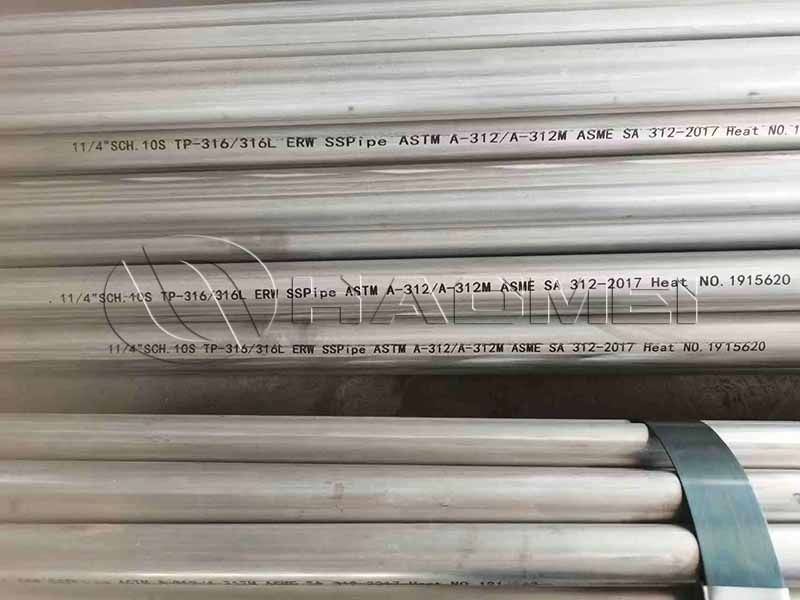
TP316l pipe.jpg

Firstly, strong corrosion resistance. Stainless steel pipes contain chromium, nickel, molybdenum and other alloying elements. Chromium forms a dense passivation film on the surface, which isolates corrosive media from the metal substrate and prevents oxidation and corrosion. Even if the film is slightly damaged, it can self-repair quickly in oxygenated environments, especially resisting pitting and crevice corrosion caused by chloride ions.

Secondly, excellent mechanical properties and temperature-pressure resistance. With high strength and good toughness, stainless steel pipes can adapt to the alternating high-pressure, high-temperature and low-temperature conditions of offshore platforms. They can withstand pressure impacts and thermal expansion/contraction stresses without easy deformation or cracking. Also, they have good high-temperature resistance for long-term oil and gas transportation, and won't suffer brittle fracture at low temperatures, meeting diverse transportation needs of offshore platforms.

Thirdly, clean, eco-friendly and low-maintenance. Their smooth surface resists scaling and microbial adhesion, ensuring media cleanliness, making them ideal for transporting oil, gas, drinking water and other high-purity media. With a service life of over 20 years (far longer than ordinary carbon steel pipes), they only need simple cleaning and inspection for routine maintenance, avoiding frequent replacements and greatly reducing maintenance costs and downtime losses of offshore platforms.

Fourthly, lightweight and easy to install. Compared with carbon steel pipes, stainless steel pipes have lower density and higher strength. Under the same pressure, they have thinner walls and lighter weight, reducing the load on offshore platforms and cutting construction structural costs. Besides, their mature welding and installation processes are suitable for the narrow working spaces of offshore platforms, improving construction efficiency and shortening the construction cycle.

Given the corrosive characteristics of offshore platforms, not all stainless steels can meet the requirements. TP316L and ASTM A790 UNS S31803 (2205 duplex stainless steel) are the two most widely used and best-suited alloys. Below, we introduce their characteristics and application scenarios on offshore platforms.

TP316l is a low-carbon version of 316 stainless steel, belonging to austenitic stainless steel. It is the most widely used basic corrosion-resistant stainless steel pipe material on offshore platforms. Its core advantages lie in its high cost-effectiveness and strong applicability, meeting the basic piping needs of most offshore platforms.

In terms of application scenarios, TP316L stainless steel pipes are mainly used in seawater cooling systems, domestic water pipelines, fire-fighting pipelines, and auxiliary pipelines for oil and gas transportation on offshore platforms. In these scenarios, the pipelines mainly come into contact with seawater, fresh water, and mildly acidic media, where the corrosion is relatively mild.

TP316L, with its stable corrosion resistance and good processing performance, can meet long-term service requirements. Furthermore, TP316L stainless steel pipes are easy to polish and clean, making them suitable for piping systems on platforms where media cleanliness is required.

ASTM A790 UNS S31803, also known as 2205 duplex stainless steel, is an austenitic-ferritic duplex stainless steel. Compared to TP316L, it offers superior corrosion resistance and mechanical properties, making it specifically designed for extreme corrosive environments such as offshore platforms and the preferred material for demanding conditions.

In terms of mechanical properties, 2205 duplex stainless steel is 1.5-2 times stronger than TP316L, with a yield strength exceeding 450 MPa. It can withstand higher pressure and stress, allowing for further reduction in pipe wall thickness under the same pressure conditions, enabling lightweight design and reducing platform load. Simultaneously, its excellent temperature resistance allows for long-term service within a temperature range of -50℃ to 300℃, meeting the diverse needs of high-temperature oil and gas transportation and low-temperature cooling media transportation on offshore platforms.

Original source: https://www.marinesteelpipe.com/a/what-are-corrosion-resistant-stainless-steel-tubing-for-offshore-platforms.html

Corrosion-Resistant Stainless Steel Tubing For Offshore Platforms

Unlike typical land-based applications, the core performance indicators for stainless steel pipes used on offshore platforms are chloride corrosion resistance (PREN equivalent), mechanical strength, and weld stability. This article focuses on mainstream stainless steel pipe grades for offshore platforms, analyzing their performance differences, applicable scenarios, and selection logic to help engineers choose materials accurately.

TP316l .jpg

- Seawater Chloride Corrosion: The chloride ion concentration in seawater is approximately 3.5%, which damages the passivation film of stainless steel, leading to pitting and crevice corrosion. This is the most significant cause of pipeline failure.

- Tidal Corrosion (Alternating Wet and Dry): In the tidal zone of the platform, pipelines are alternately exposed to seawater and salt spray, causing repeated damage and regeneration of the passivation film. The corrosion rate is 2-3 times that of the fully immersed zone.

- Acidic Media Corrosion: Hydrogen sulfide and carbon dioxide associated with oil and gas create an acidic water environment, inducing sulfide stress corrosion cracking (SCC).

- High Temperature and High Pressure Coupling Corrosion: The high-temperature environment in downhole and heat exchange systems accelerates chloride ion penetration, significantly reducing the corrosion resistance threshold of stainless steel. The industry-standard PREN (Pitting Equivalent Value) is used as a corrosion resistance grading standard. A higher PREN value indicates stronger resistance to seawater corrosion and is a core parameter for distinguishing different grades.

I. Detailed Explanation of Core Grade Grading: From General Grade to Deep-Sea Grade

Based on metallographic structure, corrosion resistance grade, and application positioning, commonly used stainless steel pipes for offshore platforms are divided into four categories, covering all scenarios from auxiliary pipelines to deep-sea main process pipelines.

(I) Economical Austenitic Stainless Steel: For Platform Auxiliary Systems

This type of grade has a fully austenitic structure, mature technology, and controllable cost. It is only suitable for non-core operating conditions with low corrosion intensity and is strictly prohibited for use in main pipelines in fully submerged seawater or tidal zones.

1. 304L (022Cr19Ni10)

It is a basic ultra-low carbon austenitic stainless steel, PREN≈18-20, molybdenum-free, with relatively weak resistance to chloride ion corrosion. Its advantages are low cost, good weldability, and low susceptibility to intergranular corrosion.

Offshore Applications: Ventilation ducts for platform superstructures, freshwater transport pipelines, and indoor instrument auxiliary pipelines; only suitable for dry areas with extremely low salt spray concentrations.

2. TP316L (022Cr17Ni12Mo2)

TP316l is the most commonly used general-purpose grade for marine applications. With 2%-3% molybdenum added, PREN ≈ 24-28, it significantly improves pitting corrosion resistance compared to 304L, conforming to ASTM A312/A790 standards. It is a fundamental material for traditional offshore platforms.

Applicable marine scenarios: Non-submerged process pipelines on platform decks, low-pressure clean water systems, and non-acidic oil and gas auxiliary pipelines; Contraindications: Not suitable for direct use in fully submerged seawater, tidal zones, or environments containing hydrogen sulfide.

(II) Super Austenitic Stainless Steel

For Medium-to-Strong Corrosion Conditions High-nickel, high-molybdenum, and nitrogen-reinforced austenitic structure, PREN exceeding 30, solving the corrosion shortcomings of ordinary 316L in high-chlorine environments. It offers a balance of strength and corrosion resistance, suitable for moderately harsh conditions.

1. 904L (015Cr20Ni25Mo4.5Cu)

It is a high-nickel copper-molybdenum alloy grade, PREN≈32-34, with extremely low carbon content. It exhibits excellent resistance to chloride ion pitting and organic acid corrosion, outstanding low-temperature toughness, and non-magnetic properties, making it suitable for precision instrument systems.

Offshore applications: Seawater desalination pretreatment pipelines on platforms, heat exchange pipelines containing trace amounts of acidic media, and low-temperature process auxiliary pipelines.

2. 254SMO (00Cr20Ni18Mo6N)

Ultra-high molybdenum nitrogen-reinforced super austenitic alloy, PREN≈42-45. It represents the ceiling of chloride corrosion resistance in austenitic systems and can withstand high-temperature, high-concentration chloride ion environments.

Offshore applications: Heat exchange tubes in nearshore high-salt-fog areas, high-chlorine brine transportation pipelines, and moderately acidic oil and gas process pipelines.

(III) Duplex Stainless Steel

It features a 50:50 ferritic/austenitic duplex structure, combining the toughness of austenite with the strength and stress corrosion resistance of ferrite. Its yield strength is more than twice that of 316L, resulting in significant weight reduction. It is currently the most widely used core grade series for offshore platforms.

1. 2205 (uns s32205)

UNS S32205 is a standard duplex stainless steel, PREN≈35-38, nitrogen-strengthened, balancing corrosion resistance, weldability, and cost. Its resistance to chloride stress corrosion cracking far exceeds that of 316L, meeting NORSOK M-630 marine standards.

Offshore Applications: Main seawater transport pipelines for near-shore platforms, fire-fighting seawater pipelines, mid-section oil and gas process pipelines, and structural piping in tidal zones. It is currently the preferred mainstream grade for near-shore engineering.

2. 2507 (S32750)

It is a high-end super duplex grade, PREN≈45-50, with increased chromium, molybdenum, and nitrogen content. Yield strength can reach over 550MPa (approximately 3 times that of 316L), offering maximum resistance to pitting corrosion, crevice corrosion, and sulfide stress corrosion.

Offshore Applications: Pipelines in the fully submerged areas of deep-sea platforms, high-pressure oil and gas mains, pipelines containing hydrogen sulfide-containing acidic media, and integrated load-bearing structures on platforms. It can significantly reduce pipe wall thickness and alleviate the overall load on the platform.

3. S32760 (Extra Super Duplex)

Based on 2507, this grade optimizes the copper and tungsten ratio, specifically strengthening it for marine crevice corrosion, and is suitable for complex pipeline structures with many dead zones and easy salt accumulation.

Offshore Applications: Platform heat exchanger tube bundles, crevice-sensitive pipelines with dense flange connections, and piping in highly corrosive near-shore waters.

(IV) High-End Special Alloys

Customized for extreme conditions such as ultra-deep-sea environments, highly acidic environments, and high temperatures. Primarily nickel-based, offering top-tier corrosion resistance, but at a higher cost, used only in core and critical components.

1. Nitronic 50 (XM-19)

Nitrogen-strengthened high-manganese austenitic stainless steel. Non-magnetic, high-strength, with excellent resistance to seawater erosion corrosion and low-temperature toughness. Applicable temperature range: -196℃ to 350℃.

Offshore applications: Low-temperature process pipelines on platforms, non-magnetic instrument pipelines, high-speed seawater erosion pipelines.

2. 625 Nickel-Based Alloy

High-nickel, chromium-molybdenum alloy, PREN > 55. Resistant to high-temperature, high-sulfur, and high-chlorine composite corrosion, making it the ultimate material for extreme conditions.

Offshore applications: High-pressure pipelines at deep-sea wellheads, core process pipelines in high-temperature acidic oil and gas environments, critical emergency pipelines on platforms.

Key Reminders

1. Avoid sole focus on cost: 316L has a lower unit price, but its service life in fully submerged seawater is less than 2 years; 2205/2507 has a slightly higher initial investment, but its service life can reach over 15 years, resulting in a better total life cycle cost.

2. Welding process matching: Duplex stainless steel requires specialized welding materials, and heat input must be strictly controlled to avoid an imbalance in the two-phase ratio that leads to decreased corrosion resistance; super austenitic steel requires strict control of welding carbon precipitation.

3. Adhere to marine-specific standards: Offshore pipes must comply with marine certifications such as NORSOK M-630 and ASTM A790; the use of industrial-grade non-standard substitutes is prohibited.

4. Surface protection assistance: Pipelines in highly corrosive areas can be combined with passivation treatment and cathodic protection to further extend the service life of the pipes.

Original source: https://www.marinesteelpipe.com/a/corrosion-resistant-stainless-steel-tubing-for-offshore-platforms.html

Marine Stainless Steel Pipe Diameter Chart

 In the design and procurement of marine piping systems, the stainless steel pipe diameters are a core parameter, directly affecting the system's flow rate, pressure resistance, installation compatibility, and procurement costs.

stainless steel pipe diameters .jpg

Common Diameter Specifications of Marine Stainless Steel Pipes

Marine stainless steel pipes conform to GB/T 5312-2025 and CB/T 4154-2011 standards, using both nominal diameter DN and outer diameter Φ for marking. Common specifications cover small-diameter instrument pipes to large-diameter main pipes, as follows:

1. Small Diameter (Instrument/Control/Auxiliary Pipes)

DN15 (Φ21.3), DN20 (Φ26.9), DN25 (Φ33.7), DN32 (Φ42.4)

Applications: Engine room instrument pipes, hydraulic auxiliary pipes, freshwater branch pipes, fire sprinkler branch pipes

2. Medium Diameter (Mainstream General-Purpose Pipes)

DN40 (Φ48.3), DN50 (Φ60.3), DN65 (Φ76.1), DN80 (Φ88.9), DN100 (Φ114.3)

Applications: Seawater/ Freshwater main pipes, fuel oil delivery pipes, fire main pipes, domestic water pipes.

3. Large Diameter (Main/Chief Pipes)

DN125 (Φ139.7), DN150 (Φ168.3), DN200 (Φ219.1), DN250 (Φ273)

Applications: Ballast water main pipes, fire main pipes, engine room sewage main pipes, large cargo ship main piping systems.

4. Non-Standard Custom Diameters

Custom diameters from Φ6 to Φ630mm can be made for special working conditions, meeting the dimensional tolerances of classification societies (CCS/DNV/LR).

How to choose the diameter of marine stainless steel pipes?

Pipe diameter selection is not always better the larger it is; it requires comprehensive judgment based on flow rate, pressure, medium, and classification society specifications:

1. Selection based on flow rate and velocity (basic principle)

Follow the formula: Pipe diameter = √(4 × flow rate ÷ π × velocity). Standard flow velocities for marine piping systems:

Fresh water/seawater: 1.5-3 m/s

Fuel oil/lubricating oil: 0.5-1.5 m/s

Compressed air: 8-15 m/s

Excessive flow velocity will increase pressure loss, while insufficient flow velocity will easily lead to impurity deposition. Prioritize standard nominal diameters to avoid non-standard diameters that may cause incompatibility with fittings.

2. Matching Pressure Capacity with Wall Thickness

According to Barlow's formula, pressure capacity is inversely proportional to diameter and directly proportional to wall thickness:

High-pressure piping systems (steam, hydraulic, pressure > 1.6MPa): Select small diameter + thick wall (e.g., DN25-DN50, SCH80/SCH160)

Medium-low pressure piping systems (freshwater, fire protection, pressure < 1.6MPa): Select diameter (DN50-DN100, SCH40)

Large-diameter main pipes (ballast, sewage): Low pressure, large diameter; wall thickness can be calculated according to classification society specifications.

3. Selecting Based on Medium and Operating Conditions

Seawater/Salt Spray Environment: 316L stainless steel is preferred; diameter should be selected based on flow rate to avoid corrosion and blockage due to insufficient diameter.

High-Temperature Steam: Diameter should not be too large; match wall thickness to ensure heat and pressure resistance.

Fire Protection Systems: Main pipe DN100-DN200, branch pipe DN50-DN80, to meet emergency flow requirements.

4. Selection according to classification society standards

Pipes must comply with the requirements of classification societies such as CCS, DNV, and ABS. Arbitrary reduction/increase in diameter is prohibited. Critical piping systems (fire protection, ballast) require strength verification based on wall thickness and diameter.

The impact of diameter on the price of marine stainless steel pipes

Diameter is a core factor in pricing. Combined with material, wall thickness, and manufacturing process, the impact logic is clear:

1. Larger diameter, higher unit price

Raw material consumption: Larger diameters use more steel; DN200 is 30%-60% more expensive than DN50.

Processing difficulty: Larger diameters require large cold/hot rolling equipment, significantly increasing the processing cost of seamless pipes.

Conventional cost-effectiveness range: DN25-DN100 are mass-produced specifications with the most stable prices; smaller diameters (<DN25) have higher prices per kilogram due to more refined processing; larger diameters (>DN150) are custom-made and have a significant premium.

2. Price Increase Based on Diameter + Wall Thickness

For the same diameter, the thicker the wall, the higher the price. Larger diameter + thicker wall combinations command the highest premium: SCH40 (standard wall thickness): Base price SCH80: 15%-25% higher than SCH40 SCH160/XXS: 30%-70% higher than SCH40 Example: For DN100 seamless 316L steel pipe, the price difference between SCH40 and SCH80 can reach over 20%.

3. Other Influencing Factors

Material: 316L stainless steel pipe cost is 10%-20% more expensive than 304; the premium is more significant for large-diameter 316L pipes.

Process: Cold-drawn seamless pipes are 10%-15% more expensive than welded pipes; large-diameter pipes should prioritize welded pipes to control costs.

Certification: Classification society certification (CCS/DNV) adds 5%-8% to the price; non-standard diameters incur an additional 10%-25% customization fee.

Procurement Recommendations

Remember Common Diameters: DN15-DN200 covers 90% of marine applications; prioritize national/ship standard specifications.

Four-Step Selection Method: Calculate flow rate → Determine pressure → Match medium → Adhere to specifications; avoid blindly choosing large diameters.

Cost Control: Use standard wall thickness + mass-produced diameter for medium and low pressure applications; use small to medium diameter + thickened wall for high pressure applications; prioritize welded pipes for large diameters; bulk purchasing reduces premiums.

Original source: https://www.marinesteelpipe.com/a/marine-stainless-steel-pipe-diameter-chart.html

Which Is Better For Marine Use: 304 or 316

 The selection of seamless ss pipe for marine applications must be tailored to the working environment of ships—corrosion resistance, resistance to high and low temperatures, and strong pressure resistance are core requirements. Currently, the mainstream seamless stainless steel pipes for marine applications include 304, 304L, 316, and 316L, with additional special material grades such as 321, 347, 2205, and 904L.

Among them, the 304 and 316 series, due to their balanced performance and reasonable cost, occupy the vast majority of the marine seamless stainless steel pipe market and are the focus of our comparison today.

 seamless ss pipe.jpg

Key Comparison

While both 304 and 316 belong to austenitic stainless steel, slight differences in their chemical composition lead to significant differences in corrosion resistance, mechanical properties, and cost.

1. Chemical Composition

Molybdenum is the most fundamental difference between the two, and the root cause of all subsequent performance differences:

- 304 Stainless Steel Pipe: The core components are 18% chromium + 8% nickel, containing no molybdenum, with a carbon content ≤0.08%. It forms a dense chromium oxide film on the surface, providing basic corrosion protection. It meets ASTM A269 standards and is a food-grade material.

- 316 Stainless Steel Pipe: Based on 304, it adds 2%-3% molybdenum (Mo), while increasing the nickel content to 10%-14%, and the carbon content ≤0.08% (316L is ≤0.03%). The addition of molybdenum allows for a more stable passivation film to form on the stainless steel surface, significantly improving its resistance to chloride ion corrosion, which is its core advantage for adapting to marine environments.

2. Corrosion Resistance

The most critical corrosion threat to ships comes from chloride ion attack in seawater. The difference in corrosion resistance between the two materials is particularly pronounced in this environment:

- 304 Stainless Steel Pipe: Resistant to corrosion from ordinary atmosphere, fresh water, and weak corrosive media, performing reasonably well in near-shore, freshwater shipping. However, with prolonged exposure to seawater or high-salt spray environments, the surface oxide film is easily damaged by chloride ions, leading to pitting and rust. Data shows that it may show corrosion marks in a short period in 3.5% brine, and can only tolerate chloride concentrations below 200 ppm.

- 316 Stainless Steel Pipe: Due to the addition of molybdenum, its resistance to chloride ion corrosion is increased by 3-5 times, and it can tolerate chloride concentrations above 1000 ppm. It shows no significant rust after 72 hours in 3.5% brine. Whether immersed in seawater for extended periods or in contact with marine fuel oil and chemical media, it maintains excellent corrosion resistance, making it particularly suitable for harsh environments such as ocean-going vessels and offshore platforms. Tests show that its service life in marine environments is far longer than that of 304.

3. Mechanical Properties

Marine seamless stainless steel pipes need to withstand loads such as hull vibration and fluid pressure. Both 304 and 316 stainless steel pipes meet conventional marine requirements, with minimal differences:

- 304 stainless steel pipe: Yield strength ≥205MPa, tensile strength ≥515MPa, low-temperature impact toughness up to 120J, maintains good ductility even at -40℃, can withstand dynamic stress under sea state 6, suitable for conventional structures and piping.

- 316 stainless steel pipe: Yield strength and tensile strength are basically the same as 304, but due to the strengthening effect of molybdenum, it has better high-temperature resistance and fatigue resistance, a wider applicable temperature range (up to 1200-1300℃), and exhibits greater stability in high-temperature and high-pressure marine steam pipes and engine cooling systems, with slower strength decay at high temperatures.

4. Cost and Cost-Effectiveness

Cost is a crucial factor in selection. The price difference between the two mainly stems from the scarcity of molybdenum:

- 304 Stainless Steel Pipe: Relatively affordable, 30%-50% cheaper than 316, resulting in lower initial procurement costs. Suitable for ships with limited budgets and mild operating environments.

- 316 Stainless Steel Pipe: Due to the addition of molybdenum, processing is more difficult and raw material costs are higher, making it 30%-50% more expensive than 304. However, in the long run, it boasts stronger corrosion resistance and lower maintenance costs, reducing the frequency of pipe replacement and rust repair. Its overall cost-effectiveness is higher, making it particularly suitable for ocean-going vessels, avoiding safety hazards and additional expenses caused by pipe corrosion.

Marine Application Scenarios: How to Choose Between 304 and 316?

Considering the differences between the two and the usage environment of different parts of the ship, the following selection suggestions are provided to accurately match needs and avoid pitfalls:

Marine Applications of 304 Seamless Stainless Steel Pipes

304 steel pipe is suitable for parts with low corrosion risk and less stringent corrosion resistance requirements, mainly used in:

- Superstructure: Exposed structures such as porthole frames, mast connectors, railings, and handrails. These parts are mainly subject to marine atmospheric corrosion, and the corrosion resistance of 304 meets the requirements. A 2000-ton cargo ship used 304 stainless steel pipes as its support structure, and after 5 years of navigation, the structural integrity rate reached 98%.

- Freshwater related systems: Ship drinking water pipelines and freshwater cooling systems. 304 is non-toxic, hygienic, and has a smooth inner wall, ensuring water quality safety while reducing water flow resistance. After using 304 pipes, the microbial content of the drinking water on a 500-passenger ship was less than 1/3 of the WHO standard.

- Conventional Piping for Near-Coastal/Inland Waterway Vessels: Near-shore and inland waterway vessels operate in relatively mild environments with less seawater corrosion. 304 stainless steel can be used for ballast water pipes and drainage pipes, effectively controlling procurement costs while meeting basic usage requirements.

Marine Applications of 316 Seamless Stainless Steel Pipes

Due to its excellent corrosion resistance, 316 stainless steel is suitable for areas with high corrosion risk and high safety requirements. It is mainly used in:

- Seawater Contact Piping: Marine seawater cooling systems, ballast water pipes, bilge water pipes, etc. These parts are constantly immersed in seawater with high chloride ion concentrations. 316 stainless steel pipe effectively resists pitting and rust. International Maritime Organization (IMO) data shows that 85% of newly built ships use stainless steel pipes for their seawater cooling systems, with a very high proportion of 316 series pipes.

- Fuel Oil/Chemical Media Transportation: Fuel oil transportation pipelines and chemical media pipelines for ocean-going oil tankers and chemical tankers. 316 can withstand the corrosion of fuel oil and chemicals, avoiding leakage risks. A 100,000-ton ocean-going oil tanker used stainless steel pipes to transport fuel oil and experienced no corrosion leaks for 5 years.

- Core components of ocean-going vessels: Ocean-going vessels sail in deep sea and high salt spray environments for a long time. For key hull structures, engine cooling circuits, fire-fighting pipelines, etc., 316 steel pipe is preferred, especially 316L (ultra-low carbon). It is less prone to intergranular corrosion after welding, and the weld quality is more stable, making it suitable for complex working conditions such as low temperature and high temperature.

Original source: https://www.marinesteelpipe.com/a/which-is-better-for-marine-use-304-or-316.html

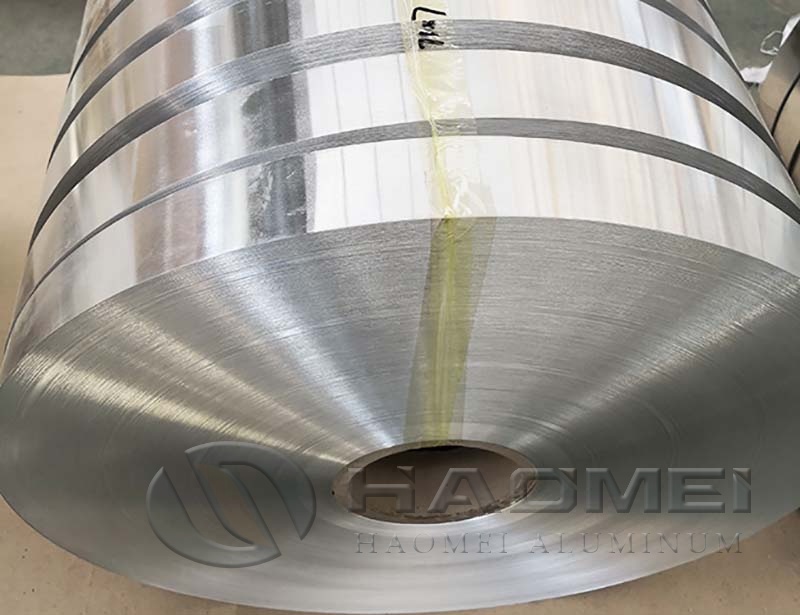
Flexible Aluminium Strips

  Flexible aluminium strips are specified when a component must be bent, wrapped, stamped, rolled, or formed without surface splitting. The ...