显示标签为“aluminum circles”的博文。显示所有博文

Mill Finish Aluminum Circle VS Color-Coated Aluminum Circle: Which Is Better for Cookware

 Aluminum circles are the core raw materials for manufacturing various cookware, including pots, pans, woks, and pressure cookers. Their surface processing methods directly determine the performance, durability, and market competitiveness of finished kitchenware.

Among the most widely used types in the cookware industry are mill finish aluminum circle and color-coated aluminum circle. Many manufacturers and buyers struggle to choose between the two, as each boasts unique strengths and applicable scenarios. This article conducts a comprehensive comparison of these two aluminum disc types from multiple dimensions to clarify their suitability for cookware production.

To begin with, mill finish aluminum circle refers to raw aluminum discs with a natural surface formed directly by rolling and annealing without any secondary coating or decorative treatment. Retaining the original metallic luster and smooth, uniform texture of aluminum, these uncoated aluminum circles feature excellent ductility and formability.

They can withstand deep drawing, spinning, and stamping processes without cracking or deforming, which is essential for shaping diverse cookware structures. Made from standard aluminum alloys like 1050, 1060, and 3003, they maintain stable physical properties during high-temperature processing, fully meeting the basic molding requirements of daily kitchenware.

In terms of practical performance for cooking scenarios, the plain aluminum circles excel in heat conductivity and high-temperature resistance. The pure aluminum surface without coating barriers enables faster and more uniform heat transfer, ensuring even heating of cookware and avoiding local overheating during cooking. This advantage makes them ideal for making high-efficiency frying pans and soup pots.

Meanwhile, their bare aluminum surface allows for flexible secondary processing. Manufacturers can perform anodizing, non-stick coating, or polishing on the finished cookware according to market demands, offering highly flexible production solutions. However, the natural aluminum surface is prone to oxidation and scratches, requiring additional surface protection to extend service life.

In contrast, color-coated aluminum circle is a pre-treated aluminum disc with a uniform organic coating layer applied on its surface through professional coating technology. These pre-painted aluminum circles integrate decoration and protection in one, eliminating the need for secondary surface processing after cookware molding. The coating layer comes in diverse colors and textures, enabling cookware to present rich and fashionable appearances that cater to modern consumers’ aesthetic demands for kitchen decoration.

The most prominent advantage of coated aluminum circles lies in their superior surface protection performance. The dense color coating effectively isolates aluminum from air, water vapor, and acidic or alkaline food residues, greatly enhancing corrosion resistance, oxidation resistance, and stain resistance.

Cookware made from these color-coated aluminum discs is not easy to rust, fade, or stain, and it is simpler to clean and maintain in daily use. Additionally, the surface coating improves the wear resistance of cookware, reducing scratches caused by daily friction and prolonging the overall service life of kitchenware products.

When it comes to production cost and application scenarios, the two materials show obvious differentiation. Uncoated mill finish aluminum discs have simpler production processes and lower raw material costs, making them suitable for mass production of economical, practical civilian cookware. They are also the preferred choice for manufacturers focused on customized surface post-processing.

On the other hand, pre-colored coated aluminum circles have higher upfront material costs due to additional coating procedures. They are more suitable for mid-to-high-end decorative cookware, gift kitchenware, and household products with high appearance requirements, as they can directly create exquisite finished products with stable color and no secondary processing loss.

In conclusion, neither mill finish aluminum circle nor color-coated aluminum circle is absolutely superior. For manufacturers prioritizing low cost, flexible post-processing, and excellent thermal conductivity, natural rolled aluminum discs are the optimal option. For products pursuing high durability, beautiful appearance, and low maintenance costs, color-coated aluminum discs deliver greater value. Reasonable selection based on product positioning and market demand is the key to maximizing the performance advantages of aluminum cookware.

Original source: https://www.aluminum-circle.com/a/mill-finish-aluminum-circle-vs-color-coated-aluminum-circle-which-is-better-for-cookware.html
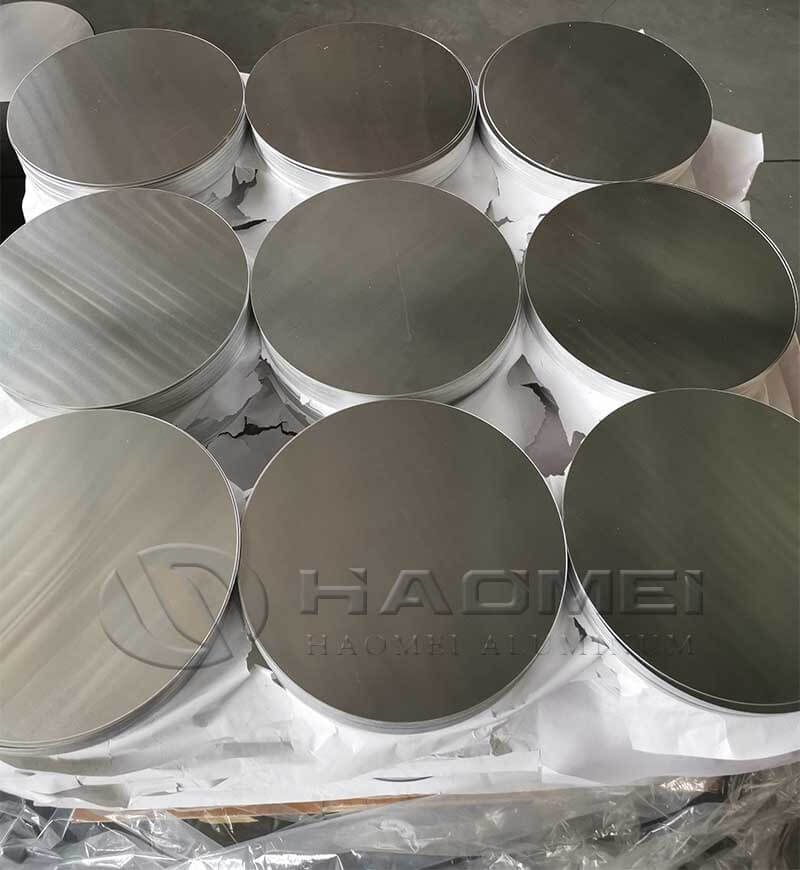
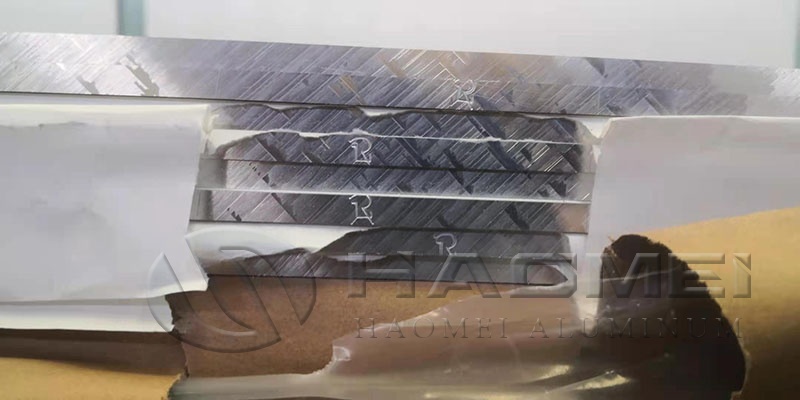
Non-Stick Cookware Manufacturing Trends

 Non-stick cookware is a kitchen essential, and its quality and performance start with a foundational component: aluminum circles. These pre-cut aluminum circle blanks are the starting point for crafting pots and pans, and their quality directly shapes every step of manufacturing—from forming processes to the final product's durability and appearance.

aluminum circle blanks.jpg

Key Trends Shaping Non-Stick Cookware Manufacturing in 2026

1. Demand for Safer Coatings

Traditional PTFE coatings are now paired with ceramic, hybrid and PFOA-free options. Health-focused consumers want toxin-free cookware that resists high temperatures, driving manufacturers to adopt safe, high-performance coating technologies.

2. Focus on Durability

Modern consumers prefer long-lasting cookware, so brands use multi-layered coatings, reinforced surfaces and better bonding. Scratch resistance and non-stick longevity are key, requiring a sturdy aluminum base.

3. Aesthetic Innovation

Cookware is now part of kitchen decor. Manufacturers offer sleek designs, matte finishes and varied colors to suit consumer tastes, requiring aluminum circles with smooth, uniform surfaces for consistent coating.

4. Energy Efficiency

Induction-compatible cookware is popular for sustainability. Aluminum, non-magnetic by nature, can be paired with magnetic bases, and high-quality aluminum circles enable precise forming for seamless integration and better energy efficiency.

5. Sustainable Production

The industry is shifting to green manufacturing, using recycled aluminum and reducing waste. High-quality aluminum circles minimize material loss during production, aligning with sustainability goals.

How Aluminum Circle Quality Impacts Non-Stick Cookware Production

1. Coating Adhesion

The success of non-stick cookware depends on strong coating adhesion to aluminum. Poor adhesion causes peeling or flaking, a top consumer complaint. High-quality aluminum circles ensure good adhesion in two key ways:

Firstly, surface smoothness is vital. Low-quality aluminum has uneven surfaces, pits or oxidation that create gaps, weakening the coating bond. Premium aluminum circles have smooth, defect-free surfaces that work well with pre-treatments like sandblasting to boost adhesion.

Secondly, aluminum purity matters. Impurities like iron or copper react with coatings, disrupting bonding. High-purity aluminum (99%+) minimizes these reactions, while small amounts of magnesium or manganese improve mechanical properties without harming adhesion.

2. Spinning

Spinning is a common forming process where aluminum circles are spun at high speed to shape pots and pans. It requires consistent aluminum properties to avoid defects. Low-quality circles have uneven thickness or grain, causing issues during spinning.

Inconsistent thickness leads to warping or cracking. High-quality aluminum circles have tight thickness tolerances (±0.05mm) and fine, uniform grain, enabling smooth deformation without tearing or wrinkling during spinning.

Optimal ductility in premium aluminum circles allows shaping complex designs (e.g., deep pans) without structural damage, improving both functionality (even heat distribution) and appearance.

3. Deep Drawing

Deep drawing creates deep pots and Dutch ovens by stretching aluminum circles into dies, demanding higher aluminum quality than spinning. Uniformity in thickness and ductility is essential for successful forming. As a big aluminum circle manufacturer, Haomei Aluminum can provide such aluminum discs.

Thick spots or low ductility cause "earing" (wavy edges) or tearing. High-quality aluminum circles have consistent thickness and ductility, and proper tensile strength, avoiding these defects and ensuring uniform shapes.

Smooth, defect-free aluminum surfaces prevent scratches or marks during deep drawing, ensuring a clean finish that supports uniform coating application.

4. Final Pan Appearance

Visual appeal is as important as functionality for modern consumers, who expect smooth, uniform finishes and no defects-aluminum circle quality is key to this aesthetic excellence.

Surface defects in aluminum (pits, scratches) show through coatings, while uneven thickness causes warping. High-quality aluminum circles ensure even coating application and consistent shapes, boosting both appearance and performance.

For colored or matte coatings, aluminum uniformity is critical-surface or thickness variations cause uneven color absorption. Premium aluminum circles provide a consistent base, meeting strict aesthetic standards.

Original source: https://www.aluminum-circle.com/a/non-stick-cookware-manufacturing-trends.html

5083 Marine Grade Aluminum

  For workboats, ferries, fishing vessels, offshore structures, and deck equipment, 5083 marine grade aluminum is valued for high strength w...