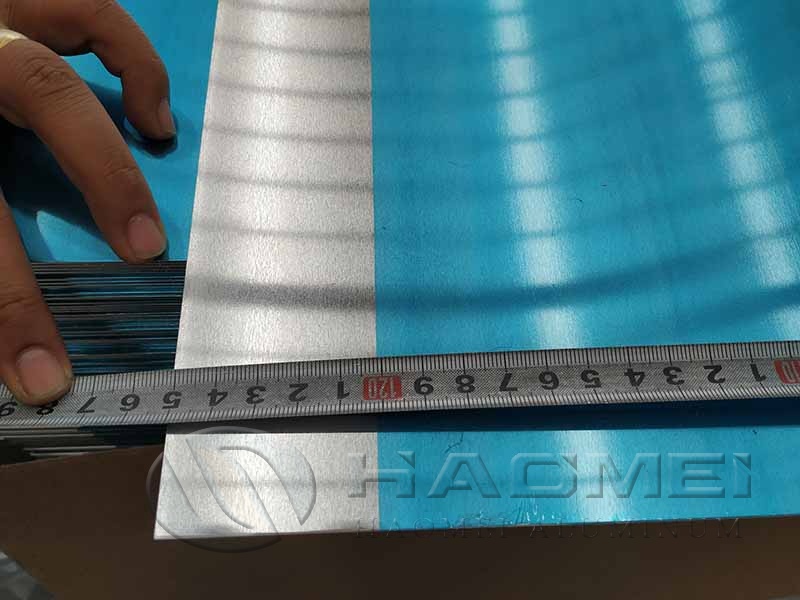
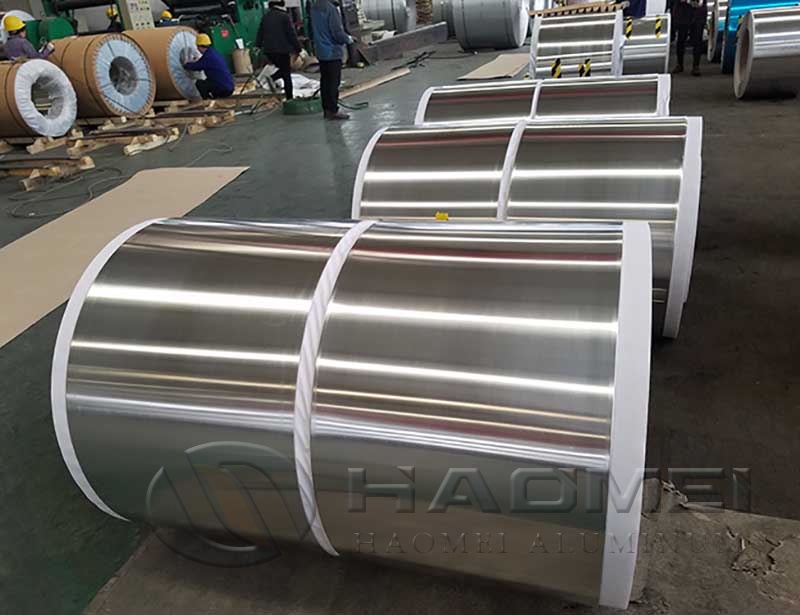
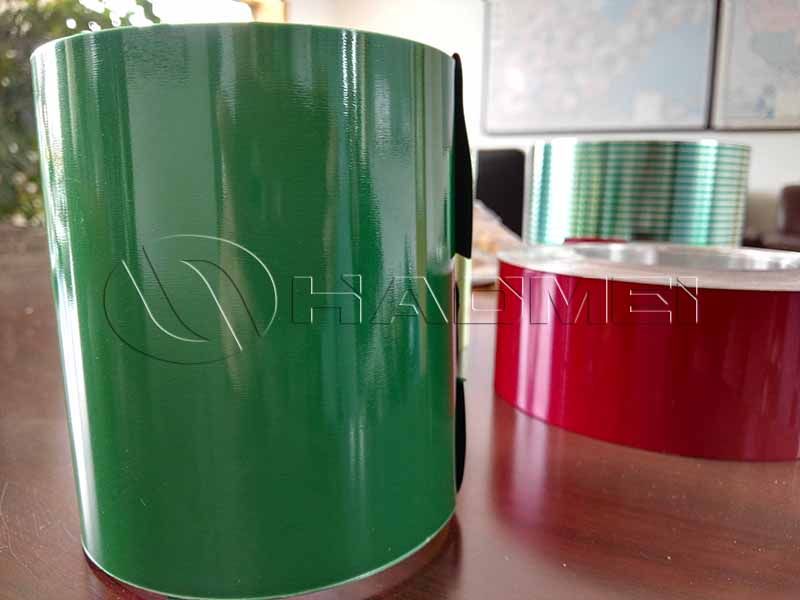
Flexible Aluminium Strips

 Flexible aluminium strips are specified when a component must be bent, wrapped, stamped, rolled, or formed without surface splitting. The primary technical concern is not simply thickness. It is the interaction of alloy, temper, bend direction, edge condition, and tooling radius.

For applications such as cable armoring, transformer winding, channel trims, ceiling systems, appliance parts, and deep-drawn components, an unsuitable temper can produce edge cracking even when the incoming material appears flat and clean. Preventing forming cracks should therefore be written into the purchasing specification and incoming inspection plan.
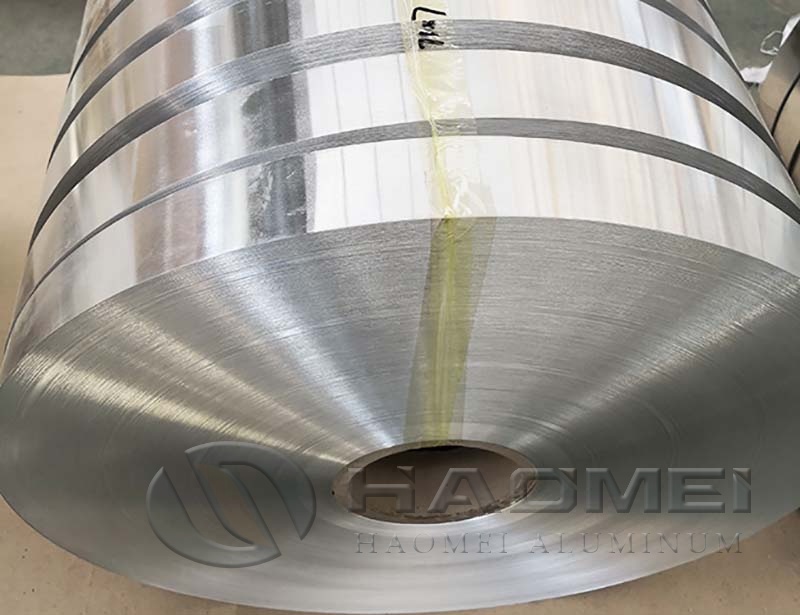
aluminum strip stock

Select Alloy and Temper for the Required Bend

Aluminium flexibility is commonly assessed through bend performance, elongation, and work-hardening behavior. Annealed tempers, especially O temper, generally offer the highest formability because they have lower strength and greater ductility than strain-hardened tempers such as H14 or H24.

The relevant material standard should be stated on the order. For wrought aluminium products, EN 573-3 identifies chemical composition, EN 485 covers mechanical properties for sheet and strip products, and ASTM B209 covers aluminium and aluminium-alloy sheet and plate. These standards define composition and mechanical-property frameworks, but they do not replace application-specific bend trials.

Material optionTypical flexibilitySuitable usesForming consideration
1050 / 1060 O temperVery highElectrical parts, reflectors, decorative formingLow strength; protect against dents during handling
1070 O temperVery highConductive formed components, light-duty profilesConfirm conductivity requirement separately
1100 O temperHighDeep drawing, chemical equipment trimsGood workability; verify surface finish need
3003 O temperHighCookware, architectural trim, general formingHigher strength than 1xxx series; bend radius may need adjustment
5052 O temperModerate to highCorrosion-resistant formed partsStronger alloy; test tighter bends before production

For highly ductile, commercially pure material, 1050 Aluminium Metal Strip is frequently evaluated where tight forming and a clean surface are more important than structural strength. Where conductivity is particularly relevant, 1070 Aluminum Flat Strip can be assessed against the required electrical and mechanical criteria.

Do not select an alloy by elongation alone. Elongation values vary with thickness, temper, test direction, and the applicable standard. Request the mill test certificate for each production batch and compare the reported tensile strength, yield strength, elongation, chemistry, dimensions, and temper with the purchase specification.

Control Bend Radius, Direction, and Edge Quality

A strip can fail in forming even when alloy and temper are correct. The most common failure point is the outer bend surface, especially near a slit edge. Slitting can introduce burrs, edge rollover, and small work-hardened zones that act as crack initiation points.

Use this pre-production checklist before releasing a formed part:

  1. Define the minimum inside bend radius in the drawing, rather than describing the part as simply flexible.
  2. State whether bending occurs transverse or longitudinal to the rolling direction.
  3. Provide the bend angle, tooling type, forming speed, and lubrication condition.
  4. Specify allowable burr height and edge condition after slitting.
  5. Perform bend samples using production tooling and the intended lot of material.
  6. Inspect both the outer bend surface and slit edges under adequate lighting or magnification.
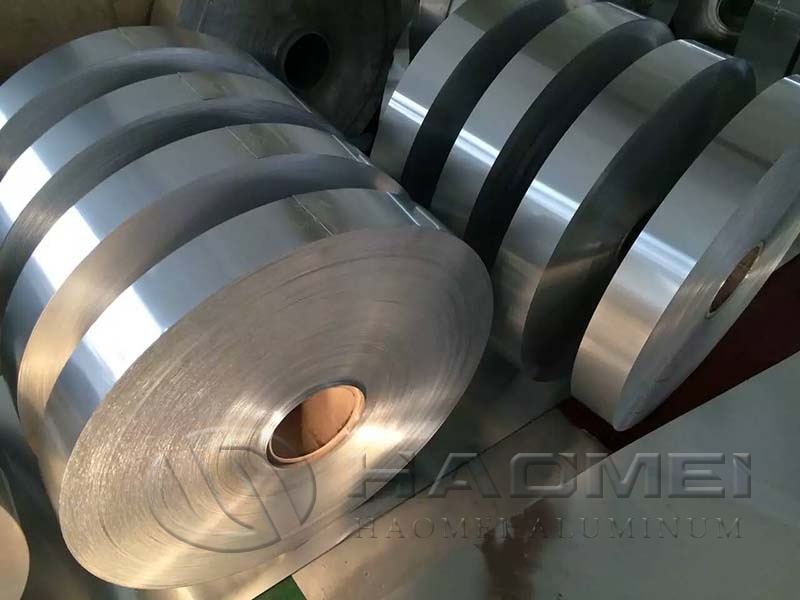
flat aluminum strip

Bending transverse to the rolling direction is often preferred for demanding bends because the elongated grain structure from rolling can affect cracking behavior. However, performance depends on alloy, temper, thickness, die design, and surface condition. A qualified forming trial is the only reliable way to approve a tight-radius application.

Observed issueLikely causeCorrective action
Fine cracks on outer bendTemper too hard or radius too smallChange to O temper, increase inside radius, test again
Cracks beginning at both edgesBurrs or damaged slit edgesSpecify deburred edges and inspect slitting quality
Uneven bend lineWidth variation or tool misalignmentTighten dimensional tolerance and align tooling
Surface scratches after formingPoor packaging, handling, or die contaminationAdd protective interleaving and clean contact surfaces
Springback beyond toleranceAlloy strength too high for tool geometryAdjust overbend angle or assess a softer temper

The width tolerance should match the forming process. Narrow material used in progressive dies may require tighter width control than material used for manually formed trims. Specify thickness, width, edge type, camber, coil inner diameter, maximum coil mass, and surface-protection method where relevant.

Write a Testable Purchase Specification

A usable specification converts "flexible" into measurable acceptance conditions. It also reduces disagreement between the processing plant, fabricator, and inspection team.

Include the following items:

  • Alloy and temper, such as 1050-O, 1060-O, 1100-O, 3003-O, or 5052-O.
  • Product standard: ASTM B209, EN 485, or another contractually agreed standard.
  • Thickness and width tolerances, plus length or coil parameters.
  • Edge requirement: mill edge, slit edge, deburred slit edge, or rounded edge.
  • Surface requirement: mill finish, coated finish, protective film, or scratch limits.
  • Mechanical-property certificate and chemical-composition certificate.
  • Bend-test method, including sample orientation, mandrel diameter, bend angle, and acceptance criteria.
  • Packaging requirements to prevent moisture staining, telescoping, edge damage, and transit abrasion.

For a documented bend trial, identify the test condition clearly. For example: "Bend a specimen through 180 degrees over a specified mandrel, with no visible cracking on the outer surface under agreed inspection conditions." The mandrel diameter must be selected for the actual part geometry; a generic pass/fail statement without a radius cannot control forming risk.

Pricing should also be separated into transparent components: the published aluminium reference price, alloying or conversion charge, dimensional tolerances, finishing, packaging, certification, and freight. For indexed contracts, the London Metal Exchange publishes official and settlement data for aluminium contracts. Confirm the reference date, currency, premium basis, and quotation validity period before comparing offers.

A complete request should therefore include drawings, a formed sample where available, annual consumption forecast, delivery format, certification needs, and the required bend-test result. This creates a technically comparable quotation and makes crack prevention part of the material requirement rather than a problem discovered on the production line.

Original source: https://www.aluminumstrip24.com/news/flexible-aluminium-strips.html
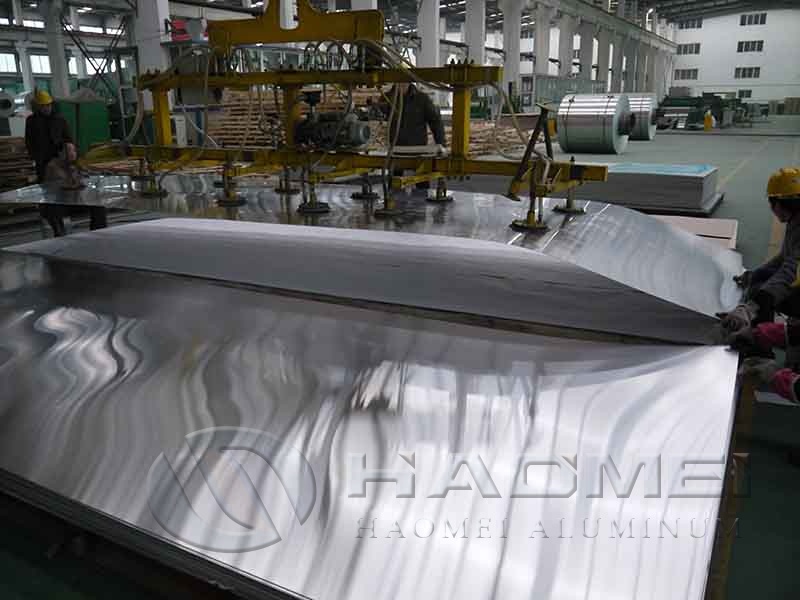
5454 Aluminum Plate Questions Being Asked for Industrial Projects

 The following topics reflect recurring English-language questions appearing in public search and Q&A discussions during the past three months. For project teams selecting material for tank bodies, transport equipment, pressure vessels, and fabricated structures, the practical details matter more than a nominal alloy number.

5454 aluminum sheet

TopicWhat users want to knowPractical decision point
Alloy performanceIs 5454 strong enough and corrosion resistant enough?Match temper and thickness to service loads.
Tank applicationsWhy is 5454 specified for road tanks?Consider corrosion, forming, weldability, and applicable code requirements.
Temper selectionIs H32 or H34 the better choice?Balance required strength against bend radius and forming severity.
WeldingDoes welding weaken 5454?Plan around heat-affected-zone softening in design calculations.
Material verificationWhat should be checked before ordering?Confirm chemistry, mechanical values, dimensions, and inspection documents.

1. Is 5454 aluminum plate better than 5052 or 5754 for tanker work?

5454 aluminum plate is a non-heat-treatable aluminum-magnesium alloy developed for applications involving moderately elevated temperatures and demanding corrosion exposure. Its magnesium level is generally higher than 5052, giving it stronger mechanical performance in common strain-hardened tempers. Compared with 5754, 5454 is often selected where tank fabricators need a recognized alloy for highway tanker construction and similar welded service.

The word "better" depends on the application. For a chemical or fuel tanker body, the selection should consider transported media, operating temperature, wall thickness, welding layout, fatigue loading, and regulatory requirements. 5454 has a strong reputation for road transport tanks because it combines corrosion resistance, formability, and weldability without relying on heat treatment for strength.

A project using marine exposure or highly aggressive salt conditions may also compare 5454 with 5083. However, 5083 is a higher-strength alloy with different forming behavior and may not be the most economical or practical choice for every tank geometry. For tank-focused specifications, review available aluminum sheets for tank truck options alongside the full fabrication requirement, rather than choosing solely by tensile strength.

aluminum tanker plate

2. What temper should I choose for 5454 aluminum plate: H32, H34, or O?

This is one of the most important questions because temper affects both strength and fabrication response. H32 is commonly used when a project needs a useful combination of moderate strength, corrosion resistance, and workable bending performance. H34 has a higher degree of strain hardening, so it normally provides higher strength but may require a larger bend radius and more controlled forming.

O temper is annealed and comparatively soft. It is suitable for severe forming operations, deep drawing, or shapes with tight radii, but it provides lower yield strength. If formed components will later be welded into a structural tank section, the final design should not assume the original H34 strength remains unchanged near welds.

TemperRelative strengthFormabilityTypical consideration
OLowExcellentComplex forming and tight-radius work
H32MediumGoodGeneral fabricated tank and transport parts
H34HigherModerateApplications needing added strength with controlled bends

A purchase order should state alloy, temper, thickness tolerance, width, length, flatness requirement, surface condition, and applicable standard. "5454 plate" alone leaves too much room for interpretation.

3. Is 5454 aluminum plate corrosion resistant enough for fuel, chemicals, and outdoor transport?

5454 offers good general corrosion resistance because of its aluminum-magnesium chemistry. It performs well in outdoor transport environments and is commonly considered for tanks carrying petroleum products and many non-aggressive liquids. Still, corrosion resistance is never a blanket approval for every chemical.

The transported product can contain water, chlorides, sulfur compounds, cleaning residues, or contaminants that change corrosion behavior. Temperature also matters. A liquid that is acceptable at ambient temperature may behave differently under heated cleaning cycles or prolonged elevated-temperature exposure. Before material approval, compare the alloy with the exact cargo specification, concentration range, expected temperature, drainage condition, and cleaning method.

Fabrication quality has an equally large effect. Crevices, trapped moisture, poorly sealed joints, incompatible fasteners, and contact with more noble metals can create localized corrosion risks. Insulating dissimilar metals and providing proper drainage are often more valuable than simply selecting a thicker plate.

For broader alloy comparison, the product information for Aluminum 5454 can help align temper and dimensional requirements with the intended service environment.

4. Can 5454 aluminum plate be welded without losing too much strength?

Yes, 5454 is generally regarded as readily weldable by conventional aluminum welding processes, including MIG and TIG, when correct procedures and qualified operators are used. The important limitation is that strain-hardened tempers soften in the heat-affected zone. Welding does not make the metal unusable, but local mechanical properties near the weld can be lower than those of the original H32 or H34 base material.

For this reason, sound engineering calculations use appropriate welded-condition values rather than only mill-condition tensile values. Joint type, filler selection, weld size, heat input, restraint, and post-weld inspection should all be addressed. Excess heat can increase distortion, while inadequate cleaning can cause porosity and inconsistent weld quality.

Prior to production, confirm the welding procedure specification, filler alloy compatibility, and required inspection level. For critical tank structures, test coupons and procedure qualification are sensible safeguards, especially when wall thickness or service conditions are demanding.

5. What documents and checks should be requested with 5454 aluminum plate?

New project teams often focus on price and overlook verification details that affect fabrication yield. At minimum, request a mill test certificate showing alloy chemistry, temper, tensile strength, yield strength, elongation, dimensions, and relevant production standard. If the plate will be used in a regulated transport tank, confirm that the material documentation and traceability format satisfy the governing code or customer specification.

Also clarify whether the quoted thickness is nominal or guaranteed minimum, whether edges are mill, trimmed, or saw-cut, and what flatness tolerance applies. Large-format plates can be especially sensitive to handling and storage, so protective packaging and surface requirements should be specified before dispatch.

A practical incoming inspection can include the following checks:

  • Verify heat number identification against the mill certificate.

  • Measure thickness at multiple positions, including near edges.

  • Inspect for dents, deep scratches, oxidation staining, and handling marks.

  • Confirm length, width, squareness, and flatness against the purchase order.

  • Review temper and mechanical-property values before cutting or forming.

  • Keep material traceability records connected to each fabricated component.

These checks help prevent expensive rework when the material reaches forming, welding, or final assembly.


Original Source:https://www.aluminumtankerplate.com/a/5454-aluminum-plate.html

Aluminum Strip for Transformer

 Transformer manufacturers and electrical fabricators frequently ask practical questions about aluminum strip for transformer windings before placing a production order. Recent discussions across Google searches, Quora-style forums, and industry communities focus less on basic material definitions and more on electrical performance, dimensional control, insulation compatibility, and welding behavior.

aluminum strip for transformer winding

1. Which alloy is best for aluminum strip for transformer winding, 1060 or 1070?

For most transformer windings, 1060 and 1070 are preferred because they are commercially pure aluminum grades with high electrical conductivity, soft forming behavior, and stable performance during winding. The practical difference is that 1070 aluminum strip generally has a slightly higher aluminum content and can provide marginally better conductivity, while 1060 aluminum strip is widely available and often more economical for standard distribution-transformer applications.

The grade should not be selected by conductivity alone. A winding material must also bend consistently around the mandrel without edge cracking, remain flat during tensioning, and accept insulation paper or enamel without surface defects. When the design has a narrow bending radius or a high number of turns, a soft temper such as O temper is usually safer than a harder temper.

Material optionTypical useMain advantagePoint to confirm
1060 aluminumDistribution transformers, general electrical windingGood conductivity and broad availabilityActual conductivity requirement
1070 aluminumHigher-efficiency windings, demanding electrical designsHigher purity and conductivityCost versus loss reduction
O temperTight-radius windingExcellent ductilityDimensional tolerance after slitting
H14 or H16 temperCertain rigid bus applicationsImproved stiffnessSuitability for repeated bending

For applications requiring stable winding performance, specify both alloy and temper on the purchase document. Saying only "pure aluminum" leaves too much room for variation in hardness and processing quality. Manufacturers sourcing Aluminum Strips for electrical use should also request the conductivity value, thickness tolerance, width tolerance, and burr-control requirement.

2. How do I calculate the correct width and thickness for a transformer aluminum winding?

The conductor cross-sectional area is the starting point. In simplified form, the area equals width multiplied by thickness. The required area depends on transformer current, allowable current density, temperature rise, cooling method, and winding arrangement. Increasing width can reduce resistance while keeping the winding relatively thin, but the available window space and insulation build must be considered.

For example, a conductor measuring 20 mm wide by 1.0 mm thick has a cross-sectional area of 20 mm². If a design needs more current capacity, an engineer may increase thickness, width, or both. However, wider material can be harder to wind evenly if the winding machine, insulation layers, and bobbin geometry are not matched.

A useful purchasing practice is to distinguish nominal dimensions from permitted variation. A 1.00 mm thickness with a loose tolerance may cause resistance differences from one lot to another. It may also change the final winding diameter and interfere with insulation spacing. For transformer work, dimensional consistency is often as important as the nominal size.

thin aluminum strip for transformer

3. Does aluminum strip need edge deburring for transformer winding?

Yes. Edge condition is one of the most important but often overlooked quality details. Slitting can leave burrs, sharp feathered edges, or slight edge waves. These defects may damage kraft paper, polyester film, aramid insulation, or enamel coatings during winding. A tiny burr can become a long-term reliability concern if vibration, thermal cycling, or winding pressure causes it to work through the insulation barrier.

Ask for a slit edge suitable for electrical winding, with controlled burr height and no severe edge cracking. The appropriate limit depends on thickness and insulation system, but the material should be inspected under magnification when the design uses thin insulation or tightly packed layers.

Surface cleanliness matters as well. Oil residue, dust, oxide particles, and handling marks can reduce insulation adhesion or create winding-machine contamination. High-quality transformer material normally has a clean, uniform surface rather than a decorative finish. If a project requires paper-covered conductor, confirm whether the aluminum will be supplied bare for in-house wrapping or delivered with an insulation system already applied.

4. Can aluminum winding material be welded or brazed reliably in transformers?

Aluminum can be joined effectively, but the joining method must suit the electrical and mechanical design. TIG welding, ultrasonic welding, resistance welding, cold pressure welding, and certain brazing processes may be used depending on conductor thickness, terminal geometry, and production volume. Each method needs careful surface preparation because aluminum oxide forms naturally and melts at a much higher temperature than the base metal.

For low-resistance joints, contact pressure and clean mating surfaces are critical. A joint that looks acceptable visually may still create unwanted resistance, leading to localized heating under load. Connection areas should be assessed with electrical resistance testing rather than appearance alone.

When specifying Aluminium Strips, discuss the intended joining process with the material supplier. A soft, high-purity grade usually works well for forming and cold welding, but surface condition, thickness, and storage conditions can influence results. Avoid assuming that a method proven for copper conductors will produce identical results with aluminum.

5. What inspection items should I request before accepting transformer aluminum material?

A reliable inspection plan should cover chemistry, electrical properties, dimensions, surface quality, and packaging. A mill test certificate is useful, but physical checks on received material remain important, especially for narrow-width products or tight-tolerance designs.

Inspection itemWhy it matters in transformer windingTypical receiving check
Alloy compositionConfirms specified 1060 or 1070 gradeReview mill test certificate
Electrical conductivityInfluences conductor resistance and lossesVerify reported percentage IACS or resistivity
ThicknessAffects current capacity and winding buildMeasure at several positions
WidthDetermines winding fit and insulation clearanceMeasure across multiple locations
Burr and edge qualityProtects insulation from cutting damageVisual check and magnified inspection
Flatness and camberSupports smooth machine windingUnroll a sample length
Surface cleanlinessHelps insulation compatibility and joint qualityCheck for oil, scratches, and particles
Packaging protectionPrevents dents, moisture exposure, and telescopingInspect outer wrap and inner support

For repeat orders, retain a reference sample from an approved lot. Comparing new deliveries against the approved sample makes it easier to identify shifts in temper, edge quality, color, flatness, or winding behavior before material enters production.

Original source: https://www.hm-alu.com/a/aluminum-strip-for-transformer.html

Aluminum Coil Thickness Optimization for ROPP Caps and Screw Caps

In the field of aluminum packaging processing, ROPP (Roll-On Pilfer-Proof) caps and threaded caps are vital sealing components for beverages, alcohol, pharmaceuticals, and personal care goods. Aluminum coil thickness is a core parameter that governs forming quality, sealing performance, production yield, and manufacturing costs.

I. Thickness deviation

Manufacturing ROPP and screw caps relies on multiple precision operations: stamping, deep drawing, thread rolling, curling, and liner insertion. Consistent aluminum coil thickness directly determines finished cap quality. Thickness deviations — too thin, too thick, or uneven material — create a range of production defects.

Thin aluminum coil reduces the cap's structural rigidity. During high-speed capping, stacking or warehousing, caps easily dent and deform. The tamper-evident band may fracture and fail anti-tamper requirements. Insufficient thickness also causes loose thread engagement, leading to bottle mouth leakage and seal failure. Such material is unsuitable for spirits and carbonated drinks that demand reliable sealing.

aluminum coil for cap making.jpg

On the other hand, overly thick aluminum raises raw material costs and creates waste. More importantly, extra thickness increases resistance during deep drawing and thread rolling, triggering sidewall cracking, irregular threads and stamping burrs. These defects cut yield, accelerate mold wear, and push up maintenance and energy expenses.

Uneven thickness tolerance across the aluminum coil for cap making is another common industry headache. Thickness variation along the coil length or width causes inconsistent forming results and batch quality instability, which blocks standardized mass production. A thicker coil is not always better; matching thickness precisely to your application is the key to higher quality and lower cap production costs.

II. Aluminum coil thickness selection guide for ROPP and threaded caps

1. Standard Threaded Caps

Small threaded caps for drinking water, personal care and basic pharmaceuticals have shallow forming depth, simple geometry and low pressure requirements, so they do not need high rigidity. Aluminum coils of 0.18mm–0.20mm are recommended. This thickness delivers balanced toughness for smooth stamping without cracking or deformation. It meets standard sealing requirements while controlling material cost, ideal for large-scale production.

2. Standard ROPP Caps

The widely used 28mm standard ROPP cap for spirits, premium beverages and functional drinks has a tamper-evident ring and precise threads. Its complex forming process needs carefully balanced aluminum toughness and rigidity. The preferred thickness range is 0.20mm–0.23mm. This range guarantees stable thread rolling and deep drawing to avoid cracks, maintains required cap hardness, keeps consistent break force on the tamper band, and delivers tight sealing for high-speed automatic lines.

3. Tall/Heavy-Duty Custom ROPP Caps

Custom ROPP caps with greater height, deep embossing, larger diameters, and caps for spirits or high-pressure beverages require high draw ratios and strong pressure resistance. Aluminum coils of 0.22mm–0.24mm are selected. This thickness prevents deep-draw deformation, blurred patterns and cap collapse, maintaining neat appearance and reliable performance for high-end custom packaging.

III. Haomei Aluminum

Haomei Aluminum specializes in aluminum cap stock, focusing on thickness control and precision aluminum coils for ROPP and threaded caps. We solve material-selection challenges across four pillars: precision, customization, quality and service.

1. Excellent thickness tolerance

Thickness uniformity is the core metric for bottle cap aluminum and Haomei's key technical advantage. Using high-precision rolling equipment and mature temperature-pressure control processes, we hold thickness tolerance within ±0.005mm, outperforming common industry standards. Uniform thickness across the full coil eliminates inconsistent cap forming and batch defect fluctuation. It perfectly adapts to high-speed automatic stamping and thread rolling lines and greatly stabilizes production.

2. Customized thickness matching

We do not only sell fixed-spec materials. We offer tailored thickness precision from 0.18mm to 0.24mm. Our engineers design optimized thickness plans according to your cap height, diameter, forming method, line speed and end use. We can thin material for lightweight cost-saving caps or increase thickness for heavy-duty high-end products. This eliminates raw material waste and stabilizes quality, helping customers cut total material costs by 10%–15%.

3. Optimized material properties for defect-free forming

Our dedicated 8011 and 3105 bottle cap aluminum coils achieve ideal toughness-rigidity balance via precise thickness control. These grades provide outstanding deep drawability with no cracking, wrinkling or delamination during thread rolling, curling and coating. Caps come with full, uniform threads and good flatness. Sealing performance, deformation resistance and tamper-band break strength all meet industry standards, delivering finished yield above 99%. The premium surface finish supports downstream spraying, printing and coating for attractive packaging.

4. Stable mass supply and delivery

Haomei Aluminum runs large production lines to steadily supply aluminum coils in all target thicknesses for ROPP and threaded caps. We support fast delivery for bulk orders and maintain sufficient inventory to avoid supply interruptions. Our professional technical team provides free pre-sales thickness selection and optimization based on your product specs, plus after-sales technical support for production compatibility issues.

Original source: https://www.alclosuresheet.com/a/aluminum-coil-thickness-optimization-for-ropp-caps-and-screw-caps.html

Flexible Aluminium Strips

  Flexible aluminium strips are specified when a component must be bent, wrapped, stamped, rolled, or formed without surface splitting. The ...