5754 Aluminum Sheet for Tank Truck

 Aluminum alloy tank trucks are widely used for fuel, chemical, food-grade liquid, and special-purpose transport because they help reduce vehicle weight while maintaining reliable structural performance. Among common Al-Mg alloys, 5754 aluminum sheet for tank truck applications is valued for corrosion resistance, formability, weldability, and stable performance in road transport environments.

For purchasing teams, the question is not only whether 5754 is suitable, but also how to specify thickness, temper, surface quality, certification, and supplier capability. A correct purchase plan can reduce welding defects, forming cracks, rework, and delivery risk.

aluminum plate for sale

Why 5754 Aluminum Sheet Is Used in Tank Truck Manufacturing

5754 is a non-heat-treatable aluminum-magnesium alloy. Its strength mainly comes from magnesium solid-solution strengthening and work hardening. Compared with carbon steel, it offers a much lower density, which helps increase payload under legal axle-load limits. Compared with some higher-strength aluminum alloys, it is easier to form and weld, which is important for curved tank shells, heads, partitions, and special vehicle components.

In tank truck production, 5754 aluminum sheet is often selected for fuel tankers, service vehicles, water tanks, and components requiring good corrosion resistance and moderate strength. It is also used for baffles, side protection, platforms, toolboxes, and structural panels on special vehicles. For more demanding tanker bodies, especially where higher strength is required, purchasers may compare it with 5083 aluminum plate. For balanced forming and corrosion performance, 5754 aluminum plate remains a practical option.

The alloy performs well in many atmospheric and road-salt environments because magnesium-containing aluminum alloys naturally form a protective oxide film. However, compatibility with transported media must always be checked by the tank designer, cargo regulation, and applicable safety standard. Aluminum is not suitable for every chemical cargo.

Item5754 Aluminum Sheet Performance in Tank Truck Use
Alloy family5xxx Al-Mg alloy, non-heat-treatable
Main advantagesCorrosion resistance, weldability, formability, moderate strength
Typical tempersO, H111, H22, H32, depending on forming and strength needs
Common usesTank shells, baffles, partitions, vehicle panels, auxiliary structures
Processing methodsRolling, cutting, bending, roll forming, MIG/TIG welding
Important checksMill certificate, thickness tolerance, surface defects, flatness, traceability

5754 is not simply a lighter substitute for steel. Its design requires consideration of stiffness, weld layout, fatigue behavior, and forming radius. A tank made from aluminum may need different plate thickness, reinforcing structure, and welding procedure than a steel tank with the same volume.

How 5754 Compares With 5083 and 5454 for Tankers

Different tanker projects require different aluminum alloys. The selection depends on transported medium, tank volume, design pressure, welding process, operating temperature, and local regulations. 5754 is often chosen when formability and corrosion resistance are important and the strength requirement is moderate.

5083 aluminum plate for fuel tank

AlloyGeneral PositioningTypical Tank Truck Relevance
5754Good formability and corrosion resistance, moderate strengthSuitable for many road tanker and special vehicle components
5083Higher strength Al-Mg alloy with excellent marine corrosion resistanceOften used for tank shells and heavy-duty tanker structures
5454Good corrosion resistance and better high-temperature stability than some 5xxx alloysUsed in tankers where service temperature and chemical resistance are considered
5182Good formability and weldabilityUsed for formed parts, baffles, heads, and vehicle components in some designs

Typical mechanical property ranges depend on thickness, temper, and governing standard. For example, EN 485 and ASTM B209 are widely referenced for aluminum sheet and plate requirements, while chemical composition is commonly controlled under EN 573 or ASTM alloy designations. Actual acceptance values should be confirmed on the mill test certificate rather than assumed from a catalog.

For tank truck fabrication, temper selection is especially important. O temper has excellent formability but lower strength. H111 is lightly strain-hardened and suitable for forming with better mechanical performance than fully annealed material. H22 and H32 offer higher strength, but bending and forming conditions must be controlled. If the sheet is too hard for the forming process, cracks may appear at dished heads, rolled shells, or tight bends.

Welding is another major factor. 5754 has good weldability by MIG and TIG methods, but welding procedure qualification, filler wire selection, cleaning, heat input, and distortion control still matter. The heat-affected zone may lose some work-hardened strength, so tank design should account for weld seam location and post-weld performance.

Purchase Points for Tank Truck Aluminum Sheet

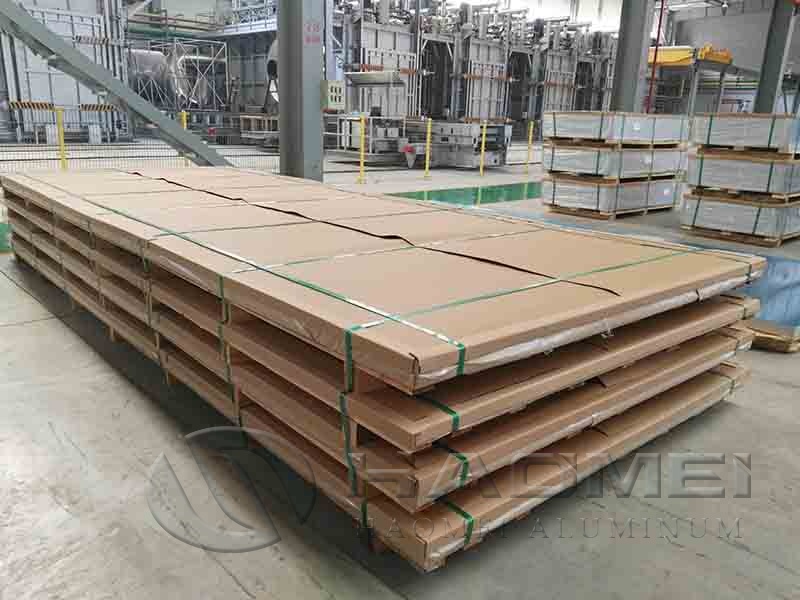
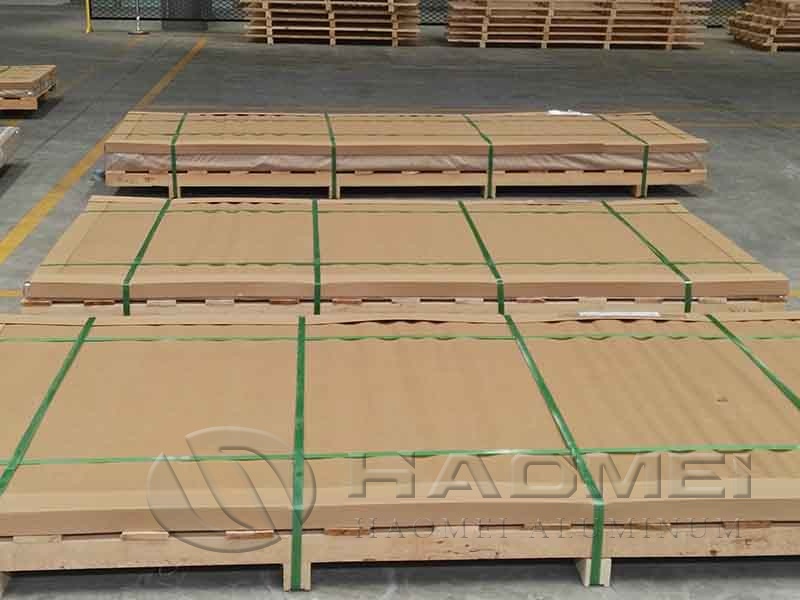
A professional purchase specification should be more detailed than alloy and thickness. It should describe the intended application, standard, temper, dimension tolerance, surface requirement, packaging, test documents, and delivery plan. This helps the supplier recommend suitable production routing and reduces disputes after arrival.

5454 aluminum sheet

Purchase ItemWhat to SpecifyWhy It Matters
Alloy and temper5754-O, 5754-H111, 5754-H22, or 5754-H32Controls forming ability and strength
ThicknessCommonly selected according to tank design, volume, and codeAffects weight, stiffness, welding, and fatigue life
Width and lengthMatch shell rolling, head forming, and cutting planReduces scrap and welding seams
StandardASTM B209, EN 485, EN 573, or agreed technical conditionDefines tolerance, chemistry, and inspection basis
SurfaceOil-free, clean, no cracks, severe scratches, corrosion, or laminationImproves welding quality and appearance
DocumentsMill test certificate, heat number, chemical and mechanical resultsSupports traceability and compliance
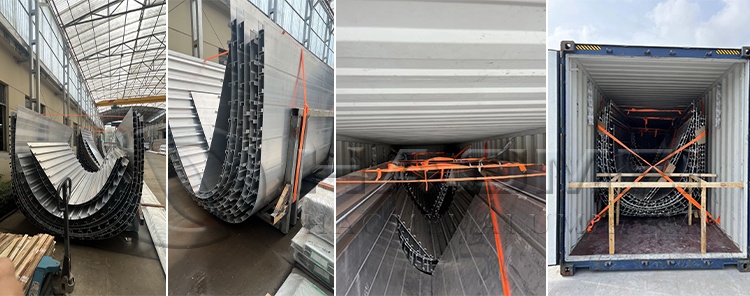
PackagingMoisture-proof paper, wooden pallet, edge protectionPrevents water stain and transit damage

Thickness is one of the most sensitive cost and performance factors. A thinner sheet can reduce vehicle weight, but it may increase deformation, vibration, and fatigue risk. A thicker sheet improves stiffness but raises material cost and vehicle mass. Tank designers usually determine thickness according to compartment layout, baffle distance, shell curvature, load conditions, and applicable transport rules.

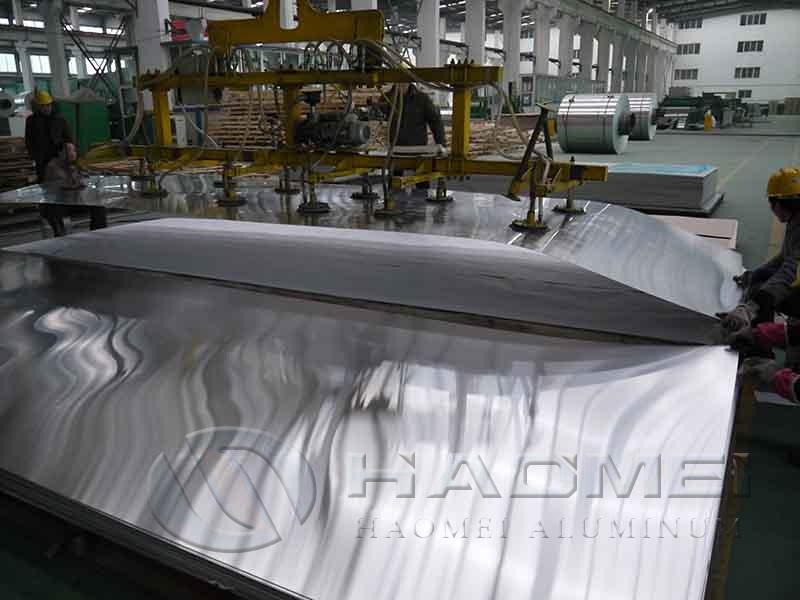
Surface quality is also critical. Deep scratches, black lines, dents, edge cracks, and oil contamination can affect forming and welding. For visible special vehicle panels, appearance requirements may be stricter. For shell plates and baffles, internal defects and dimensional stability matter more than cosmetic appearance.

When evaluating suppliers, purchasers should check rolling capability, inventory range, cutting service, export packaging, and experience with tank truck materials. Stable supply is important because tanker factories usually run batch production. If plates from different heats or suppliers are mixed without control, welding behavior, color after oxidation, and forming response may vary.

Cost should be analyzed beyond the quoted price per ton. Freight, cutting yield, minimum order quantity, payment terms, delivery time, packaging, certificate completeness, and claims handling all influence the real project cost. In a rising aluminum market, early locking of quantity and delivery schedule may protect production plans. In a weak market, inventory pressure can create negotiation opportunities, but quality verification should not be relaxed.

Before placing an order, prepare a written requirement sheet with alloy, temper, size, quantity, standard, application, inspection terms, and packaging. Ask for sample certificates or previous tank truck supply records when possible. For new suppliers, trial orders are useful for checking bending, rolling, welding, surface condition, and dimensional accuracy before mass production.

Original source:  https://www.aluminium-tanker-plate.com/a/5754-aluminum-sheet-for-tank-truck.html

Lightweight Tanker Design with Aluminum Plate

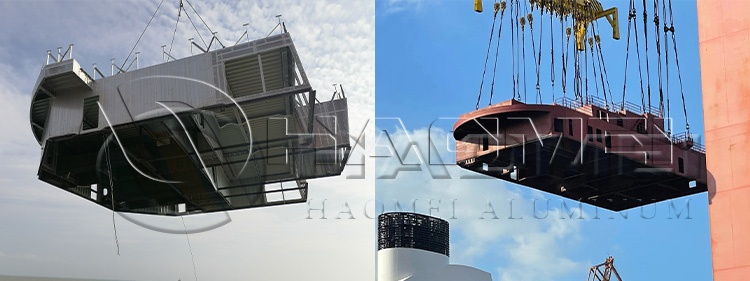
 Compared to carbon steel tank trucks of the same specifications, aluminum alloy tank trucks can reduce weight by 20%-40%. The lightweight body not only increases cargo capacity and improves transportation efficiency, but also reduces fuel consumption and wear and tear on vehicle parts, saving fuel and maintenance costs, truly achieving the dual value of cost reduction, efficiency improvement, and environmental protection.

Tank truck transportation operates under complex conditions, enduring long-term tests of bumpy loads, media corrosion, alternating high and low temperatures, and high pressure. This places stringent requirements on the strength, corrosion resistance, weldability, and low-temperature toughness of materials. Not all aluminum alloys are suitable for tank truck manufacturing.

5083 aluminum sheet.jpg

Among them, 5083 and 5059 aluminum-magnesium alloys have undergone extensive engineering verification, demonstrating performance that matches the core manufacturing needs of tank trucks, and are currently the most widely used mainstream sheet metal in commercial tank trucks.

1. 5083 Alloy

5083 aluminum sheet is the most mature medium-strength aluminum-magnesium alloy specifically for tank trucks, with a density of only 2.66 g/cm³, less than one-third that of steel, offering significant lightweight advantages. This alloy, optimized through a special process, exhibits excellent plasticity, weldability, and corrosion resistance. Its weld formation is stable and less prone to cracking, making it suitable for integral welding processes of large tanks. It is the preferred material for transporting atmospheric pressure liquids, food, and general chemical media.

Its resistance to intergranular corrosion and stress corrosion is outstanding, and it can withstand rainwater, salt spray, and most neutral media corrosion, eliminating the need for additional anti-corrosion coatings and significantly reducing production and maintenance costs. It also possesses excellent low-temperature toughness, withstanding temperatures as low as -162℃ without easily becoming brittle, making it suitable for transportation across the country and in low-temperature environments.

Tank trucks using 5083 aluminum alloy are more than 30% lighter than carbon steel tanks, achieving high-quality lightweight transformation while ensuring structural safety and compliance.

2. 5059 Aluminum Plate

5059 aluminum is an upgraded, high-strength version of 5083 alloy, effectively solving the pain point of traditional aluminum materials' inability to simultaneously achieve lightweight and high strength. It is a high-end material for hazardous chemicals, high-pressure storage tanks, and heavy-duty tank trucks.

This alloy boasts a tensile strength of up to 350 MPa, surpassing the strength performance of 5083. Under the same pressure and impact conditions, the thickness of 5059 plates can be reduced by 15%-20%, and the tank weight can be further reduced by 8%-12% compared to 5083, offering higher safety redundancy and superior weight reduction.

Simultaneously, it maintains excellent weldability and corrosion resistance, exhibiting stronger adaptability to organic solvents and mildly corrosive chemical media. The tank structure is stable, less prone to deformation and leakage under bumpy road conditions, meeting the high-precision and stringent safety requirements for transporting hazardous chemicals.

3. How Lightweight Aluminum Plates Comprehensively Improve Tank Truck Transportation Efficiency and Load Capacity

The lightweight characteristics of aluminum alloys fundamentally improve the transportation efficiency and load capacity of tank trucks. Traditional carbon steel tank trucks are excessively heavy, occupying a significant portion of the vehicle's weight allowance, resulting in an actual cargo capacity far below the theoretical standard.

Aluminum alloy tank trucks can reduce the overall weight by 3-5 tons, all of which is converted into effective cargo capacity, significantly increasing the single-trip transport volume and the average annual transport tonnage per vehicle. This helps logistics companies improve revenue and turnover efficiency within compliance regulations.

In terms of operating costs, the lightweight tank body reduces driving resistance and engine load, resulting in a 10%-15% reduction in fuel consumption compared to carbon steel tank trucks. The fuel savings for long-haul transportation are considerable.

Aluminum alloys have a dense protective oxide film, providing strong corrosion and oxidation resistance. The tank body has a service life of 15-20 years, far exceeding that of carbon steel tanks, and requires no frequent rust removal or anti-corrosion treatment, resulting in lower maintenance costs and higher vehicle uptime.

Furthermore, both core aluminum materials have passed rigorous pressure, impact, and fatigue tests. 5083 is suitable for conventional transportation conditions with sufficient toughness; 5059 is suitable for heavy-duty, high-pressure, and complex road conditions with extremely high stability. This completely dispels the misconception that lightweighting sacrifices safety, effectively avoiding transportation failures and delays, and ensuring safe and efficient transportation throughout the entire process.


Original Source:https://www.aluminumtankerplate.com/a/lightweight-tanker-design-with-aluminum-plate.html

1100 Aluminum Coil

 246794194947433796.jpg

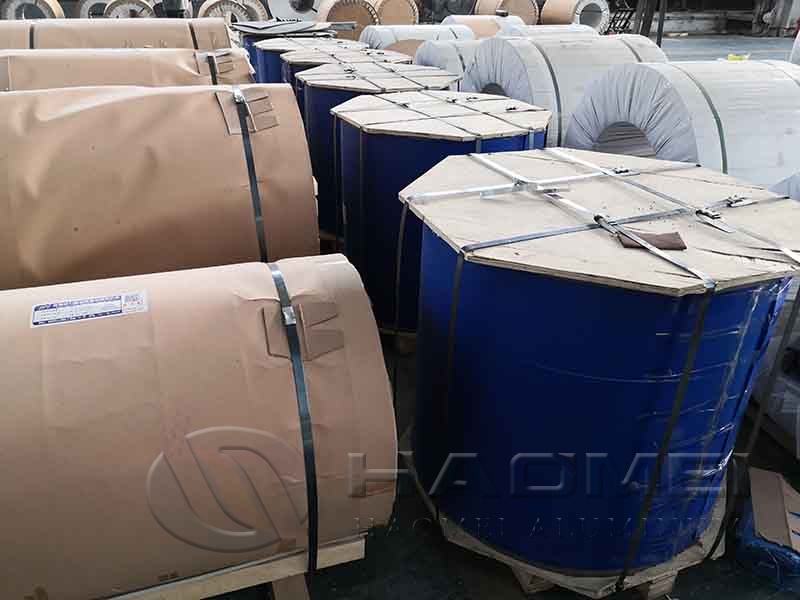
1100 aluminum alloy is a commercially pure aluminum grade used when formability, corrosion resistance, thermal transfer, and clean surface appearance matter more than high mechanical strength. For industrial purchasing teams ordering slit stock, wide coils, blanks, fins, cookware material, reflectors, nameplates, or chemical equipment parts, the largest sourcing risk is usually not chemistry. It is temper selection.

A wrong temper can cause cracking during deep drawing, poor dent resistance after assembly, or unstable flatness after slitting. The following checks help specify 1100 coil clearly and reduce disputes at receiving inspection.

Standards and material identity

1100 is a non-heat-treatable aluminum alloy strengthened mainly by cold working. It is not equivalent to 3003 or 5052; it has much higher purity but lower strength.

ItemCommon referenceWhat to verify on the mill certificate
Chemical compositionAluminum Association registration, ASTM B209/B209M, EN 573-3Al minimum 99.00%; Cu generally 0.05-0.20%; controlled Si + Fe and trace elements
Mechanical propertiesASTM B209/B209M, EN 485-2Temper, tensile strength, yield strength, elongation, test direction
Dimensional toleranceASTM B209/B209M, EN 485-4Thickness, width, camber, edge condition, burr level
Tensile testingASTM E8/E8M or ISO 6892-1Specimen type, gauge length, result per coil or heat lot
Bend testingASTM E290, ISO 7438Bend radius, crack acceptance, test direction

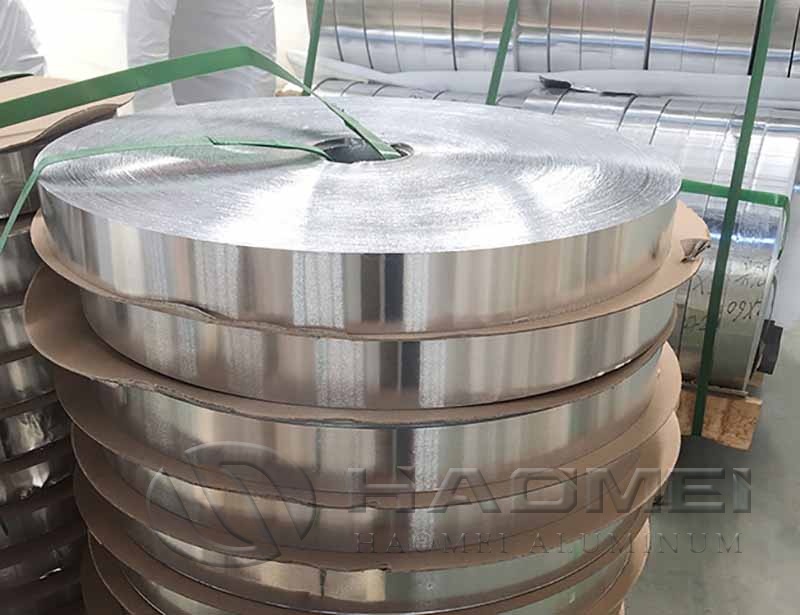
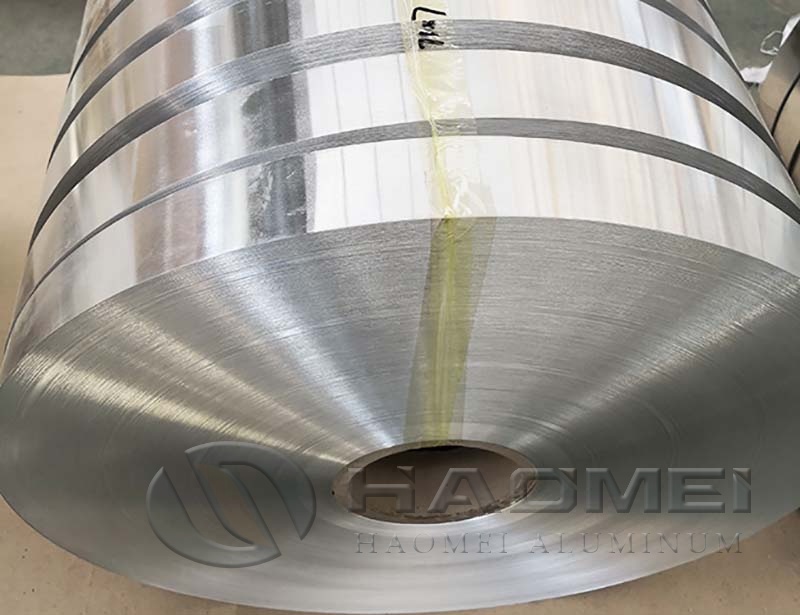
For products supplied as Aluminum Coil, the purchase order should state the alloy, temper, thickness, width, coil ID, maximum OD, unit weight range, edge type, surface requirement, and applicable standard. Do not rely on alloy name alone.

Properties that affect processing

Typical physical data for 1100 aluminum are well established in aluminum handbooks and mill datasheets. Values can vary slightly with temper and measurement method.

PropertyTypical valuePractical meaning
DensityAbout 2.71 g/cm3Useful for coil weight calculation
Aluminum contentMinimum 99.00%Good corrosion resistance and workability
Electrical conductivityAbout 59% IACS, depending on temperSuitable for conductive parts when ultra-high conductivity is not required
Thermal conductivityAbout 220 W/m·KUseful for heat transfer panels, fins, and cookware
Heat treatment responseNot heat treatableStrength changes mainly through cold work, not aging
WeldabilityGood with common aluminum welding methodsSurface cleanliness still controls weld quality

Approximate mechanical ranges often seen for 1100 flat-rolled products are shown below. Always use the contracted standard and thickness range for acceptance.

TemperTypical tensile strengthTypical yield strengthForming behaviorCommon use
O75-110 MPa25-35 MPaBest deep drawing and spinningCookware, reflectors, complex formed parts
H1295-130 MPaAround 75 MPaModerate formabilityLight forming, panels
H14110-145 MPaAround 95 MPaBalanced forming and stiffnessNameplates, general fabrication
H18150 MPa or higherHigh for 1100Limited formingFlat parts needing higher hardness

IMG_4617.jpg

Temper selection: solve the main purchasing problem

If the part is drawn, spun, embossed, or folded tightly, start from O temper. If the part must remain flatter and resist handling dents, evaluate H14. If the product will only be cut and assembled with minimal forming, H18 may be considered, but cracking risk increases sharply.

Use this decision table before placing an order.

Application needRecommended starting temperRisk if temper is too hardRisk if temper is too soft
Deep drawing, spinning, cookwareOEdge cracking, orange peel after formingLow stiffness after forming
Sign blanks, nameplates, light stampingH14Cracking at sharp cornersDenting, poor handling resistance
Heat exchanger finsO or H14, depending on fin designFin tearing during corrugationFin collapse during assembly
Decorative anodized partsO or H14 with agreed surface classCracks visible after anodizingHandling marks before anodizing
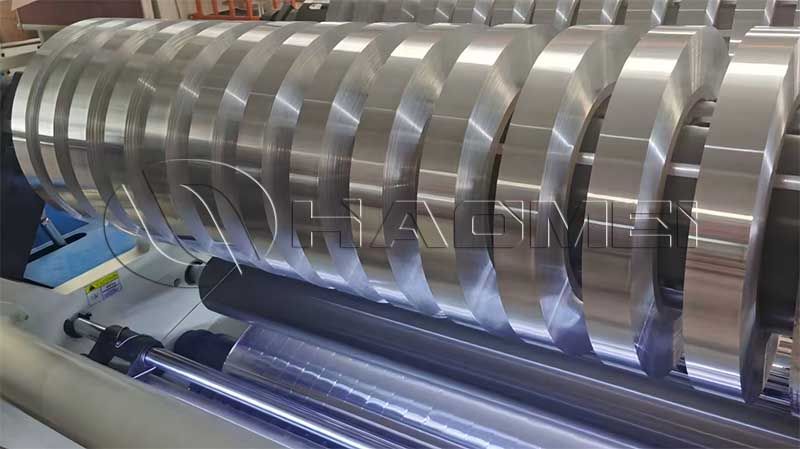
Slit narrow stockH14 commonly usedBurr sensitivity and coil setTelescoping, edge wave risk

For comparison projects, 1050 and 1060 offer higher aluminum purity than 1100, while 3003 provides higher strength through manganese addition. When the specification allows substitution, compare forming trials, conductivity requirements, and corrosion environment rather than selecting only by price. The O H14 H24 1060 Aluminum Coil option is often reviewed when higher purity and similar workability are required.

Quality checks before shipment and after receiving

A strong order specification should be measurable. Use the following inspection checklist.

CheckpointMethodAcceptance focus
Mill test certificateReview heat number and coil numberAlloy 1100, temper, standard, chemistry, mechanical values
ThicknessMicrometer or automatic gauge recordTolerance by standard and agreed commercial tolerance
WidthCaliper or steel tapeWidth tolerance after trimming or slitting
Edge qualityVisual and burr measurementNo heavy burr, cracks, serration, or edge collapse
SurfaceInspection under agreed lightingNo oil stain, corrosion, roll marks, black lines, pressure marks beyond agreement
Flatness and coil setSample uncoilingNo severe wave affecting downstream feeding
Mechanical testTensile and bend testStrength, elongation, and crack-free bending where required
PackagingPhoto record before loadingMoisture barrier, secure strapping, corner protection, label traceability

For bright surface or anodizing applications, request representative surface samples before mass production. For fin stock or high-speed stamping, ask for trial coil data including burr, camber, and lubricant compatibility.

Packaging, logistics, and price control

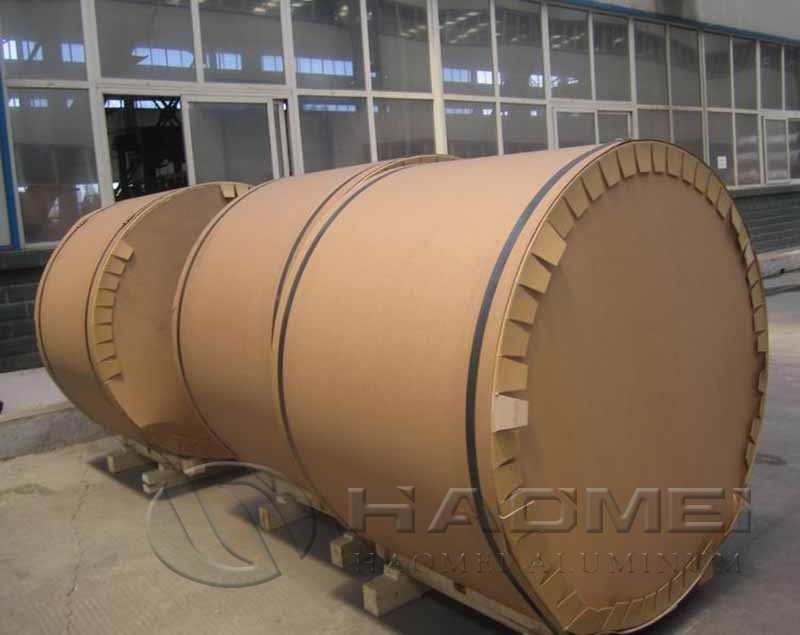
1100 is relatively soft, so packaging quality directly affects usable yield. Specify coil eye direction, inner diameter, outer diameter limit, wooden pallet type, moisture-proof paper or film, desiccant, edge protectors, and strapping method. For sea freight, export packaging should reduce condensation risk; white rust and water stains are not corrected by later polishing in many applications.

宽卷包装 (6).jpg

Price should be evaluated as a formula, not a single number. A transparent quotation normally includes aluminum base price, regional premium, conversion charge, slitting or coating charge if applicable, packaging, freight, payment terms, and exchange-rate rule. The aluminum base is commonly referenced to public market benchmarks such as LME aluminum settlement pricing, while premiums and conversion charges vary by region, gauge, width, surface class, and order schedule.

Use this RFQ format to reduce rework:

RFQ fieldRequired entry
Alloy and temper1100-O, 1100-H14, or other specified temper
StandardASTM B209/B209M, EN 485/573, or agreed national standard
SizeThickness x width, tolerance, coil ID, max OD, unit weight
SurfaceMill finish, bright finish, brushed, anodizing-ready, or coated requirement
EdgeMill edge, trimmed edge, slit edge, burr limit
TestingMTC, tensile test, bend test, conductivity test if needed
PackagingExport pallet, eye direction, moisture protection, label format
Commercial termsPricing formula, delivery term, shipment period, claim procedure

Before approving production, request one complete sample package: certificate template, label format, packaging photo, and a short strip sample for forming verification. This step is faster than resolving a full-container claim caused by temper mismatch, water staining, or undocumented tolerance assumptions.

Original source: https://www.hm-alu.com/a/1100-aluminum-coil.html

5754 Aluminum Sheet for Tank Truck

  Aluminum alloy tank trucks are widely used for fuel, chemical, food-grade liquid, and special-purpose transport because they help reduce v...