显示标签为“aluminum bottle cap material”的博文。显示所有博文

Aluminum ROPP Cap Material

 Aluminum ROPP cap material is rolled sheet or coil used to manufacture roll-on pilfer-proof closures for wine, spirits, edible oil, pharmaceutical, and beverage packaging. During cap production, the metal is blanked, drawn, skirted, decorated, fitted with a liner, and threaded onto the bottle during capping.

Priority feature: stable drawability. A low-cost coil that cracks, wrinkles, or produces inconsistent skirt geometry can create substantially higher cap-making losses than a higher-priced coil with controlled mechanical properties. For this reason, purchasing teams should approve material based on forming performance, not nominal thickness alone.
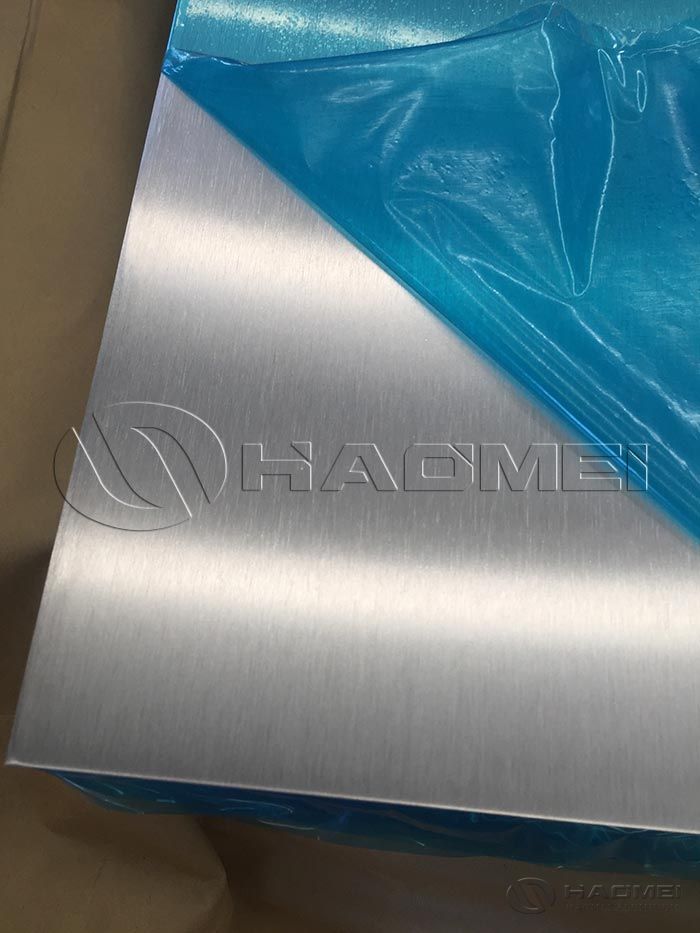
aluminum plain sheet

Specify the Closure Sheet for Repeatable Forming

ROPP closures commonly use 8011 aluminum alloy, with 3105 also used for selected closure designs. Alloy selection, temper, gauge, surface condition, and coil flatness must match the cap maker's tooling and draw depth.

A typical wine closure may use approximately 0.20 mm to 0.23 mm sheet, while some larger or more rigid spirit closures use thicker stock. These are market practices rather than universal specifications. Cap diameter, skirt length, embossing, threading, liner system, and forming sequence determine the final requirement.

Control ItemWhat to SpecifyWhy It Matters
Alloy8011 or approved alternative, with chemistry certificateChemistry affects strength, elongation, and forming consistency.
TemperCommonly H14 or H16, subject to cap-tool validationExcess hardness can cause cracks; excess softness can affect panel stability.
ThicknessNominal gauge and agreed toleranceGauge variation changes cap height, draw behavior, and material yield.
Width and edgeSlit width, burr limit, edge qualityPoor edges can create feeding problems and blanking defects.
SurfaceMill finish, pretreated, painted, or printedSurface quality affects coating adhesion and decoration appearance.
Coil geometryInside diameter, outside diameter, coil weight, telescoping limitGeometry must suit the press, feeder, and handling equipment.

Do not rely only on a mill certificate. Request a production trial using the actual cap geometry, including blanking, deep drawing, threading, and torque application. Review scrap rate, earing, skirt cracking, coating damage, and final closure torque retention.

For uncoated starting stock, Plain Aluminum should be checked for rolling marks, oil staining, dents, edge wave, and coil-set issues before it enters a coating or printing line.

Practical Formability Approval Checklist

  • Confirm tensile strength and elongation test methods and sampling frequency.

  • Compare actual coil results against the approved trial coil, not a broad generic range.

  • Define allowable earing and cup-wall variation through a cap-making trial.

  • Inspect both coil heads and the middle of the coil for gauge and surface consistency.

  • Retain reference samples for appearance and drawability dispute resolution.

  • Require traceability from finished coil to cast, rolling campaign, coating batch, and shipment documents.

Select Coating and Printing Systems for Product Contact and Appearance

ROPP stock is supplied as plain, color-coated, varnished, or printed sheet and coil. The coating system may include pretreatment, base coat, color coat, overprint varnish, and internal lacquer. External decoration must resist abrasion during filling, capping, handling, and transport. Internal coatings must be assessed for the intended product-contact conditions.
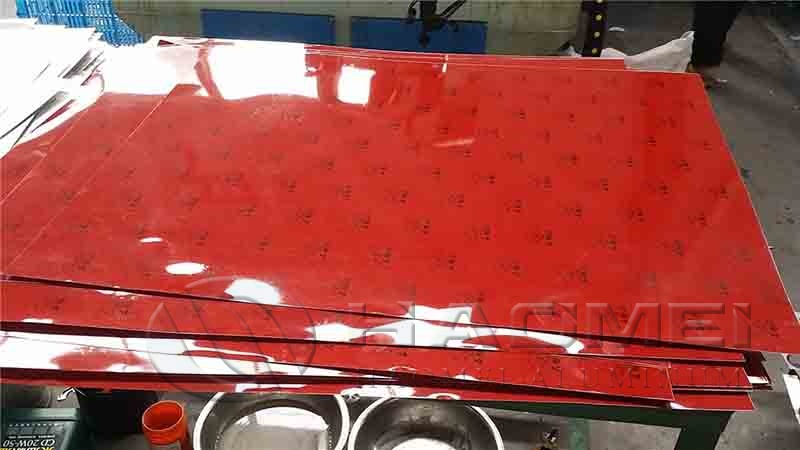
printed aluminum closure sheet

Material FormatSuitable UseMain Risk to Control
Plain mill-finish sheetIn-house coating or specialized conversionSurface contamination and inconsistent pretreatment response
Pre-painted coilStandard color closures and shorter decoration lead timesColor variation between production campaigns
Printed sheet or coilBrand-heavy wine, spirits, and promotional closuresRegistration error, ink adhesion, scuffing, and color mismatch
Lacquered internal surfaceProducts requiring corrosion protectionProduct compatibility and coating integrity after forming

For food and beverage closures sold into the United States, coatings used in food-contact applications may need to comply with applicable U.S. Food and Drug Administration requirements, including 21 CFR 175.300 for certain resinous and polymeric coatings. In the European Union, food-contact materials are governed by Regulation (EC) No 1935/2004, while Regulation (EC) No 2023/2006 establishes good manufacturing practice requirements.

These regulations do not make every coating automatically suitable for every filling product. Acidic beverages, high-alcohol spirits, edible oils, and products with long shelf life can require different corrosion and migration assessments. Obtain a declaration of compliance for the finished coated or printed closure material, plus information on intended use, contact temperature, storage time, and product type.

For decoration approval, use a controlled master standard. Confirm color under an agreed illuminant, typically D65 where relevant, and define acceptable delta E measurement conditions, gloss range, print registration tolerance, and rub-resistance test method. Visual approval without measurable criteria often causes avoidable disputes.

Manage Cost, Supply Chain, and Market Cycles

Closure-sheet pricing is usually built from four elements: aluminum metal value, regional premium, rolling conversion, and value-added coating or printing. Freight, duties, packing, insurance, and payment terms can materially change the delivered cost.

Cost DriverTypical Effect on Delivered CostPurchasing Control
LME aluminum priceHigh and volatileSet a transparent indexation formula and price-fixing window.
Regional premiumCan change with regional supply and logisticsIdentify the premium basis and location in the contract.
Rolling conversionDepends on gauge, width, quality controls, and order patternCompare conversion separately from metal value.
Coating and printingHigher for multi-color, specialty varnish, and tight color controlApprove artwork, color standard, and yield assumptions early.
Freight and packagingSignificant for cross-border shipmentsSpecify seaworthy packing, pallet pattern, and moisture protection.

The International Aluminium Institute reported global primary aluminum production of about 72.3 million tonnes in 2024. Primary aluminum availability therefore differs from closure-sheet availability: ROPP stock requires suitable alloy, rolling capacity, surface quality, coating capability, and qualified logistics.

Market cycles can tighten conversion capacity even when aluminum metal is available. Watch rolling mill maintenance schedules, regional energy costs, trade measures, port congestion, and changes in beverage or spirits demand. Aluminum's recyclability can support lower-carbon sourcing strategies, but recycled-content claims should be supported by a documented calculation method and defined system boundary.

Release Checklist for Each Shipment

  1. Match alloy, temper, thickness, width, and coil geometry against the purchase specification.

  2. Review mill test certificate values against approved mechanical-property limits.

  3. Verify coating batch, color standard, print artwork revision, and internal-lacquer identification.

  4. Inspect packaging for water ingress, crushed coil edges, telescoping, and pallet damage.

  5. Confirm food-contact declarations and test evidence for the destination market and filling product.

  6. Keep retained samples and traceability records until the packaged product has passed its agreed shelf-life review.

Original Source: https://www.alclosuresheet.com/a/aluminum-ropp-cap-material.html
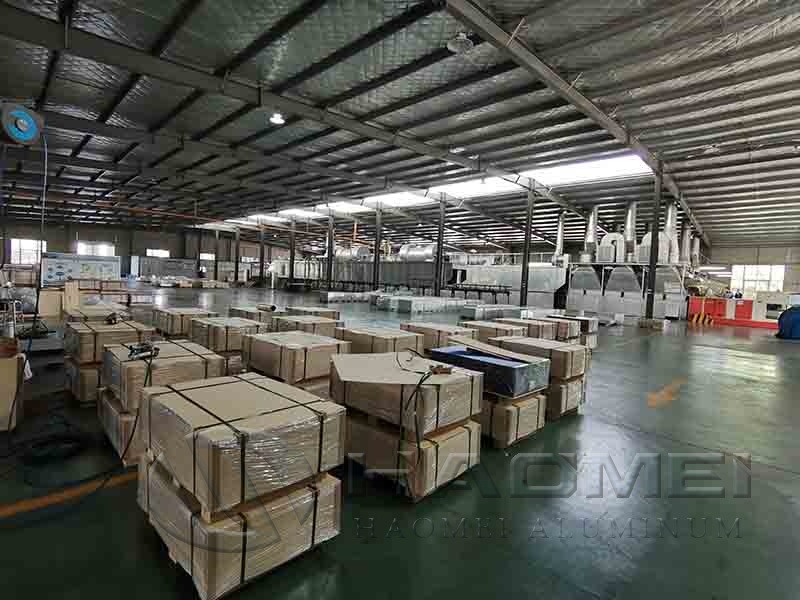
Aluminum Bottle Cap Material

 Bottle cap manufacturing depends on consistent forming behavior, stable coatings, and reliable supply. For high speed closure lines, the right sheet or coil choice reduces scrap, improves decoration yield, and helps your caps seal consistently across different beverages and fill conditions. This page introduces common options for cap makers using plain, painted, or printed aluminum, with practical selection points for alloy, temper, surface treatment, and quality control.

aluminum closure sheet stock

Product forms and where they fit in cap production

We supply cap makers with sheet and coil designed for stamping, drawing, and knurling operations used in pilfer proof caps, ROPP closures, beverage caps, and other aluminum closures. Material can be delivered in coil for press feeding or in cut to size sheets for flexible lot production.

  • Plain stock: Used when decoration is done later in house or when an uncoated inner surface is required for a specific liner system.

  • Painted stock: Used when you need stable color, corrosion resistance, and controlled friction for forming. Painted coil also supports high line productivity because coating uniformity helps reduce scuffing.

  • Printed stock: Used when brand graphics are applied before forming. A good print system needs strong ink adhesion and abrasion resistance to withstand cap forming and handling.

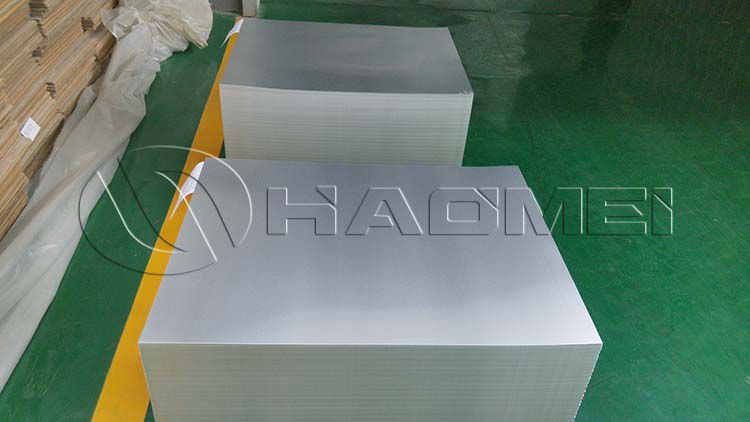
For applications requiring uncoated supply, we can provide Plain Aluminum in sheet or coil with controlled gauge, flatness, and surface quality suitable for closure conversion.

painted aluminum sheet

Typical specifications cap makers request

Selection should be driven by your cap design, tooling, press speed, and decoration process. The combinations below reflect widely used industry practices for closure stock. Final suitability depends on your forming trials and your local regulatory requirements for food contact coatings.

Common alloy and temper choices

Aluminum closure stock frequently uses 8xxx and 3xxx series alloys because they balance formability with strength. Temper is chosen to match how much deformation occurs during forming and to help control knurl definition and thread performance.

ItemTypical choice for closuresWhy it is usedNotes for production
Alloy family3xxx series (e.g., Al Mn)Good formability, stable mechanical propertiesConfirm your target yield strength and elongation with your tooling
Temper rangeH14 or similarSupports stamping and forming without excessive earingOptimize for your cap height, skirt design, and pilfer band
Gauge rangeBased on cap designAffects stiffness, torque retention, and forming stabilityTighter gauge tolerance helps reduce line adjustment
Surface finishSmooth, controlled roughnessAffects paint adhesion, ink anchorage, and frictionToo smooth can risk coating adhesion; too rough can print poorly

Coatings and decoration systems

Paint and print performance are often tied to coating chemistry, curing, and the forming severity at the skirt and knurl. Many cap lines use a base coat plus a top coat, and printed designs are protected by a clear over varnish when needed.

Surface optionTypical structureBenefits for cap makersKey checks
Painted (single or double side)Primer plus top coatConsistent color, corrosion resistance, controlled frictionCoating thickness uniformity, gloss, color delta, abrasion
PrintedBase coat plus inks, optional over varnishBrand graphics applied before formingInk adhesion, rub resistance, registration stability
Food contact interior coatingFunctional lacquer systemHelps resist product attack and protects appearanceVerify compliance to your market regulations and product type

printed aluminum

How to choose between plain, painted, and printed supply

Your best option depends on where decoration happens in your process and how sensitive your caps are to surface friction and scuffing.

  • If you print after forming. Plain or painted aluminum stock may be preferred, depending on whether you need a colored base or corrosion protection before printing.

  • If you print before forming. Printed coil can reduce steps in your cap plant, but it requires carefully matched ink, coating hardness, and forming parameters to avoid cracking at high deformation zones.

  • If you need maximum flexibility across brands. Painted supply with a standard base color can support multiple product lines, while final branding is handled through secondary decoration.

When evaluating coated stock, focus on how the surface behaves under your actual press conditions. Coatings that look good on flat sheet can fail if friction is too high, cure is off, or the coating is too brittle at the pilfer band and knurl.

Quality controls that matter for high speed closure lines

Cap makers often measure incoming material beyond basic chemical composition.

Control pointWhat it preventsWhy it matters on the line
Gauge and width toleranceInconsistent cap height, weight variationReduces press setup time and scrap
Flatness and camberFeeding issues, die marksStable feeding improves OEE
Surface cleanlinessPaint defects, fisheyes, ink voidsImproves decoration yield
Coating cure and adhesionFlaking, cracking during formingProtects appearance and reduces rejects
Lubricity and friction stabilityScuffing, scratchesConsistent forming and stacking behavior

Packaging and supply considerations for bulk orders

For bulk procurement, stable logistics can be as important as material selection.

  • Coil ID and OD: Matched to your decoiler and press feeding system.

  • Edge condition: Clean edges reduce handling risk and prevent coil breaks.

  • Protective film and interleaf: Helpful for high gloss finishes and printed surfaces.

  • Traceability: Heat, coil, and lot marking supports root cause analysis and ongoing process improvement.

If you already run a qualified alloy and temper, the fastest way to validate a new supply is to align on your key forming metrics, decoration requirements, and inspection plan, then confirm with a short trial coil or pilot sheets before scaling to full volume.

Original source: https://www.alclosuresheet.com/a/aluminum-bottle-cap-material.html

Color Printed Alumimum Closure Sheet for Bottle Caps

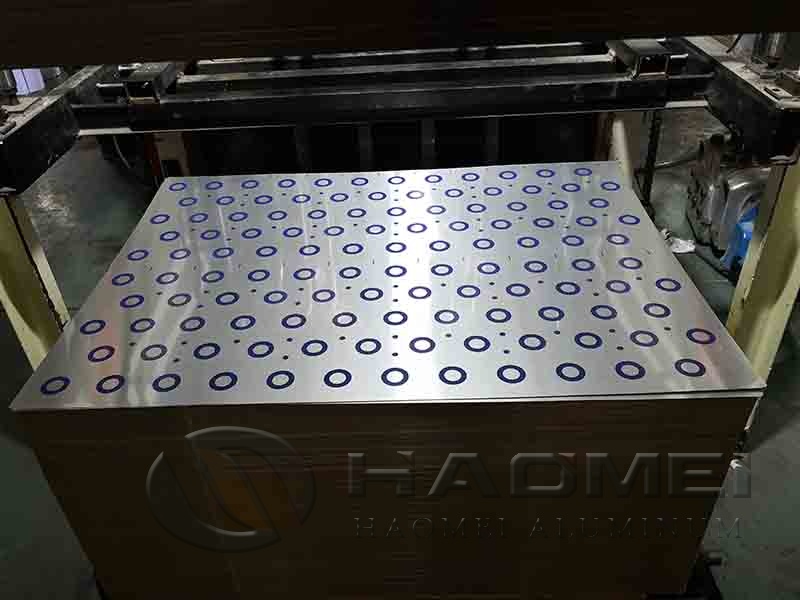
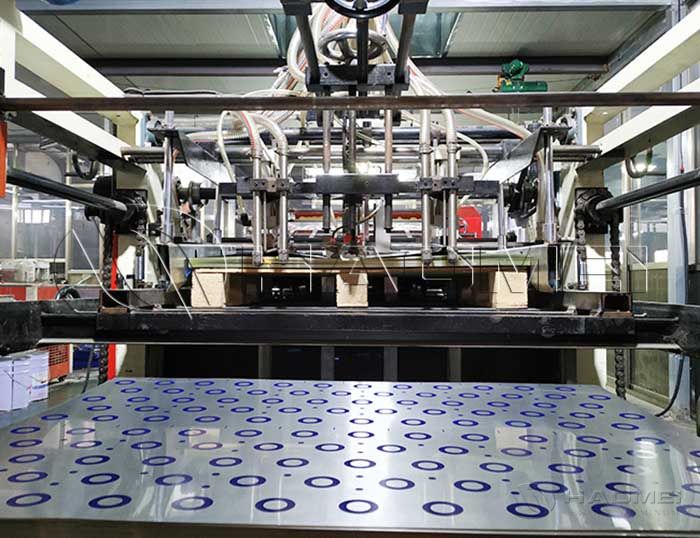
This is our color printed aluminum sheet production line. Different colors and patterns are customized according to your need. The coatings are of food grade and BPA free. More importantly, they are resist to high temperature steaming. Welcome to send inquiry to dolly@alumhm.com or learn more details at https://www.alclosuresheet.com/bottle-cap-material

Aluminum Closure Sheet for Bottle Cap Cut to Size

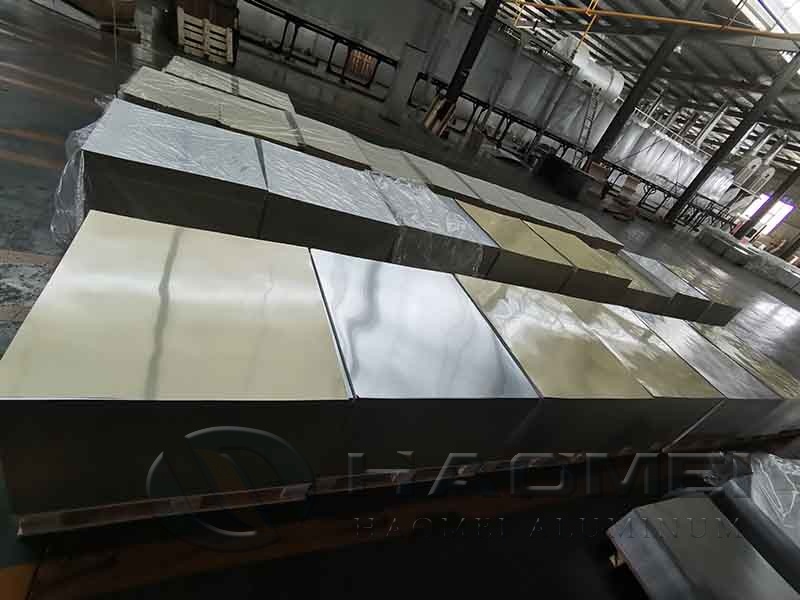
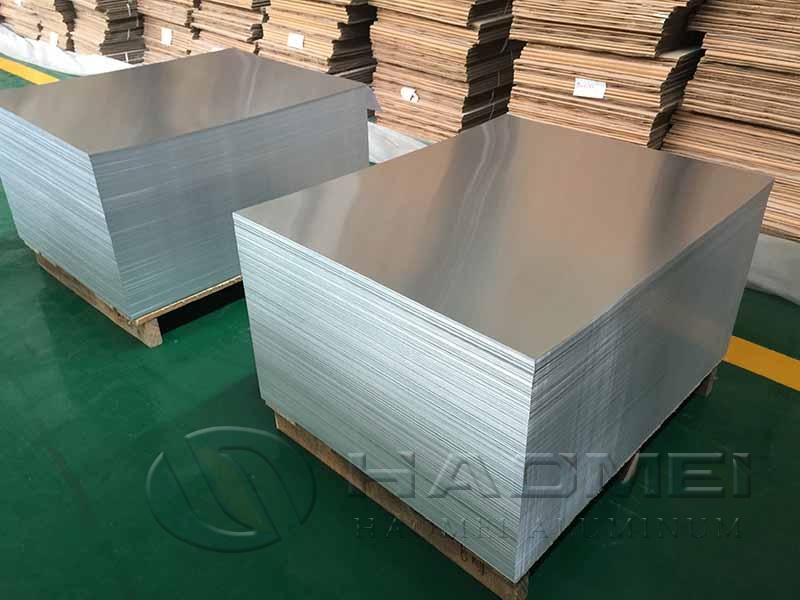
With quality raw material and mature production technology, we can produce plain aluminum, painted and printed aluminum shee for making bottle caps. The coating is of food grade, good adhesion and steaming resistance. As for sizes, we support customization. Welcome to send inquiry directly to dolly@alumhm.com or learn more at https://www.alclosuresheet.com/bottle-cap-material.

Bottle Cap Material: Adhesive Lacquer and Color Coated Aluminum Sheet

 Aluminum bottle cap is widely used for food, beverage, medical bottle packaging. The color coated aluminum sheet is a commonly used aluminum bottle cap material. Its coating must meet food grade.

color coated aluminum sheet .jpg

There is no exact definition of what a material is "food safe". However, some requirements must be met in any case. These include, for example, the food compliance requirements of the US Food and Drug Administration (FDA), the Federal Office for Risk Assessment, and the requirements of EU Regulation No. 10.2011. In principle, a material is considered food safe if it can come into direct contact with food without posing any health risk. This means:

1. It does not release any taste or odor to food.

2. Consuming food after contact with the material will not endanger human health.

3. The material does not release or releases very little free components into food

Haomei Aluminum pre pained aluminum sheet chooses food grade epoxy resin. Food-grade epoxy special coatings are composed of epoxy resin, polyamide resin, non-toxic pigments, additives and solvents.

It features excellent water resistance, salt water resistance, oil resistance and chemical resistance. The paint film is tough, with excellent adhesion, impact resistance and other physical properties. After the coating is completely cured, it is non-toxic and tasteless.

How to paint the aluminum sheet with this coating

1. Use appropriate detergent to remove surface grease, and use fresh water to rinse surface salt and other dirt. The metal surface to be coated must be completely free of oxide scale, rust, old coating, etc.

2. Shot blasting or sand blasting can be adopted to reach the Swedish rust removal standard sa2.5 level, with a roughness of 30-70μm; manual rust removal can also be adopted to reach the Swedish rust removal standard ST3 level, with a roughness of 30-70μm.

3. Spray within 4 hours after surface treatment is completed to avoid other quality problems.

What is adhesive lacquer

The adhesive lacquer is a food-grade adhesive designed specifically for screw bottle caps. It has good adhesion to paste PVC, and excellent anti-corrosion performance and surface strength. It is used with FC3100-0 / FC3100-2 adhesive primer.

It is suitable for high-temperature sterilization and corrosion resistance requirements of conventional content products. For some products with relatively high corrosive contents, it is best to conduct necessary tests based on actual conditions to determine whether the actual requirements of specific products can be met.

Haomei Alumium has different aluminum bottle cap materials like pre cut aluminum foil and the related additional products. Welcome to inquire what you need from us.


Tags: aluminum bottle cap material  | 

Original Source: https://www.alclosuresheet.com/a/bottle-cap-material-adhesive-lacquer-and-color-coated-aluminum-sheet.html

Sample Room of Bottle Clousres Made of Painted &Printed Aluminum

This is our sample room of various bottle caps like wine, beverage and cosmetic caps and peel off end. They are made of our plain, painted and printed aluminum sheet. The common alloys are 8011,3105,5052,5182,1060.etc. Welcome to send inquiry to dolly@alumhm.com or learn more at website: https://www.alclosuresheet.com/

What Are Main Types of Beverage Packaging

 At present, the beverage packaging in my country is divided into PET bottles, metal cans, paper-plastic composite packaging, glass bottles and other packaging forms according to the materials used.

The proportion of various packaging forms is approximately: glass bottles account for about 30%, polyester bottles account for 30%, two-piece aluminum cans account for nearly 20%, three-piece cans and paper-plastic composite materials account for about 10%. Aluminum alloy sheets for closures can be used for different bottle packaging.

5182 alloy aluminum sheet for closure.jpg

Metal can packaging

Metal cans are still the most widely used beverage packaging containers in the market. Metal cans for beverage packaging are divided into two-piece cans and three-piece cans. Two-piece cans are mainly made of aluminum alloy plates and are mostly used for the packaging of carbonated beverages; while three-piece cans are mainly made of tinned thin steel plates (tinplate) and are mostly used for the packaging of beverages without carbon dioxide. 5182 alloy is usually use for the pull ring.

Metal cans have the following advantages as beverage packaging:

1. They have excellent barrier properties. They can not only block gas, but also light, which can make beverages have a longer shelf life.

2. They have excellent mechanical properties, mainly in terms of high temperature resistance, humidity resistance, pressure resistance, insect resistance, and resistance to erosion by harmful substances.

3. They are not easy to break, easy to carry, and adapt to the fast-paced life of modern society.

4. Their good surface decoration can stimulate consumption and promote sales.

5. They can be recycled and reused.

Glass packaging

Glass is a packaging material with a long history, and glass bottles are also traditional beverage packaging containers in my country. With a variety of packaging materials pouring into the market, glass containers still occupy an important position in beverage packaging because they have packaging characteristics that cannot be replaced by other packaging materials, but the amount of use has begun to decrease significantly.

The main features of glass packaging containers are: non-toxic, odorless, transparent, beautiful, good barrier properties, airtight, rich raw materials, low price, and can be used repeatedly. It is also heat-resistant, pressure-resistant, and washable. It can be sterilized at high temperatures and stored at low temperatures. It is precisely because of its many advantages that it has become the preferred material for many beverages that require high packaging containers, such as fruit tea and jujube juice. The color coated aluminum sheet can be used to make glass bottle caps.

Paper container packaging

Paper containers are mostly used for the packaging of fruits and vegetables, dairy products and refreshing drinks. According to their materials and shapes, they can be divided into base paper, brick-shaped composite paper boxes, paper cups, combination cans, etc. Compared with other containers, the advantages of paper containers are: low cost, light weight, convenient for logistics, no metal dissolution and can odor.

Original Source: https://www.alclosuresheet.com/a/what-are-main-types-of-beverage-packaging.html

How Is Color Printed Aluminum for Bottle Cap Produced

Aluminum bottle cap material has good sealing performance, beautiful appearance and high recycling vales, so it is widly used in beverage, wine, cosmetics and pharmaceutical bottles. Haomei Aluminum provides rich types of aluminum foil sheet for closure like plain aluminum, color coated aluminum and color printed aluminum. Welcome to learn more at https://www.alclosuresheet.com/bottle-cap-material or send inquiry to dolly@alumhm.com

Aluminum Foil for Bottle Cap Packaging

 In the bottle cap packaging field, there are three main forms of aluminum foils: bottle cap, cup/bottle sealer and easy-tear lid. Aluminum bottle caps are used in the beverage industry due to their recycling advantages and ease of disposal. In addition, aluminum closures extend the shelf life of the product. Various types of aluminum caps are used in beverage packaging, such as crown caps, aluminum ROPP caps, high aluminum caps, pp caps.

In order to ensure that the bottle cap is easy to print after it is formed, the aluminum foil tor bottle cap is required to be flat and free of rolling marks, scratches and stains. Generally used large aluminum foil sheets include 1060, 8011 and 3003. Their thickness is 0.15- 0.5 mm and the width is 449-796 mm.

cup sealer aluminium foil.jpg

1060 alloy is processed by a cap making method that combines aluminum and plastic. Since the aluminum-plastic combination will come into contact with the liquid in the bottle, most of it is used in the cosmetics industry, and some is also used in the pharmaceutical industry. The thickness is generally 0.17mm-0.5 mm.

The aluminum bottle cap material is mainly the 8011 aluminum sheet among the 8 series aluminum sheets. The main alloy elements of 8011 aluminum alloy are Fe and Si, and the rest are trace impurity elements. 8011 aluminum foil has good stamping effect and low ear making rate. It is an ideal choice for making PP/ROPP caps.

The cup sealer aluminium foil can bring good visual effects. It reflects the individual value of the product and also ensures the reliability of the product. However, aluminum foil packaging not only has a decorative effect, it also ensures anti-counterfeiting performance, provides anti-counterfeiting labels, and improves consumers' credibility of goods. Aluminum foil has the physical properties of being easy to fold and stretch, so it can easily fit the contours of bottles and caps.

Aluminum foil easy-peel lids are packaging materials made of tinplate or aluminum covered with a layer of aluminum foil film. Compared with traditional metal lids, they are easier to open, safer and will not hurt your hands. Aluminum foil easy-tear lid is currently the food packaging material with the best barrier and moisture-proof properties in theory. It complies with the technical requirements of European national environmental protection standards to ensure environmental health and safety.

Haomei aluminum bottle cap material can be used to make various bottle caps, bottle sealer and easy-tear lid. Welcome to tell me what you need and we will send the best aluminum foil price to you.

Original Source: https://www.alclosuresheet.com/a/aluminum-foil-for-bottle-cap-packaging.html


How Is Aluminum Foil for Bottle Cap Produced

With several cutting line, coating line, printing line, slitting line, Haomei Aluminium has different types of aluminum bottle cap material, including color coated aluminum sheet, color printed aluminum sheet, Dos oil coated aluminium foil sheet,et. Welcome to send inquiry to dolly@alumhm.com or visit our website: https://www.alumfoils.com/application/aluminum-foil-for-bottle-cap.html

Color Coated Production Line for Aluminum Bottle Cap Material

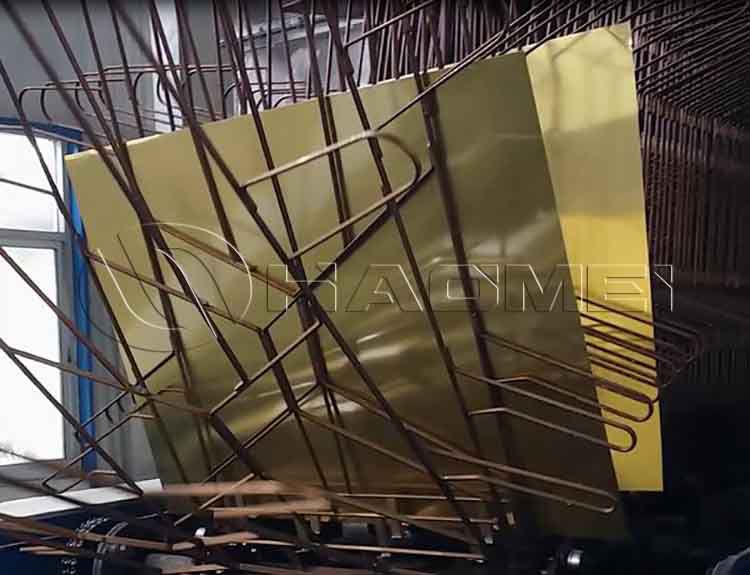
Haomei Aluminum offers plain/color coated/color printed aluminum sheet for bottle caps. This is our color coated aluminum sheet foil production line. The coated aluminum sheet can be for making caps of wine, beverage, beer, cosmetic, medicines. Welcome to send inquiry to dolly@alumhm.com or visit our website: https://www.alumhm.com/application/

Aluminum Cap Material: 3105 Aluminum Sheet

 The working environment of the wine industry is very strict, which requires structural materials to have certain tensile strength, yield strength, elongation, compression resistance, deep drawing and other properties. In addition, considering the structure and use environment of the wine industry, wine bottle materials are also required to have good food safety.

3105 aluminum sheet is a popular aluminum bottle cap material, especially for sparkling drinks. 3105 aluminum is a pure aluminum with a purity of 98%. It has excellent corrosion resistance, excellent plasticity and process performance, and excellent gas cutting and arc welding performance. The compressive strength of 3105 aluminum is slightly higher than that of 3003 aluminum, and other properties are similar to 3003 aluminum alloy.

3105 aluminum sheet .jpg

3105 aluminum has excellent anti-rust treatment performance, excellent electrical conductivity, and electrical conductivity can reach 41%. 3105 aluminum plate has high plasticity under quenching. Its common tempers are O, H12, H14, H16, H18, H19, H22, H24, H26, H28, H32, H34, H36 and H38. The thickness is 0.1-500mm, the total width is 100-2600mm, and the length is 500-16000mm.

3105 aluminum properties

3105 aluminum elongation: > 1%

Compressive strength: 110-145Mpa

Tensile strength: 45 HB

Relative density: 2.71 g/cm3

Melting point: 643-657 ° C

Thermal deformation: 23.1×10 -6 / K

Elastic mold: 69.5 gallons

Heat transfer coefficient: 160W/m

3105 chemical composition

Si: 0.6

Fe: 0.05-0.30

Cu: 0.05-0.30

Mn: 0.30-0.80

Mg: 0.20-0.80

Cr: 0.05-0.30

Zn: 0.0-0-4

Ti: 0.05-0.10

3105 aluminum properties:

1. Forming: 3105 aluminum plate has excellent forming characteristics. Bend radii proposed for H12, H14 and H16 quench hardening applications should be in the 1 to 2 t range. H18 quenching should apply a bend radius of 2 to 7 t.

2. Electric welding performance: 3105 aluminum plate has excellent electric welding performance. Electric arc welding can be carried out using the arc welding method.

3. Forging performance: 3105 aluminum sheet can be forged in the temperature range of 372 to 510 °C.

4. Quenching performance: 3105 aluminum sheet is quenched at a temperature of 344°C (650°F) and then is cooled in the air.

Haomei Aluminum has different forms of 3105 aluminum for sale. Welcome to leave message below to inquire what you need.

Original Source: 

Different Types of Aluminum Sheets for PP/ ROPP Caps

 There are different types of aluminum sheet/coils for making caps, including plain aluminum sheet/coil, color coated aluminum sheet, pre-printed aluminum sheet. The common alloys are 8011 and 3105. When the aluminum alloy caps is used for the carbonated beverage, 3105 aluminum sheet is the only choice.

The requirements of aluminum sheet for PP/ROPP Caps are very strict. The thickness tolerance is within ±0.01mm. Haomei Aluminum can keep it within ±0.005mm. The width tolerance is within 0.5mm. The length is ±0.5mm. The squareness is ≤0.5mm. Haomei Aluminum can make it less than 0.3mm according to the customers' requirements.

preprinted aluminum sheet for caps.jpg

The general manufacturing process of 8011 aluminum foil includes cold rolling, foil rolling,annealing, finished foil rolling, straightening, painting, drying,etc. For different applications, the specific processing requirements are slightly different. For example, since the stretching requirement of wine cap is higher than that of medicine cap, there is a difference in annealing.

Haomei Aluminum also has strict inspection process and inspection equipment, such as W/L inspection and diagonal inspection. To facilitate your further processing, we can also provide you adhensive lacqure and granule gasket.

Haomei Aluminum is a professional aluminum bottle cap material manufacturer, offering 8011 aluminum foil and 3105 aluminum alloy sheet for closure. Different surface processing craft such as coated or printed are all available. Welcome to leave message below to inquire what you need.

Aluminum Circle, Strip, and Foil: Which Alloy Is Right for Your Application?

  Aluminum Circles for Cookware: 1050 vs. 1060 vs. 3003 Alloy In the cookware manufacturing industry, aluminum discs have become an ideal ma...