显示标签为“aluminum strip for transformer”的博文。显示所有博文

Aluminum Strip for Dry-Type Transformers

 In power transmission and distribution, renewable energy supply, and industrial power distribution systems, dry-type transformers are increasingly replacing traditional oil-immersed transformers. Their core advantages—being oil-free, fire- and explosion-resistant, easy to maintain, and suitable for indoor environments—have made them essential power infrastructure components across various applications.

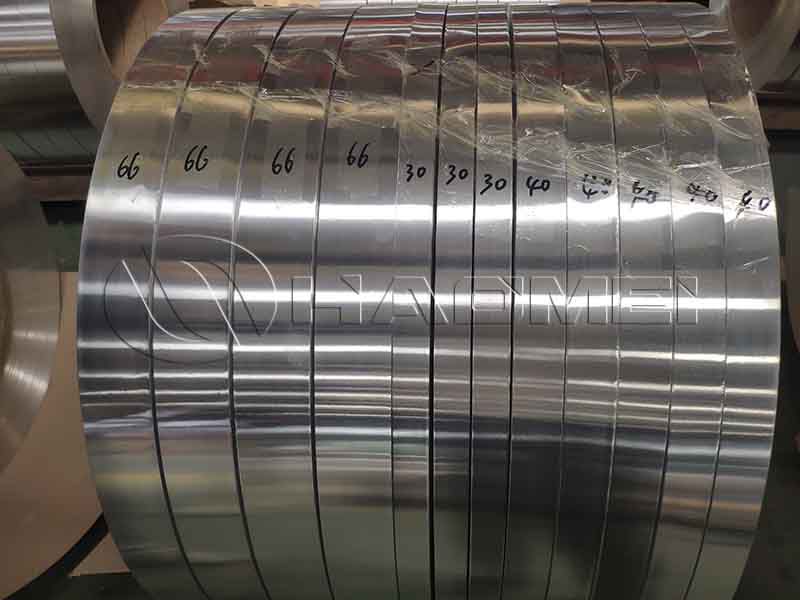
The soft aluminum strip for transformer is a specialized core material used to wind transformer coils, primarily for epoxy resin-cast dry-type transformers. It is compatible with the vast majority of mainstream models on the market, covering the full spectrum of high- and low-voltage specifications. Compared to oil-immersed transformers, dry-type transformers impose stricter requirements on the flexibility, electrical conductivity, and surface flatness of aluminum strips to accommodate the sealed casting and curing manufacturing processes.
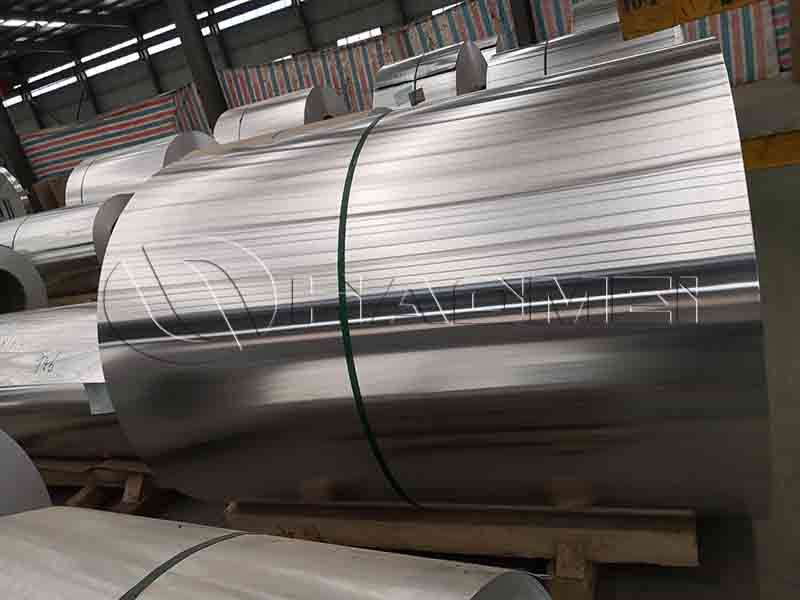
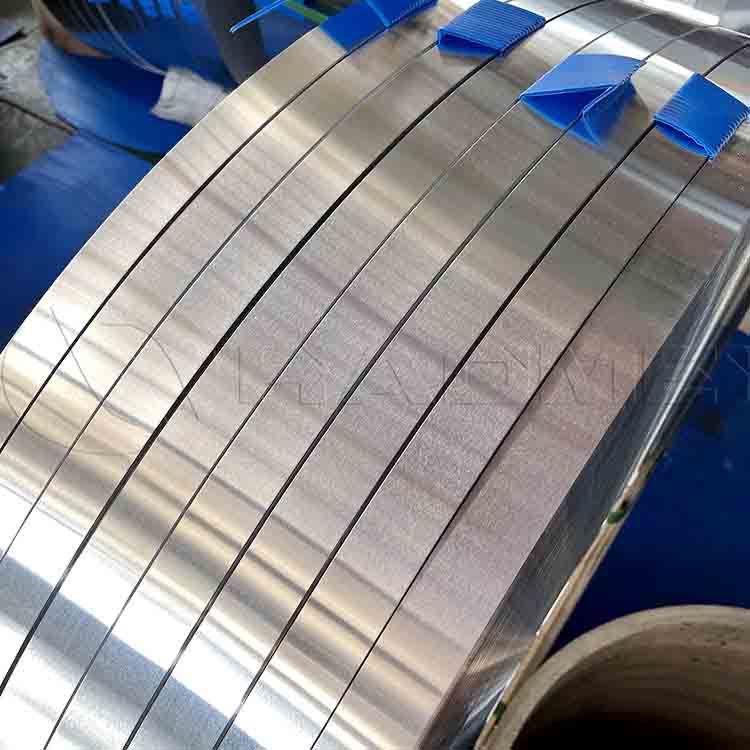
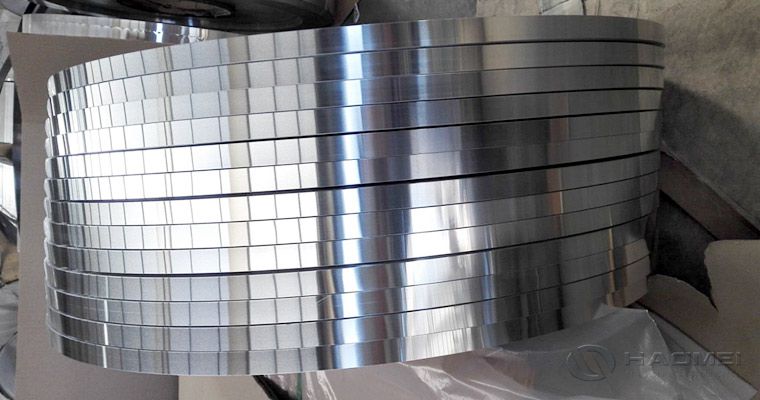
soft aluminum strip for transformer .jpg

I. Key Application Scenarios for Dry-Type Transformer Aluminum Strips

Market demand for dry-type transformer aluminum strips is concentrated in four key sectors: commercial buildings, solar power plants, data centers, and industrial facilities. Performance requirements for the strips vary significantly across these scenarios.

1. Commercial Buildings

Commercial buildings—such as shopping malls, office towers, and urban complexes—feature high population density and demand strict fire safety and maintenance-free operation, making them prime markets for dry-type transformers. With stable load profiles, these applications require aluminum strips that offer good flexibility, uniform conductivity, and oxidation resistance to ensure long-term, low-loss equipment operation.

2. Solar Power Plants

Photovoltaic power generation is characterized by intermittency and fluctuation, leading to frequent voltage and load surges. Specialized aluminum strips with high conductivity and fatigue resistance are required to enhance the transformer's overload and short-circuit resilience. This prevents winding degradation caused by frequent operational shocks and ensures stable power grid integration.

3. Data Centers

Data centers require uninterrupted 24/7 power supply, placing extreme demands on equipment reliability and energy efficiency. The use of high-precision, low-resistance, and low-loss aluminum strips effectively controls temperature rise, minimizes the risk of power supply failures, and ensures the stable operation of sensitive equipment.

4. Industrial Facility Scenarios

Industrial settings—such as chemical processing, metallurgy, and smart manufacturing—involve heavy loads, frequent mechanical shocks, and demanding operating conditions. High-quality aluminum strip with high strength, heat resistance, and corrosion resistance is essential. It ensures that transformer winding remain undeformed and cool during continuous, high-load operation, thereby extending the equipment's service life.

II. Mainstream Aluminum Alloys for Dry-Type Transformer Winding

Dry-type transformer winding utilize high-purity industrial aluminum strip (O-temper/soft annealed), offering a combination of high conductivity, ease of bending, and stable performance. The industry primarily employs four alloy grades—1050, 1060, 1070, and 1350—selected to suit specific operating conditions.

1. 1050 Aluminum Strip: Cost-Effective Choice

1050 EC grade aluminum strip (aluminum content ≥99.5%): Offers excellent cost-performance and formability. As a standard, general-purpose option, it is widely used in small-to-medium power transformers for commercial buildings and standard factory facilities, representing the highest market volume.

2. 1060 Aluminum Strip: Right for Most Conditions

1060 aluminum strip (aluminum content ≥99.6%): Features a balance of conductivity, strength, and corrosion resistance. With performance superior to the 1050 grade, it is suitable for most medium-to-high power commercial and industrial dry-type transformers and serves as a mainstream industry choice.

3. 1070 Aluminum Strip: High-Performance Option

1070 aluminum strip (aluminum content ≥99.7%): Characterized by high purity, low energy loss, excellent short-circuit resistance, low heat generation, and high stability. It is specifically designed for high-end, high-reliability power supply scenarios, such as data centers and photovoltaic power plants.

4. 1350 Aluminum Strip: High-Purity Option

1350 aluminum strip: A high-purity aluminum material dedicated to electrical applications. It offers top-tier conductivity and aging resistance with extremely low impurity levels, making it suitable for demanding, high-load conditions found in high-end precision transformers, high-power step-up transformers for new energy, and specialized industrial transformers.

Original source: https://www.alcustrip.com/a/aluminum-strip-for-dry-type-transformers.html
Is Aluminum Cheaper Than Copper in Transformers

 In transformer procurement and selection, the most frequently asked question is "Which is cheaper, aluminum or copper?", especially for budget-sensitive projects, as material selection directly impacts initial investment and long-term operation and maintenance costs. The answer is actually quite clear: in transformer manufacturing, the overall cost of aluminum is far lower than that of copper, but "cheaper" does not equal "more cost-effective." So how should one choose? Let's take a look.

aluminum strip for transformer.jpg

Aluminum is indeed cheaper than copper

From raw materials to finished products, aluminum's cost advantage in transformers is consistent throughout. First, let's look at the prices of basic raw materials. Referring to the latest quotes from the London Metal Exchange (LME), LME copper futures were approximately $13,245/ton, while LME aluminum futures were approximately $3,548/ton.

The price of aluminum is only about one-third of the price of copper. This significant price difference directly determines the difference in procurement costs between the two materials used in transformers.

Taking a 10kV/2500kVA oil-immersed transformer as an example, the purchase price of an all-aluminum model is approximately US$25,000-33,000, while an all-copper model costs US$39,000-53,000. The procurement cost of aluminum is 30%-50% lower than that of copper.

Besides raw materials, aluminum also has advantages in processing and transportation costs. Aluminum's density is only about 30% of copper's. For the same capacity, an all-aluminum transformer is lighter, reducing processing energy consumption and transportation and hoisting costs, making it particularly suitable for mountainous areas and high-altitude installations where transportation is difficult.

Furthermore, aluminum resources are far more abundant than copper, resulting in a more stable supply chain and significantly lower price fluctuations, making cost budgeting for aluminum transformers easier to control.

Performance Comparison

Behind the cost advantage, the performance differences between aluminum and copper are also significant. The core differences lie in conductivity, heat dissipation, mechanical strength, and service life, which are also key factors affecting long-term operating costs.

In terms of conductivity, copper has a resistivity of approximately 1.72 × 10⁻⁸ Ω·m, while aluminum has a resistivity of approximately 2.82 × 10⁻⁸ Ω·m, 1.6 times that of copper.

This means that to achieve the same current-carrying capacity as copper, the cross-sectional area of the aluminum conductor needs to be increased by about 1.6 times. This results in aluminum-wound transformers having larger coil volumes and core sizes, making them taller and slimmer overall, while copper-wound transformers are more compact.

Copper's advantages are even more pronounced in terms of losses and stability. Copper has better heat dissipation; under the same load, copper windings generate less heat, and both no-load and load losses are lower than aluminum windings, resulting in greater long-term electricity savings. For example, in a 10kV/1000kVA model, a 1% increase in copper winding efficiency can save approximately 5000 kWh of electricity annually.

Meanwhile, copper has higher mechanical strength, stronger creep resistance, and superior oxidation resistance compared to aluminum. Aluminum windings are prone to oxidation, forming an aluminum oxide film, which causes overheating at connection points, leading to a higher failure rate under prolonged high-temperature operation. Aluminum also has weaker short-circuit withstand capability than copper.

In terms of service life, copper-wound transformers can last 25-30 years, while all-aluminum-wound transformers only last 10-15 years, and with poor manufacturing processes, even less than 10 years. Furthermore, copper has a much higher recycling value than aluminum. A used copper-core transformer can be recycled for approximately $1400-$2100, while an aluminum-core transformer only fetches $830-$1110. From a full lifecycle perspective, copper's residual value advantage is significant.

It's important to note that compliantly manufactured aluminum transformers (such as the S20 model) can achieve the same national standard losses as copper transformers by increasing wire diameter and optimizing structure. This does not mean that "aluminum transformers necessarily consume more electricity," but rather that aluminum benefits from "design compensation," while copper benefits from a "natural advantage."

Cost-Effectiveness Game

The core of cost-effectiveness lies in the balance between input and return. The choice between aluminum and copper essentially boils down to a trade-off between short-term costs and long-term benefits, with completely different cost-effectiveness conclusions depending on the scenario.

For short-term use and extremely tight budgets, the aluminum transformer strip offers better cost-effectiveness. Examples include temporary power supply for construction sites, small base stations in remote areas, and low-end transformer substations in rural power grids. These scenarios have stable and relatively light loads, with no significant economic losses from power outages. Choosing aluminum transformers can significantly reduce upfront investment, and even with a shorter lifespan, it can meet short-term usage needs.

Based on a 15-year lifespan, the total life-cycle cost (purchase + maintenance + electricity) of an all-aluminum transformer is approximately $76,000-$104,000, seemingly lower than copper transformers. However, this is based on short-term use and low loads.

For long-term operation scenarios with high requirements for reliability and energy efficiency, copper offers superior cost-effectiveness. Examples include hospitals, data centers, large industrial parks, and residential communities. These scenarios require 24-hour continuous operation and have extremely high requirements for power supply stability. The advantages of copper transformers—low loss, low failure rate, and long lifespan—are fully demonstrated.

Although copper transformers have a higher initial purchase cost, their long-term operation and maintenance costs are lower—dry-type all-copper transformers are essentially maintenance-free, with annual maintenance costs of only $110-210, while aluminum transformers require annual maintenance costs of $550-970 and are subject to frequent repairs. It is estimated that if a company operates for more than 6,000 hours annually, the electricity and maintenance cost savings from copper transformers over 3-5 years can cover the initial purchase price difference.

Market Landscape

In the current transformer market, aluminum and copper strips are not competitors, but rather complement each other based on application scenarios, each occupying a different market share.

Aluminum transformers mainly occupy the low-to-mid-end market, especially in the 35kV and below distribution network sector, where their penetration rate is expected to reach 65%. They are mainly used in rural power grid upgrades, temporary distribution projects, and small factories with limited budgets, with the core requirement being "low cost and meeting basic power supply needs." With improvements in aluminum processing technology, the performance of compliant aluminum transformers is continuously optimized, making their dominant position in the low-end market difficult to shake.

Copper transformers, on the other hand, dominate the mid-to-high-end market, especially in high-voltage, high-capacity applications. For example, in scenarios such as photovoltaic/wind power booster stations, data centers, hospitals, and subways, where power supply reliability and energy efficiency are extremely demanding, copper transformers, with their low loss and high stability, are the preferred choice.

From a market trend perspective, with the advancement of "dual carbon" goals and the upgrading of energy efficiency standards, the market penetration of Level 1 energy efficiency transformers is accelerating. Copper transformers, with their low-loss advantage, will see continued growth in demand in mid-to-high-end scenarios. Aluminum transformers, on the other hand, will continue to focus on low-cost and temporary power supply scenarios, while simultaneously meeting basic energy efficiency requirements through process optimization, forming a stable pattern of "high-end copper dominating, low-end aluminum supplementing."

Original source: https://www.alcustrip.com/a/is-aluminum-cheaper-than-copper-in-transformers.html

Aluminum Strip for Transformer Winding

 Transformer aluminum strip is a commonly used conductive material in power transformers, which plays an important role in power transmission and distribution. In order to ensure that the transformer can operate normally and have good electrical conductivity, standards have been established for the thickness and width of the transformer aluminum strip.

aluminium strip 2mm.jpg

Thickness standard of transformer aluminum strip

The thickness standard of transformer aluminum strip plays an important role in ensuring the electrical conductivity and mechanical strength of the transformer. According to international standards, the thickness of transformer aluminum strips should meet the following requirements:

1. Standardized thickness: According to the power and current load of the transformer, as well as the requirements of the use environment, the thickness of the transformer aluminum strip should comply with the corresponding international standards. Normally, the thickness standards of transformer aluminum strips are generally 0.2mm, 0.3mm, 0.4mm, etc.

2. Thickness tolerance: In order to ensure the accuracy of the production and use of transformer aluminum strips, thickness tolerance is an important indicator. Generally speaking, international standards stipulate that the thickness tolerance of transformer aluminum strip is ±0.02mm to ensure its accuracy during production and use.

Width standard of aluminum strip for transformer

The width standard of the transformer aluminum strip is a key factor in ensuring the conductive performance and safe operation of the transformer. The following are key points regarding transformer aluminum strip width standards:

1. Standardized width: The width of the transformer aluminum strip should comply with the corresponding international standards. According to the power and current load of the transformer, as well as the design requirements, the width standards of transformer aluminum strips are generally 30mm, 50mm, 80mm, etc.

2. Width tolerance: In order to ensure the accuracy of production and use of transformer aluminum strips, width tolerance is an important consideration. Generally, international standards stipulate that the width tolerance of transformer aluminum strips is ±0.5mm to ensure accuracy during production and use.

The thickness and width standards of aluminum strips for transformer winding are formulated to ensure the normal operation and safe use of transformers. When selecting aluminum strips for transformers, we should choose a thickness and width that meet the standards based on actual needs. At the same time, during production and use, we should also strictly control the thickness and width tolerances of the transformer aluminum strip to ensure its accuracy and stability. Haomei Aluminum also provides aluminium foil for transformer winding.

During the production, use and maintenance of transformer aluminum strips, we also need to pay attention to the following points:

1. The thickness and width of the transformer aluminum strip should be checked regularly to ensure that it meets the standard requirements. If there is any abnormality, repair or replace it in time.

2. Pay attention to the storage and handling of transformer aluminum strips to avoid moisture and damage. During the transportation process, corresponding protective measures should be taken to ensure the integrity of the transformer aluminum strip.

3. It is necessary to strengthen the protection and maintenance of the transformer aluminum strip, regularly clean and apply protective coating to extend its service life.

In addition to the thin aluminum strips, we also have rich specifications of aluminium strips like aluminium strip 2mm. Welcome to leave message below to inquire what you need.

Original source: https://www.aluminumstrip24.com/news/aluminum-strip-for-transformer-winding.html

How Is Aluminum Strip for Transformer Produced

Due to good conductivity and formling performance, aluminum strip especially 1xxx aluminum strips like 1050, 1060, 1070 and 1100 aluminum strip are often used for the transformer winding. Haomei aluminum strip for transformer features no burrs and precise size. Welcome to send inquiry directly to dolly@alumhm.com or learn more at our website: https://www.alumhm.com/aluminum-strip/

Aluminum Flat Strip for Transformer in Mexico

 A transformer is a static motor used to transfer alternating current at a steady frequency from one circuit to another through the process of electromagnetic induction, but with voltage increased or decreased as required.

It is understood that each transformer includes different components such as iron core, winding, coil, insulating material, oil conservator, oil, vent hole, tap changer, Buchtz relay, cooling pipe and explosion-proof door, among which the transformer winding plays a critical role in operation.

Transformer winding materials are aluminum flat strip and copper, which are the most commonly used conductors in transformer windings. Copper has high mechanical strength and electrical conductivity, while aluminum is lighter and cheaper than copper. Typically, copper windings are used for large transformers, while aluminum conductors are used for small and medium-sized transformers.


Aluminum strip for transformer winding are the main choice for different transformers such as dry and low voltage in North America. Copper windings are the main winding material in most parts of the world, but the main reason for choosing this aluminum winding is its low initial cost.

Aluminum's maximum resistivity provides fewer eddy current losses within the winding, which reduces the likelihood of hot spots. Transformers with aluminum or copper windings have the same losses and performance. But aluminum wound coils are larger compared to copper coils. Haomei Aluminum provides aluminum strip for transformer winding.

Alloy

Thickness(mm)

Width(mm)

I.D of Coil(mm)

O.D. of Coil(mm)

1050/1060/

1070/1350

0.1-3.0

30-1600

76/152/305

/405/505

Max. 1000

Mechanical properties

Alloy&temper

Thickness (mm)

Mechanical Property

Tensile Strength

Rm/(N/mm2)

Elongation

A50mm/%

1050 O

1060 O

1070 O

0.1-0.2

60-95

≥20

0.2-3.0

≥25

Thickness Tolerance

Thickness

Thickness Tolerance

0.1-0.2

+/-8%

0.2-0.4

+/-0.02

0.4-0.8

+/-0.03

0.8-1.1

+/-0.04

1.1-1.4

+/-0.05

1.4-2.0

+/-0.06

2.0-2.5

+/-0.07

2.5-3.0

+/-0.08

Width tolerance

Thickness(mm)

Width tolerance(%)

<100

100-300

300-500

500-1250

1250-1500

>0.1-0.20

+/-0.15

+/-0.2

+/-0.3

+/-0.5

+/-0.5

+/-1

0.20-0.60

+/-0.15

+/-0.2

+/-0.3

+/-0.75

+/-0.5

+/-1.25

0.60-1.0

+/-0.15

+/-0.25

+/-0.5

+/-0.75

+/-0.5

+/-1.25

1.0-2.0

+/-0.2

+/-0.35

+/-0.6

+/-1

+/-0.5

+/-1.25

2.0-3.0

+/-0.5

+/-0.5

+/-0.75

+/-1

+/-0.5

+/-1.25

Physical and mechanical properties of thin aluminum strips

Density in 20 ℃

Max. Resistivity in

20 ℃

Electric

Conductivity

Hardness

2.703 kg/dm3

≤ 0.02825 Ω

mm2/m

≥61.4%

Appro.20 HB

Burrs and collapse

The width of aluminiums

trip (mm)

Burr’s height

(mm)

Collapsed side’s height

(mm)

<0.2

0.01

≥0.05-0.1

0.2-1.0

0.015

1.1-1.5

0.02

>1.6

0.03

Original sources: https://www.alumhm.com/a/aluminum-flat-strip-for-transformer-in-mexico.html

Aluminum Strip for Transformer

 Aluminum strip for transformer can be divided into different grades, specifications and tempers according to their uses. The grades are: 1060, 1050, 1050A, 1060, 1070, 1070A, 1350,etc. O temper is often used. Thickness  is between 0.08-3.00 mm.

1060 aluminum strip has high aluminum content, usually 99.6%-99.7% or more. Its electrical conductivity and thermal conductivity is only lower than that of copper in the conventional metals.
1060 aluminum strip for transformer
1060 aluminum strips are mainly used in the high and low voltage winding of dry-type transformers as conductive materials. It has good elongation and tensile strength, which can fully meet the needs and uses of transformer winding requirements.
It also has high plasticity, corrosion resistance, electrical conductivity and thermal conductivity, but low strength. Heat treatment can not strengthen the machinability. 1060 aluminum strip can be welded by gas welding, hydrogen atom welding and contact welding, and it is not easy to be brazed.
Starting from the aluminum strip casting process, Haomei Aluminum has strict control of the following steps such as melting casting, rolling, heat treatment, and finished product shearing,etc.
By controlling the alloy composition and optimizing the rolling and annealing process, the products have achieved high electrical conductivity and mechanical properties. In order to improve the precision and quality of transformer aluminum strip, we have updated the advanced slitting processing equipment to ensure 100% burr-free precision.
Haomei can supply the inner diameter, outer diameter and width of the aluminum strip ccording to the user's requirements, and the width is within plus or minus 0.1mm. During the slitting process of the aluminum strip, a protective film can be attached to avoid scratches in the subsequent processing process, and the aluminum strip can also be subjected to secondary flattening processing as required to provide ultra-small and ultra-narrow aluminum such as aluminum strip 10 mm.
 

Original source: https://www.aluminumstrip24.com/news/aluminum-strip-for-transformer.html

What Is The Wide Application of Aluminum Strips

Aluminum strip is made of pure aluminum or aluminum alloy col which is rolled into a thin aluminum coil of different thickness and width by a cold rolling machine, and then longitudinally slit into different widths by a slitting machine according to the uses.
uses of aluminum strips.jpg
With the outbreak of COVID-19, medical masks such as N95 mask has been a daily necessity for most people. In addition to the 95% filtration efficiency, another factor for the good protection of N95 masks is its close contact to the face. That’s owed to the function of aluminum nose wire.
To make smooth aluminum nose wire with good adhesion, we need to choose quality aluminum strip for masks. 1060 and 3003 aluminum strip are the popular choices. The width is 90-100 mm. The thickness is 0.4-0.5 mm.
Aluminum strip for transformer
Aluminum strip is a key raw material for manufacturing transformer winding and it is obtained by rolling aluminum ingots. It is divided into different grades, specifications and conditions according to the use.
The aluminum strip for dry-type transformers is generally 1060 aluminum strip. Its aluminum content of more than 99.6%, which belongs to a commonly used pure aluminum strip. Its production process is relatively simple, technology is relatively mature, and price has a huge advantage over other high-grade alloy aluminum strips.
With good elongation and tensile strength, it can fully meet the conventional processing requirements. Other types of aluminum strips used for transformer are 1050,1070 and 1035 aluminum strips.
The waste in production is always a troublesome problem for the aluminum products manufacturers. If there is too much waste in production, it will increase the cost of the product virtually.
At this time, aluminum strip with proper size will effectively reduce waste and cost, so for some lamps and caps manufacturing enterprises, it is recommend to use aluminum strips.

The Surface Quality of Aluminum Strip for Transformer

Aluminum strip for transformer is mainly used in large transformers , solar energy and power industry. The common alloys are 1050, 1060,1070 and 1350 aluminum strips with O temper. The thickness is within 0.2-3mm.14.jpg

The surface quality of the aluminum strip for transformer winding:
1. The edge of aluminum strip is neat and clean, and free of burs, cracked edges, scratches,those defects.
2. The surface of the aluminum strips are flat.
3. The surface of the aluminum strips is clean, without corrosion marks, oil marks, wrinkles, seams, scratches, bright and dark lines, rubber roller marks, vibration marks, twills, etc.
4. There are no bright spots, roller marks, wheel marks and black lines on the surface of aluminum strip.
5. The surface of the finished aluminum strip is free of yellow oil spots, oil sticking, blistering and tearing phenomena formed by the burning of lubricating oil.
6. Resistivity is less than or equal to 0.028.
7. After chamfering process, the edge of aluminum strip is of round corner and zero burrs.
How to Package Aluminum Fin Stock
There are two packaging methods: jumbo roll packaging and wooden box packaging.
Jumbo roll packaging: The size of the large roll are determined by the width and length customized by the customer.
Wooden box packaging: The general size of the wooden box is 1.4m*1.3m*0.8m. The customer's requirements for aluminum strip width and roll diameter are the deciding factors for the size of the wooden box.

Aluminum Circle, Strip, and Foil: Which Alloy Is Right for Your Application?

  Aluminum Circles for Cookware: 1050 vs. 1060 vs. 3003 Alloy In the cookware manufacturing industry, aluminum discs have become an ideal ma...