显示标签为“aluminum clad steel”的博文。显示所有博文

What Is Aluminum Clad Stainless Steel

 In high-end equipment manufacturing fields such as shipbuilding and marine engineering, material performance directly determines the equipment's service life, safety, and economy. Traditional single-material steel is too heavy and easily corroded by seawater, while pure aluminum lacks strength and has poor load-bearing capacity, making it unsuitable for complex marine operating environments.

The emergence of aluminum clad stainless steel perfectly solves the performance shortcomings of single-metal materials, becoming a core new material for lightweighting and corrosion protection upgrades in modern ships.
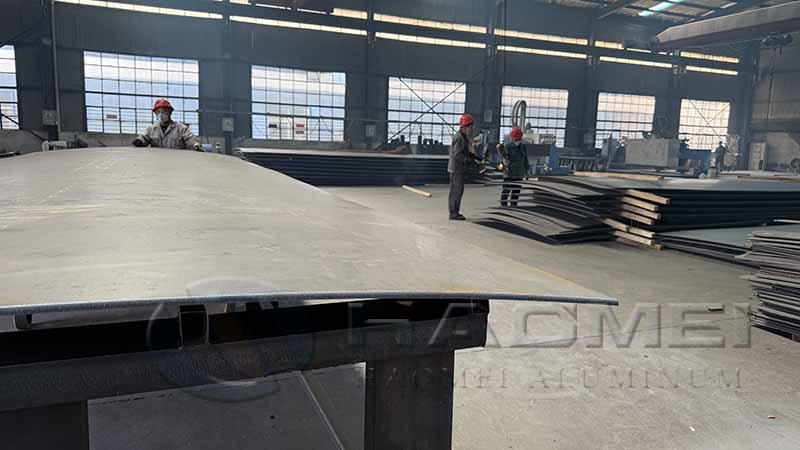
aluminum clad stainless steel .jpg

I. What is an Aluminum-Steel Composite Plate?

An aluminum clad steel plate is a high-performance bimetallic composite material formed by firmly bonding an aluminum alloy layer and a steel layer through advanced metallurgical processes such as explosive bonding and rolling bonding. The two metals achieve atomic-level fusion through a special process, not just a simple physical bonding. The overall structure is stable, with high bonding strength, and there will be no delamination or detachment problems, combining the core advantages of both substrates.

In short, aluminum-steel composite plates combine the high strength, high rigidity, and impact resistance of steel with the lightweight, seawater corrosion resistance, and oxidation resistance of aluminum alloys, breaking down the performance barriers of single-metal materials. Steel serves as the base material, providing stable structural support, while aluminum alloy acts as the cladding to resist marine corrosion and reduce overall weight. With its superior cost-effectiveness and adaptability, it has become a popular choice for specialized composite panels in industrial applications.

II. Core Advantages of Aluminum-Steel Plates

Compared to traditional pure steel or pure aluminum plates, aluminum-steel composite panels are better suited to marine environments, offering significant core advantages:

1. Lightweight and High-Strength, Energy Saving

Aluminum alloy has only one-third the density of steel, resulting in a significantly lower overall weight compared to pure steel structures. This effectively reduces the overall weight of the vessel, decreasing drag and fuel consumption, and improving range and carrying efficiency. Simultaneously, the steel base material ensures the structural strength of the panels, resisting wave impacts and cargo compression, thus maintaining hull stability.

2. Corrosion and Erosion Resistance, Suitable for Marine Environments

Ships are constantly exposed to highly corrosive environments characterized by seawater immersion, high salt spray, and high humidity. Pure steel plates are highly susceptible to rust and damage. The aluminum layer of the aluminum-steel composite plate can form a dense oxide protective film, isolating it from seawater and salt spray corrosion, reducing hull structure corrosion at its source, significantly lowering ship maintenance costs, and extending the hull's service life.

3. Compatible with dissimilar metal welding, convenient construction

Shipbuilding often faces the challenge of connecting steel hulls with aluminum superstructures. Direct welding easily leads to electrochemical corrosion and weak connections. Aluminum-steel composite plates can serve as transitional connectors, enabling stable welding of dissimilar metals like steel and aluminum, perfectly solving the connection pain point between the hull and superstructure.

III. Core Applications of Aluminum-Steel Plates in Shipbuilding

With its unique performance advantages, aluminum-steel composite panels have been widely used in the construction and retrofitting of various civilian vessels, engineering vessels, and offshore platforms. It is a key material for lightweight shipbuilding upgrades, with core applications concentrated in three main areas:

1. Hull and Superstructure Connection Structure

This is the most fundamental marine application of aluminum-steel composite panels. Modern ships, to achieve lightweight, often use aluminum alloys for the superstructure, while the main hull is a steel structure. Using aluminum-steel composite panels as transition joints, with the steel side welded to the hull and the aluminum side welded to the superstructure, completely eliminates electrochemical corrosion caused by dissimilar metal contact, ensuring the sealing and structural stability of the hull connection points.

2. Hull Deck and Cabin Structure

Ship decks, bulkheads, and side plating are subjected to long-term wave erosion, load pressure, and seawater corrosion. Replacing traditional steel plates with aluminum-steel composite panels allows the steel to withstand equipment and cargo loads while the aluminum layer's corrosion-resistant properties protect against marine corrosion, simultaneously reducing deck weight and improving overall ship stability.

3. Marine Power and Auxiliary Systems

In ship engine rooms, exhaust systems, and seawater transport structures, aluminum-steel composite panels can be used to manufacture equipment bases, protective plates, and other components, effectively resisting damage caused by high temperatures, humidity, and seawater penetration, thus improving the stability and safety of the power system.

IV. Haomei Aluminum: One-Stop Marine Aluminum Material Solution

High-quality composite materials rely on professional production and R&D enterprises. Haomei Aluminum has been deeply involved in the marine aluminum material field for many years, possessing mature production technology for marine aluminum-steel composite panels. It can provide customized composite panels suitable for various ship operating conditions. Its products undergo rigorous marine quality testing, and their strength, corrosion resistance, and fit all meet the high standards of marine engineering.

In addition to its core aluminum-steel composite panels, Haomei Aluminum is also an aluminum pipe fitting manufacturer , covering marine aluminum pipes, aluminum elbows, tees, flanges, joints, and other accessories, forming a one-stop marine aluminum material supply system combining sheet metal and pipes.

Haomei Aluminum's aluminum pipe fittings retain the advantages of aluminum alloys, such as lightweight, corrosion resistance, and strong sealing performance. They are widely used in the marine industry, primarily for seawater transport systems, water supply and drainage systems, ventilation duct systems, and hydraulic piping systems.

Compared to traditional steel pipes, Haomei Aluminum's pipe fittings are lighter, less prone to rust, and easier to install. They effectively prevent pipe corrosion and leakage, reduce the maintenance frequency of marine piping systems, and are suitable for the piping needs of various small and medium-sized vessels, ocean-going vessels, and offshore platforms.


Original Source:https://www.marinealu.com/a/what-is-aluminum-clad-stainless-steel.html
Aluminum Clad Steel Sheet

 Many projects need the conductivity, strength, or magnetic properties of steel, but fail early when corrosion protection is weak. That is where aluminum clad steel sheet is specified. It combines a steel core with an aluminum outer layer, aiming to deliver the mechanical benefit of steel and the corrosion resistance of aluminum.

For marine fabricators, offshore equipment contractors, and industrial stockists, the practical question is not just material selection. It is whether this composite can reduce life-cycle cost without creating welding, forming, or galvanic problems.

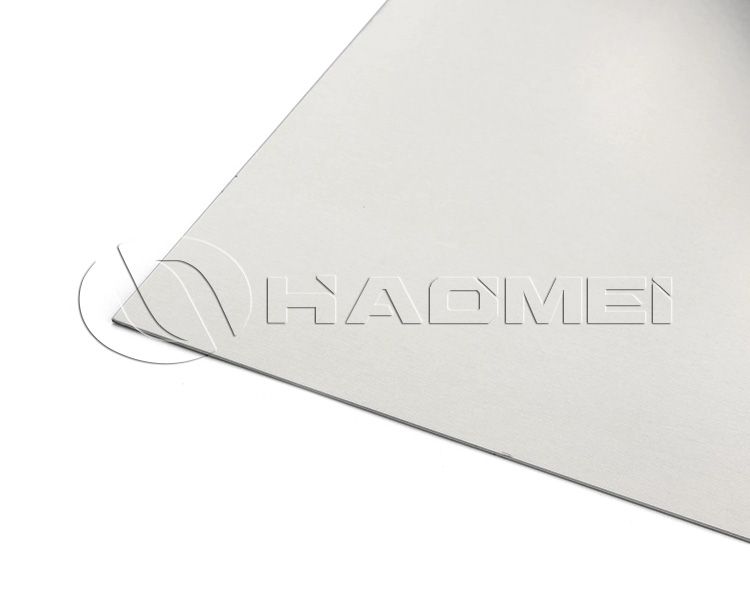
aluminum clad steel sheet

What it is

Aluminum-clad steel is a metallurgically bonded composite made by joining aluminum to steel. Depending on the process, the bond may be formed by roll bonding, explosive bonding, or other industrial cladding routes. The result is not a painted steel product and not a simple laminated assembly. It is a bonded material intended to keep adhesion under fabrication and service conditions.

In practical use, this product is chosen when plain carbon steel lacks corrosion resistance and full aluminum does not provide the required stiffness, wear behavior, or cost position.

If your application already uses Aluminum Clad Steel in bars or transition components, sheet-form products are often evaluated for covers, panels, enclosures, grounding parts, and transport equipment.

Why used

The main advantage is selective performance.

Property needSteel aloneAluminum aloneAluminum-clad steel
Atmospheric corrosion resistanceFair to poor without coatingGoodGood to very good, depending on clad thickness
Structural stiffnessHighLowerHigh core stiffness
DensityHighLowerIntermediate
Surface conductivityModerateGoodGood on aluminum side
Raw material cost stabilityOften volatileOften volatileDepends on both metals
Paint-free appearanceLimitedGoodGood on clad side

For coastal or humid service, the aluminum surface forms a stable oxide film. According to the Aluminum Association, aluminum naturally develops a thin oxide layer that improves corrosion resistance in many environments. That is the core reason this material is considered for salt-laden air and wet exposure.

Where it fits

Common uses include:

  • Marine topside covers and equipment housings.

  • Busbar-related transition parts in some electrical systems.

  • Industrial enclosures exposed to weather.

  • Automotive and transport components where weight and corrosion both matter.

  • Grounding or shielding parts where a conductive outer layer is useful.

For structures directly exposed to seawater immersion, specifiers should verify chloride performance, edge sealing, and galvanic compatibility with fasteners. Service environment matters more than catalog language.

Standards

There is no single global rule that covers every version of clad steel in every end use, so sourcing teams should check the exact manufacturing and test basis.

Use this checklist before ordering:

  1. Confirm base steel grade and mechanical properties.

  2. Confirm aluminum alloy and temper on the clad side.

  3. Confirm cladding method: roll bonded, explosive bonded, or other.

  4. Confirm total thickness and clad-layer thickness tolerance.

  5. Ask for bond integrity test method.

  6. Review corrosion test data, if used for qualification.

  7. Verify applicable ASTM, EN, ISO, or project specification references.

  8. Confirm edge treatment, because exposed edges can become corrosion initiation points.

For many industrial metal products, relevant references may include ASTM material standards, mechanical testing standards, and corrosion testing standards such as salt spray under ASTM B117. Important note: ASTM B117 is widely used for comparative corrosion testing, but it does not directly predict real service life. It should be treated as one screening tool, not a life expectancy guarantee.

Cost view

Pricing depends on five variables more than market averages:

Cost factorImpact on price
Steel gradeHigher strength or specialty grades raise cost
Aluminum alloyMarine-grade or specialty alloy surfaces cost more
Clad thicknessThicker aluminum layer raises cost materially
Bonding processMore complex bonding usually costs more
Order size and finishCustom finish, tight tolerance, and low volume increase cost

In recent market practice, composite metals generally price above plain carbon steel and below some corrosion-resistant nickel alloys or premium stainless solutions, depending on thickness and process route. For current projects, sourcing teams should compare against stainless steel using delivered cost, fabrication hours, and expected maintenance interval rather than metal price alone.

Inspection

Before release to production, use a short receiving inspection routine.

Visual

  • Check for edge separation.

  • Check for blistering, waviness, dents, and surface contamination.

  • Confirm no visible mismatch between ordered and delivered finish.

Dimensional

  • Measure total thickness at multiple points.

  • Verify length, width, flatness, and squareness.

  • Record clad-side identification to avoid reversed installation.

aluminium cladding sheet size

Bond

  • Review mill certificate for bond test results.

  • If project critical, request ultrasonic or destructive bond verification.

  • Check whether post-forming bond performance was validated.

Corrosion

  • Confirm storage conditions are dry and ventilated.

  • Separate from copper-rich dust or incompatible metal contact.

  • Protect cut edges if the service environment is severe.

Fabrication

This is the area where many failures start.

Forming: minimum bend radius should be confirmed with the producer because the clad layer can crack if bend severity is excessive.

Welding: procedures depend on which side is joined and whether the bond line is near the weld zone. Heat input must be controlled to avoid local bond degradation.

Fasteners: avoid creating galvanic couples. In marine conditions, fastener selection and isolation washers matter.

Cut edges: exposed steel at edges may need sealing, especially in chloride exposure.

If your project also involves corrosion-resistant transitions to piping or stainless assemblies, it is often useful to align the material review with seamless stainless steel pipe specifications and joining plans, rather than checking flat products in isolation.

Comparison

When should this material be selected over alternatives?

OptionBest forMain limitation
Carbon steel with paintLowest initial costCoating maintenance burden
Full aluminum plateLow weight and corrosion resistanceLower stiffness and possible wear limits
Stainless steelBroad corrosion performanceHigher material cost in many cases
Aluminum-clad steelBalanced corrosion and stiffnessEdge protection and fabrication control required

For projects balancing corrosion resistance and conductivity, Aluminum Clad Steel can be a practical middle route when the service side benefits from aluminum and the core still needs steel strength.

Sourcing steps

Use this short qualification process:

  1. Define the service environment: splash zone, humidity, chemical exposure, or outdoor atmosphere.

  2. Set minimum mechanical properties for the steel core.

  3. Set minimum clad thickness based on corrosion allowance.

  4. Review forming and welding steps before placing the order.

  5. Ask for mill test certificates and bond verification.

  6. Inspect edges, flatness, and surface on receipt.

  7. Protect cut edges and dissimilar metal contacts during installation.

For marine and industrial applications, that sequence usually prevents the most expensive failures: edge corrosion, bond damage during fabrication, and wrong fastener pairing.


Original Source:https://www.marinealu.com/a/aluminum-clad-steel-sheet.html

Aluminium Steel Clad Sheet and Transition Joints

 Aluminum and aluminum alloys, with their excellent lightweight properties, good corrosion resistance, and thermal conductivity, have become ideal choices for reducing ship weight and fuel consumption; while steel, with its high strength and rigidity, occupies an irreplaceable position in the main structure of ships. How can these two complementary materials work seamlessly together? Aluminum-steel composite plates and aluminum-steel transition joints provide the perfect answer. They not only solve the technical challenges of connecting aluminum and steel but also become key supports for improving the overall performance of ships.

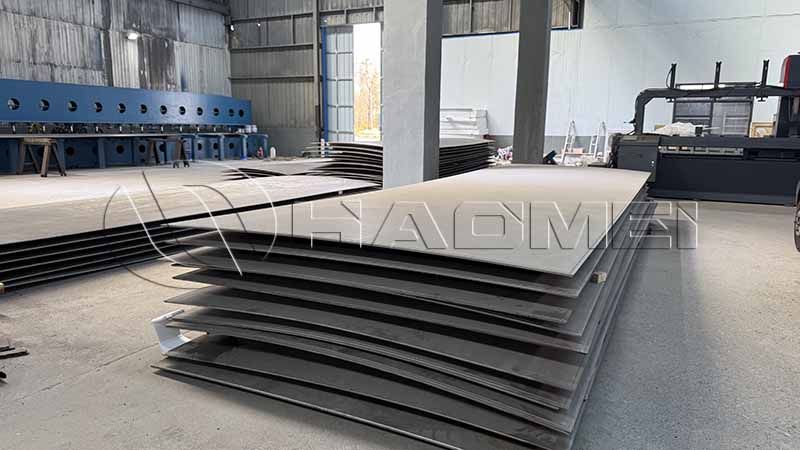
aluminum steel clad plate.jpg

Aluminum clad steel sheet

The aluminum steel clad plate is not simply aluminum and steel stacked together, but a new type of composite material that achieves atomic-level bonding between aluminum and steel layers through advanced processes such as explosive bonding and hot rolling. This "you in me, me in you" structure retains the advantages of steel in load-bearing and impact resistance while continuing the characteristics of aluminum in weight reduction and corrosion resistance, perfectly meeting the complex needs of different parts of the ship.

The application of aluminum-steel composite plates is particularly effective in the field of ship superstructure. If the traditional superstructure were entirely made of steel, it would significantly increase the ship's weight, leading to a deeper draft and increased fuel consumption; if only aluminum were used, it would be difficult to meet the structural strength requirements. Aluminum-steel composite panels offer the best of both worlds: the outer aluminum layer effectively resists corrosion from the marine atmosphere and salt spray, reducing later maintenance costs; the inner steel layer provides stable structural support for the superstructure, ensuring safety in harsh environments such as wind and waves.

Aluminum-steel composite panels also excel in shipboard liquid tanks and piping systems. For tanks carrying fuel oil, lubricating oil, and other media, the aluminum layer of the composite panel isolates the media from direct contact with the steel, preventing corrosion and contamination.

In seawater cooling pipelines, aluminum-steel composite panels are resistant to seawater corrosion and can withstand certain pressure impacts. Compared to traditional pure aluminum pipes or plastic-lined steel pipes, their service life is extended by 3-5 times, while reducing the risk of pipeline leaks.

Transition Joints

The physical and chemical properties of aluminum and steel differ significantly—aluminum has a low electrode potential, while steel has a high electrode potential. Direct connection easily forms a galvanic cell, leading to electrochemical corrosion. Furthermore, their coefficients of thermal expansion and melting points differ significantly, making welding prone to defects such as cracks and porosity.

Aluminum steel transition joints were developed to solve this "connection problem." Through special material design and manufacturing processes, they create a stable transition zone between aluminum and steel, achieving a reliable connection between the two materials.

Currently, the aluminum-steel transition joints commonly used in ships are either explosive welding or friction welding joints. Their core principle is to mitigate the performance differences between aluminum and steel through an intermediate transition layer (such as titanium or zinc alloy).

Taking explosive welding transition joints as an example, they utilize the high-pressure shock wave generated by an explosion to achieve metallurgical bonding of the aluminum, transition layer, and steel materials under extreme pressure. The joint strength can reach over 90% of the base material strength and possesses excellent corrosion resistance and fatigue resistance.

In marine propulsion systems, transition joints play a crucial role. The bases of the main engine and generators are mostly steel structures, while the piping of the cooling and fuel systems is mostly aluminum. Transition joints are the "key link" connecting the two. Without transition joints, direct welding of aluminum and steel pipes is not only prone to corrosion and leakage but may also lead to joint breakage due to vibration and thermal expansion and contraction, causing propulsion failures.

Using transition joints not only ensures the sealing and stability of the piping system but also reduces vibration transmission and improves the operational reliability of the power system. Furthermore, transition joints play an irreplaceable role at the connection between the aluminum superstructure and the steel hull of a ship, effectively mitigating the deformation differences between the two under temperature changes and external forces, and preventing stress concentration at the structural connection.

Original source: https://www.marine-aluminium-plate.com/a/aluminium-steel-clad-sheet-and-transition-joints.html

What Are Uses of Aluminum Clad Steel in Shipbuilding

 In the main structure of the ship, such as the hull, deck and other parts, aluminum clad steel plates are gradually showing their value. In this structure, the steel plate provides high strength and good impact resistance, and can withstand external forces such as waves and collisions during the voyage of the ship. The aluminum plate gives the ship the advantage of lightweight, reduces the overall weight of the ship, and thus improves fuel economy and reduces operating costs. By combining steel and aluminum plates, the strengths of both are brought into play, effectively improving the comprehensive performance of the ship structure.

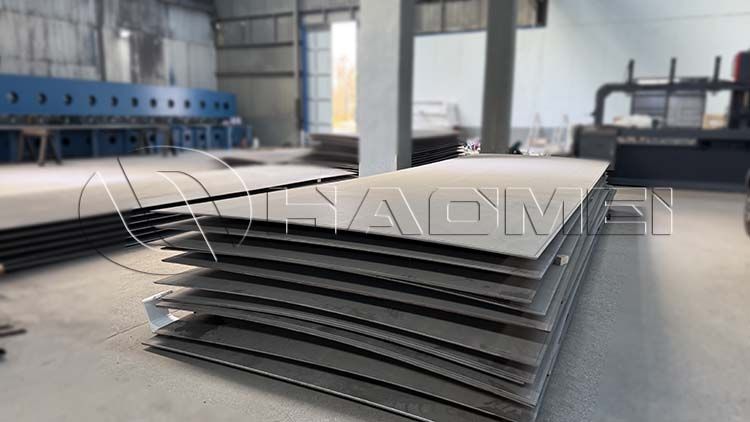
aluminum clad steel plates .jpg

In terms of specifications, the thickness of the steel-aluminum composite plate used for ship structures is usually within a certain range to ensure structural strength, such as the common range of 3-8 mm; the thickness of the aluminum plate layer is generally around 2-5 mm according to specific needs. Such a thickness combination not only meets the requirements of the ship for structural strength, but also achieves a good lightweight effect.

The superstructure of the ship, such as the cab, cabin and other areas, has high requirements for the weight, aesthetics and corrosion resistance of the material, and the steel-aluminum composite plate can just meet these requirements. For example, some inland tourist sightseeing boats have aluminum alloy structures for their superstructures, which are connected to the steel structure of the main hull through steel-aluminum composite joints.

The aluminum alloy part (that is, the aluminum layer in the steel-aluminum composite plate) reduces the weight of the superstructure, lowers the center of gravity of the ship, and improves navigation stability; at the same time, the good corrosion resistance of aluminum alloy can adapt to the long-term use of ships in humid environments and reduce maintenance costs. Moreover, after the surface of the aluminum alloy is treated, it has good aesthetics and improves the overall image of the ship.

In terms of specifications, the aluminum layer of the steel-aluminum composite plate used for the superstructure is relatively thin, generally 1-3 mm, to further reduce the weight; the thickness of the steel layer is about 2-4 mm, which is used to provide the necessary strength support. This light and thin structural design minimizes the weight while meeting the functional requirements of the superstructure.

With the development of the application of new energy in the field of ships, steel-aluminum composite plates have also found their place in the power system of new energy ships. In the battery box, steel-aluminum composite plates can play an important role. The steel plate layer provides high-strength protection to prevent the battery box from being damaged by external impact; the aluminum plate layer, due to its good electrical and thermal conductivity, helps the heat dissipation management of the battery, ensures that the battery works at a suitable temperature, and improves battery performance and service life.

From the specifications, the aluminum cladding panel size used in the battery box generally has a steel plate layer thickness of 1-3 mm and an aluminum plate layer thickness of about 1-2 mm. Such thickness can meet the protection requirements for the battery without adding too much weight to the battery system.

Original source: https://www.marine-aluminium-plate.com/a/what-are-uses-of-aluminum-clad-steel-in-shipbuilding.html

What Are Specific Uses of Aluminium Clad Steel in Ships?

 As a new type of material, the aluminium clad steel sheet is gradually emerging in various fields, especially in the shipbuilding industry. Its unique performance advantages have brought new ideas and solutions to the design and construction of ships.

 aluminium clad steel sheet .jpg

1. Characteristics of aluminum-steel composite plates

Lightweight Advantages

The density of aluminum is about one-third of that of steel. Aluminum-steel composite plates cleverly combine aluminum and steel to significantly reduce the overall weight of the material while ensuring structural strength.

Good corrosion resistance

Aluminum can quickly form a dense aluminum oxide protective film in the air, and has excellent atmospheric corrosion resistance. Although steel has high strength, it is easy to rust and corrode in a humid marine environment.

Aluminum-steel composite plates combine the corrosion resistance of aluminum with the high strength of steel, so that ships can effectively resist the erosion of harsh environments such as seawater and sea breeze during long-term sea voyages, extending the service life of ships.

High strength and good processing performance

Steel has high strength and toughness, providing solid structural support for composite plates. Aluminum has good plasticity and is easy to process and shape. Aluminum-steel composite plates have the advantages of both.

They can withstand various mechanical loads faced by ships during navigation, such as wind and wave impact, cargo pressure, etc., and are easy to make ship parts with complex shapes through various processing techniques, such as the curved parts of the hull and special structural parts of the cabin, etc., to meet the diverse needs of ship design.

2. Application of ACP in ships

Passenger ships and cruise ships

Aluminum-steel composite plates have been widely used in some inland and offshore passenger ships and cruise ships. For example, the "Lujiangyou 7" catamaran passenger ship of Xiamen Ferry adopts a steel-aluminum composite catamaran structure.

Its superstructure uses aluminum-steel composite plates, which utilizes the lightweight characteristics of aluminum, lowers the center of gravity of the ship, and improves navigation stability; at the same time, good corrosion resistance also ensures that the ship can maintain a good condition for a long time in a humid marine environment, providing passengers with a safe and comfortable boating experience.

Small cargo ships and fishing boats

While pursuing cargo capacity, small cargo ships and fishing boats also need to consider the economy and durability of the ship. The lightweight characteristics of aluminum-steel composite plates enable ships to carry more cargo under the same power conditions and improve transportation efficiency.

In some ocean-going fishing vessels, some structures use aluminum-steel composite plates, which not only reduces the weight of the hull, but also enhances the corrosion resistance of the ship in harsh sea conditions, ensures the long-term operation capacity of the fishing boat, and reduces the loss of fishery production caused by maintenance.

Special operation ships

For some special operation ships, such as offshore scientific research ships and marine engineering auxiliary ships, aluminum-steel composite plates are also attractive. These ships have extremely high requirements for the reliability and structural performance of equipment. The high strength and good comprehensive performance of aluminum-steel composite plates can meet the needs of ships to carry out various operations in complex marine environments.

For example, when conducting deep-sea exploration and other tasks, scientific research vessels need a stable hull structure to ensure the precise operation of the detection equipment. Aluminum-steel composite plates can provide reliable structural guarantees for them, while reducing weight and energy consumption, which is conducive to long-term operation of ships at sea.

Haomei Aluminum provides rich types of marine aluminum alloy products. Welcome to inquireacp cladding sheet price and other products from us directly.

Orignal source: https://www.marine-aluminium-plate.com/a/what-are-specific-uses-of-aluminium-clad-steel-in-ships.html

Aluminium Strip for Cables Armoring

  Cable factories facing Christmas and New Year shutdowns have little tolerance for material delays or coil defects. An armor-strip issue di...