In high-end equipment manufacturing fields such as shipbuilding and marine engineering, material performance directly determines the equipment's service life, safety, and economy. Traditional single-material steel is too heavy and easily corroded by seawater, while pure aluminum lacks strength and has poor load-bearing capacity, making it unsuitable for complex marine operating environments.
The emergence of aluminum clad stainless steel perfectly solves the performance shortcomings of single-metal materials, becoming a core new material for lightweighting and corrosion protection upgrades in modern ships.
I. What is an Aluminum-Steel Composite Plate?
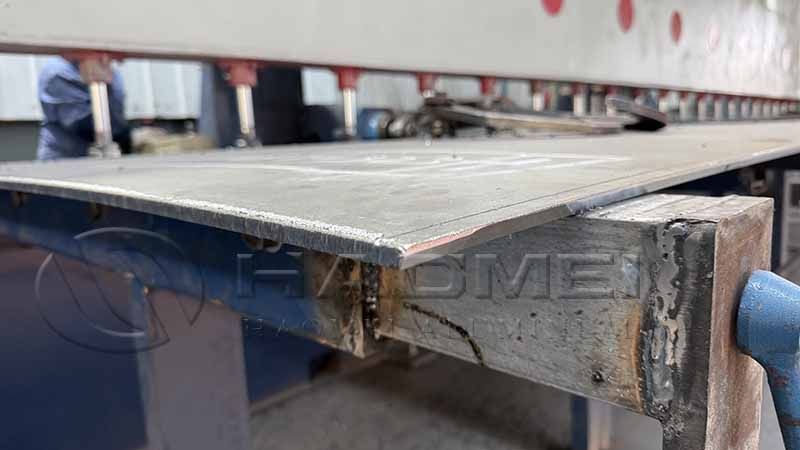
An aluminum clad steel plate is a high-performance bimetallic composite material formed by firmly bonding an aluminum alloy layer and a steel layer through advanced metallurgical processes such as explosive bonding and rolling bonding. The two metals achieve atomic-level fusion through a special process, not just a simple physical bonding. The overall structure is stable, with high bonding strength, and there will be no delamination or detachment problems, combining the core advantages of both substrates.
In short, aluminum-steel composite plates combine the high strength, high rigidity, and impact resistance of steel with the lightweight, seawater corrosion resistance, and oxidation resistance of aluminum alloys, breaking down the performance barriers of single-metal materials. Steel serves as the base material, providing stable structural support, while aluminum alloy acts as the cladding to resist marine corrosion and reduce overall weight. With its superior cost-effectiveness and adaptability, it has become a popular choice for specialized composite panels in industrial applications.
II. Core Advantages of Aluminum-Steel Plates
Compared to traditional pure steel or pure aluminum plates, aluminum-steel composite panels are better suited to marine environments, offering significant core advantages:
1. Lightweight and High-Strength, Energy Saving
Aluminum alloy has only one-third the density of steel, resulting in a significantly lower overall weight compared to pure steel structures. This effectively reduces the overall weight of the vessel, decreasing drag and fuel consumption, and improving range and carrying efficiency. Simultaneously, the steel base material ensures the structural strength of the panels, resisting wave impacts and cargo compression, thus maintaining hull stability.
2. Corrosion and Erosion Resistance, Suitable for Marine Environments
Ships are constantly exposed to highly corrosive environments characterized by seawater immersion, high salt spray, and high humidity. Pure steel plates are highly susceptible to rust and damage. The aluminum layer of the aluminum-steel composite plate can form a dense oxide protective film, isolating it from seawater and salt spray corrosion, reducing hull structure corrosion at its source, significantly lowering ship maintenance costs, and extending the hull's service life.
3. Compatible with dissimilar metal welding, convenient construction
Shipbuilding often faces the challenge of connecting steel hulls with aluminum superstructures. Direct welding easily leads to electrochemical corrosion and weak connections. Aluminum-steel composite plates can serve as transitional connectors, enabling stable welding of dissimilar metals like steel and aluminum, perfectly solving the connection pain point between the hull and superstructure.
III. Core Applications of Aluminum-Steel Plates in Shipbuilding
With its unique performance advantages, aluminum-steel composite panels have been widely used in the construction and retrofitting of various civilian vessels, engineering vessels, and offshore platforms. It is a key material for lightweight shipbuilding upgrades, with core applications concentrated in three main areas:
1. Hull and Superstructure Connection Structure
This is the most fundamental marine application of aluminum-steel composite panels. Modern ships, to achieve lightweight, often use aluminum alloys for the superstructure, while the main hull is a steel structure. Using aluminum-steel composite panels as transition joints, with the steel side welded to the hull and the aluminum side welded to the superstructure, completely eliminates electrochemical corrosion caused by dissimilar metal contact, ensuring the sealing and structural stability of the hull connection points.
2. Hull Deck and Cabin Structure
Ship decks, bulkheads, and side plating are subjected to long-term wave erosion, load pressure, and seawater corrosion. Replacing traditional steel plates with aluminum-steel composite panels allows the steel to withstand equipment and cargo loads while the aluminum layer's corrosion-resistant properties protect against marine corrosion, simultaneously reducing deck weight and improving overall ship stability.
3. Marine Power and Auxiliary Systems
In ship engine rooms, exhaust systems, and seawater transport structures, aluminum-steel composite panels can be used to manufacture equipment bases, protective plates, and other components, effectively resisting damage caused by high temperatures, humidity, and seawater penetration, thus improving the stability and safety of the power system.
IV. Haomei Aluminum: One-Stop Marine Aluminum Material Solution
High-quality composite materials rely on professional production and R&D enterprises. Haomei Aluminum has been deeply involved in the marine aluminum material field for many years, possessing mature production technology for marine aluminum-steel composite panels. It can provide customized composite panels suitable for various ship operating conditions. Its products undergo rigorous marine quality testing, and their strength, corrosion resistance, and fit all meet the high standards of marine engineering.
In addition to its core aluminum-steel composite panels, Haomei Aluminum is also an aluminum pipe fitting manufacturer , covering marine aluminum pipes, aluminum elbows, tees, flanges, joints, and other accessories, forming a one-stop marine aluminum material supply system combining sheet metal and pipes.
Haomei Aluminum's aluminum pipe fittings retain the advantages of aluminum alloys, such as lightweight, corrosion resistance, and strong sealing performance. They are widely used in the marine industry, primarily for seawater transport systems, water supply and drainage systems, ventilation duct systems, and hydraulic piping systems.
Compared to traditional steel pipes, Haomei Aluminum's pipe fittings are lighter, less prone to rust, and easier to install. They effectively prevent pipe corrosion and leakage, reduce the maintenance frequency of marine piping systems, and are suitable for the piping needs of various small and medium-sized vessels, ocean-going vessels, and offshore platforms.
Original Source:https://www.marinealu.com/a/what-is-aluminum-clad-stainless-steel.html


没有评论:
发表评论