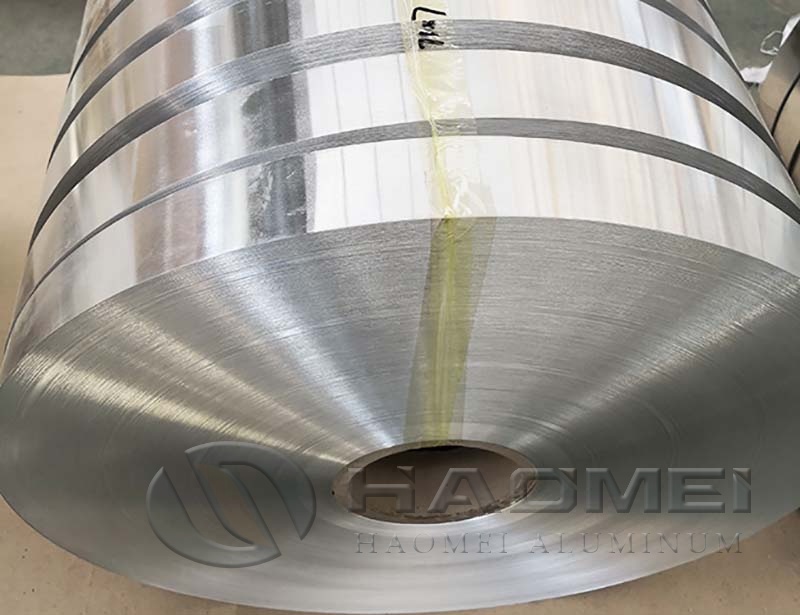
7000 aluminum is a high-quality, high-strength aluminum alloy that is widely used in aviation, automobiles, machinery manufacturing and other fields. Its typical grade is 7075 aluminum plate that mainly contains zinc elements. It also belongs to the aviation series. It is an aluminum-magnesium-zinc-copper alloy.
7000 aluminum alloy has high strength and hardness, and its tensile strength and yield strength are higher than other series of aluminum alloys. This high strength and hardness make the 7000 series aluminum alloy perform well when withstanding high loads and impacts, and can meet the needs of various complex application scenarios.
7000 series aluminum alloy has excellent welding performance and can be welded by various welding methods such as argon arc welding and gas shielded welding. During the welding process, the 7000 series aluminum alloy has a low melting point and is easy to perform welding operations. At the same time, its welded joints have high strength.
7000 aluminum alloys have good corrosion resistance and can resist corrosion from environmental factors such as atmosphere, seawater, acid and alkali solutions. In complex industrial environments, 7000 series aluminum alloy can effectively protect parts from corrosion damage and extend the service life of equipment.
7000 aluminum alloys have good processing properties and can be used for various mechanical processing operations such as milling, drilling, planing, and grinding. At the same time, the heat treatment performance of 7000 series aluminum alloy is also good, and its strength and other mechanical properties can be further improved through heat treatment.
Zinc is the main alloy element in the aluminum 7075 alloy . Adding magnesium to an alloy containing 3%-7.5% zinc can form MgZn2 with significant strengthening effect, making the alloy's heat treatment effect far better than that of aluminum-zinc binary alloy. Increasing the zinc and magnesium content in the alloy will further increase the tensile strength, but its ability to resist stress corrosion and spalling corrosion will decrease.
After heat treatment, 7075 aluminum can achieve very high strength properties. 7075 aluminum sheet generally adds a small amount of copper, chromium and other alloys. Among this series, 7075-T651 alloy is particularly top-grade and is known as the best product among aluminum alloys. It is widely used in the aerospace, mold processing, mechanical equipment, and tooling fixtures. It is especially used to manufacture aircraft structures and high-stress structures that require high strength and strong corrosion resistance.
Original Source:https://www.aircraftaluminium.com/a/7000-aluminum-aluminum-7075-alloy.html