Why holiday programs stress plate endurance
Holiday print demand is not a normal production cycle. From back-to-school cartons to Diwali gift sleeves, Black Friday inserts, Christmas labels, and year-end catalogs, printers need longer uninterrupted runs, faster changeovers, and fewer approval delays.
For companies that already purchase aluminum sheet, strip, coil, foil, or circles, a coated aluminum printing plate should be treated with the same discipline as other metal inputs: substrate quality, gauge tolerance, surface treatment, coating consistency, packaging, and delivery timing all affect output.
The feature to prioritize is thermal CTP plate long run length. In practical terms, this means one plate can stay on press for more impressions before image wear, dot loss, scratching, scumming, or density drift forces a stop.
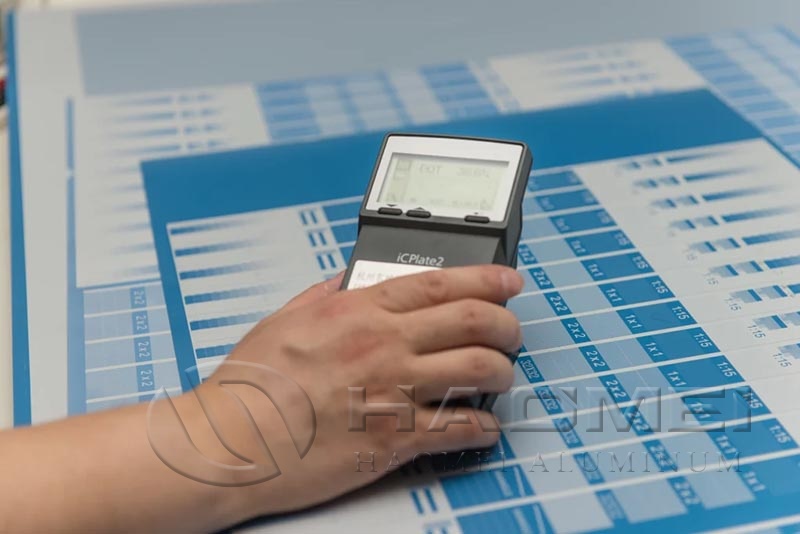
A long-run thermal plate is most valuable when the holiday job has repeat artwork and high volume, such as folding cartons, shopping bags, promotional labels, calendars, direct-mail pieces, and retail inserts. Each avoided plate change reduces labor, paper waste, makeready sheets, press downtime, and the risk of color mismatch between batches.
| Holiday pressure point | If plate endurance is low | If long-run thermal plate is specified | Action for print teams |
|---|---|---|---|
| Large carton or catalog order | Multiple plate remakes during the same artwork run | Fewer interruptions and more stable print density | Set an impression target with a safety margin |
| Metallic, UV, or dense ink coverage | Faster image wear under abrasive conditions | Better resistance when plate, ink, and chemistry are matched | Test with the actual ink and substrate |
| Tight shipping window | Press stops consume dispatch time | Longer continuous runs protect delivery dates | Reserve approved plates before peak weeks |
| Multi-plant production | Variable plate behavior between sites | Easier standardization across presses | Use the same approval protocol at each plant |
For holiday jobs, plate failure is not only a technical issue. It can delay retail shelf replenishment, promotional mailing, e-commerce packaging, and export documents. That is why run endurance should be approved before seasonal artwork is released.
Specify and verify run endurance before peak weeks
Run length claims must be read carefully. Plate life depends on press condition, ink system, fountain solution, paper or board abrasiveness, image coverage, blanket cleaning frequency, and whether baking is used. Do not accept a run-length statement without the operating conditions that produced it.
When comparing CTP Plates for holiday work, ask the supplier to document the plate type, coating system, compatible processor chemistry, storage conditions, and tested press conditions. Thermal CTP systems commonly use infrared imaging, often around 830 nm, but the plate must still match the platesetter and processor in your plant.
Use recognized standards where they apply. ISO 12647-2 defines process control targets for offset lithographic printing. It is not a plate-life standard, but it helps verify whether density, tone value increase, and color conditions remain stable during a long run. For regulated markets, request a Safety Data Sheet prepared under the Globally Harmonized System and compliance statements for REACH Regulation (EC) No 1907/2006 when shipping into the EU.
| Item to verify | What to request | Why it matters for long holiday runs |
|---|---|---|
| Aluminum base | Alloy series, gauge, temper, flatness, and surface quality | Stable feeding, mounting, and image reproduction |
| Coating uniformity | Batch certificate or inspection report | Reduces weak-image zones and uneven wear |
| Developer compatibility | Approved chemistry, concentration, temperature, and replenishment range | Prevents underdevelopment or coating attack |
| Storage life | Shelf-life statement and storage temperature range | Avoids sensitivity loss before holiday production |
| Press test record | Impression count, substrate, ink, fountain pH and conductivity | Makes the run-length claim repeatable |
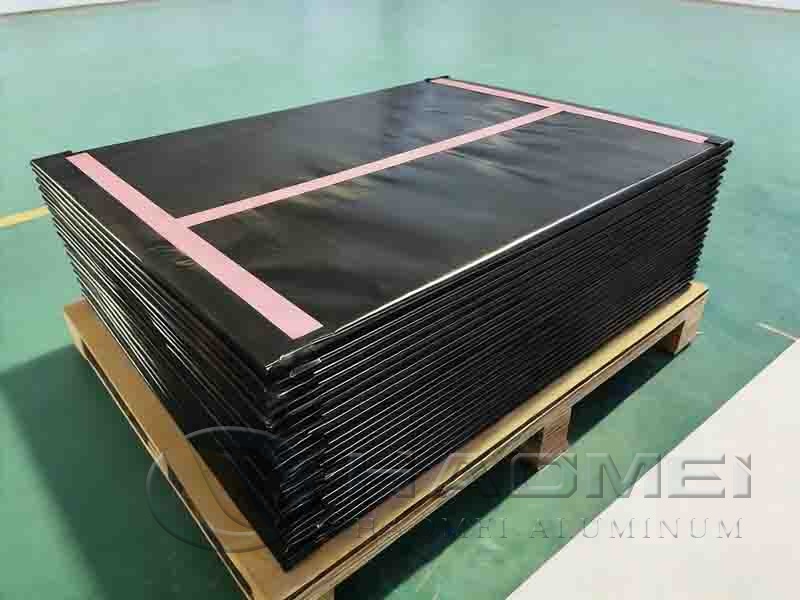
| Packing method | Moisture protection, carton strength, pallet labels | Protects plates during ocean or truck transport |
A certified Thermal CTP Plates Manufacturer should provide batch traceability, coating inspection, and export packing details. For aluminum-focused purchasing teams, these documents are as important as coil weight, surface finish, or foil pinhole inspection.
Pricing should also be transparent. Because the plate base is aluminum, many international quotations reference public aluminum market movement, such as LME aluminum, plus coating, conversion, packaging, freight, and payment terms. Use a date-stamped quotation and confirm whether the price is per square meter, per plate, or per carton. This prevents confusion when plate sizes differ between presses.
Ordering calendar and acceptance checklist
Holiday timing should start earlier than artwork release. Long-run plates must be approved, shipped, conditioned, and reserved before the pressroom is overloaded.
| 2026 holiday demand driver | Date or season | Recommended plate action |
|---|---|---|
| Back-to-school retail packaging | August to September | Complete trial runs by mid-July |
| Mid-Autumn Festival | September 25, 2026 | Lock carton and gift-box plate stock by early August |
| China National Day Golden Week | October 1 to 7, 2026 | Ship imported plates before factory and port slowdowns |
| Diwali | November 8, 2026 | Approve labels and gift packaging plates by September |
| Black Friday and Cyber Monday | November 27 and 30, 2026 | Reserve catalog, mailer, and carton plates by October |
| Christmas | December 25, 2026 | Hold buffer stock for repeat orders and reprints |
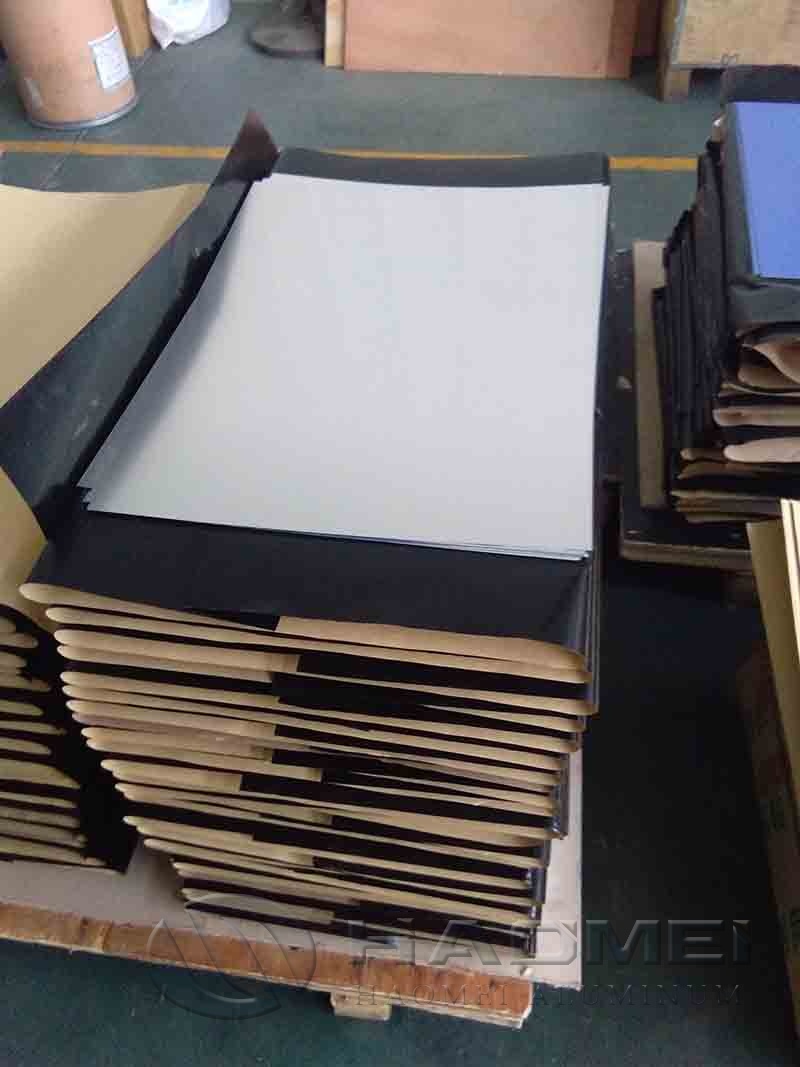
Use this approval checklist before issuing a seasonal purchase order:
Define the target impression count per plate and add a safety margin for abrasive board, UV ink, or metallic ink.
Confirm plate size, thickness, grain direction, punch requirements, and platesetter compatibility.
Run a press trial using the same paper, board, ink, fountain solution, blanket wash, and press speed planned for the holiday job.
Record solid density, dot stability, scumming, scratches, and visible coating wear at defined impression intervals.
Check against ISO 12647-2 process control targets where the job requires offset color consistency.
Request batch traceability, SDS, REACH statement if applicable, carton labels, pallet dimensions, and moisture-proof packing details.
Confirm lead time, shipping route, customs documents, and whether holiday closures affect dispatch.
Separate emergency stock from normal production stock so repeat holiday orders do not consume approved plates too early.
For high-volume seasonal print, the strongest plate decision is not the lowest unit price. It is the plate that keeps approved artwork running with fewer stops, fewer remakes, and fewer schedule surprises during the weeks when every dispatch date matters.
Original source: https://www.alumhm.com/a/thermal-ctp-plate-long-run-length.html