显示标签为“5454 aluminum”的博文。显示所有博文

The Uses of Aluminum 5083 and 5454 in Special Vehicles

 In the field of modern logistics and transportation, various types of special vehicles play a key role. The rise of aluminum alloys has brought revolutionary changes to these special vehicles. In particular, 5083 and 5454 aluminum alloys, with their unique properties, have occupied an important position in vehicle manufacturing.
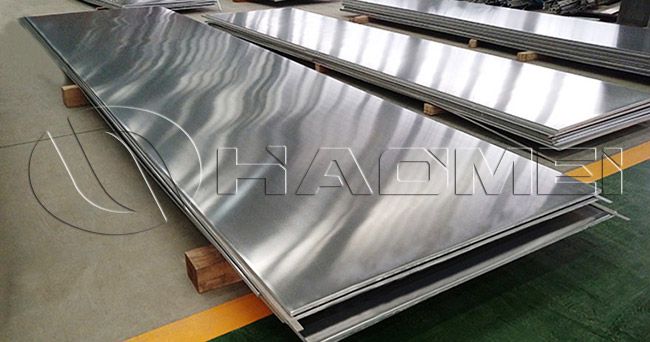
 aluminum 5083 h32.jpg

Aluminum alloy in vans

As a common vehicle type for logistics transportation, vans have high requirements for the strength, weight and durability of the body. The application of aluminum alloy perfectly meets these requirements. In developed countries such as Europe, the United States, Japan and South Korea, aluminum alloy vans have long been widely popularized, and foreign aluminum vans account for as much as 64.6% of the overall truck market.

In the manufacture of vans, 5083 aluminum alloy like aluminum 5083 h32 has been widely used. It has medium strength, a magnesium content between 4.0% and 4.9%, and excellent welding performance, which makes the assembly of the van more solid and reliable. Its excellent corrosion resistance can effectively resist the erosion of various environmental factors during transportation.

Aluminum alloy in refrigerated trucks

Refrigerated trucks are mainly used to transport temperature-sensitive goods, such as food and medicine. The body structure needs to have good thermal insulation and lightweight characteristics to ensure the quality of goods and reduce energy consumption. Aluminum alloy has been widely used in the field of refrigerated trucks due to its advantages such as low density, high strength and good corrosion resistance. Aluminum alloy can be seen from the frame, roof to side panels.

In the application scenarios of refrigerated trucks, 5083 aluminum alloy also performs well. Its high strength can withstand the weight of refrigerated equipment and cargo, ensuring the safety of the vehicle during driving.

At the same time, 5454 aluminum alloy is also used in some parts of refrigerated trucks. Its high strength and corrosion resistance provide a guarantee for the long-term stable operation of refrigerated trucks.

Aluminum alloy in fuel tanks

The oil products transported by tank trucks are flammable and explosive dangerous goods, so the safety, lightweight and corrosion resistance of the vehicles are extremely high. Aluminum alloy tank trucks have obvious advantages over traditional carbon steel, stainless steel and other materials.

In the manufacture of tank bodies of oil tank trucks, 5083 aluminum alloy is one of the commonly used materials. It has high hardness, strong corrosion resistance, and good weldability, which can ensure the sealing and strength of the tank body and meet the needs of long-term transportation of oil products by oil tank trucks.

For example, the 5083 aluminum plate produced by Haomei Aluminum has stable performance by optimizing the melting and casting process and rolling technology. It can produce ultra-wide aluminum plates with a width of up to 2650mm and a thickness of 0.3-500mm, which meets the material standards of tank trucks and is widely used in the tank body, head and baffles.

5454 aluminum alloy is often used in the internal baffles of oil tankers because of its strong corrosion resistance and strength that is about 20% higher than 5052. It is suitable for high temperature or harsh environments. It improves the structural stability of the tank, prevents liquid sloshing, and ensures driving safety.

Aluminum alloy in powder tank trucks

Powder tank trucks are mainly used to transport powdered materials such as cement, fly ash, and lime powder. As the market's requirements for transportation efficiency and cost control continue to increase, lightweight has become an important trend in the development of powder tank trucks. The application of aluminum alloy in powder tank trucks effectively achieves the goal of lightweight vehicles.

In the manufacture of powder tank trucks, 5083 aluminum alloy provides reliable structural support for the tank body with its strength and welding performance. At the same time, some manufacturers will also choose materials such as 5454 h32 aluminum sheet according to actual needs to meet the use requirements of powder tank trucks under different working conditions.

Original source:  https://www.aluminium-tanker-plate.com/a/the-uses-of-aluminum-5083-and-5454-in-special-vehicles.html
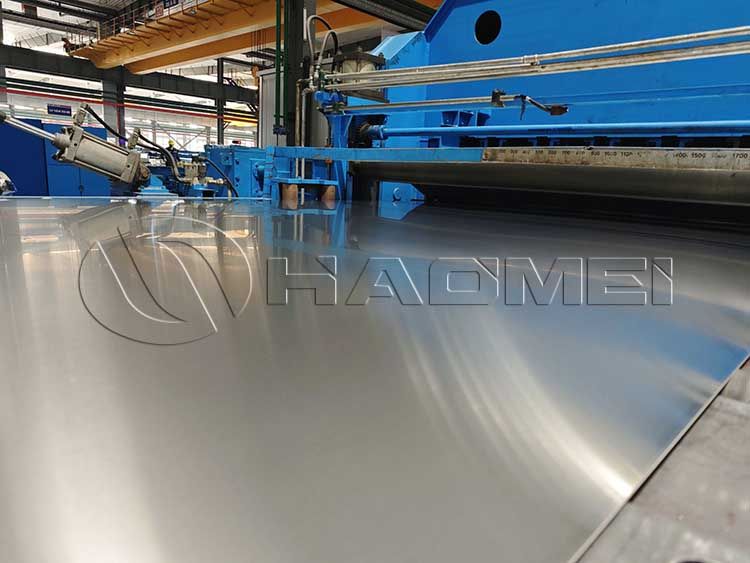
Aluminum Alloy 6101 5754 for High-speed Railway

 High-speed rail carriages are welded with aluminum, and some high-speed rail lines pass through high-cold zones of minus 30 to 40 degrees Celsius; some instruments, equipment and daily necessities on Antarctic research ships are made of aluminum and need to withstand temperatures of minus 60 to 70 degrees Celsius. Can they function properly in such a cold environment? No problem, aluminum alloys are the latest afraid of cold and heat.

Aluminum alloys are the best low-temperature materials. They have no low-temperature brittleness. They are not as obvious as ordinary steel and nickel alloys. Although the steel’s strength properties increase as the temperature decreases, its plasticity and toughness decreases with the decrease of temperature, that is, it has obvious low-temperature brittleness. However, the aluminum alloys’ mechanical properties increase significantly with the decrease of temperature, regardless of the composition of the material, whether it is cast aluminum alloy, deformed aluminum alloy, powder metallurgy alloy, or composite material.

5454 aluminum.jpg

Aluminum alloys for high-speed rail carriages include Al-Mg series 5005 alloy sheets, 5052 alloy sheets, 5083 alloy sheets and profiles, Al-Mg-Si series 6061 alloy sheets and profiles, aluminum alloy 6101,6063 alloy profiles, Al-Zn-Mg series 7N01 alloy plates and profiles, and 7003 alloy profiles. The standard states are O, H14, H18, H112, T4, T5, and T6.

No matter what kind of aluminum alloy, its mechanical properties increase as the temperature decreases, so aluminum is an excellent low-temperature structural material, used for rocket cryogenic fuel (liquid hydrogen, liquid oxygen) storage tanks, liquefied natural gas (LNG) transportation ships and shore-based storage tanks, low-temperature chemical product containers, cold storage, refrigerated trucks, etc.

The aluminum plates used in the current manufacturing and maintenance of rail vehicle bodies include 5052, 5083, 6061, 5454 aluminum and the extruded profiles used include 5083, 6061, 7N01, etc. In addition, some new alloys such as 5059, 5383, 6082, etc., also has applications. It is best to use friction stir welding (FSW), which not only has high welding quality, but also does not require welding wire.

We can divide the aluminum alloys of the car bodies into according to the train operating speed: those used for vehicles with speeds <200km/h can be called first-generation alloys. They are conventional alloys and are mostly used to manufacture urban rail vehicle bodies, such as 6063, 6061 and 5083; second-generation aluminum alloys such as 6N01, 5005, 6005A, 7003, 7005 alloy, etc. are used to manufacture high-speed rail vehicle bodies with speeds of 200km/h~350km/h; third-generation alloys are 6082. Haomei Aluminum has all these aluminum alloys. Welcome to leave message to inquire what you need.

Original source: https://www.aluminium-auto-sheet.com/a/aluminum-alloy-6101-5754-for-high-speed-railway.html

5454 5083 Aluminum Plate for Tank Head

 Aluminum alloy plates are gradually being used in large quantities in special vehicles due to their unique advantages of low density, corrosion resistance, energy saving and environmental protection. 5083, 5454 and 5182 are currently commonly used aluminum tanker plates, which can be used to load oil, gasoline, chemicals, cement and other dense materials.

As a common 5xxx aluminum alloy, 5454 aluminum plate is widely used in oil tanks, tank truck body, marine facility pipelines, automobile wheels, etc. 5454 alloy aluminum plate performs well in various types of vehicles such as passenger cars, vans and oil tankers.

5454 aluminum is an alloy commonly used in the manufacture of tank bodies, and its temper is O or H111. Another popular temper is 5454 h32 aluminum. The main alloying elements of this alloy are Mg and Mn, and it has good strength and corrosion resistance at high temperatures.

5454 h32 aluminum.jpg

5083 aluminum alloy is an important aluminum alloy with good corrosion resistance, strength and weldability. It is widely used in the fields of ships, aerospace and automobiles. Its comprehensive performance makes it suitable for various special environments and requirements.

5083 aluminum alloy sheet is also very easy to process. It can be processed into various shapes and sizes of tank car body parts through stamping, welding and other processes to meet the needs of different application scenarios. The aluminum alloy tanker made of 5083 aluminum plate is more wear-resistant and durable.

5083 ultra-wide aluminum plate is the main alloy material for aluminum tank trucks. 5083 ultra-wide aluminum plate is widely used in tank truck because the tank trucks are generally long, with a length of 4-12.5 meters. The width of the plate and the ultra-thin thickness require more precise control, which puts extremely high demands on production.

The width of the 5083 aluminum alloy plate commonly used in the market is 2.2 meter and the thickness is 5mm, 6mm, 7mm, and 8mm. The 5083 aluminum plate produced by the six-high cold rolling mill introduced by Haomei Aluminum can reach a maximum width of 2600mm, with stable performance, which meets the tank truck manufacturing requirements.


Original Source:https://www.aluminumtankerplate.com/a/5454-5083-aluminum-plate-for-tank-head.html

5182 And 5454 Aluminum Plate For Oil Tankers

 The tank truck can be divided into steel tanker and aluminum tanker. Aluminum alloy tankers first appeared in the United States in the late 1920s. In the 1940s, aluminum alloy semi-trailers began to appear. In the 1960s, the shape of the aluminum alloy tankers was more reasonable.In the 1970s, due to the oil crisis and other reasons, the aluminum alloy tankers were rapidly developed.

The oil tanker made of aluminum plate has light weight, larger load, lower operating cost, good corrosion resistance, wear resistance, long service life, safety and environmental protection. The transformation from steel tanker to aluminum tanker has solved many transportation problems faced by countries all over the world, such as road congestion, environmental pollution, energy saving and emission reduction.

aluminum plate for oil tankers.jpg

A typical aluminum tank ruck is about 40% lighter than a steel tanker. A large number of studies have shown that if the weight of a truck is reduced by 10%, the fuel consumption of the vehicle will be reduced by 8%, and the related harmful gas emissions such as carbon dioxide and nitrogen oxides will be reduced 4 %.

5xxx aluminum has good corrosion resistance and weldability, which is widely used in ships, automobiles, railroads, petrochemicals and other fields. After undergoing welding, wrapping or rolling processes, 5xxx aluminum such as 5454 aluminum is used for the making of cylinders, heads and bulkhead of oil tankers.

5454, 5083 and 5182 aluminum are three main types of aluminum plates for tankers. Among them, Haomei 5182 aluminum sheet has a tensile strength of 280MPa or more, a yield strength of 125 or more, and an elongation of more than 26%. It has reached the "European Agreement on Road Transport of Dangerous Goods (ADR)" and the European "Aluminum and Aluminum Alloy Dangerous Goods Storage and Transportation Tank ". Welcome to leave message below to inquire them.


Original Source:https://www.aluminumtankerplate.com/a/5182-and-5454-aluminum-plate-for-oil-tankers.html

Food Container Aluminum

  Food packaging companies, converters, and processors usually ask one question first: which aluminum grade gives the safest and most stable...