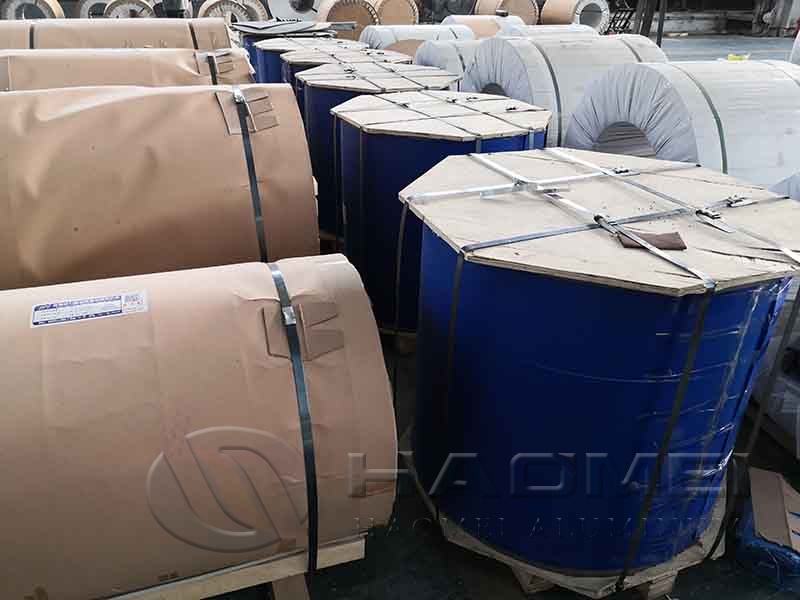
In the vast world of aluminum alloys, 5052 and 5754 aluminum alloys have become effective materials in many fields due to their unique properties.
Strength characteristics of 5052 and 5754 aluminum alloys.
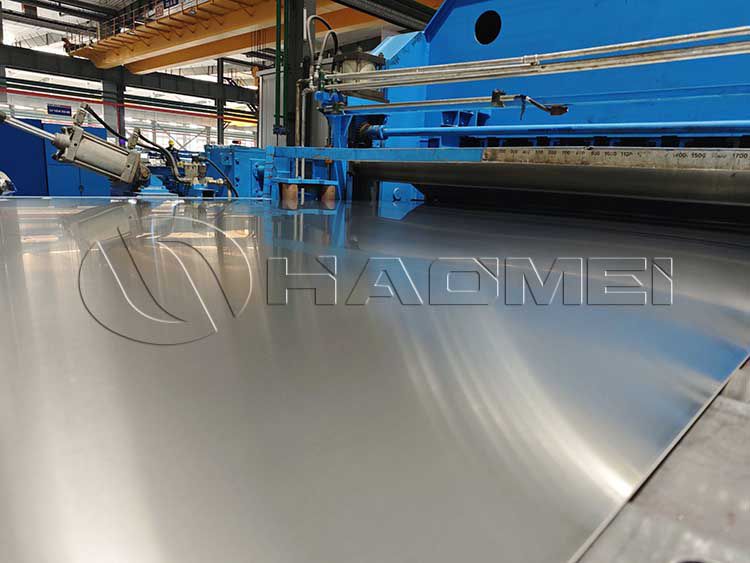
5052 aluminium alloy
5052 aluminum alloy belongs to Al-Mg alloy. Its tensile strength fluctuates between 170-305MPa, showing a medium strength level. In some occasions where there are certain requirements for 5052 aluminum strength and other properties need to be taken into account, 5052 aluminum alloy can meet the needs well.
Its conditional yield strength is ≥90MPa, and its elastic modulus is in the range of 69.3 - 70.7Gpa. These data indicate that it can maintain good structural stability when subjected to stress and is not prone to excessive deformation.
5754 aluminum alloy
5754 aluminum alloy also belongs to the Al-Mg alloy family. Its tensile strength is generally in the range of 165-265MPa, and it also shows medium strength characteristics. However, compared with 5052 aluminum alloy, its lower limit of strength range is slightly lower.
In terms of yield strength, it is usually between 80-220MPa, and the elongation is generally between 10%-30%, which means that it has a certain strength and good plasticity, and can withstand tensile deformation to a certain extent without breaking. Its hardness is generally between HB65-HB85, and the specific value is affected by the heat treatment state.
Factors that lead to strength differences
The subtle role of alloy composition
The influence of magnesium content: Magnesium is the key alloying element of these two alloys. The magnesium content in 5052 aluminum alloy is 2.2-2.8%, while the magnesium content in 5754 aluminum alloy is 2.6-3.6%.
Although the magnesium content of 5754 aluminum alloy seems to be higher, the alloy performance is not determined solely by the magnesium content. The relatively high magnesium content in 5052 aluminum alloy makes its structure more compact and orderly when forming intermetallic compounds, thus slightly better in hardness performance. The magnesium content in 5754 aluminum alloy is relatively more evenly distributed, which is beneficial to the improvement of alloy toughness.
Synergistic effect of other elements: In addition to magnesium, the alloy also contains manganese, chromium, silicon and other elements. In 5052 aluminum alloy, the chromium content is 0.15-0.35%, and the manganese content is ≤0.10%. These elements work together with magnesium to improve the strength of the base metal and weld and reduce the tendency of welding cracks.
In 5754 aluminum coil, the silicon content is 0.40%, which is slightly higher than that of 5052 aluminum alloy. Silicon improves its forging performance and corrosion resistance, and affects the balance of strength and toughness, so that 5754 aluminum alloy has better comprehensive processing performance while maintaining a certain strength.
Heat treatment and processing technology
Differences in heat treatment state: Different heat treatment states will significantly change the properties of the alloy. In the annealed state, the 5052 aluminum alloy has good plasticity but relatively reduced strength; after cold work hardening, the strength is improved but the plasticity is reduced.
The 5754 aluminum alloy is similar, except that due to its alloy composition characteristics, the change range of strength and plasticity is different from that of the 5052 aluminum alloy under the same heat treatment process.
Influence of processing technology: Hot working and cold working processes also affect the strength of the two alloys. During hot working, the appropriate hot working process can optimize the internal structure of 5052 and improve the uniformity of strength. Proper control of 5754 aluminum alloy during hot working can enable it to meet specific strength requirements while maintaining good processing performance.
In terms of cold working, the performance change law of 5754 aluminum alloy under cold working state is different from that of 5052 aluminum alloy, which also leads to different strength performance under different cold working processes.
Original Source:https://www.autoaluminumsheet.com/a/what-is-5052-and-5754-aluminum-strength.html
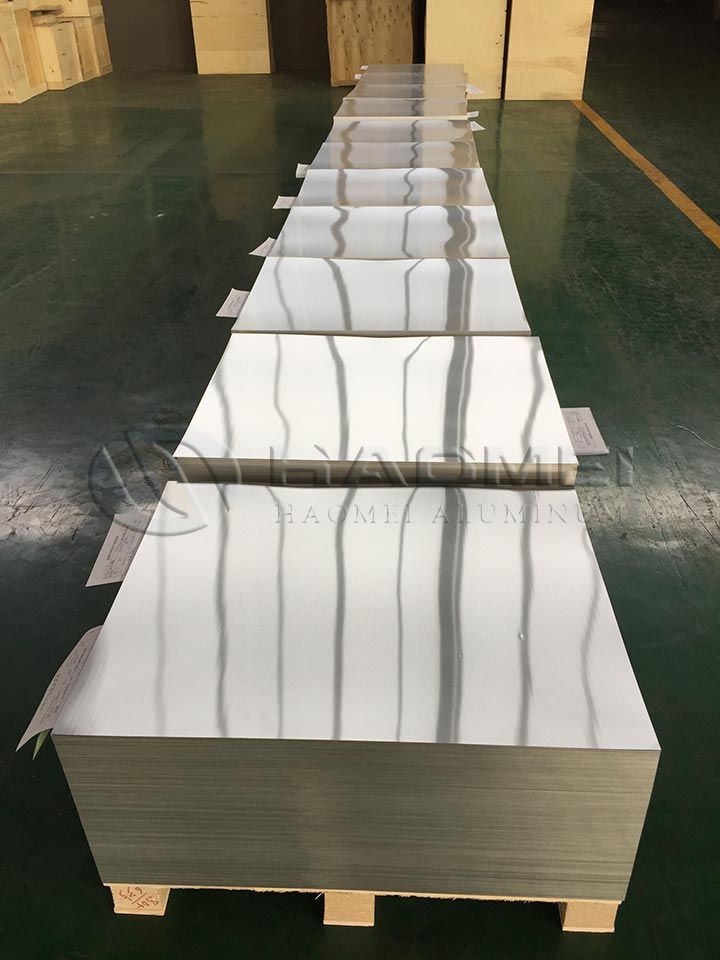
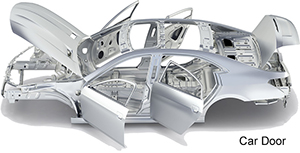 Secondly, when comparing the strength-to-weight ratio of metals, 5052 aluminum can absorb the impact energy twice that of low-carbon steel. Therefore, the 5052 aluminum sheet can absorb the energy of the collision and help ensure the safety of passengers. This is extremely important in passenger cars.