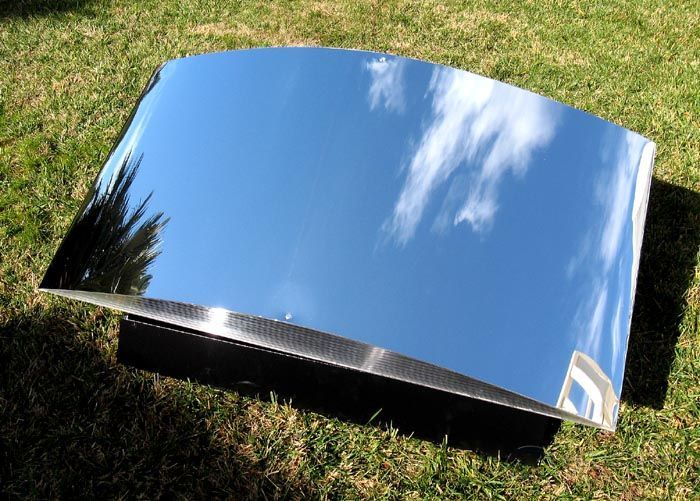
In sectors such as decorative aluminum, industrial components, lighting reflectors, and architectural curtain walls, the mirror finish aluminum sheet is a frequently chosen material due to its high-gloss, smooth metallic texture. People often confuse mirror-polished aluminum with anodized mirror aluminum; while both achieve a high-gloss mirror effect, they differ significantly in their underlying processes, surface properties, durability, and application scenarios.
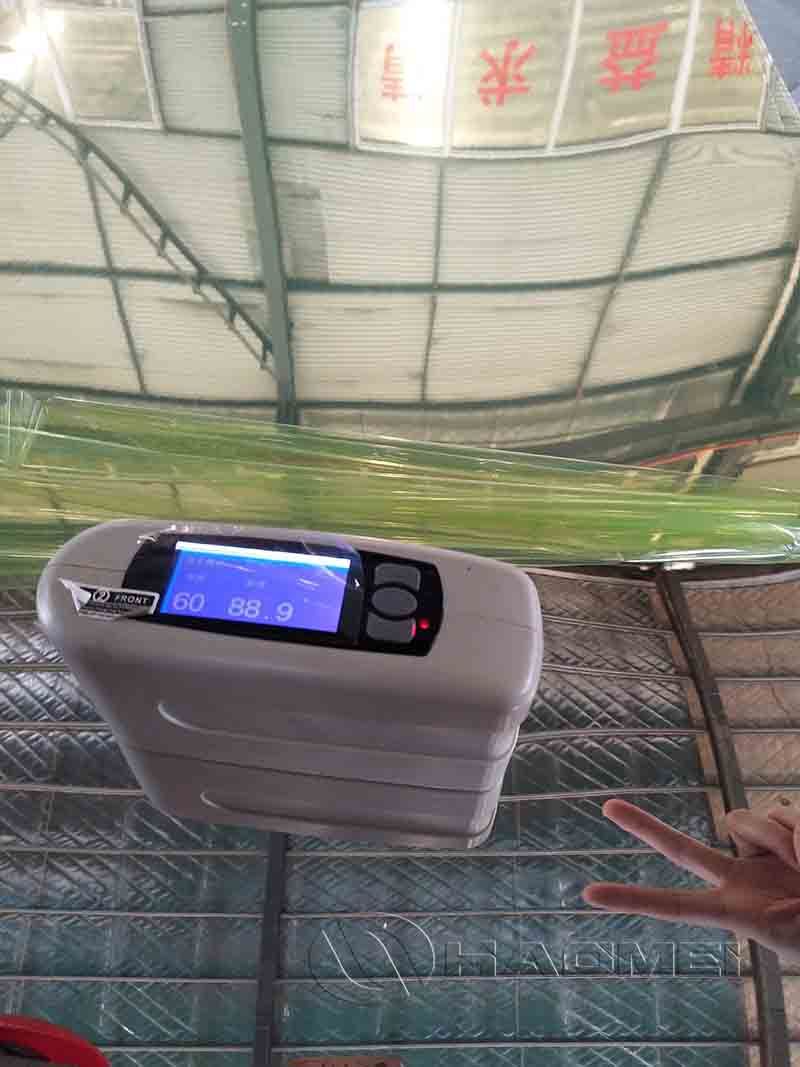
I. Core Process Principles: Physical Polishing vs. Electrochemical Modification
The fundamental difference between the two lies in their distinct surface treatment processes, which dictate all subsequent performance variations.
1. Mirror-Polished Aluminum
Mirror-polished aluminum is produced using purely physical or simple chemical methods—such as mechanical grinding, high-speed buffing, and chemical polishing—to remove burrs, oxide scale, surface marks, and irregularities, resulting in an exceptionally flat, smooth mirror finish. The process involves only surface refinement without altering the material's internal structure or creating an additional coating layer; the original metallic surface is preserved, relying solely on the aluminum's naturally occurring, ultra-thin oxide film for basic protection.
2. Anodized Mirror Aluminum
Anodized mirror aluminum involves a composite process of polishing followed by anodizing. First, precision polishing creates a high-gloss mirror base; subsequently, electrochemical anodizing triggers a chemical reaction on the surface, generating an in-situ, dense, and uniform ceramic-like aluminum oxide protective layer. This oxide layer integrates seamlessly with the aluminum substrate—typically with a thickness of 5–25 microns—preserving the high-gloss mirror aesthetic while fundamentally transforming the surface's protective structure.
II. Surface Appearance and Texture
To the naked eye, the two appear remarkably similar; however, industry professionals can quickly distinguish them based on subtle textural differences and visual stability.
The reflective aluminum sheet offers superior clarity and higher reflectivity, showcasing a pure, brilliant metallic texture with exceptional image sharpness—making it ideal for applications requiring an ultimate high-gloss mirror finish and maximum reflectivity. However, its surface lacks a protective layer, making it highly susceptible to fingerprints and oily residue; even slight contact can leave scratches. Prolonged exposure to air or humidity causes gradual oxidation—resulting in blackening or whitening—and a continuous decline in mirror-like reflectivity.
In contrast, anodized mirror-finish aluminum undergoes an oxidation and sealing process that creates a fine protective film on the surface. This results in a softer, more refined mirror texture and superior reflection uniformity, eliminating issues with uneven light reflection.
Although its peak reflectivity is slightly lower than that of pure polished aluminum, the surface finish is more stable and resistant to fingerprints; it retains its color and luster over long periods, offering greater visual consistency. Additionally, the oxide film allows for dyeing, enabling a variety of colors—such as silver, black, and gold—to be applied over the mirror finish, thereby enhancing decorative versatility.
III. Key Performance Differences
Performance differences serve as the primary basis for material selection. Significant disparities in wear resistance, corrosion resistance, and weatherability directly determine the material's service life.
1. Wear and Scratch Resistance
The surface of mirror-polished aluminum consists of pure aluminum, which is relatively soft and has poor wear resistance. Even minor friction or wiping can cause fine scratches, leading to surface dulling or hazing over time; consequently, it is generally unsuitable for applications involving frequent contact or friction.
The aluminum oxide film formed during anodizing is far harder than pure aluminum—approaching the hardness of ceramic—and offers excellent scratch and wear resistance. Daily wiping or minor friction will not damage the mirror surface, allowing it to remain smooth and glossy over the long term with significantly enhanced durability against wear.
2. Corrosion and Weather Resistance
Mirror-polished aluminum lacks an effective protective layer and has poor corrosion resistance. In environments characterized by humidity, acidity/alkalinity, rainfall, or salt spray, it rapidly oxidizes, develops mold, and forms white spots. It is suitable only for dry, enclosed indoor environments; outdoor use leads to rapid degradation. The dense oxide layer of anodized mirror-finish aluminum completely isolates the aluminum substrate from air, moisture, and acidic or alkaline media. It offers excellent resistance to salt spray, humidity, and temperature extremes, making it suitable for demanding environments such as outdoor settings, humid workshops, and coastal areas with high salinity; its service life is several times that of standard polished aluminum.
3. Processing Compatibility
Mirror-polished aluminum possesses good ductility and lacks a hardened surface layer; consequently, secondary processing—such as bending, stretching, or stamping—is unlikely to cause cracking or delamination. It offers high processing tolerance, making it ideal for irregularly shaped parts and complex structural components.
In contrast, the surface oxide layer of anodized mirror-finish aluminum is relatively hard and brittle. Significant bending or stretching can easily cause micro-cracks in the coating, resulting in slightly lower processing versatility. It is better suited for flat sheets, components with minor bends, and regular structural shapes; complex forming processes require prior optimization of manufacturing techniques.
IV. Comparison of Application Scenarios
Given their performance differences, the application scenarios for these two materials are clearly defined; selecting the right material based on specific needs ensures a balance between performance and cost.
Application scenarios for mirror-polished aluminum: Limited to dry, indoor environments with static conditions, minimal handling, and short-term use. Common examples include disposable decorative ornaments, temporary display signage, indoor static reflective components, and low-cost decorative covers. Its core advantages are a superior mirror finish and high cost-effectiveness, where long-term durability is not a requirement.
Application scenarios for anodized mirror-finish aluminum: Suitable for long-term use, outdoor exposure, frequent handling, and demanding operating conditions. It is widely used in outdoor architectural curtain walls, door and window trim, automotive exterior parts, lighting reflectors, high-end appliance casings, decorative panels for precision equipment, and outdoor billboards, offering a combination of aesthetic appeal and high stability.
https://www.alsheetplate.com/a/mirror-polished-vs-anodized-mirror-aluminum-whats-the-difference.html