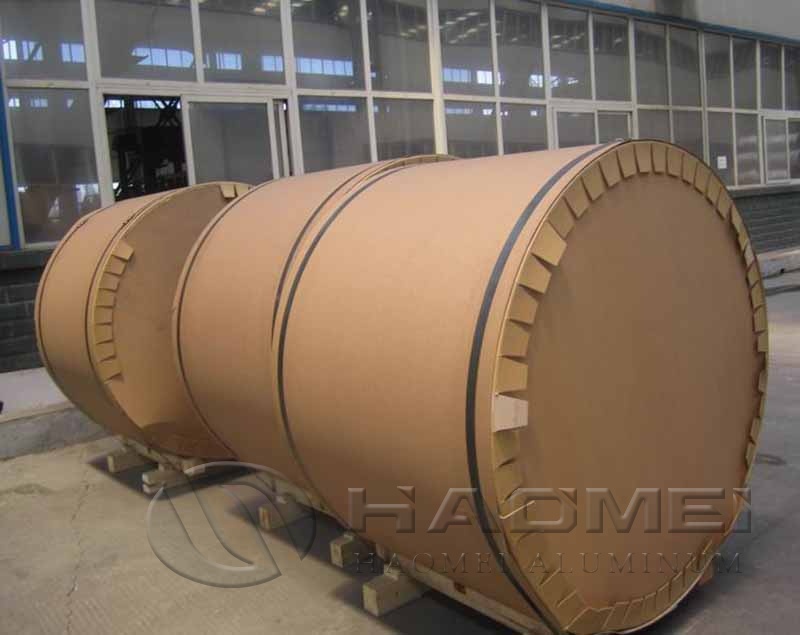
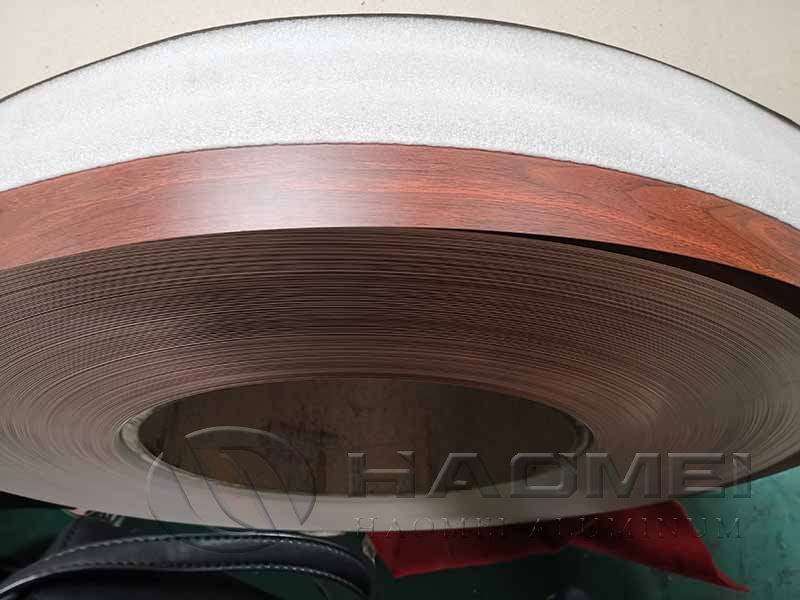
Tira de aluminio para bobinado de transformadores

 La tira de aluminio para bobinado de transformadores se selecciona por conductividad, estabilidad dimensional, calidad del borde y compatibilidad con el sistema aislante. Para compradores industriales, el menor precio por tonelada no siempre genera el menor coste del transformador: una rebaba elevada, variación de espesor o mala planitud puede aumentar el desperdicio, dañar el aislamiento y detener el bobinador.

El aluminio es una alternativa habitual al cobre en transformadores de distribución y potencia cuando el diseño admite mayor sección transversal. A 20 °C, el aluminio eléctrico presenta aproximadamente el 61 % de la conductividad del cobre según la referencia IACS. Por ello, para una resistencia equivalente, suele requerirse cerca de 1,6 veces el área de sección. Sin embargo, su densidad es de aproximadamente 2,70 g/cm³, frente a cerca de 8,96 g/cm³ del cobre, por lo que el conductor equivalente puede reducir de forma relevante el peso.
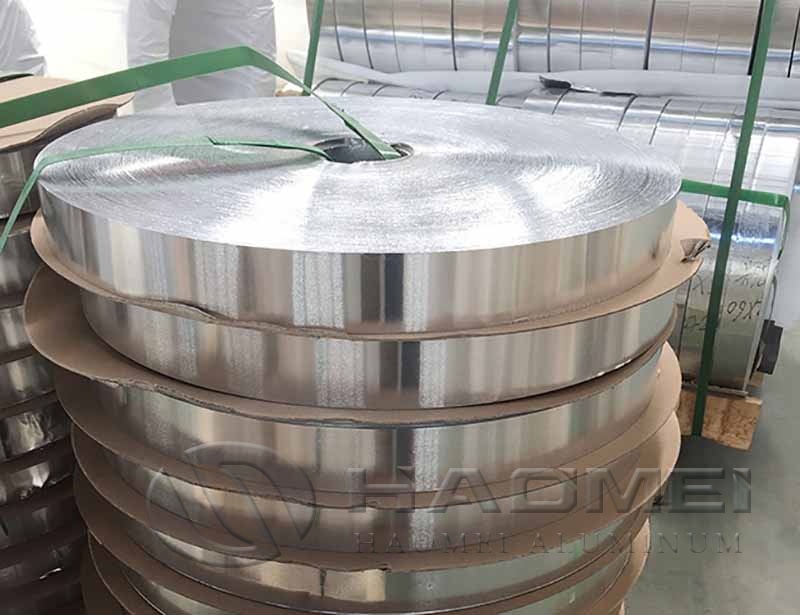
Tira fina de aluminio para transformador

Material y especificación que debe figurar en la orden de compra

Las aleaciones de la serie 1xxx son las más utilizadas en conductores planos por su alta pureza y conductividad. Las calidades 1050, 1060 y 1350 se evalúan habitualmente según el diseño eléctrico, la disponibilidad regional y los requisitos de certificación del fabricante del transformador. La aleación 1350 es una referencia frecuente para aplicaciones eléctricas; 1050 y 1060 también se emplean cuando sus propiedades certificadas satisfacen la especificación.

La composición química por sí sola no basta. Solicite un certificado de inspección del lote que indique aleación, temple, propiedades mecánicas, conductividad o resistividad a 20 °C, dimensiones reales, número de colada y trazabilidad de la bobina. Para programas con requisitos estrictos, conviene validar una muestra en la línea de bobinado antes de aprobar la producción completa.

Parámetro de compraRiesgo si no se definePráctica recomendable
Aleación y templeConductividad o rigidez no conformesIndicar designación, estado metalúrgico y propiedades objetivo
Espesor y toleranciaPérdidas eléctricas y variación de vueltasDefinir tolerancia nominal y método de medición
Ancho y escuadraDesalineación en el bobinadoEstablecer ancho, tolerancia y control de borde
RebabaDaño del esmalte o papel aislanteAcordar límite de rebaba y orientación de enrollado
Diámetro interior y masa de bobinaIncompatibilidad con el desbobinadorConfirmar equipo, sentido de bobinado y peso máximo
EmbalajeOxidación, golpes y telescopadoExigir protección antihumedad y flejado apto para transporte

Característica crítica para el cliente: la calidad del borde. Una tira con rebaba, borde agrietado o viruta puede perforar el aislamiento entre espiras. El pedido debe especificar borde cortado, condición de rebaba, ausencia de filo peligroso y método de inspección, no limitarse al ancho nominal.

Para una aplicación estándar, una Tira de aluminio 1050 puede evaluarse por su equilibrio entre pureza, conformabilidad y disponibilidad. La aprobación final debe basarse en la resistividad certificada y en la prueba del bobinado, no únicamente en el nombre comercial de la aleación.

Fabricación, control de calidad y normas aplicables

La ruta industrial comienza con colada y laminación en caliente, seguida de laminación en frío hasta el espesor requerido. Después se realizan recocido, nivelado cuando procede, corte longitudinal y embalaje. El recocido controla la dureza y la capacidad de conformación: un material excesivamente duro puede marcarse o fisurarse en radios pequeños, mientras que un material demasiado blando puede deformarse durante el manejo.

El comprador debe distinguir entre tira laminada y producto simplemente cortado de una bobina general. La segunda opción puede ser válida, pero exige verificar que la operación de corte longitudinal mantiene bordes limpios, tensión uniforme y bobinas sin desplazamiento lateral.
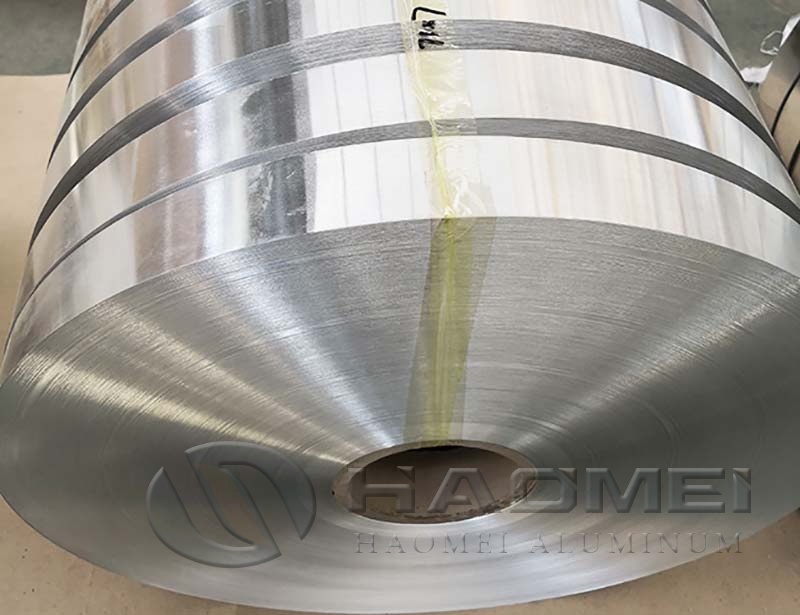
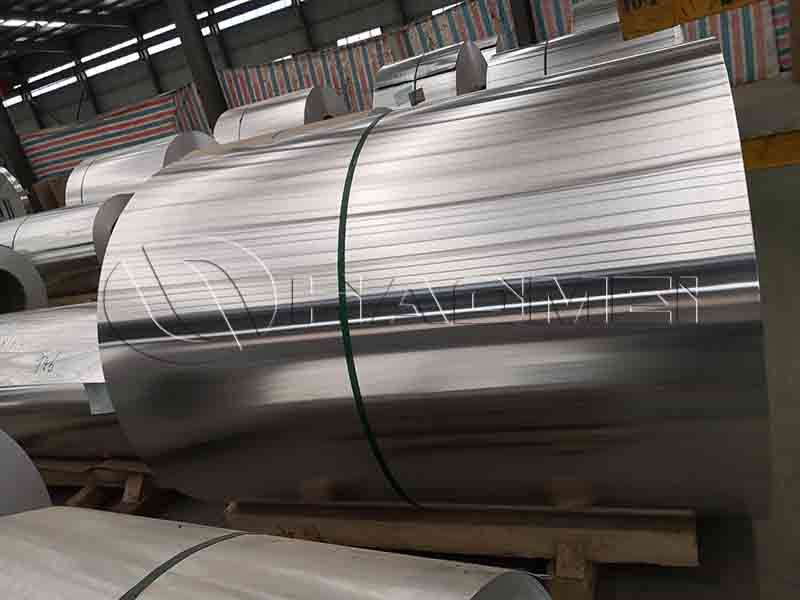
Bobina de tira de aluminio

Las normas aplicables dependen del mercado y del contrato. EN 485 establece requisitos de aleaciones de aluminio forjado en chapa, banda y placa, incluidas propiedades mecánicas y tolerancias dimensionales. ASTM B209 cubre chapa y banda de aluminio y aleaciones de aluminio. Para la conductividad, ASTM B193 describe métodos de ensayo de resistividad y conductividad de materiales conductores. En proyectos eléctricos, las especificaciones del transformador y las normas del sistema aislante tienen prioridad sobre una norma general de producto.

Lista de control para homologación:

  1. Confirmar plano del conductor: espesor, ancho, radios y tolerancias.
  2. Solicitar certificado de lote y conservar la trazabilidad por bobina.
  3. Medir espesor en varios puntos del ancho y a lo largo de la bobina.
  4. Inspeccionar bordes, planitud, aceite superficial y posibles rayas.
  5. Verificar diámetro interior, sentido de desenrollado y peso frente al equipo.
  6. Ejecutar una prueba de bobinado y revisión del aislamiento antes del pedido seriado.

Una Tira de aluminio destinada a conductor debe entregarse limpia y seca. El aluminio forma una capa natural de óxido, pero el almacenamiento con condensación, cloruros o contacto con materiales incompatibles puede generar corrosión superficial y problemas de contacto. Mantenga las bobinas embaladas hasta su uso y aclimate el material antes de abrirlo si llega desde un entorno con gran diferencia térmica.

Costes, suministro y ciclo de mercado

El coste total debe separarse en tres componentes: metal primario, prima regional y transformación. La referencia internacional del aluminio primario suele seguir la cotización de la Bolsa de Metales de Londres, mientras que la prima regional refleja logística, disponibilidad física, aranceles y condiciones locales. A ello se añade el coste de laminación, recocido, corte longitudinal, embalaje, inspección y transporte.

Comparar ofertas solo por precio por kilogramo oculta diferencias relevantes. Una bobina con tolerancia más amplia puede parecer económica, pero elevar el consumo por sobreespesor. Del mismo modo, una bobina demasiado pesada para el equipo puede requerir rebobinado interno o provocar paradas.

Factor de mercadoEfecto en la compraMedida de gestión
Variación del aluminio primarioCambia el valor del metal entre oferta y entregaAcordar fórmula de precio y fecha de fijación
Prima regional y fleteAfecta el coste puesto en plantaComparar condición de entrega y ruta logística
Capacidad de corte longitudinalPuede alargar plazos para anchos especialesReservar capacidad con previsión mensual
Disponibilidad de bobina madreLimita espesores y templesHomologar alternativas técnicas antes de una escasez
Tipo de cambioModifica compras internacionalesDefinir moneda, cobertura y periodo de validez

El ciclo del aluminio puede tensionarse por energía, alúmina, capacidad de fundición, transporte marítimo y demanda de redes eléctricas. Para contratos recurrentes, es prudente combinar una previsión móvil de demanda con inventario de seguridad calculado según consumo, plazo de fabricación y riesgo logístico. También conviene separar el plazo de producción del plazo de tránsito y exigir confirmación temprana de la disponibilidad de bobina madre.

La especificación más eficaz vincula el rendimiento técnico con las condiciones comerciales: aleación aprobada, conductividad mínima acordada, tolerancias verificables, límite de rebaba, embalaje, certificados, tratamiento de reclamaciones y fórmula de precio. Esta estructura reduce la incertidumbre tanto para el fabricante de transformadores como para el proveedor de banda.

Original source: https://www.placadealuminio.es/a/aluminum-strip-for-transformer-winding.html

Non-Stick Cookware Manufacturing Trends

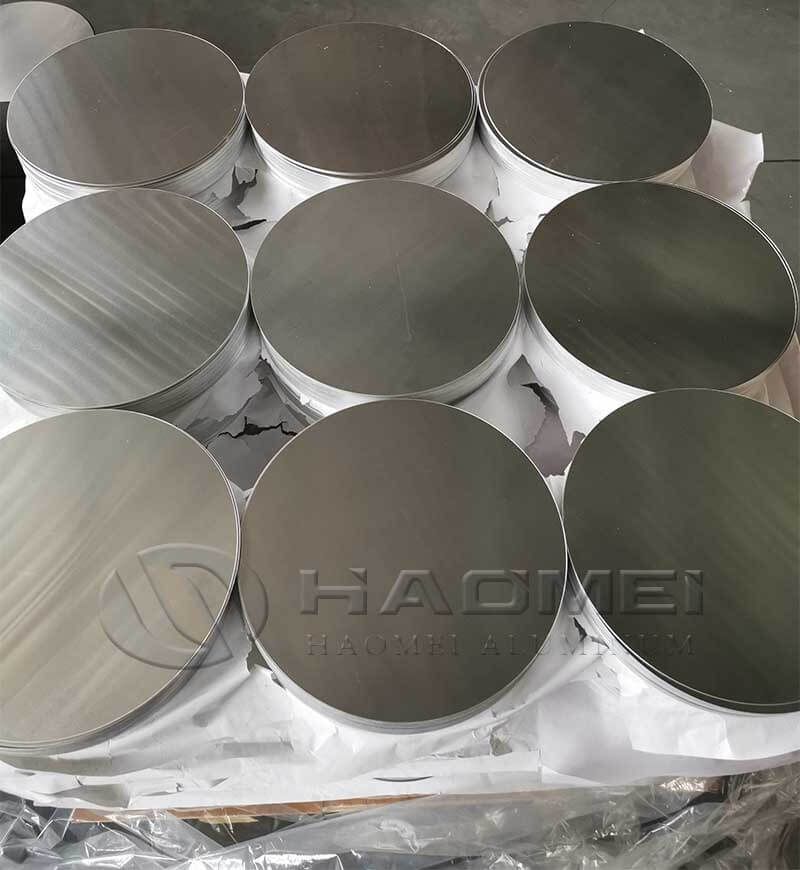
 Non-stick cookware is a kitchen essential, and its quality and performance start with a foundational component: aluminum circles. These pre-cut aluminum circle blanks are the starting point for crafting pots and pans, and their quality directly shapes every step of manufacturing—from forming processes to the final product's durability and appearance.

aluminum circle blanks.jpg

Key Trends Shaping Non-Stick Cookware Manufacturing in 2026

1. Demand for Safer Coatings

Traditional PTFE coatings are now paired with ceramic, hybrid and PFOA-free options. Health-focused consumers want toxin-free cookware that resists high temperatures, driving manufacturers to adopt safe, high-performance coating technologies.

2. Focus on Durability

Modern consumers prefer long-lasting cookware, so brands use multi-layered coatings, reinforced surfaces and better bonding. Scratch resistance and non-stick longevity are key, requiring a sturdy aluminum base.

3. Aesthetic Innovation

Cookware is now part of kitchen decor. Manufacturers offer sleek designs, matte finishes and varied colors to suit consumer tastes, requiring aluminum circles with smooth, uniform surfaces for consistent coating.

4. Energy Efficiency

Induction-compatible cookware is popular for sustainability. Aluminum, non-magnetic by nature, can be paired with magnetic bases, and high-quality aluminum circles enable precise forming for seamless integration and better energy efficiency.

5. Sustainable Production

The industry is shifting to green manufacturing, using recycled aluminum and reducing waste. High-quality aluminum circles minimize material loss during production, aligning with sustainability goals.

How Aluminum Circle Quality Impacts Non-Stick Cookware Production

1. Coating Adhesion

The success of non-stick cookware depends on strong coating adhesion to aluminum. Poor adhesion causes peeling or flaking, a top consumer complaint. High-quality aluminum circles ensure good adhesion in two key ways:

Firstly, surface smoothness is vital. Low-quality aluminum has uneven surfaces, pits or oxidation that create gaps, weakening the coating bond. Premium aluminum circles have smooth, defect-free surfaces that work well with pre-treatments like sandblasting to boost adhesion.

Secondly, aluminum purity matters. Impurities like iron or copper react with coatings, disrupting bonding. High-purity aluminum (99%+) minimizes these reactions, while small amounts of magnesium or manganese improve mechanical properties without harming adhesion.

2. Spinning

Spinning is a common forming process where aluminum circles are spun at high speed to shape pots and pans. It requires consistent aluminum properties to avoid defects. Low-quality circles have uneven thickness or grain, causing issues during spinning.

Inconsistent thickness leads to warping or cracking. High-quality aluminum circles have tight thickness tolerances (±0.05mm) and fine, uniform grain, enabling smooth deformation without tearing or wrinkling during spinning.

Optimal ductility in premium aluminum circles allows shaping complex designs (e.g., deep pans) without structural damage, improving both functionality (even heat distribution) and appearance.

3. Deep Drawing

Deep drawing creates deep pots and Dutch ovens by stretching aluminum circles into dies, demanding higher aluminum quality than spinning. Uniformity in thickness and ductility is essential for successful forming. As a big aluminum circle manufacturer, Haomei Aluminum can provide such aluminum discs.

Thick spots or low ductility cause "earing" (wavy edges) or tearing. High-quality aluminum circles have consistent thickness and ductility, and proper tensile strength, avoiding these defects and ensuring uniform shapes.

Smooth, defect-free aluminum surfaces prevent scratches or marks during deep drawing, ensuring a clean finish that supports uniform coating application.

4. Final Pan Appearance

Visual appeal is as important as functionality for modern consumers, who expect smooth, uniform finishes and no defects-aluminum circle quality is key to this aesthetic excellence.

Surface defects in aluminum (pits, scratches) show through coatings, while uneven thickness causes warping. High-quality aluminum circles ensure even coating application and consistent shapes, boosting both appearance and performance.

For colored or matte coatings, aluminum uniformity is critical-surface or thickness variations cause uneven color absorption. Premium aluminum circles provide a consistent base, meeting strict aesthetic standards.

Original source: https://www.aluminum-circle.com/a/non-stick-cookware-manufacturing-trends.html

Diverse Uses of Food Aluminum Foil in Household Life

 In kitchen drawers across countless households, there is almost always a roll of unassuming aluminum foil food. While it may look ordinary, it is a highly versatile and cost-effective kitchen essential; thanks to key advantages—such as high-temperature resistance, excellent sealing, even heat conduction, and non-stick, easy-to-clean properties—it is perfectly suited for a wide range of cooking methods.

Aluminum foil for food cooking.jpg

I. Indoor and Outdoor Barbecuing

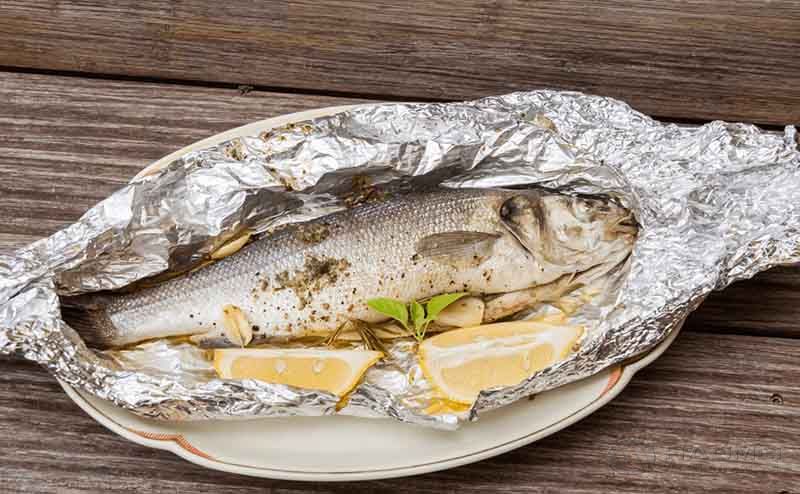
When grilling meats or seafood, completely wrapping the ingredients in aluminum foil creates a sealed, high-temperature "micro-steaming" environment. This locks in juices and marinades, preventing the moisture loss often caused by direct exposure to high-heat charcoal flames. The resulting chicken wings, ribs, and salmon are tender and juicy—avoiding issues like charred exteriors with raw interiors or tough, dry meat—while allowing spice flavors to fully permeate the food.

For vegetables that tend to soften or fall apart—such as enoki mushrooms, eggplants, and garlic chives—grilling on a sheet of foil prevents them from slipping through the grate gaps. It also stops sauces from dripping onto the coals and charring (which creates smoke), resulting in a cleaner, healthier grilling experience.

Furthermore, the foil’s heat resistance and non-stick nature act as a barrier between the food and the grill or baking tray, effectively preventing burning and sticking. Cleanup is effortless; simply discard the used foil rather than scrubbing cookware, significantly reducing the post-cooking workload.

If you desire a crispy, caramelized exterior, you can first wrap the food in foil to cook it through, then open the foil and grill at high heat for a few minutes—combining a tender, juicy interior with a delicious, charred finish.

II. Steaming

Most people are accustomed to placing dishes directly into the steamer, but many ingredients tend to drip juices or absorb excess condensation during the process, leading to diluted flavors and a mushy texture.

Aluminum foil for steaming is an excellent companion for steaming, suitable for various steamed and double-boiled dishes—particularly those involving delicate ingredients or seasoned recipes. When steaming dishes like meat patties, egg custard, shrimp with garlic and vermicelli, or marinated meats, covering the bowl or wrapping the ingredients directly with aluminum foil prevents condensation from the steamer lid from dripping onto the food. This avoids diluting the seasonings and preserves the ingredients' natural flavors and the nuances of the seasoning.

Furthermore, the foil's ability to seal in heat ensures even cooking and reduces steaming time, preventing the food from becoming tough or losing nutrients due to prolonged exposure to heat.

III. Oven Baking

In baking, aluminum foil is an invaluable tool for beginners, helping to ensure success across a wide range of applications—from cakes, breads, and cookies to roasted sweet potatoes and nuts. Its primary functions are temperature control, color protection, and preventing burning; it effectively solves common baking issues such as uneven browning, burnt surfaces, and undercooked interiors.

When baking cakes, loaves, or breads, the high heat from the oven's top and bottom elements can cause the surface to brown or burn quickly before the inside is fully cooked. Placing a sheet of aluminum foil over the top utilizes the foil's heat-reflecting properties to shield the surface from intense heat, allowing heat to penetrate evenly to the center. This prevents the surface from becoming black or hard while ensuring the item is cooked through, resulting in baked goods that are soft, fluffy, and evenly colored.

When roasting items like sweet potatoes, potatoes, or chestnuts, wrapping them tightly in aluminum foil before placing them in the oven locks in their natural moisture, preventing the flesh from drying out or hardening. The result is a tender, sweet, and juicy texture. Additionally, lining the baking tray with foil catches dripping grease and syrups, preventing food from sticking to the pan or creating burnt, carbonized residue, making oven cleanup quick and easy.

IV. Daily Cooking and Braising

Beyond these three major uses, aluminum foil for food cooking offers a multitude of practical applications in everyday home cooking. It is highly versatile, suitable for braising, slow-cooking, keeping food warm, and prepping ingredients.

When braising large cuts of meat or stewing poultry and fish, wrapping them in aluminum foil accelerates the tenderizing process, shortens cooking time, and results in a more succulent, flavorful texture.

When pan-searing steaks or pork chops, covering the meat with foil for a few minutes after the initial sear utilizes residual heat for even cooking, locking in juices and preventing the meat from drying out. After cooking, foil can also be used to wrap hot leftovers; its excellent thermal insulation and sealing properties keep food warm for longer, preventing it from cooling down too quickly.

Aluminum foil is also ideal for food prep and portioning. Wrapping ingredients during marination prevents seasonings from evaporating or cross-contaminating flavors, while using it for refrigerator storage blocks bacteria and preserves freshness far better than standard plastic wrap. For hard-to-clean pot bottoms or baking trays, lining them with foil before cooking allows for easy cleanup—simply peel off and discard the foil to eliminate stubborn grease and grime.

Quick Tips for Using Food-Grade Aluminum Foil

1. Distinguish Sides: Place the matte side against the food and the shiny side facing outward for optimal heat conduction and retention.

2. Avoid Empty Heating: While aluminum foil is heat-resistant, do not expose it to direct open flames without food inside, as this can cause oxidation or damage.

Conclusion

3. Caution with Strong Acids and Alkalis: When wrapping foods containing vinegar, high salt content, or acidic sauces for extended periods, consider shortening the heating time to prolong the foil's integrity.

Original Source: 

Aluminum ROPP Cap Material

 Aluminum ROPP cap material is rolled sheet or coil used to manufacture roll-on pilfer-proof closures for wine, spirits, edible oil, pharmaceutical, and beverage packaging. During cap production, the metal is blanked, drawn, skirted, decorated, fitted with a liner, and threaded onto the bottle during capping.

Priority feature: stable drawability. A low-cost coil that cracks, wrinkles, or produces inconsistent skirt geometry can create substantially higher cap-making losses than a higher-priced coil with controlled mechanical properties. For this reason, purchasing teams should approve material based on forming performance, not nominal thickness alone.

aluminum plain sheet

Specify the Closure Sheet for Repeatable Forming

ROPP closures commonly use 8011 aluminum alloy, with 3105 also used for selected closure designs. Alloy selection, temper, gauge, surface condition, and coil flatness must match the cap maker's tooling and draw depth.

A typical wine closure may use approximately 0.20 mm to 0.23 mm sheet, while some larger or more rigid spirit closures use thicker stock. These are market practices rather than universal specifications. Cap diameter, skirt length, embossing, threading, liner system, and forming sequence determine the final requirement.

Control ItemWhat to SpecifyWhy It Matters
Alloy8011 or approved alternative, with chemistry certificateChemistry affects strength, elongation, and forming consistency.
TemperCommonly H14 or H16, subject to cap-tool validationExcess hardness can cause cracks; excess softness can affect panel stability.
ThicknessNominal gauge and agreed toleranceGauge variation changes cap height, draw behavior, and material yield.
Width and edgeSlit width, burr limit, edge qualityPoor edges can create feeding problems and blanking defects.
SurfaceMill finish, pretreated, painted, or printedSurface quality affects coating adhesion and decoration appearance.
Coil geometryInside diameter, outside diameter, coil weight, telescoping limitGeometry must suit the press, feeder, and handling equipment.

Do not rely only on a mill certificate. Request a production trial using the actual cap geometry, including blanking, deep drawing, threading, and torque application. Review scrap rate, earing, skirt cracking, coating damage, and final closure torque retention.

For uncoated starting stock, Plain Aluminum should be checked for rolling marks, oil staining, dents, edge wave, and coil-set issues before it enters a coating or printing line.

Practical Formability Approval Checklist

  • Confirm tensile strength and elongation test methods and sampling frequency.

  • Compare actual coil results against the approved trial coil, not a broad generic range.

  • Define allowable earing and cup-wall variation through a cap-making trial.

  • Inspect both coil heads and the middle of the coil for gauge and surface consistency.

  • Retain reference samples for appearance and drawability dispute resolution.

  • Require traceability from finished coil to cast, rolling campaign, coating batch, and shipment documents.

Select Coating and Printing Systems for Product Contact and Appearance

ROPP stock is supplied as plain, color-coated, varnished, or printed sheet and coil. The coating system may include pretreatment, base coat, color coat, overprint varnish, and internal lacquer. External decoration must resist abrasion during filling, capping, handling, and transport. Internal coatings must be assessed for the intended product-contact conditions.

printed aluminum closure sheet

Material FormatSuitable UseMain Risk to Control
Plain mill-finish sheetIn-house coating or specialized conversionSurface contamination and inconsistent pretreatment response
Pre-painted coilStandard color closures and shorter decoration lead timesColor variation between production campaigns
Printed sheet or coilBrand-heavy wine, spirits, and promotional closuresRegistration error, ink adhesion, scuffing, and color mismatch
Lacquered internal surfaceProducts requiring corrosion protectionProduct compatibility and coating integrity after forming

For food and beverage closures sold into the United States, coatings used in food-contact applications may need to comply with applicable U.S. Food and Drug Administration requirements, including 21 CFR 175.300 for certain resinous and polymeric coatings. In the European Union, food-contact materials are governed by Regulation (EC) No 1935/2004, while Regulation (EC) No 2023/2006 establishes good manufacturing practice requirements.

These regulations do not make every coating automatically suitable for every filling product. Acidic beverages, high-alcohol spirits, edible oils, and products with long shelf life can require different corrosion and migration assessments. Obtain a declaration of compliance for the finished coated or printed closure material, plus information on intended use, contact temperature, storage time, and product type.

For decoration approval, use a controlled master standard. Confirm color under an agreed illuminant, typically D65 where relevant, and define acceptable delta E measurement conditions, gloss range, print registration tolerance, and rub-resistance test method. Visual approval without measurable criteria often causes avoidable disputes.

Manage Cost, Supply Chain, and Market Cycles

Closure-sheet pricing is usually built from four elements: aluminum metal value, regional premium, rolling conversion, and value-added coating or printing. Freight, duties, packing, insurance, and payment terms can materially change the delivered cost.

Cost DriverTypical Effect on Delivered CostPurchasing Control
LME aluminum priceHigh and volatileSet a transparent indexation formula and price-fixing window.
Regional premiumCan change with regional supply and logisticsIdentify the premium basis and location in the contract.
Rolling conversionDepends on gauge, width, quality controls, and order patternCompare conversion separately from metal value.
Coating and printingHigher for multi-color, specialty varnish, and tight color controlApprove artwork, color standard, and yield assumptions early.
Freight and packagingSignificant for cross-border shipmentsSpecify seaworthy packing, pallet pattern, and moisture protection.

The International Aluminium Institute reported global primary aluminum production of about 72.3 million tonnes in 2024. Primary aluminum availability therefore differs from closure-sheet availability: ROPP stock requires suitable alloy, rolling capacity, surface quality, coating capability, and qualified logistics.

Market cycles can tighten conversion capacity even when aluminum metal is available. Watch rolling mill maintenance schedules, regional energy costs, trade measures, port congestion, and changes in beverage or spirits demand. Aluminum's recyclability can support lower-carbon sourcing strategies, but recycled-content claims should be supported by a documented calculation method and defined system boundary.

Release Checklist for Each Shipment

  1. Match alloy, temper, thickness, width, and coil geometry against the purchase specification.

  2. Review mill test certificate values against approved mechanical-property limits.

  3. Verify coating batch, color standard, print artwork revision, and internal-lacquer identification.

  4. Inspect packaging for water ingress, crushed coil edges, telescoping, and pallet damage.

  5. Confirm food-contact declarations and test evidence for the destination market and filling product.

  6. Keep retained samples and traceability records until the packaged product has passed its agreed shelf-life review.

Original Source: https://www.alclosuresheet.com/a/aluminum-ropp-cap-material.html

Aluminum Strip for Dry-Type Transformers

 In power transmission and distribution, renewable energy supply, and industrial power distribution systems, dry-type transformers are increasingly replacing traditional oil-immersed transformers. Their core advantages—being oil-free, fire- and explosion-resistant, easy to maintain, and suitable for indoor environments—have made them essential power infrastructure components across various applications.

The soft aluminum strip for transformer is a specialized core material used to wind transformer coils, primarily for epoxy resin-cast dry-type transformers. It is compatible with the vast majority of mainstream models on the market, covering the full spectrum of high- and low-voltage specifications. Compared to oil-immersed transformers, dry-type transformers impose stricter requirements on the flexibility, electrical conductivity, and surface flatness of aluminum strips to accommodate the sealed casting and curing manufacturing processes.

soft aluminum strip for transformer .jpg

I. Key Application Scenarios for Dry-Type Transformer Aluminum Strips

Market demand for dry-type transformer aluminum strips is concentrated in four key sectors: commercial buildings, solar power plants, data centers, and industrial facilities. Performance requirements for the strips vary significantly across these scenarios.

1. Commercial Buildings

Commercial buildings—such as shopping malls, office towers, and urban complexes—feature high population density and demand strict fire safety and maintenance-free operation, making them prime markets for dry-type transformers. With stable load profiles, these applications require aluminum strips that offer good flexibility, uniform conductivity, and oxidation resistance to ensure long-term, low-loss equipment operation.

2. Solar Power Plants

Photovoltaic power generation is characterized by intermittency and fluctuation, leading to frequent voltage and load surges. Specialized aluminum strips with high conductivity and fatigue resistance are required to enhance the transformer's overload and short-circuit resilience. This prevents winding degradation caused by frequent operational shocks and ensures stable power grid integration.

3. Data Centers

Data centers require uninterrupted 24/7 power supply, placing extreme demands on equipment reliability and energy efficiency. The use of high-precision, low-resistance, and low-loss aluminum strips effectively controls temperature rise, minimizes the risk of power supply failures, and ensures the stable operation of sensitive equipment.

4. Industrial Facility Scenarios

Industrial settings—such as chemical processing, metallurgy, and smart manufacturing—involve heavy loads, frequent mechanical shocks, and demanding operating conditions. High-quality aluminum strip with high strength, heat resistance, and corrosion resistance is essential. It ensures that transformer winding remain undeformed and cool during continuous, high-load operation, thereby extending the equipment's service life.

II. Mainstream Aluminum Alloys for Dry-Type Transformer Winding

Dry-type transformer winding utilize high-purity industrial aluminum strip (O-temper/soft annealed), offering a combination of high conductivity, ease of bending, and stable performance. The industry primarily employs four alloy grades—1050, 1060, 1070, and 1350—selected to suit specific operating conditions.

1. 1050 Aluminum Strip: Cost-Effective Choice

1050 EC grade aluminum strip (aluminum content ≥99.5%): Offers excellent cost-performance and formability. As a standard, general-purpose option, it is widely used in small-to-medium power transformers for commercial buildings and standard factory facilities, representing the highest market volume.

2. 1060 Aluminum Strip: Right for Most Conditions

1060 aluminum strip (aluminum content ≥99.6%): Features a balance of conductivity, strength, and corrosion resistance. With performance superior to the 1050 grade, it is suitable for most medium-to-high power commercial and industrial dry-type transformers and serves as a mainstream industry choice.

3. 1070 Aluminum Strip: High-Performance Option

1070 aluminum strip (aluminum content ≥99.7%): Characterized by high purity, low energy loss, excellent short-circuit resistance, low heat generation, and high stability. It is specifically designed for high-end, high-reliability power supply scenarios, such as data centers and photovoltaic power plants.

4. 1350 Aluminum Strip: High-Purity Option

1350 aluminum strip: A high-purity aluminum material dedicated to electrical applications. It offers top-tier conductivity and aging resistance with extremely low impurity levels, making it suitable for demanding, high-load conditions found in high-end precision transformers, high-power step-up transformers for new energy, and specialized industrial transformers.

Original source: https://www.alcustrip.com/a/aluminum-strip-for-dry-type-transformers.html

Decorative Aluminium Strips

 Decorative aluminium strips are selected for visible edges, trims, ceilings, furniture profiles, appliance panels, signage, and interior wall systems. The main purchasing concern is not only price. It is surface consistency: color, gloss, grain direction, flatness, and scratch control across repeat orders.

aluminum strip stock

For volume programs, define the appearance standard before negotiating tonnage. A low unit price loses value if batches differ after installation.

Specify Appearance Before Price

Start with a sample approval process. Keep one signed master sample, one working sample for incoming inspection, and one retained sample at the mill or service center. Record alloy, temper, coating system, gloss, color code, film thickness, protective film type, and grain direction.

Control pointPractical specificationWhy it matters
Alloy1050, 1060, 1100, 3003, 3004, 3105, 5052Balances formability, strength, corrosion resistance
TemperO, H14, H16, H18, H24Controls bending, springback, and dent resistance
ThicknessCommon decorative range: 0.20-2.00 mmAffects rigidity, cost, and slitting stability
Width toleranceDefine per EN 485 or ASTM B209 purchase termsPrevents edge gaps in trim systems
Coating thicknessState primer plus topcoat targetControls weathering and abrasion life
GlossDefine measurement angle, often 60 degreesPrevents visible panel mismatch
Color toleranceUse CIELAB Delta E methodCreates an objective acceptance rule

Aluminum has a density of about 2.70 g/cm3, roughly one-third that of steel. Its elastic modulus is about 69 GPa, so wider trims may need ribs, backing, or thicker gauge to avoid waviness. Thermal expansion is about 23 x 10^-6 /K, which matters for long facade and ceiling runs.

Alloy, Finish, and Application Choices

Decorative aluminum trim materials are usually made from rolled input metal, then degreased, chemically pretreated, coated or anodized, cured, slit, leveled, protected, and packed. The right route depends on appearance, forming, and exposure.

Finish routeStrengthsWatch pointsTypical use
PE coatingEconomical, good indoor color rangeLimited outdoor durability versus fluorocarbon systemsFurniture, interior trim, ceilings
PVDF coatingStrong UV and weather resistanceHigher cost, color matching needs strict controlFacades, exterior signage, canopies
AnodizingMetallic look, hard oxide surfaceColor range and bending need validationElevator trim, electronics, premium interiors
Wood grain transferNatural decorative effect on metalGrain repeat and batch tone must be controlledDoors, windows, wall decoration
Brushed or mirror finishHigh visual impactFingerprints and handling scratchesAppliances, retail display, interior panels

For exterior projects, fluorocarbon coating is often specified because PVDF resin systems have strong weathering performance. When color retention is critical, review PVDF Coated Aluminium Coil Sheet options, coating warranty conditions, and pretreatment chemistry.

For warm interior design, wood effects can replace natural timber while improving dimensional stability and fire-related project control when combined with approved substrates. A prefinished Wood Grain Aluminum Trim Coil is commonly slit into narrow decorative profiles after pattern approval.

wood grain aluminium strip

Use standards as contract language, not as decoration. ASTM B209 covers aluminum and aluminum-alloy flat rolled products in the United States. EN 485 covers mechanical properties and dimensional tolerances for aluminum rolled products in Europe. EN 573-3 defines chemical composition. EN 1396 is widely referenced for coated aluminum products for building use. AAMA 2603, 2604, and 2605 are often used to classify organic coatings on architectural aluminum; confirm the project scope because these standards were developed for architectural aluminum finishing.

Compliance should be documented, not assumed. Ask for mill test certificates, RoHS and REACH declarations where applicable, coating technical data sheets, safety data sheets, and packaging declarations for wood pallets under ISPM 15 when exporting.

Cost, Supply Chain, and Inspection Checklist

The usual price formula is aluminum base price plus regional premium plus conversion cost plus coating, slitting, packing, financing, and freight. The aluminum base is commonly referenced to LME official prices, which are published daily by the London Metal Exchange. Regional premiums are published by recognized price reporting agencies such as Fastmarkets, Platts, and Argus; contract terms should state which reference is used.

Cost elementWhat to verifyRisk if ignored
Metal basePricing date, average period, currencyUnexpected invoice movement
Regional premiumDuty status, origin, delivery regionHidden import cost
ConversionAlloy, temper, thickness, width, MOQQuote not comparable
CoatingResin type, paint brand, film thicknessPoor color life or adhesion
SlittingBurr height, camber, edge conditionAssembly scratches and jamming
PackagingEye-to-wall or eye-to-sky, pallet, VCI paperTransit dent, water stain
FreightIncoterms 2020, port congestion, insuranceDelayed project handover

Market cycles matter. Aluminum prices respond to power costs, alumina supply, smelter curtailments, exchange inventories, interest rates, and construction demand. Coated decorative products add another cycle: paint resin, solvents, pigments, protective film, and container freight. For annual programs, reduce volatility by agreeing on a pricing formula, monthly metal adjustment, and fixed conversion charge.

Supply chain planning should separate metal lead time from finishing lead time. Standard alloy and color may ship faster. Custom color, special gloss, embossed texture, or wood pattern approval can add sampling and curing trials. Narrow-width slit products also need edge protection because handling damage rises as width decreases.

Use this inspection plan before shipment:

  1. Confirm purchase order against approved drawing: alloy, temper, thickness, width, inner diameter, outer diameter, surface, packing.
  2. Check certificate values against ASTM B209, EN 485, or agreed standard.
  3. Measure thickness at edge and center with calibrated instruments.
  4. Inspect color by spectrophotometer using the agreed Delta E limit.
  5. Measure gloss at the stated angle.
  6. Test coating adhesion by cross-cut method where specified, such as ISO 2409 or ASTM D3359.
  7. Bend a sample to the required radius and inspect for cracking.
  8. Check burr, camber, telescoping, coil collapse, scratches, dents, water stains, and protective film adhesion.
  9. Photograph package markings before loading.
  10. Record batch number for traceability after installation.
DefectLikely causeCorrective action
Color differencePaint batch change, oven variationFreeze approved sample and Delta E limit
Edge burrWorn slitting knives, wrong clearanceDefine burr limit and knife maintenance
Wavy edgeResidual stress, poor levelingRequire tension leveling and flatness check
Coating peelWeak pretreatment, under-cureAudit pretreatment and curing temperature
Water stainCondensation during transportUse dry packing, desiccant, sealed storage
Surface scratchesHandling or hard particlesRequire protective film and clean rollers

Release a lot only when documents, dimensions, surface appearance, packaging, and traceability match the approved control plan.

Colored Aluminum Sheet Metal

  Holiday retail displays, exterior trim, signage frames, decorative panels, and seasonal fixtures often fail for one avoidable reason: inco...