显示标签为“5083 aluminum sheet”的博文。显示所有博文

5083 h32 h111 Aluminum Sheet

 In tank truck manufacturing, "lightweight" and "corrosion resistance" are two core requirements. The former directly affects transportation fuel consumption and load efficiency, while the latter determines the tank truck's service life (especially for specialized media such as chemicals and food).
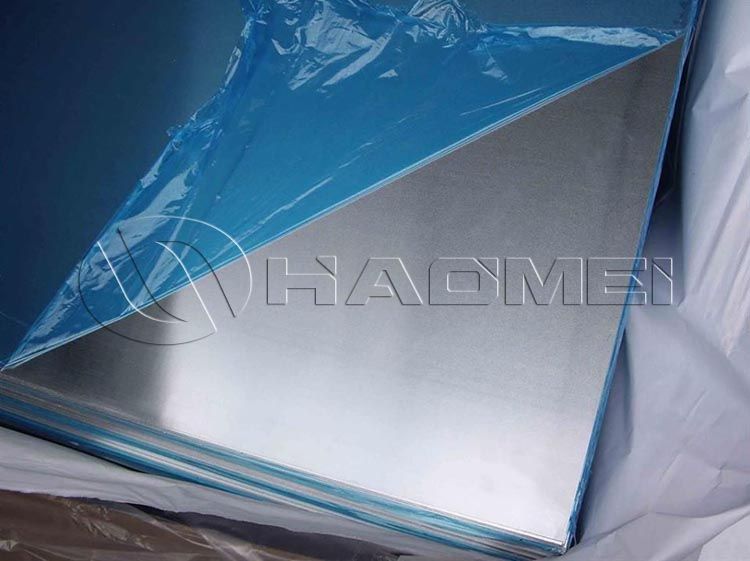
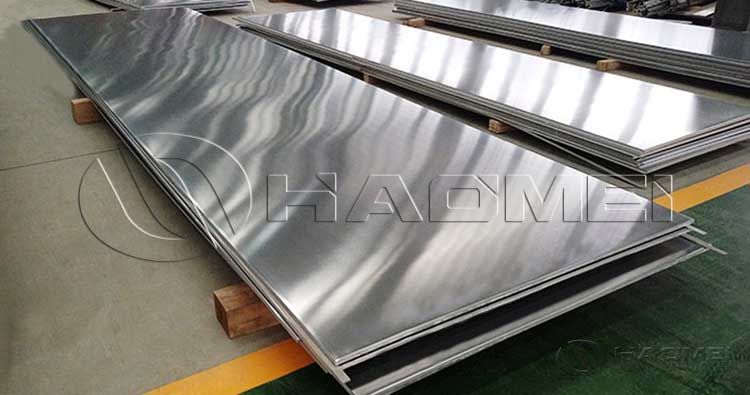
5083 h32 aluminum sheet.jpg5083 aluminum plate, with its unique alloy composition and processing properties, has become the preferred material for tank truck body construction. It is a rust-resistant Al-Mg (aluminum-magnesium) alloy with a magnesium content of approximately 4.0%-4.9%. This composition gives it two core advantages:

Extreme corrosion resistance: The addition of magnesium gives 5083 aluminum excellent resistance to corrosion in marine atmospheres and industrial environments. Even with long-term contact with chemical liquids (such as dilute acids and alkalis) or food-grade media (such as cooking oil and drinking water), it is not susceptible to oxidation leakage, eliminating the need for frequent anti-corrosion treatments.

High specific strength: At the same weight, 5083 alloy's strength far exceeds that of ordinary carbon steel (tensile strength of approximately 270-350 MPa). Using it to manufacture tank truck bodies can reduce weight by 30%-40% while maintaining the tank's resistance to deformation (for example, to withstand bumps and pressure shocks during transportation).

Furthermore, 5083 aluminum sheet also has excellent weldability. Tank truck bodies require splicing and welding, but 5083 aluminum sheet maintains weld strength and corrosion resistance without the need for complex heat treatment after welding, significantly reducing manufacturing costs. This is a key reason why it has become the mainstream material for tank trucks, replacing traditional carbon steel and stainless steel.

5083 H32

1. Core Performance

Mechanical Properties: The tensile strength of the 5083 h32 aluminum sheet approximately 310 MPa, yield strength approximately 250 MPa, and elongation approximately 15%—compared to standard 5083 in its base state, this represents a nearly 20% increase in strength, allowing it to withstand greater pressure and impact.

Processing Characteristics: After hardening, H32 aluminum sheet exhibits increased hardness (Vickers hardness approximately 80 HV), yet still retains a certain degree of cold forming capability. It can be formed into rounded tank body sections through processes such as bending and rounding. However, it is not suitable for complex deep drawing (such as special-shaped joints on tank bodies).

2. Tank Truck Applications

Heavy-Duty Tank Trucks: These tank trucks need to withstand the weight of the material, and H32's high yield strength prevents bulging and deformation.

High-Pressure Tank Trucks: For example, tank trucks transporting liquefied natural gas (LNG) and compressed air typically operate at pressures between 0.8 and 1.6 MPa. H32's high strength ensures the tank's tightness and safety under high pressure.

Critical Tank Parts: Even standard liquid tank trucks use H32 aluminum sheet in stress-bearing areas such as the tank's "reinforcement ribs" and "head," enhancing overall structural strength.

5083 H111

1. Core Performance

Mechanical Properties: The tensile Strength of Al 5083 h111 is 270MPa, yield strength is 110MPa, and elongation is 22%—Lower strength than H32, but higher elongation, meaning it has greater "plasticity" and can easily handle complex processes such as bending, deep drawing, and spinning.

Processing Characteristics: Annealing treatment reduces the hardness of H111 aluminum sheet (Vickers hardness ~60HV), making it less prone to cracking during processing and achieving a higher surface flatness, making it suitable for parts requiring precise forming. Annealing also eliminates internal stress, preventing deformation of the can body due to stress release during long-term use. Corrosion resistance is also more stable than H32 (no risk of microcracking associated with hardening).

2. Tank Truck Applications

Light-load liquid tank trucks: For example, tank trucks transporting edible oil, drinking water, and daily chemicals typically have a load capacity of 10-20 tons. H111's strength is sufficient to meet these requirements, and its easy formability allows it to adapt to multiple interfaces on the tank body (such as feed, discharge, and cleaning ports).

Complex molded parts: For non-planar components such as tank trucks' "elliptical heads" and "conical bottoms," deep drawing or spinning processes are required. H111's high plasticity prevents cracking during processing.

Food-grade tank trucks: Due to its smoother annealed surface, H111 eliminates the risk of stress corrosion. It also meets food hygiene standards, reduces residual media, and facilitates cleaning (e.g., milk tank trucks).


Original Source:https://www.aluminumtankerplate.com/a/5083-h32-h111-aluminum-sheet.html
What Are The Uses of 5083 and 5454 Aluminum Sheet in Automobile

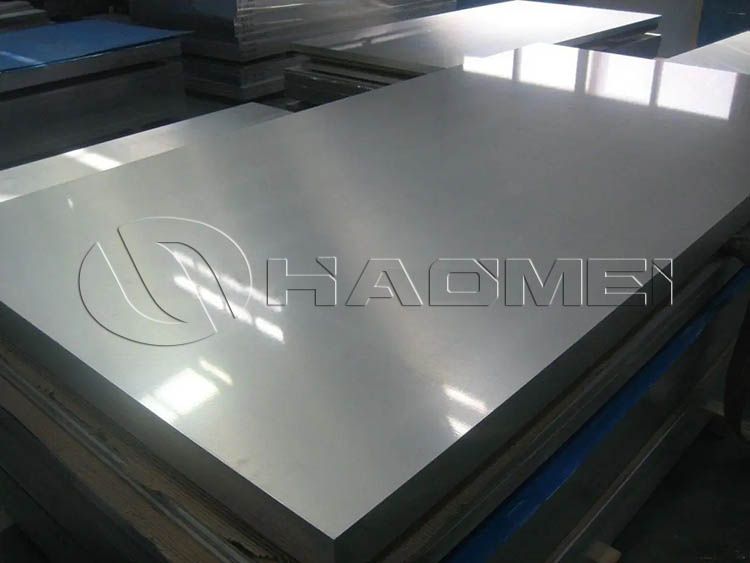
 As an Al-Mg alloy, 5454 aluminum sheet is a typical rust-proof aluminum with about the same strength as 5154 and about 20% greater than 5052. It is mostly used in automobile wheels. 5454 can adapt to harsh corrosive environments and is a typical rust-proof aluminum with high strength, about 20% higher than 5052 aluminum plate. 5454 aluminum plate is widely used in automobiles, aluminum tank truck body and other fields.

5083 Aluminum is alloyed with magnesium and trace amounts of manganese and chromium. 5083 alloy retains very high strength after welding. It is the strongest of the non-heat-treatable alloys, but is not recommended for use above 65°C.

5454 aluminum sheet.jpg

5083 aluminum alloy has a variety of applications in automobile manufacturing, mainly due to its characteristics such as lightweight, corrosion resistance and machinability. Here are some common applications of 5083 aluminum alloy in automobile manufacturing:

Body structure: 5083 aluminum alloy can be used in the manufacture of automotive body structures, such as body frames, doors, trunk lids and hoods. Due to the lightweight characteristics of 5083 alloy, it can reduce the weight of the vehicle body, improve fuel efficiency and performance, while maintaining sufficient strength.

Wheels: 5083 aluminum alloy is also used to make hubs and spokes because its corrosion resistance and strength enable it to withstand the challenges of road conditions and meteorological environments.

Suspension components: 5083 aluminum alloy can be used to manufacture suspension components such as suspension arms, suspension brackets, and shock absorbers. Lightweight suspension components can improve the suspension performance and handling of the vehicle.

Fuel tanks and exhaust systems: 5083 aluminum alloy can also be used to manufacture components of fuel tanks and exhaust systems. Due to its corrosion resistance, it can reduce corrosion and oil leakage problems in these parts.

Interior parts: 5083 aluminum alloy can also be used in automotive interior parts such as dashboards, door panels and seat structures. It can provide a beautiful appearance and withstand daily wear and tear.

Chassis components: 5083 aluminum alloy can be used to manufacture chassis components such as trays, suspension elements and chassis brackets, providing sufficient strength while reducing the weight of the chassis.

In general, the application of OEM 5083 aluminum plate in automobile manufacturing helps to reduce vehicle weight, improve fuel efficiency and reduce exhaust emissions, so it is very popular in the modern automotive industry. However, choosing the right aluminum alloy and appropriate process are essential to ensure the performance and safety of the car.


Original Source:https://www.autoaluminumsheet.com/a/what-are-the-uses-of-5083-and-5454-aluminum-sheet-in-automobile.html

5251 5454 5083 Aluminum Sheet

 5251 aluminum sheet was registered by the European Aluminum Association in 1972. It is a high-strength, corrosion-resistant and rust-proof aluminum. 5251 has good corrosion resistance, high strength, wear resistance and good welding performance. It is widely used for structural parts and pressure vessels in aerospace, automobiles, railways, ships, construction, metallurgy and other fields.

5251 aluminum alloy can be heat treated in various states, with high mechanical properties and hardness. The commn tempers are O, H32, H34, H36, etc., which can improve its strength and hardness. After heat treatment in H32 state, the hardness of 5251 aluminum alloy can reach 65~75HB.

5251 aluminum sheet .jpg

Mechanical properties

Tensile strength: ≥215MPa

Yield strength: ≥95MPa

Elongation: ≥10%

Physical properties:

Density: 2.69 g/cm³

Coefficient of thermal expansion: 23.2 x 10^~6/℃

Thermal conductivity: 121 W/(m·K)

5454 aluminum sheet is an Al-Mg alloy with good anti-rust effect. It has high strength, about 20% higher than 5052 aluminum plate, which can adapt to relatively harsh environments, and has excellent corrosion resistance. In addition, 5454 aluminum plate also has good plasticity and good formability, and is mostly used in welding structures, pressure vessels, ships and marine facility pipelines, and tanker barrels.

The construction of marine pipelines requires materials to cope with the harsh marine environment, so choosing the right materials is critical. In this field, 5454 aluminum plate has attracted much attention due to its excellent performance and has become the preferred material for marine pipeline construction.

5083 plate is a non-heat-treatable alloy known for its resistance to extreme environments, including seawater corrosion and industrial chemicals. Due to its ultra-high strength with limited machinability, aluminium plate 5083 is the material of choice for marine and waterborne applications, often in shipbuilding. Other uses for this alloy include transportation applications such as rail, truck and car bodies, as well as pressure vessels and food processors.

5083-H116 aluminum plate is a hot-rolled aluminum plate. The main features of 5083-H116 aluminum plate are low density, high tensile strength, high elongation, good machinability, corrosion resistance and welding performance. As cars, ships and airplanes become important modern means of transportation, the demand for 5083-H116 aluminum plate will also increase.

Original Source: 

Marine Aluminum Grade 5083 and 5086

 The high toughness, corrosion resistance and weldability of marine aluminum sheets provide a good choice for the construction of ships with strict weight requirements, coupled with the low processing cost of aluminum and the outstanding physical properties of aluminum alloy, making aluminum alloy ships are very economical. The two common choices are 5083 and 5086 aluminum.

What are the aluminium 5083 properties? It is a typical alloy in the Al-Mg series. It cannot be strengthened by heat treatment, and has the characteristics of medium strength, good corrosion resistance, weldability, and easy processing and forming. Many foreign speedboats are built with 5083 aluminum alloy. Mg plays the main strengthening role in the 5083 alloy. The main strengthening phase of the alloy is (Mg5Al8) phase, and Mg has a certain solid solution strengthening effect. As the Mg content increases, the strengthening phase in the alloy also increases. Because the strengthening phase is bone-like in the eutectic structure and has a high hardness. The increase of the strengthening phase leads to an increase in the strength of the alloy.

 aluminium 5083 properties.jpg

In the environment of different marine zones on an island reef, the corrosion rate of 5083 aluminum alloy is in order from large to small: full immersion area, tidal range area, and atmospheric area. The corrosion form of 5083 aluminum alloy in different marine environments of an island reef is dominated by local corrosion. The maximum pitting depth of the sample in the atmospheric region is the largest, and the maximum pitting depth of the sample in the tidal range region is the smallest.

Generally speaking, the 5086-h112, 5086-h32, 5086-h321 and 5086-h116 aluminum sheet are often used. It is an also a typical 5xxx Al-Mg alloy. The magnesium content generally does not exceed 7%. With the increase of the magnesium content, the strength of the alloy will increase, and the plasticity will decrease. 5086 aluminum sheet is usually used in the annealed state, cold hardened or semi-cold hardened state.

From 1966 to 1971, the United States built 14 "Ashville" class high-speed gunboats. The main deck and bottom plate were made of 12.7mm thick 5086-H32 aluminum alloy, and the profiles were made of 5086-H112 aluminum alloy. In addition, 5052 alloy aluminum plate and 5454 aluminum alloy are also used for decks and so on. Haomei Aluminum has all the main marine grade aluminium sheets with certification. Welcome to leave message below to inquire what you need.


Original Source:https://www.marinealu.com/a/marine-aluminum-grade-5083-and-5086.html

What Are The Marine Aluminum Welding Processes

 Due to aluminum's low density, high strength, high rigidity and corrosion resistance, ships built with aluminum are 15% to 20% lighter than ships built with steel or other synthetic materials. The high toughness, corrosion resistance and weldability of aluminum alloy provide a good choice for the construction of ships with strict weight requirements. What are the welding processes for marine aluminum alloys?

IMG_20190719_115820.jpg

TIG welding and MIG welding

Commonly used welding methods for aluminum alloys are tungsten inert gas welding (TIG welding) and molten inert gas welding (MIG welding). The electrode of TIG welding is refractory metal tungsten or tungsten alloy rod. The electrode does not melt during the arc combustion process, so it is easy to maintain a constant arc length and the welding process is stable.

During welding, the electrodes, arc zone and molten metal are all under the protection of inert gas to isolate them from the air. Tungsten argon arc welding is commonly used, that is, argon is used as the shielding gas. Aluminum alloy TIG welding generally uses AC power, and the cathode atomization effect of the negative half-wave current can be used to effectively clean the oxide film on the aluminum alloy surface and improve fusion.

MIG welding uses welding wire as electrode and filler metal, and welding is performed under the protection of inert gas. Since the welding wire is used as the electrode, high-density welding current can be used, so the infiltration of the base metal like 5052 Al is large, the deposition speed of the filler metal is fast, and the deformation of the weldment is smaller than that of TIG welding. The aluminum alloy molten electrode argon arc welding adopts DC reverse connection, which has a good cathode atomization effect and can effectively ensure the quality requirements of the weld.

After several years of development, MIG welding has become increasingly mature from welding equipment, welding materials to welding processes, and it has become possible to obtain high-quality MIG welds. At present, more than 90% of foreign aluminum alloys are welded by MIG welding. In view of the outstanding advantages of marine aluminum welding nd MIG welding, the mature aluminum alloy MIG welding process has been studied and proposed to provide a guarantee for the application of aluminum alloys in shipbuilding.

Laser welding

Laser welding technology has a series of advantages such as concentrated heat input, small workpiece deformation, fast welding speed, and good processing quality. The use of laser manufacturing technology in the shipbuilding industry will definitely shorten the ship construction cycle and improve and stabilize ship manufacturing quality.

In the process of welding 5083 sheet with CO2 laser, the weld seam formation of 5083 alloy is greatly affected by welding conditions, laser parameters and shielding gas composition, mainly in the forming quality. In the case of penetration welding, the stability of the laser welding process is poor.

The fillet weld welding of 6mm thick 5083 marine aluminum alloy T-shaped member was realized by CO2 laser wire-filling welding method. The laser beam incidence angle, action position, and the matching of welding speed and wire feeding speed have a great influence on the fillet weld formation of T-shaped members. Under the optimized parameters, welding of 6mm thick plates can obtain satisfactory weld formation. Welcome to leave message below to inquire marine aluminum sheet price.


Original Source:https://www.marinealu.com/a/what-are-the-marine-aluminum-welding-processes.html

Why Is 5083 Aluminum Sheet Used for Fuel Tanker

 At present, the widely used tank body materials of oil tankers include carbon steel, stainless steel and aluminum sheet, each of which has its own advantages. In recent years, with the introduction of the concept of lightweight, more and more manufacturers choose aluminum alloy as the tank material. The main alloy grades are 5083, 5754, 5454, 5182 and 5059. Today we focus on the requirements of the tank body material of the tanker and the advantages of the aw 5083 aluminium.

Since the aluminum alloy tanker is lighter than the carbon steel tanker, the fuel consumption during transportation is reduced. When the no-load driving speed is 40 km/h, 60 km/h and 80 km/h, the fuel consumption of the aluminum alloy tank is 12.1%, 10% and 7.9% lower than that of the carbon steel tank, thereby reducing daily operating costs. Aluminum alloy semi-trailer tank truck can reduce tire wear due to its light weight, thereby reducing vehicle maintenance costs.

aluminum plate for tanker body.jpg

Oil tanks for transporting aviation gasoline and jet kerosene must be welded with aluminum alloy, because even if stainless steel tanks are used, a very small amount of iron will enter the oil, which is not allowed.

The 16t oil tank truck developed by Mitsubishi Motors Corporation of Japan, except that the tank is welded with aluminum alloy plates, its frame (11210mm×940mm×300mm) is made of aluminum alloy profiles, which is 320kg lighter than the steel frame. The 16t oil tank truck developed by Mitsubishi Motors Corporation of Japan, except that the tank is welded with aluminum alloy plates, its frame (11210mm×940mm×300mm) is made of aluminum alloy profiles, which is 320kg lighter than the steel frame.

The cross-section of the cylinder is a circular arc rectangle, which is based on the consideration of lowering the center of gravity of the vehicle and increasing the cross-sectional area within the range of vehicle dimensions. It is welded with 5083 alloy and the thickness of the plate is 5mm~6mm. The material of the baffle and the head is the same as that of the tank body, which is also 5083 alloy.

The wall thickness of the head is equal to or greater than that of the tank body plate, the thickness of the baffle and bulkhead is 1mm thinner than that of the tank body, and the thickness of the left and right support plates at the bottom of the tank body is 6mm~8mm, and the material is 5A06.

Advantages of 5083 aluminum plate for tanker body

1. High strength. It is not easy to deform. EN 5083 aluminium has high strength, especially high fatigue resistance, high plasticity and corrosion resistance.

2. Good corrosion resistance and long service life. 5083 aluminum plate contains magnesium element, which has good forming performance, corrosion resistance and weldability. It can meet the corrosion resistance requirements of tank car body materials and has a long service life.

3. Good fire resistance and high safety. In the event of strong impact, the tank weld is not easy to crack.

4. Good environmental protection and high recycling rate. Carbon steel materials cannot be recycled and can only be treated as scrap iron, while aluminum alloy tanks can be recycled and reused, and the recycling price is also high.


Original Source:https://www.aluminumtankerplate.com/a/why-is-5083-aluminum-sheet-used-for-fuel-tanker.html

Alloy 5083 VS 6061 Aluminum Sheet

 Alloy 5083 is a typical product of 5xxx aluminum plate, mostly in the tempers of H321 and H116, which is usually used in the shipbuilding industry. 6061 aluminium sheet is a typical one of the 6xxx aluminum, usually in the temper of T6, T651 and T652. So what is the specific difference between 5083 and 6061?

Alloy 5083.jpg

The contrast between aluminum 5083 and 6061 is relatively obvious:

1. 6061 aluminum plate reaches medium strength after heat treatment (T6), and its strength is higher than 5083 material.

2. Aluminum plate 6061-T651 is easier to process than 5083 aluminum plate . It shows better machining performance when machining with single-point or multi-axis diamond tools.

3. 6061 alloy has excellent surface treatment and anodic oxidation characteristics, and the effect of hard oxidation is slightly better than that of 5083 aluminum sheet.

4. 6061 aluminum has a certain degree of corrosion resistance, and the corrosion resistance will not decrease when exposed to the air, but it is not as strong as 5083.

5. Alloy 5083 has good corrosion resistance in various conditions, and has good corrosion resistance to the atmosphere, fresh water, sea water, alcohol, gasoline and diesel, organic acids, concentrated nitric acid, and various foods. However, 5083 alloy is prone to stress corrosion cracking. In order to avoid stress corrosion cracking, the working temperature of 5083 alloy should not exceed 65 degrees Celsius.

Aiming at their different properties, 5083 aluminum alloy is mainly used for shipbuilding and vehicle like fuel tanker. 6061 aluminium sheet is for aerospace, car body panel, military products, fixtures, blow molds,etc. Welcome to leave message below to inquire what you need.


Original Source:https://www.marinealu.com/a/alloy-5083-vs-6061-aluminum-sheet.html

The Hot Rolling 5083 Cast Aluminum Plate

 5xxx aluminum plate belongs to the more commonly used alloys. The main alloying element is magnesium and the magnesium content is between 3-5%. It can also be called aluminum-magnesium alloy. 5083 cast aluminum plate belongs to the hot rolled aluminum plate. The hot rolling enables the 5083 aluminum sheet have high corrosion resistance and fatigue resistance.

5083 cast aluminum plate .jpg

The hot rolling is to undergo more than 90% thermal deformation. During the process of large plastic deformation, the internal structure has undergone multiple recovery and recrystallization, and the coarse grains in the casting state are broken and the micro-cracks are healed, so the casting defects can be significantly improved.

Types of hot rolled products

1. Hot-rolled thick plates: It refers to the aluminum plates with a thickness of not less than 7.0 mm. The main varieties are hot-rolled plates, annealed plates, quenched or quenched pre-stretched plates. The traditional process is: ingot homogenization - milling surface - heating - hot rolling- cut to size- straightening.

2. Hot-rolled aluminum coil: Aluminum and aluminum alloy sheets and strips with a thickness of less than 7.0 are usually produced by hot-rolled coils.
Hot rolling Process of 5083 aluminum plate

1. Preparation before hot rolling includes ingot quality inspection, soaking, sawing, milling, aluminum coating and heating.

2. During semi-continuous casting, the cooling rate is very high, the diffusion process in the solid phase is difficult, and the ingot is easy to have uneven structure, such as intragranular segregation.

3. When there are defects such as segregation, slag inclusion, scarring and cracks on the surface of the ingot, milling should be carried out. It is an important factor to ensure good surface quality of the finished product.

4. The hot rolling of aluminum alloy ingots is to provide billets for cold rolling, or to directly produce thick plates in hot rolled state.

Haomei Aluminum offers different alloys of aluminum sheet for fuel tanker. 5083 aluminum plate is one of the main kinds. Welcome to leave message below to inquire 5083 aluminum sheet price.


Original Source:https://www.aluminumtankerplate.com/a/the-hot-rolling-5083-cast-aluminum-plate.html

Three Common Tempers of 5083 Aluminum Sheet Factory

 5083 Aluminum sheet factory belong 5xxx Al-Mg alloy. It is a typical anti-rust aluminum sheet with good corrosion resistance, excellent weldability, and good cold workability. The common tempers are H111, H116 and H321. They are widely used to make tank truck cylinder, automobile fuel tanks, bus skins, marine ships,etc.

5083 Aluminum sheet factory.jpg

5083 aluminum plate is used to make different types of tanker vehicles include oil tankers, cement tankers, natural gas tankers, and sprinklers. increasing, and they are enthusiastically sought after by the public. The 5083 ultra-wide aluminum plate is the main alloy material for aluminum tank trucks.

5083 aluminum plate is generally used for the tank body, the tank head an baffle. 5083 H111 is used for the tanker body. Aluminum 5083 h111 features superior performance in extreme environment such as industrial chemical environment. Its strength can keep changing after welding.

Aluminum 5083 h321 and h116 belong to marine grade aluminum sheet, which are used in oceans and lakes. The length and width requirements are high. .In addition, it must be certified by the classification society.

Aluminum 5083 H116 belongs to the hot-rolled aluminum sheet. To get this temper, it needs to undergo a particular degree of intergranular and exfoliation corrosion. By using continuous casting and rolling processing technology, it has good forming performance, excellent corrosion resistance and good weldability,

Aluminum 5083 h321 refers to a processing method in which 5083 aluminum sheet is hardened and subjected to low temperature heat treatment, or directly heated during processing, so as to obtain stable mechanical properties.

The mechanical properties of 5083 h321 are shown in its tensile strength (250℃MPa) of 275-350, yield strength of 210, hardness (HB) of 65, and elongation of 16. it is not difficult to find that 5083 h321 aluminum plate has high strength, excellent welding performance and better corrosion resistance than 5052 aluminium plate.

Original source: https://www.hm-alu.com/a/three-common-tempers-of-5083-aluminum-sheet-factory.html

The Application of Aluminium En Aw 5083 in LNG Storage Tank

The aluminium en aw 5083 is widely used in the manufacture of LNG ships and LNG storage tanks, especially in Japan, a country with large liquefied gas. Among them, the main wall structure of the LNG storage tank is 5083 aluminum alloy.

Most aluminum alloys have become important materials for the top structure of storage tanks because of their unique light weight and properties. The use of aluminum alloy to manufacture storage tank top cover has the following characteristics:

aluminium en aw 5083.jpg

1. After the 5083 aluminum alloy is used for the tank top of the LNG storage tank, the weight is greatly reduced, which reduces the load of the tank and its foundation.

2. Aluminum alloy sheet has good corrosion resistance, so it doesn’t need anti-corrosive treatment, which There is no need for maintenance during the use period, which saves a lot of inspection and maintenance costs.

3. The strength of aluminum alloy material is higher at low temperature than normal temperature, and it is an ideal material under low temperature conditions. Therefore, the additional insulation to prevent low temperature brittleness of the material can be omitted during the entire service life.

4. In terms of the actual construction situation, a LNG storage tank is of high economy. It also can reduce the loss of LNG and prevent the liquefied gas from being polluted by water, sand and debris.

5. With a solid roof made of 5083 aluminum plate, it can prevent the the generation of the sparks when it is hit by the direct lightning strike. Haomei aluminum 5083 can fully meets the application materials. Welcome to leave message below to inquire 5083 aluminum sheet price.


Original Source:https://www.aluminumtankerplate.com/a/the-application-of-aluminium-en-aw-5083-in-lng-storage-tank.html

The Application of Aluminium En Aw 5083 in LNG Storage Tank

 The aluminium en aw 5083 is widely used in the manufacture of LNG ships and LNG storage tanks, especially in Japan, a country with large liquefied gas. Among them, the main wall structure of the LNG storage tank is 5083 aluminum alloy.

Most aluminum alloys have become important materials for the top structure of storage tanks because of their unique light weight and properties. The use of aluminum alloy to manufacture storage tank top cover has the following characteristics:

aluminium en aw 5083.jpg

1. After the 5083 aluminum alloy is used for the tank top of the LNG storage tank, the weight is greatly reduced, which reduces the load of the tank and its foundation.

2. Aluminum alloy sheet has good corrosion resistance, so it doesn’t need anti-corrosive treatment, which There is no need for maintenance during the use period, which saves a lot of inspection and maintenance costs.

3. The strength of aluminum alloy material is higher at low temperature than normal temperature, and it is an ideal material under low temperature conditions. Therefore, the additional insulation to prevent low temperature brittleness of the material can be omitted during the entire service life.

4. In terms of the actual construction situation, a LNG storage tank is of high economy. It also can reduce the loss of LNG and prevent the liquefied gas from being polluted by water, sand and debris.

5. With a solid roof made of 5083 aluminum plate, it can prevent the the generation of the sparks when it is hit by the direct lightning strike. Haomei aluminum 5083 can fully meets the application materials. Welcome  to leave message below to inquire 5083 aluminum sheet price.

Original source: https://www.aluminumtankerplate.com/a/the-application-of-aluminium-en-aw-5083-in-lng-storage-tank.html


Original Source:https://www.aluminumtankerplate.com/a/the-application-of-aluminium-en-aw-5083-in-lng-storage-tank.html

Aluminium Strip for Cables Armoring

  Cable factories facing Christmas and New Year shutdowns have little tolerance for material delays or coil defects. An armor-strip issue di...