显示标签为“CTCP plate”的博文。显示所有博文

Types of Aluminum Offset Printing Plates

 In book production, printing is an important production link and printing costs account for a large proportion of book production costs. At this stage, there are mainly three types of printing plates: PS plate, CTP plate and CTCP plate.
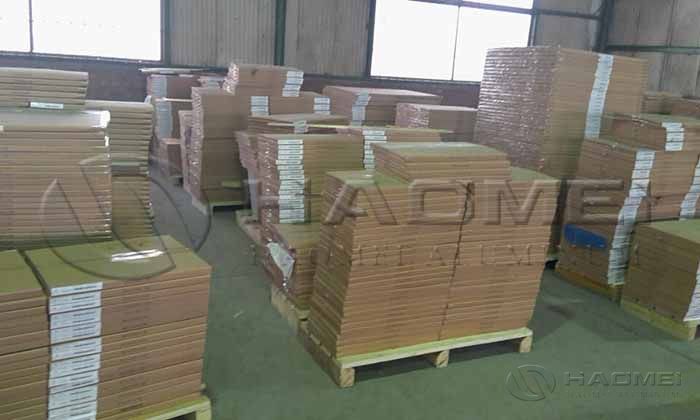
PS plate offset printing .jpg

PS plate

PS plate offset printing is a photosensitive offset printing plate with a multi-layer structure. It uses an aluminum plate as a support, and the aluminum plate has been processed by various processes, the purpose of which is to endow it with photosensitive properties and printability.

How to choose PS plate? There are three tips: The choice should be based on the right size, proper printing endurance to match the printing quantity and suitable quality. For example, The size specifications of the PS plates include length, width and thickness specifications, and the PS plate should be selected according to the printing plate size requirements of the printing machine used.

CTP Plate

Compared with PS plates, there are more types and varieties of CTP plates like silver salt ctp plate, thermal ctp plate and violet ctp plate. Among them, thermal CTP plate is more popular. The thickness of the aluminum plate for CTP plates is generally 0.280mm, which is slightly thicker than the PS plate currently produced (the thickness of the PS plate base is 0.270mm±0.005mm). It is certain that Haomei Alumium has different thicknesses for you to choose from.

CTCP plate

CTCP technology images digital information on ordinary PS plates. The consistency of the printing plates ensures the normal operation of all printability. Printing companies do not need to worry about various problems caused by changes in printing suitability, and do not need to spend a lot of time and energy to complete the matching of aluminium offset printing plates and printing machines.

Haomei Aluminum has all these different kinds of printing plates. Welcome to leave message below to inquire what you need.

Original source: https://www.alumhm.com/a/types-of-aluminum-offset-printing-plates.html
The Requirements of CTCP Plate on Aluminum Base Plate

 Aluminum plate is one of the basic elements to make high-quality CTCP plate. So far, in the choice of CTCP plate base material, no better material that can replace aluminum plate has been found. There are two treatment methods of aluminum base plate: brush grinding and electric grinding.

Electrolytic grinding is achieved by chemical methods, that is, acid (usually hydrochloric acid or nitric acid) to corrode the plate surface into a grit layer. Brush grinding and electrolytic grinding have different requirements for the quality of aluminum plate. The brush grinding usually choose 3103 aluminum alloy. While electrolytic grinding chooses 1050 aluminum alloy.

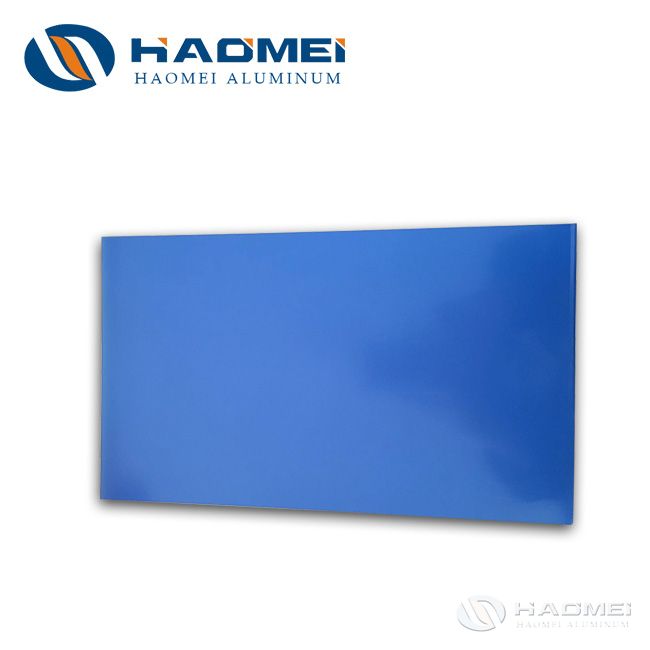
CTCP plate.jpg

The CTCP Plate is made of f industrial pure aluminum with a content of more than 99.50%. The content of impurities is less than 1.50%. The impurities mainly include Si, Fe, Cu, Mn, Mg, Zn, Ti, Ni,etc. The three elements Si, Fe and Cu are common impurities in aluminum ingots, which can only be controlled and cannot be eliminated completely.

The above-mentioned trace elements contained in the aluminum plate have a certain effect on the quality of its electrolytic oxidation. Silicon is a main impurity, of which the content is generally controlled between 0.05% and 0.35%. If it is over 0.35%, it is detrimental to the uniformity of the aluminum plate's roughened surface.

Generally speaking, the content of iron in industrial pure aluminum is usually the most. Iron has the effect of making the electrolytic coarsening uniform. The copper has a certain solid solution strengthening effect and can accelerate the corrosion, which is conducive to electrolysis. It is better to control the content of copper below 0.05%.

Manganese is to refine the structure. It has a significant impact on the recrystallization process of aluminum and aluminum alloys. Its content should not exceed 0.4%. If it exceeds 0.4%, it will result in reducing printing performance of the UV-CTP plate. Magnesium has a tendency to inhibit the coarsening of recrystallized grains, which can simplify the heating treatment process of the ingot.

Haomei Aluminum has different types of CTP plates, PS plates and CTP plates. Welcome to leave message below to inquire what you need.

Original source: https://www.alumhm.com/a/the-requirements-of-ctcp-plate-on-aluminum-base-plate.html

The Requirements of CTCP Plate on Aluminum Base Plate

 Aluminum plate is one of the basic elements to make high-quality CTCP plate. So far, in the choice of CTCP plate base material, no better material that can replace aluminum plate has been found. There are two treatment methods of aluminum base plate: brush grinding and electric grinding.

Electrolytic grinding is achieved by chemical methods, that is, acid (usually hydrochloric acid or nitric acid) to corrode the plate surface into a grit layer. Brush grinding and electrolytic grinding have different requirements for the quality of aluminum plate. The brush grinding usually choose 3103 aluminum alloy. While electrolytic grinding chooses 1050 aluminum alloy.

CTCP plate.jpg

The CTCP Plate is made of f industrial pure aluminum with a content of more than 99.50%. The content of impurities is less than 1.50%. The impurities mainly include Si, Fe, Cu, Mn, Mg, Zn, Ti, Ni,etc. The three elements Si, Fe and Cu are common impurities in aluminum ingots, which can only be controlled and cannot be eliminated completely.

The above-mentioned trace elements contained in the aluminum plate have a certain effect on the quality of its electrolytic oxidation. Silicon is a main impurity, of which the content is generally controlled between 0.05% and 0.35%. If it is over 0.35%, it is detrimental to the uniformity of the aluminum plate's roughened surface.

Generally speaking, the content of iron in industrial pure aluminum is usually the most. Iron has the effect of making the electrolytic coarsening uniform. The copper has a certain solid solution strengthening effect and can accelerate the corrosion, which is conducive to electrolysis. It is better to control the content of copper below 0.05%.

Manganese is to refine the structure. It has a significant impact on the recrystallization process of aluminum and aluminum alloys. Its content should not exceed 0.4%. If it exceeds 0.4%, it will result in reducing printing performance of the UV-CTP plate. Magnesium has a tendency to inhibit the coarsening of recrystallized grains, which can simplify the heating treatment process of the ingot.

Haomei Aluminum has different types of CTP plates, PS plates and CTP plates. Welcome to leave message below to inquire what you need.

Original Source: 

Aluminium Strip for Cables Armoring

  Cable factories facing Christmas and New Year shutdowns have little tolerance for material delays or coil defects. An armor-strip issue di...