显示标签为“marine grade aluminium sheet”的博文。显示所有博文

What Are Low Iron Aluminum Alloys for Shipbuilding

 Shipbuilding and marine engineering equipment place stringent requirements on the corrosion resistance, strength, toughness, and weldability of materials. Ordinary aluminum alloys, due to their high iron content, are prone to embrittlement, poor resistance to seawater corrosion, and short service life, making them unsuitable for the harsh conditions of the marine environment—high salinity, high humidity, and strong erosion.


Low-iron marine aluminum alloys, by strictly controlling iron content, significantly optimize the overall performance of the material and are currently the mainstream material in shipbuilding, offshore platforms, and marine component manufacturing.
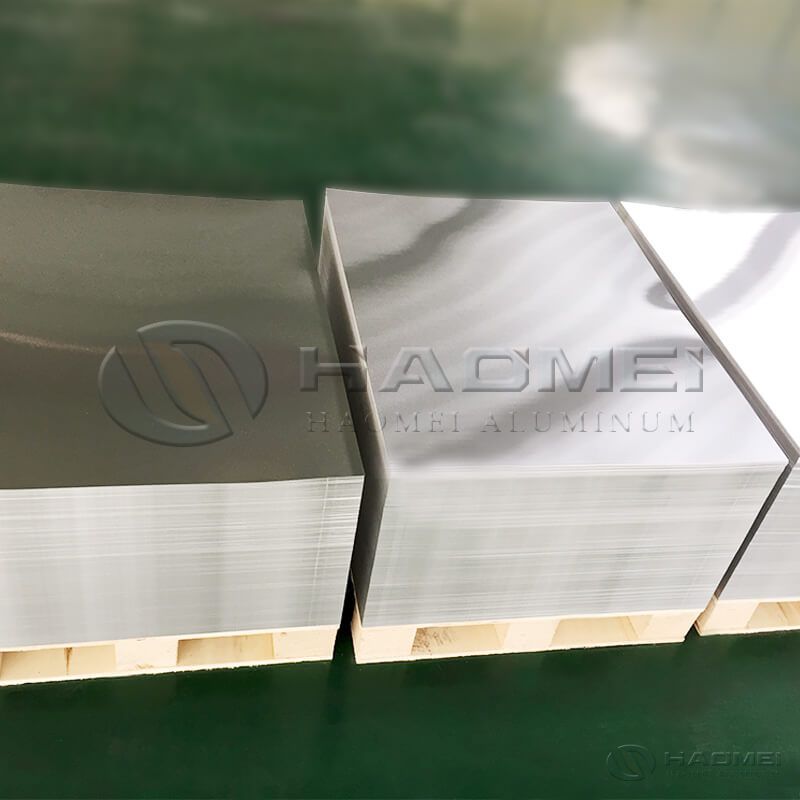
Marine grade aluminium 5083.jpg

Low-Iron Characteristics

Iron is the main impurity element in aluminum alloys. Excessive iron content in ordinary aluminum materials compromises the density of the aluminum matrix, reduces the material's toughness and fatigue resistance, and makes it prone to pitting corrosion and cracking in marine environments. Marine grade aluminum sheets, with strictly controlled iron content (typically ≤0.5%), offer significant advantages:

1. Enhanced Corrosion Resistance

The low iron content effectively inhibits the erosion of the material by seawater salt ions, significantly improving resistance to stress corrosion and pitting corrosion, making it suitable for long-term seawater immersion and sea wind erosion.

2. Increased Material Toughness

Reduced embrittlement caused by iron impurities results in better impact and crack resistance, making it suitable for the turbulence and water pressure impacts encountered during ship navigation.

3. Stable Welding Performance

The low iron content avoids porosity and cracks during welding, resulting in highly dense welds with aesthetically pleasing finishes and meeting strength standards, satisfying the high standards required for ship structural welding.

4. Lightweight and Durable

Retaining the lightweight advantages of aluminum alloys while improving structural stability, contributing to weight reduction, speed improvement, and energy efficiency reduction in ships.

Mainstream Marine Low-Iron Aluminum Plate: 5083 Aluminum Plate

Marine grade aluminium 5083 is the strongest marine low-iron aluminum material in the 5000 series, with a magnesium content of approximately 4.5%. Combined with a strictly controlled low-iron formula, it has become the preferred material for heavy-duty ships and core structural components, and is also a standard marine aluminum material certified by international classification societies.

Furthermore, 5083 aluminum plate exhibits outstanding resistance to seawater corrosion, resisting oxidation and rust even after long-term immersion in seawater. It also possesses excellent fatigue resistance, allowing it to withstand the dynamic loads of ship navigation for extended periods. Currently, most mainstream 5083 marine aluminum plates on the market are H116 and H321 special grades, specifically optimized for ship structures to effectively prevent stress cracking.

Applicable scenarios: Hull plates, bottom structures, deck frames, bulkheads, large yacht hulls, offshore platform load-bearing structures, ship pressure tanks, and other core load-bearing and high corrosion-resistant components of various ships.

Mainstream Low-Iron Marine Aluminum Plates: 5086 Aluminum Plate

5086 aluminum plate also falls under the category of low-iron marine aluminum, with iron content controlled at ≤0.5% and magnesium content slightly lower than 5083 (3.5%-4.5%). It emphasizes a balance of strength, formability, and weldability, making it a preferred material for small and medium-sized ships and ship parts.

Compared to the high strength of 5083, 5086 aluminum plate sacrifices some rigidity for superior plasticity and processing capabilities. It has better ductility, is less prone to cracking during bending, rolling, and complex shaping, and is suitable for processing various irregularly shaped ship parts. Meanwhile, its welding arc is more stable, and the weld seam has stronger corrosion resistance, especially its resistance to stress corrosion at the weld seam, which is superior to 5083. It also has a higher tolerance for processing errors.

In terms of corrosion resistance, 5086 aluminum plate performs exceptionally well in shallow sea and near-shore environments, exhibiting excellent resistance to sea wind and seawater splash corrosion. It also offers better cost-effectiveness, stronger supply stability, and is suitable for large-scale production of standardized marine parts.

Applicable scenarios: Non-core load-bearing parts requiring complex processing, such as ship superstructures, cabin panels, marine decoration and protective panels, small fishing boats, workboat hulls, chemical tanker tankers, marine pipelines, and lightweight marine parts.


Original Source:https://www.marinealu.com/a/what-are-low-iron-aluminum-alloys-for-shipbuilding.html

What Are Advantages of Marine Grade Aluminum Sheet

 Marine grade aluminum sheets are widely used for making yachts, fishing boat,assault boats and patrol boats. They have good mechanical properties such as strength, heat treatment, machinability and weldability. Haomei Aluminum can provide 5052, 5083, 5086, 5383, 5059, 6061, 6063 and 6082 with certifications. 3-50 mm is a common range. Marine grade aluminium 3mm is a popular choice. What are their advantages?

Marine grade aluminium 3mm.jpg

1. The low density, high strength, high rigidity and corrosion resistance of aluminum reduce the weight of aluminum ships by 20% compared with ships made of steel or other alloy materials.

2. The high toughness, corrosion resistance and weldability of marine aluminum alloy plates provide the possibility for strict ship-type production. At the same time, the marine aluminum sheet can resist the corrosion of the atmosphere, steam, water and other media in the marine climate for a longer period of time.

3. The corrosion resistance of the aluminum plate reduces maintenance costs such as oiling, which can extend the service life (usually more than 20 years).

4. They have good forming performance, which is convenient for various types of production and processing such as laser cutting, stamping processing, forming,etc., which is suitable for streamlined ship hulls. They can extrude large and medium-sized wide and thick-walled aluminum profiles, reducing the number of welds and making the hull structure reasonable and lightweight.

5. Aluminum scrap is very easy to recycle.

6. The compass will not be affected. The all-aluminum boat can prevent mine attacks and is suitable for minesweeping boats.

7. Ships made of marine grade aluminium sheet can achieve better efficiency and longer service life. This advantage of aluminum alloy profiles makes it develop rapidly in the application of ships.

Haomei Aluminum has advanced production equipment. "1+1" and "1+4" hot rolling production lines provide guarantee for large-scale production. Six-high cold rolling mill equipment can produce 2600mm ultra-wide aluminum plate.


Original Source:https://www.marinealu.com/a/what-are-advantages-of-marine-grade-aluminum-sheet.html

5052 5083 Navel Aluminum Sheet

 The working environment of ships requires structural materials to have certain mechanical strength, fatigue strength, elongation and impact resistance. However, it is usually difficult for high-strength aluminum alloys to have excellent corrosion resistance and weldability at the same time, so the aluminum alloys used for ships generally choose corrosion-resistant and weldable aluminum alloys with medium strength. 5000 and 6000 series naval aluminum alloys are usually chosen.

5000 series aluminum alloys are non-heat treatment alloys. 5052 and 5083 aluminum alloys have appropriate mechanical strength and fatigue resistance, and excellent corrosion resistance, weldability and machinability. They are widely used as alloys for corrosion-resistant weldable structures in ships and other fields.

1624585193780722.jpg

Marine yachts need to use 5083 aluminum plates, and domestic park boats generally use 5052 aluminum plates. 5083 aluminum plates are aluminum-magnesium alloys, typical anti-rust aluminum plates. Its corrosion resistance, processability and strength meet the processing requirements of marine aluminum plates.

The common tempers of 5083 aluminum are H116, H321 and H112. It is mainly used in decks, engine pedestals, ship sides, ship bottom panels and other components of yachts, fishing boats, work boats, sand ships and other ships.

5052 plate is one of the 5000 series aluminum alloys. The Mg content is 2.2%-2.8%. It has the characteristics of light weight, medium strength, good corrosion resistance and weldability, and easy processing and forming. Tensile strength can reach 215-265Mpa, elongation is <5%.

The application of 5052 in the shipbuilding industry requires it to have high corrosion resistance against marine atmosphere and seawater corrosion. And although the existing 5052 aluminum alloy material also has certain anti-corrosion ability, it can not fully meet the application requirements of the shipbuilding industry.

Haomei 5052 marine grade aluminium and 5083 aluminum plates has been certificated by CCS, DNV, ABS, BV and LR, which has successfully entered the world shipbuilding market, and is loved by the Philippines, Myanmar, Vietnam, Thailand, Indonesia and other Southeast Asian and North American shipbuilding markets.


Original Source:https://www.marinealu.com/a/5052-5083-navel-aluminum-sheet.html

The Application of Marine Grade Aluminium Sheet

 The marine grade aluminum sheet is mainly Al-Mg alloy, Al-Mg-Si alloy and Al-Zn-Mg alloy. According to the positions used, they are divided into aluminum alloys for upper outfitting and aluminum alloys for hull structure.

The upper outfitting includes masts, chimneys, wheelhouses,etc. The hull structure includes bottom plate, keel, deck,etc. The application rate of aluminum-magnesium alloys in the hull structure is relatively high, of which 5454 and 5052 aluminum sheets are the main aluminum plate for making decks.

marine grade aluminium sheet.jpg

Military Ships

The design of shipbuilding follows the concept of light-weight structure. It is widely believed that light-weight ship structures have great advantages in terms of ship speed control, operational precision, and production costs, which can minimize consumption and extend the mileage of ships. Marine grade aluminum alloys can well meet the lightweight requirements of ships.

LNG Cargo Ships

The natural gas transportation vehicles are mainly LNG cargo ships. When designing LNG ship storage tanks, it is necessary to ensure that liquefied natural gas does not leak, ignite, and does not corrode the storage tanks. Aluminum alloy is not only a low-temperature metal, but also has good strength, strong toughness, light weight and excellent corrosion resistance. So it also has high application value in LNG cargo ships.

Marine Wharf

Wharf is an important place for ships to dock. It needs to have high corrosion resistance, bearing capacity and strength, and marine grade aluminum for sale can perfectly meet these requirements. Therefore, the floating bridges, aisles, springboards, and floating docks in the marine wharf can be manufactured or welded with different types of aluminum alloys.


Original Source:https://www.marinealu.com/a/the-application-of-marine-grade-aluminium-sheet.html

Types of Marine Grade Aluminium Sheets

 Aluminum and aluminum alloys are used more and more widely in the shipbuilding industry, ranging from small motorboats to 10,000-ton oil tankers, from offshore hovercraft to submarine . The marine grade aluminium sheet is used to make ship shells, support structures, supporting facilities, pipelines, etc.

6061 aluminum sheet.jpg

The aluminum sheet used in the marine industry can reduce the overall weight of the ship, increase the speed of the ship, and resist the corrosion of the ship by seawater. It is mainly divided into aluminum-copper alloys, aluminum-magnesium alloys and aluminum-silicon alloys.

Aluminum-magnesium alloys are mainly used for hull shells, water pump pipes, pump shells and frame brackets, etc. The grades are 5083, 5086, 5456, 5466, etc. 5083 aluminum plate can be regarded as its typical one. The common tempers are O, H111, H112, H116 and H321,etc. It has medium strength, good corrosion resistance and formability, high fatigue resistance, and is generally used as the main structure of the hull.

7075 aluminium sheet belongs to the Al-Zn-Mg-Cu series. It has good corrosion resistance, good oxidation resistance, good easy processing and wear resistance, and good workability. It has high strength below 150℃, and has particularly good low temperature strength. However, it has poor welding performance, and stress corrosion cracking tendency.

6061 aluminum sheet has excellent processing performance, excellent welding characteristics and electroplating properties, good corrosion resistance and excellent anodizing effect. The commonly used plates include thin plates over 1.6mm and thick plates over 30mm. In order to prevent slip, the deck adopts 6061 textured aluminium sheet.

Original source: https://www.hm-alu.com/a/types-of-marine-grade-aluminium-sheets.html

Aluminum Circle, Strip, and Foil: Which Alloy Is Right for Your Application?

  Aluminum Circles for Cookware: 1050 vs. 1060 vs. 3003 Alloy In the cookware manufacturing industry, aluminum discs have become an ideal ma...