显示标签为“6061 aluminium sheet”的博文。显示所有博文

Which Aluminum Alloys Are Favored by Aerospace Aluminium Market

 In today's aerospace industry, which is moving towards "lighter, stronger, and more economical" designs, aluminum alloys, as core structural materials, continue to hold an unshakeable position. Data shows that aluminum accounts for over 70% of the materials used in commercial aircraft, and driven by the rise of both new energy aviation and commercial aerospace, the aerospace aluminum market is entering a new growth cycle.

aluminium 2024.jpg

6061 Aluminum Alloy

From a core performance perspective, 6061 aluminum alloy, under T6 heat treatment (175-185℃, holding for 8-12 hours), achieves a tensile strength of 290-310 MPa, a yield strength of 240-276 MPa, and an elongation ≥8%. This strength level is sufficient to support critical load-bearing structures such as aircraft wing spars and fuselage frames. If you are looking for 6061 aluminium suppliers, welcome to contact us.

Its strengthening mechanism originates from the solid solution and age-induced precipitation of the Mg₂Si phase. By precisely controlling the Mg/Si ratio within the optimal range of 1.0-1.3, maximum strength is ensured while avoiding the reduction of corrosion resistance due to excess magnesium.

It's worth noting that its specific strength (σ/ρ=110MPa/(g/cm³)) is twice that of steel, resulting in a 30%-50% weight reduction and directly improving aircraft fuel efficiency. This is the core reason why Boeing 787 wing spars chose 6061-T6 extruded profiles.

Ease of machining is another major advantage of 6061. Its cutting speed can reach 300-500m/min, and its CNC machining efficiency is 40% higher than that of commonly used 6063 aluminum alloy. Surface roughness can be controlled to Ra≤0.4μm, making it ideal for manufacturing precision aerospace parts.

Furthermore, its weldability is excellent. When welded with 5356 or 4043 welding wire, the joint strength can reach more than 80% of the base material, with no tendency for hot cracking. This makes it widely used in aircraft skin, landing gear struts, and other components requiring splicing. In addition, its copper content of ≤0.4% provides superior corrosion resistance in humid and marine environments, further expanding its application scenarios.

2024 aluminum sheet

Unlike the "all-rounder" positioning of 6061 aluminum alloy, aluminium 2024 is a typical "high-strength specialized" material. As a representative of the aluminum-copper-magnesium alloy system, it uses copper as the main alloying element (approximately 3.8%-4.9%), combined with the synergistic effect of magnesium, making it the preferred material for high-load-bearing components in the aerospace field.

In terms of strength, 2024 aluminum alloy is particularly outstanding. After T3 heat treatment (solution treatment followed by cold work hardening and natural aging at room temperature), its tensile strength can reach 483 MPa, and its yield strength is as high as 345 MPa, far exceeding that of 6061 aluminum alloy. This high-strength characteristic makes it an ideal material for critical load-bearing components such as aircraft landing gear, wing spars, and engine nacelle supports.

In the field of military aircraft, the application of 2024 aluminum alloy is even more extensive. For example, the fuselage load-bearing frame of fighter jets and missile hulls rely on its excellent impact resistance and load-bearing capacity.

Of course, 2024 aluminum alloy also has clearly defined application boundaries. Due to its higher copper content, its corrosion resistance is relatively weaker than that of 6061, especially prone to intergranular corrosion in marine atmospheric environments. Therefore, it usually requires surface protection treatments such as anodizing and painting when used.

Furthermore, its weldability is inferior to that of 6061. Strict control of process parameters is necessary during welding to prevent cracking. This makes it more suitable for structural components with stringent strength requirements, rather than parts requiring complex splicing.


Original Source:https://www.aircraftaluminium.com/a/which-aluminum-alloys-are-favored-by-aerospace-aluminium-market.html

What Are 6061 Car Aluminum Properties

 As the automotive industry continues to advance toward lightweighting, energy efficiency, and high performance, material selection has become a key factor influencing a vehicle's overall performance. 6061 aluminum sheet, particularly the specially heat-treated 6061T6 aluminum alloy, has secured a prominent position in the automotive manufacturing sector due to its outstanding material properties, becoming a preferred material choice for many automakers. What are 6061t6 material properties?

In terms of mechanical properties, 6061T6 aluminum alloy is outstanding. Its tensile strength reaches approximately 310 MPa and its yield strength is approximately 276 MPa. This strength level meets the material strength requirements of many key automotive components, such as chassis brackets and suspension system components.

6061t6 material properties.jpg

During vehicle operation, these components are subject to significant loads and impacts. 6061T6 aluminum alloy, with its high strength, effectively ensures component stability and safety, reducing the risk of failure due to insufficient material strength. It also exhibits excellent ductility, with an elongation of approximately 10%. This allows the material to better adapt to various molding processes during the manufacturing of automotive components, reducing processing complexity and improving production efficiency.

Corrosion resistance is also a key advantage of 6061T6 aluminum alloy in automotive applications. During use, vehicles are exposed to a variety of harsh environments, such as rain, moisture, and road salt, all of which can easily corrode automotive components. However, after natural oxidation or anodizing, 6061T6 aluminum alloy forms a dense oxide film on its surface.

This film effectively prevents external corrosive media from contacting the material's interior, significantly improving its corrosion resistance. Even under long-term, harsh operating conditions, automotive parts made from 6061T6 aluminum alloy maintain excellent performance, extending the vehicle's service life.

6061T6 aluminum alloy also has excellent machinability. It meets the demands of machining complex shapes in automotive parts. Whether used in conventional machining processes such as turning, milling, and drilling, or in precision machining, 6061T6 aluminum alloy ensures high machining accuracy and surface quality, reducing subsequent processing steps and lowering production costs.

Furthermore, it exhibits excellent weldability. With the right welding process, components can be reliably joined with minimal loss of material properties after welding, ensuring the overall strength and stability of automotive parts.

In addition to the mentioned performance advantages, 6061T6 aluminum alloy also has a low density of approximately 2.7g/cm³, only about one-third that of steel. With the trend toward lightweight vehicles, using 6061T6 aluminum alloy in automotive components can effectively reduce the vehicle's weight.

This weight reduction not only reduces fuel consumption and improves fuel economy, meeting current energy conservation and environmental protection requirements, but also enhances the vehicle's power and handling, making it more agile and smoother on the road.

Today, 6061T6 aluminum alloy is widely used in various automotive applications. In terms of vehicle body structure, some vehicles utilize 6061T6 aluminum alloy for body frames and door frames, ensuring both strength and rigidity while also reducing weight. In engine systems, some components, such as cylinder blocks and cylinder heads, also utilize this material, ensuring it can withstand the high temperatures and pressures of engine operation, ensuring proper operation.

6061T6 aluminum alloy also plays a crucial role in transmission and braking systems, such as certain driveshaft components and brake calipers. Its excellent performance provides a strong guarantee for safe driving. Haomei Aluminum, one of the car aluminum suppliers, can provide 6061 aluminum sheet for you.


Original Source:https://www.autoaluminumsheet.com/a/what-are-6061-car-aluminum-properties.html

6063 6061 Aluminum Alloy Sheets


Application and conditions of 6061 aluminum sheet in the aviation field

Aviation application

Fuse frame: 6061 aluminum sheet has become an ideal choice for manufacturing fuselage frame due to its excellent comprehensive performance. As the main load-bearing structure of the aircraft, the fuselage frame requires the material to have sufficient strength to withstand various complex stresses during flight, such as aerodynamics, the gravity of the fuselage itself, and the impact force during takeoff and landing. 6061 aluminum sheet can provide reliable structural support for the fuselage frame to ensure the stability and safety of the aircraft during flight.
alloy 6061-t6 material.jpg

Wing beam: The wing beam is the key load-bearing component of the wing, bearing the huge lift generated by the aircraft during flight. Due to its high strength and good fatigue resistance, 6061 aluminum sheet can maintain structural integrity under long-term alternating loads, effectively avoid safety hazards caused by fatigue damage, and ensure the normal operation of the wing under various flight conditions.

Engine mounting bracket: The engine is the core power source of the aircraft, and the engine mounting bracket needs to withstand the strong vibration and force generated when the engine is running. The high strength and good anti-vibration performance of 6061 aluminum plate enable it to firmly fix the engine, effectively buffer the vibration of the engine, reduce the impact on other parts of the aircraft, and ensure the stable operation of the engine.

Conditions to be met

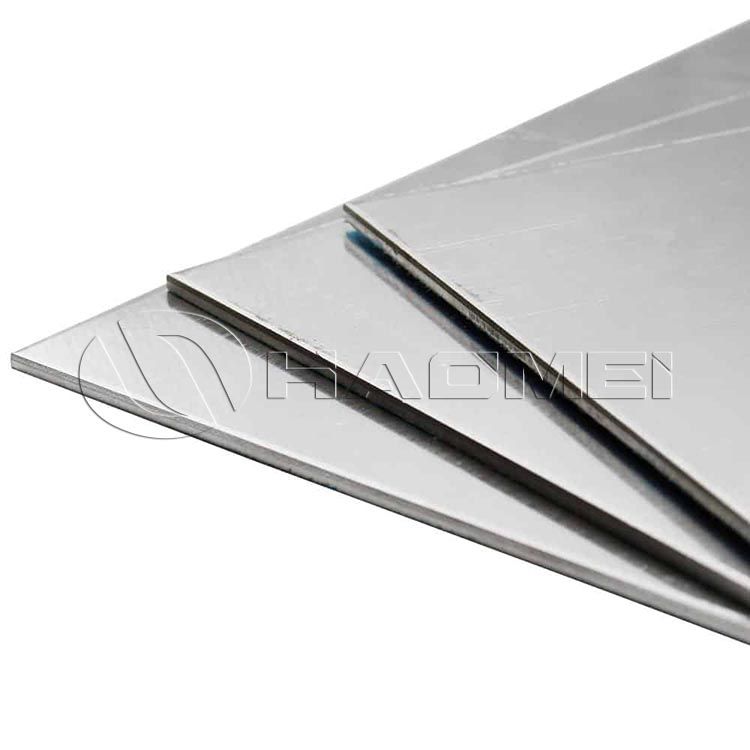
High strength: In aviation applications, the aircraft structure needs to withstand huge external forces, so 6061 aluminum plate must have high strength, and its tensile strength, yield strength and other mechanical performance indicators must meet strict standards to ensure that the structure is not damaged under extreme flight conditions. For example, the tensile strength of alloy 6061-t6 material usually reaches more than 290MPa and its yield strength reaches more than 240MPa.

Excellent fatigue resistance: During the service of the aircraft, each component will experience countless loading and unloading cycles, which places extremely high demands on the fatigue resistance of the material. 6061 aluminum plate must undergo special process treatment to optimize its internal organizational structure, improve the integrity and uniformity of the crystal, so as to have excellent fatigue resistance and extend the service life of the aircraft structure.

Good welding performance: In the aircraft manufacturing process, a large number of parts need to be connected into a complete structure by welding. 6061 aluminum sheet must have good welding performance, the strength and toughness of the joint after welding cannot be significantly reduced, and the air tightness and water tightness of the weld must be guaranteed to prevent leakage during flight.

Strict quality control and consistency: The aviation field has almost stringent requirements for the stability and consistency of material quality. Each batch of 6061 aluminum sheet needs to undergo comprehensive and strict quality inspection, including chemical composition analysis, mechanical property testing, internal defect detection, etc., to ensure that the material properties are highly consistent between different batches, and avoid affecting the overall performance and safety of the aircraft due to fluctuations in material properties.

Application and conditions of 6063 aluminum sheet in the aviation field

Aviation application

Aircraft interior parts: 6063 aluminum alloy sheets are often used to manufacture aircraft interior parts, such as ceilings, luggage rack frames, seat frames, etc. It has good surface treatment performance. After anodizing and other treatments, it can present a beautiful and durable surface effect, improve the overall texture of the aircraft interior, and meet the requirements of aviation interior for lightweight and corrosion resistance of materials.

Aircraft door and window frames: The materials for aircraft door and window frames need to have a certain strength to ensure the stability of the structure, and also have good processing performance to meet the requirements of complex shape design. 6063 aluminum sheet can be accurately processed into various shapes of door and window frames due to its good processability and moderate strength, and has excellent corrosion resistance, which can effectively resist the erosion of harsh environments such as humidity and low temperature faced by aircraft when flying at high altitudes.

Ventilation duct system: The ventilation duct system of the aircraft requires the material to be light, corrosion-resistant and easy to process and form. Aviation aluminum 6063 just meets these characteristics and can be made into lightweight and corrosion-resistant ventilation ducts to ensure the efficient operation of the internal air circulation system of the aircraft and provide a comfortable environment for passengers and crew members.

Conditions to be met

Medium strength and good plasticity: Compared with major structural components such as the fuselage, aircraft interiors, door and window frames and ventilation ducts have relatively low material strength requirements, but still need to have medium strength to ensure the reliability of the structure. At the same time, good plasticity enables 6063 aluminum sheet to be easily formed into various complex shapes during processing to meet the diverse needs of aviation design. For example, in the 6063-T6 state, its tensile strength is generally around 205MPa, its yield strength is around 180MPa, and it has good elongation.

Excellent surface treatment performance: Aviation interiors have high requirements for aesthetics and durability. 6063 aluminum plates need to be able to form a hard, dense and beautiful oxide film or coating through surface treatment processes such as anodizing and electroplating. This can not only improve the appearance quality of the material, but also further enhance its corrosion resistance, ensuring that there will be no surface fading, corrosion and other phenomena during long-term use.

Good corrosion resistance: During the flight of the aircraft, there is a certain humidity in the internal environment, and the external environment faces complex climatic conditions at high altitudes. This requires 6063 aluminum plates to have good corrosion resistance, and be able to maintain stable performance for a long time in harsh environments such as humidity and low temperature, to prevent structural damage or functional failure due to corrosion.

Comply with environmental protection and safety standards for aviation interiors: As an aircraft interior material, 6063 aluminum plates must meet strict environmental protection and safety standards. The material should be non-toxic and odorless, and should not release harmful gases under high temperature or combustion conditions to ensure the life safety and health of passengers and crew members. At the same time, the material must also have certain flame retardant properties to reduce the risk of fire.

Differences in requirements from other applications

Strictness of strength requirements: In other fields such as construction and automobile manufacturing, although there are also requirements for material strength, they are not as stringent as in the aviation field. For example, the use of 6063 aluminum alloy in building doors and windows has a strength requirement that is much lower than that of aircraft door and window frames, and the requirements for the performance stability of the material under extreme stress conditions are relatively low. In automobile manufacturing, although some aluminum alloy parts require a certain strength, the overall strength standard and the ability to withstand complex stress requirements are not the same as those of 6061 and 6063 aluminum plates in aviation applications.

Quality control and consistency: The aviation field has extremely strict control over material quality, and each link has precise standards and testing processes. In some ordinary industrial applications, the requirements for performance consistency between material batches are not as high as in the aviation field. For example, aluminum alloy plates used in the manufacture of electronic equipment housings also focus on quality, but the tolerance range of chemical composition and mechanical properties is much looser than that of aviation aluminum plates.

Special performance requirements: Aviation applications have clear requirements for special properties of materials such as fatigue resistance, high and low temperature resistance, and radiation resistance, which are not available in most other application scenarios. For example, components working in high-temperature environments of aircraft engines require 6061 aluminum plates to have good high-temperature strength and oxidation resistance; while for structures such as aircraft skins in high-altitude and low-temperature environments, materials must maintain good toughness and mechanical properties. In contrast, aluminum alloy materials used in ordinary civilian products such as furniture and daily necessities usually do not need to consider these special properties.

Environmental protection and safety standards: The environmental protection and safety standards of aviation interior materials are extremely high and are related to the life safety of people on board. In other application scenarios, such as outdoor facilities and industrial equipment, when using 6061 or 6063 aluminum alloys, the environmental protection and safety requirements for materials mainly focus on compliance with general environmental regulations and industrial safety standards, which are far less strict than those in the aviation field.


Original Source:https://www.aircraftaluminium.com/a/6063-6061-aluminum-alloy-sheets.html
2A12 Aluminum VS 6061 Sheet

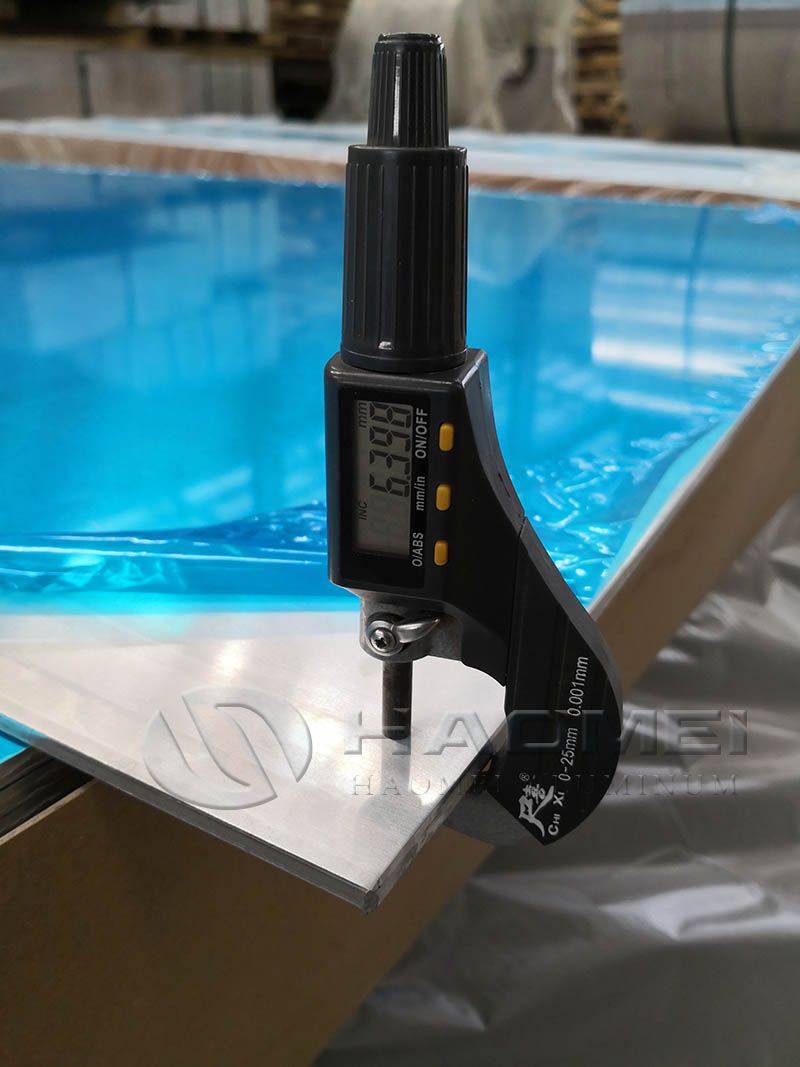
 Both 6061 sheet and 2A12 aluminum are heat-treatable aluminum alloys. After heat treatment, the two are difficult to distinguish in appearance, but they have a huge price difference between the two, about 10,000 yuan/ton. How to tell 2A12 aluminum from 6061 aluminium sheet?

2A12 aluminum.jpg

Hardness

The hardness of 6061 aluminum plate is 90HB after heat treatment, while the hardness of 2A12 can reach around 120HB. There is a big difference in hardness between the two. You can use the hardness measurement equipment to prove this point.

Corrosion Resistance

2A12 aluminum shet has high strength, qualified plasticity and poor corrosin resistance. It is mostly used in the state of clad aluminum plate, which is the most widely used duralumin in the aviation industry.

6061 aluminium sheet has good corrosion resistance, weldability and workability. Its machinability makes it the right choice for many extrusion projects because it is easy to shape. Because of good corrosion resistance, it is not only widely used in aviation industry, but also for shipbuilding.

Density

The density of the two is quite different. The density of 6061 can only reach 2.7, while the density of 2A12 can reach around 2.78-2.79 due to the high content of copper alloy. You can get the aluminium sheet density through the following formula:

Weight formula: thickness (mm) * density * length (m) * width (m) = weight

Application

6061 aluminum alloy belongs to 6xxx alloy, having higher silicon content. 2A12 aluminum belong to 2xxx alloy, a kind of Al-Cu-Mg alloy.

6061 aluminum is mainly used for bicycle parts, aerospace parts and building structures. In the aerospace industry, 6061 sheet is used n areas of greater ductility. Since it is easier to shape, 6061 sheet is more commonly used for cans and other round good. 2a12 is widely used in aircraft structures, rivets, and truck wheels.

Haomei Aluminum has both 6061 and 2A12 aluminum sheet. Welcome to leave message below to inquire what you need.


Original Source:https://www.aircraftaluminium.com/a/2a12-aluminum-vs-6061-sheet.html

Flexible Aluminium Strips

  Flexible aluminium strips are specified when a component must be bent, wrapped, stamped, rolled, or formed without surface splitting. The ...