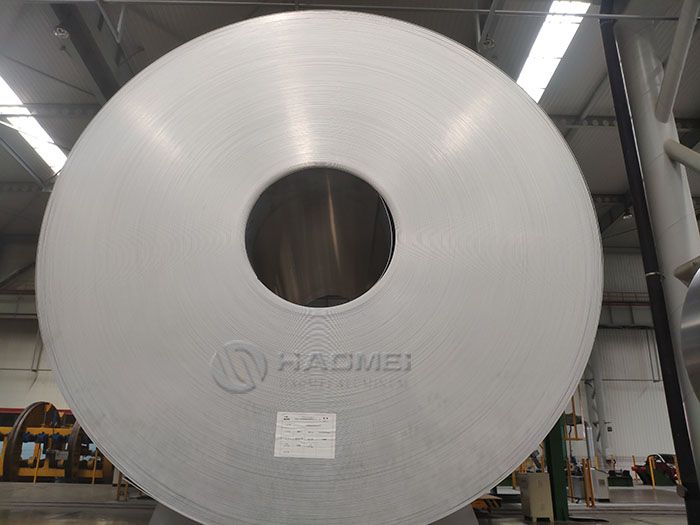
There are many types and shapes of tank trucks. Some tanks have very large volumes, such as 28,000L storage tanks on LNG ships. Under certain conditions, the weight of the tank body becomes the decisive factor affecting the quality of the tank car. For this reason, as long as aluminum and aluminum alloys have no effect on the quality of the transported materials, they must be welded with aluminum or aluminum alloy plates to reduce the weight of the vehicles achieve the goals of energy saving, emission reduction and environmental protection.
LNG carrier refers to a special ship that transports LNG (Liquefied natural gas) from the liquefaction plant to the receiving terminal. The main component of liquefied natural gas is methane. For the convenience of transportation, it is usually liquefied by freezing at very low temperature (-165°C) under normal pressure. The critical temperature for liquefaction of natural gas is -164°C at one atmospheric pressure. At such a low temperature, general marine carbon steel is brittle, so the liquid cargo tanks of LNG ships can only be made of expensive nickel alloy steel or Al alloy 5083.
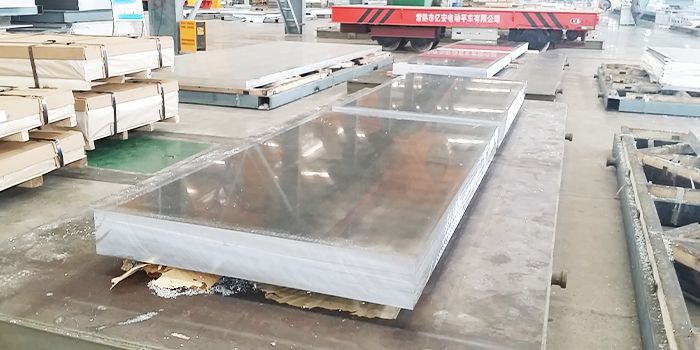
The 5000 series aluminum alloys have good corrosion resistance and weldability. The tank body made of aluminum alloy can transport various liquids or liquefied gas without any protective coating inside, and because there is no corrosion, the oil quality is guaranteed.
The recycling value of the tank body is also higher after it is forced to be scrapped. At the same time, because the aluminum alloy has good electrical conductivity, it rarely accumulates static electricity on the tank body, so it will not generate sparks and cause an explosion. The momentary power produced by the collision will not cause the tank to crack and cause leakage.
The biggest difference between aluminum and steel in terms of the relationship between performance and temperature is that steel has low temperature brittleness, while aluminum and aluminum alloys do not. Therefore, aluminum alloy has become a good material for manufacturing cryogenic equipment and facilities. The tank trucks transporting liquefied natural gas and the large tanks for storing liquefied natural gas can be welded with aluminum alloy 5083 cast aluminum plate with O temper.
The reason why 5083 aluminum plate can be used for this application because it has the following features: 5083 belongs to the Al-Mg alloy and has good corrosion resistance, excellent weldability, good cold workability, and medium strength.
The 5083 cast aluminum plate for LNG storage tanks is a high-quality material for manufacturing liquefied natural gas storage tanks. Not only does it have ultra-low temperature structural materials, but it is also easy to process and form, and has good weldability and high recovery rate.
Original source: https://www.aluminium-tanker-plate.com/a/5083-cast-aluminum-plate-for-lng-tank.html