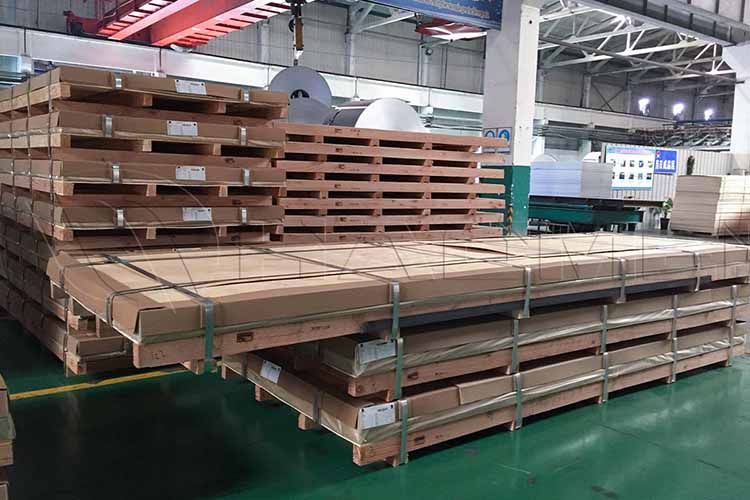
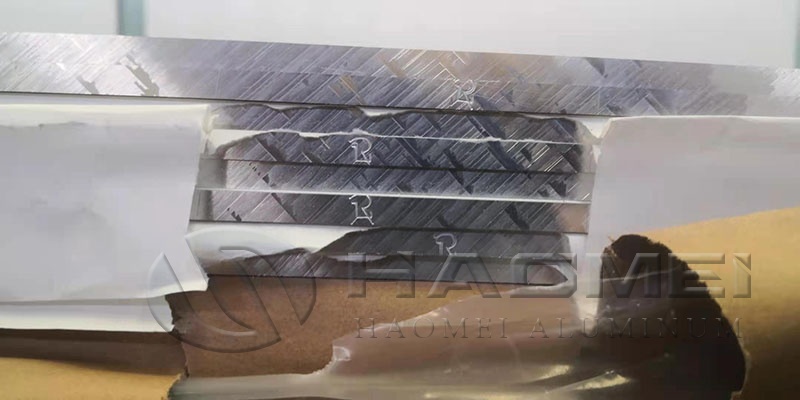
What Are Aluminum Trim Coil Colors

 The color coated aluminum coil refers to a material that is surface-coated to form a variety of colors to improve the oxidation protection performance and aesthetics of the aluminum coil. In daily life, color-coated aluminum coils are widely used in construction, decoration, automobiles, electrical appliances, packaging and other fields, and have become an important part of many products.

It has the advantages of both aluminum sheets and organic materials. The aluminum trim coil has the mechanical strength, good toughness, and easy processing and molding of aluminum sheets, but also have the good coloring, decoration, and corrosion resistance of organic polymer coating materials. It is easy to perform punching, bending, deep drawing, welding and other processing.
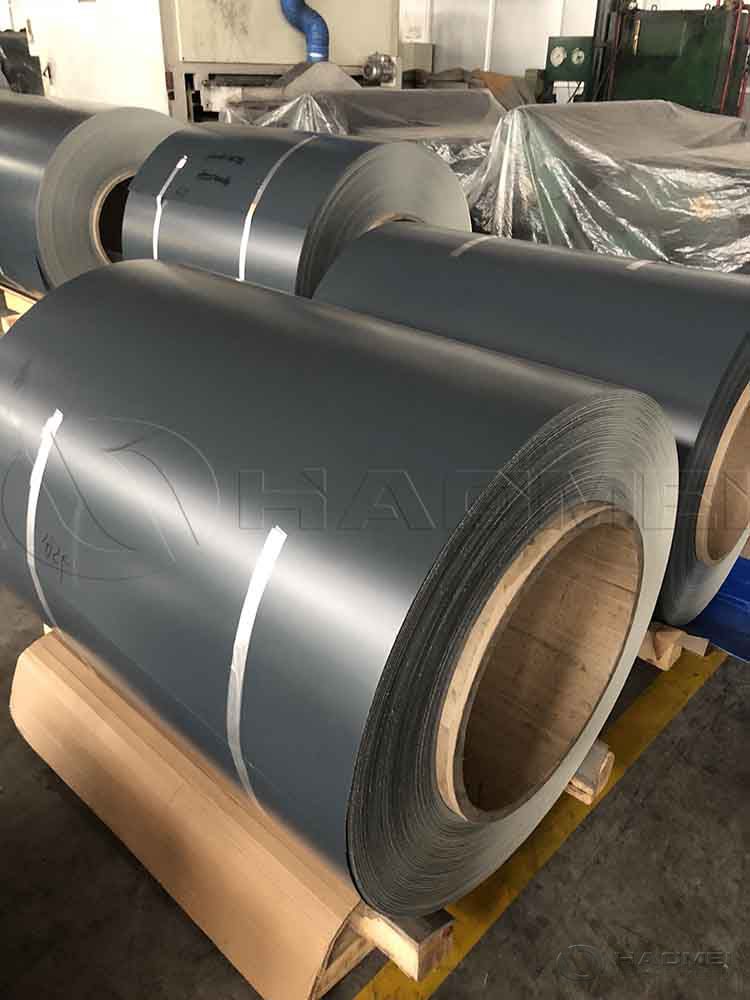
aluminum trim coil colors.jpg

Because there are many aluminum trim coil colors, Haomei Aluminum generally does not have them in stock. The colors can be customized according to the RAL color card or other standard color card numbers, or they can be color-matched and processed according to samples, so color-coated aluminum coils require a certain period of time. Users should consider the processing time when ordering, and try to order in advance to avoid being late for processing.

The processing cycle of fluorocarbon color-coated aluminum coils is generally longer, mainly because the fluorocarbon paint uses Nippon Paint, and Nippon Paint's paint blending is all standardized. Color mixing will be carried out after the laboratory data is stable, so the delivery time of the PVDF coated aluminum coil is around 15 days. If we have aluminium coil in stock, the delivery time can be shortened to around 7 days.

The processing cycle of polyester color-coated aluminum coils is slightly shorter, because the color mixing of polyester paint is relatively simple. Generally, the processing cycle of the PE coated aluminum coils is about 2 days faster, mainly because the color mixing time is shorter.

Applications of painted aluminum coils

In terms of construction, the pre painted aluminium coil can be made into building exterior wall insulation materials, profiled panels, roof panels, ceilings, etc. It can provide a wide range of color choices and textures, and can also enhance the waterproof, anti-oxidation, and fire-proof capabilities of building exterior walls and roofs. They also have excellent sound absorption and decorative properties, making them beautiful and practical.

In terms of automobiles, color-coated aluminum coils can be made into automobile exterior decorative parts, such as doors, hoods, etc. Color-coated aluminum coils are lightweight, wear-resistant and low-cost, so they are widely used in the automotive industry.

In terms of electrical appliances, color-coated aluminum coils can be made into the casings of refrigerators, washing machines, air conditioners and other home appliances. Color-coated aluminum coils have a beautiful appearance and will not fade or change color. They can improve the grade and texture of home appliances and make home life better.

In terms of packaging, coated aluminum coils can be made into various forms of food, cosmetics and other packaging boxes to improve the quality and grade of the product. Welcome to leave message below to tell what you need.

Original source: https://www.hm-alu.com/a/what-are-aluminum-trim-coil-colors.html
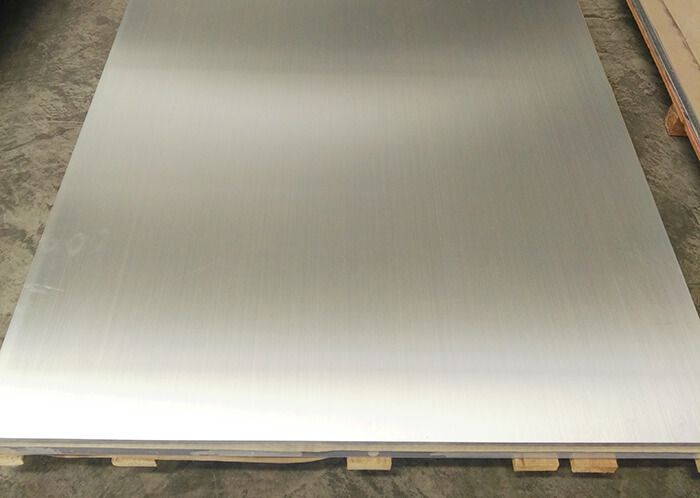
What Are Properties and Uses of Aluminium 7000 Series

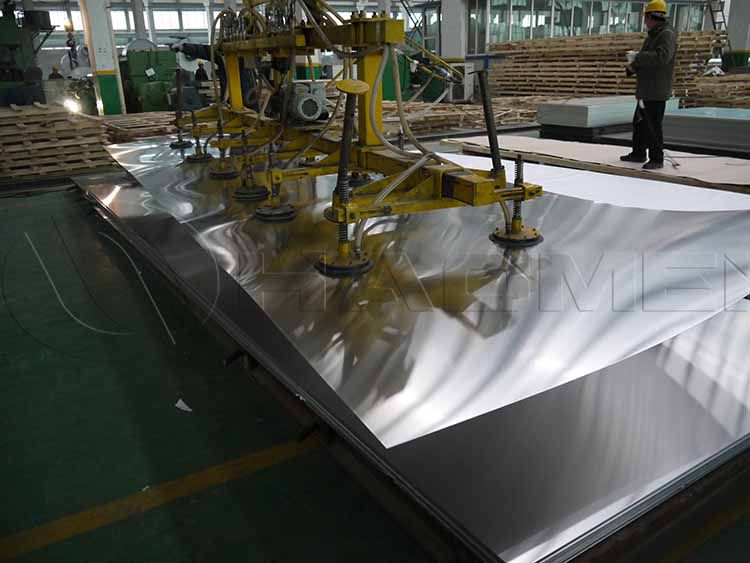
 The yield strength of aluminum 7000 series is usually between 300-500MPa, which can effectively resist deformation caused by external loads. The alloy has good heat treatment properties and corrosion resistance. Heat treatment can significantly increase its strength and hardness while improving its corrosion resistance.

7 series aluminum alloys are widely used in the manufacture of aircraft structural parts and other parts requiring high strength, such as engine parts, landing gear, seats, etc. In addition, 7 series aluminum alloy can also be used to manufacture other mechanical parts that require high strength, high hardness and wear resistance, such as gears, shaft parts, etc.

Matweb aluminum 7075.jpg

Matweb aluminum 7075 is one of its main grade. It can be used in the aerospace industry, blow molding (bottle) molds, ultrasonic plastic welding molds, golf ball heads, shoe molds, paper molds, foam molding molds, dewaxing molds, templates, fixtures, mechanical equipment, aluminum alloy bicycle frame.

7075 aluminum's medium and thick plates, extrusions, free forgings and die forgings are used for the aircraft structural parts. The requirements for alloys in manufacturing such parts are high resistance to spalling corrosion, stress corrosion cracking, fracture toughness and fatigue resistance.

Features of 7000 aircraft aluminum alloys

High strength: The strength of 7 series aluminum alloy is much better than that of mild steel. Its main alloying elements are zinc and magnesium. The MgZn2 structure formed by zinc and magnesium has obvious strengthening effect, making the heat treatment effect of 7 series aluminum plates far better than other aluminum plates. As the zinc and magnesium content increases, the strength of the aluminum plate will further increase. Especially when the temperature is lower than 150℃, the performance is better.

High mechanical properties: 7 series aluminum alloys have excellent mechanical properties, including high strength, hardness and good plasticity. Due to the small and even distribution of internal crystals, the 7 series aluminum plate has super wear resistance, and its high level of drilling performance is also rare. These properties make it suitable for manufacturing aircraft parts that need to withstand heavy loads and high-speed movements.

Strong corrosion resistance: 7 series aluminum alloy can resist corrosion and oxidation when exposed to the atmosphere. It has good resistance to stress corrosion and spalling corrosion, and performs well in the processing of high-stress structural parts. This makes it suitable for aircraft components in marine environments and other corrosive environments.

Easy to process: 7000 aluminum alloys can be processed into parts of various shapes and sizes through various processing methods such as casting, forging, extrusion and rolling, which can meet the strict requirements of aircraft manufacturing.

Lightweight: Because 7xxx aluminum alloy has high strength and hardness and relatively low density, it is suitable for manufacturing lightweight aircraft parts, helping to improve the fuel efficiency and performance of aircraft.

Good thermal conductivity: 7 series aluminum alloy has good thermal conductivity and can effectively transfer heat. It is suitable for manufacturing aircraft parts that need to withstand high temperatures and dissipate heat.

Disadvantages: Adding zinc and magnesium elements can improve the strength of 7 series aluminum plates. However, with the increase of zinc and magnesium elements, the resistance to stress corrosion and spalling corrosion of 7 series aluminum plates will also decrease. It should be noted that the 7 series aluminum alloy has a higher hardness and is more difficult to process, requiring fine machining and heat treatment operations.

Haomei Aluminum has different grades of 7000 aluminum alloys like matweb aluminum 7075 and 7050 aluminum alloy. Welcome to leave message below to inquire what you need.


Original Source:https://www.aircraftaluminium.com/a/what-are-properties-and-uses-of-aluminium-7000-series.html

Que es un ctp

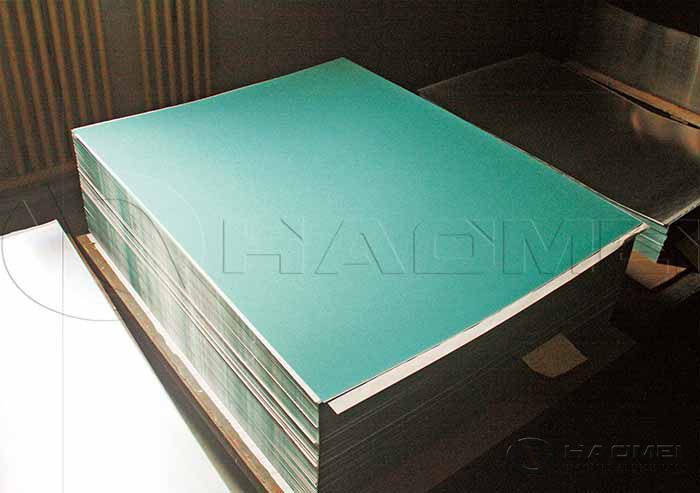
 La impresión offset es una técnica de impresión común en la que una imagen entintada se transfiere desde una plancha de impresión a una mantilla y luego a la superficie de impresión. Específicamente, la plancha de impresión debe poder transferir la imagen al papel u otro sustrato. Las planchas de impresión suelen estar hechas de láminas de impresión de aluminio. Existen principalmente dos tipos: ctp offset y plancha PS.

Para las aplicaciones planchas ctp, lo primero que nos viene a la mente son las empresas de impresión de periódicos. Sin embargo, a juzgar por el desarrollo de los últimos dos años, las empresas de impresión comercial, especialmente aquellas que buscan calidad de impresión, se han convertido en las protagonistas de las aplicaciones CTP.

ctp offset.jpg

En términos del proceso de impresión CTP, debido a que la información de diseño de la publicación se envía directamente a la plancha de impresión, en comparación con la impresión PS, el enlace de salida de la película y el enlace de impresión de la plancha PS se reducen, por lo que el costo del enlace de impresión CTP incluye: Tarifa de impresión de muestra digital de salida, tarifa de impresión (tarifa de fabricación de planchas CTP) y tarifa de impresión.

Las empresas de impresión comercial y de embalajes que tienen altos requisitos de calidad de impresión realizan principalmente tareas de impresión como álbumes de alta calidad y productos de embalaje exquisitos, y todas eligen la plancha CTP térmica. El CTP térmico se caracteriza por utilizar un láser con una longitud de onda de 830 nm o 1064 nm para grabar la plancha de impresión.

La tecnología Violet CTP utiliza planchas de impresión violetas de alta sensibilidad especialmente producidas para ella. El grano de las planchas de impresión violetas es más fino que el de las planchas tradicionales y el proceso de recubrimiento es más complejo. Por supuesto, la capa fotosensible también es diferente de las placas de PS tradicionales. Tras su desarrollo en los últimos años, se ha convertido en las tres principales tecnologías CTP junto con el CTP térmico y el CTCP.

El espesor de la lámina de aluminio para placas CTP es generalmente de 0,280 mm, que es ligeramente más grueso que el de las placas de PS producidas actualmente (el espesor de la base de la placa de PS es de 0,270 mm ± 0,005 mm). Algunas empresas extranjeras también utilizan una base de placa de aluminio de 0,275 mm de espesor y la tolerancia de espesor es de ±0,005 mm. Si la base de la placa de aluminio es más gruesa, la plancha de impresión a la venta será más rígida y será menos probable que se doble.

Haomei Aluminium no solo produce láminas de aluminio para impresión, sino que también suministra diferentes tipos de planchas offset como planchas PS, planchas CTP y planchas CTCP. Bienvenido a dejar un mensaje a continuación para solicitarnos planchas de impresión de aluminio.

sitio original: https://www.placadealuminio.es/a/que-es-un-ctp.html

3003 and 5052 Aluminum Alloy in Automobile Manufacturing

 5000 series deformed aluminum alloy automobile sheets are mainly strengthened by solid solution strengthening and fine grain strengthening of magnesium atoms and a small amount of solid solution and precipitation strengthening of copper atoms. This series of alloys has good formability.

When left at room temperature, the yield point is prone to prolongation (or lüders elongation), and the surface is prone to wrinkles after stamping, which affects the appearance quality of the product. The increase of iron element will significantly worsen its ductility and cold bending performance; due to the lack of bake hardening, the paint will easily soften after baking, thus affecting the dent resistance of the parts.

5052 aluminum sheet thickness.jpg

6000 series automotive aluminum sheets use silicon and magnesium as the main alloying elements (copper is also added as an alloying element in the 6111 alloy). This type of alloy relies on the precipitation strengthening of silicon and magnesium during solid solution aging as the main strengthening method. It can be heat treated and strengthened.

This type of aluminum alloy sheet has good formability in the pre-processed state and no yield point elongation. It is suitable for automobile exterior panels, and has bake hardening properties. It has high flow stress after the paint is baked, and the parts have high dent resistance; however, aging will lead to a decrease in flanging ductility and deterioration in formability.

Currently, the most commonly used aluminum alloy plates for cars are AA6016, AA6022, AA6111, AA6005, AA6009 and AA6010, AA5182, AA5754, AA5052, etc. The Audi A8 car uses 6016 alloy plates as the body panel, the Acura NSX car uses 5052 as the interior panel and the 6000 series as the exterior panel. The Jaguar XJ220 car and the GM EV1 car both use 5754 as the body covering material.

After searching the existing technology, it was found that the aluminum alloy inner panels used in automobiles are mainly 5xxx series alloys, such as 5052, 5182 alloys, etc. In terms of deep drawing performance and tensile strength, 5052 aluminum alloy is far less good than 5182 alloy. 5052 aluminum thickness for cars is not too thick.

The batteries that provide driving power for electric vehicles are called power batteries, including traditional lead-acid batteries, nickel-metal hydride batteries, and emerging lithium-ion power batteries. Currently, the world is promoting lightweight vehicles, and aluminum is a better choice. 3003 aluminum sheet is used for this aspect.

3003 h14 aluminum sheet has good formability and is mainly used as deep drawing materials. Using 3003 aluminum alloy products to make stamped parts, models, shells, etc. has many advantages such as good surface, good plasticity, and pressure resistance.


Original Source:https://www.autoaluminumsheet.com/a/3003-and-5052-aluminum-alloy-in-automobile-manufacturing.html

3003 Aluminum Foil for Food Container

 3003 aluminum foil belongs to the aluminum-manganese alloy, Its strength is higher than that of 1 series aluminum foil, and is about 10% higher than 1100 aluminum foil and 1060 aluminum foil. 3003 aluminum foil is generally used in aluminum foil food container, food packaging, aluminum honeycomb cores, etc., and is deeply favored by the market.

The physical properties of food-grade aluminum foil include thickness, strength, elongation and surface smoothness. The chemical composition of food-grade aluminum foil is also one of the important contents of inspection. The food contact safety of food-grade aluminum foil is also a key part of inspection. 3003 aluminum foil make different types of food containers.

3003 aluminum foil.jpg

Baking aluminum foil boxes: They are mainly small-capacity boxes, basically less than 300ML. The most widely used is the 50ml baking aluminum foil box, which can be used for sauces, bowls, baked goods, desserts, puddings and other foods. Among them, there are also jam aluminum foil boxes of about 15-25g, which are also widely used.

Round food container: The large-capacity round aluminum foil container is mainly suitable for holding staple food, stew soup, and used as dry pot, hot pot, etc., such as whole chicken, whole duck, large portions of lobster, boiled fish, hot pot stew, Medium-capacity round aluminum foil container is suitable for holding fast food, fruits, soups, etc. Because the portion is suitable, it is similar to the portion required for a family's daily diet, and the overall demand is relatively high; then small-sized round aluminum foil boxes are more suitable for holding some small bowls of dishes.

Square aluminum foil container: It is mainly suitable for takeout packaging. Ordinary square aluminum foil boxes are suitable for holding fast food, fruits, rice, prepared dishes, etc.; the weight is similar to that required for daily meals at home, and it is an aluminum foil box with high demand. The large-capacity square aluminum foil box is mainly used for grilled fish trays. It is very suitable for takeout packaging of grilled fish.

Compared with ordinary packaging boxes, the outstanding advantage of aluminum foil container is that it maintains the taste of meals as freshly out of the pot to the greatest extent. The richness of the styles of aluminum foil containers determines the breadth of its application scenarios. The powerful functions and aesthetic appearance can also enrich our food life and improve the quality of catering services. Haomei Aluminum has rich aluminum foil types. Welcome to leave messae below to inquire what you need. 

What Is Used For Making Aluminum Seal Cap

 Aluminum seal caps come in a variety of styles and widths. It offers stability and stiffness compared to other materials. Aluminum caps and closures are frequently used in the food and beverage industry. The aluminum lid has a sturdy construction and is easy to open.

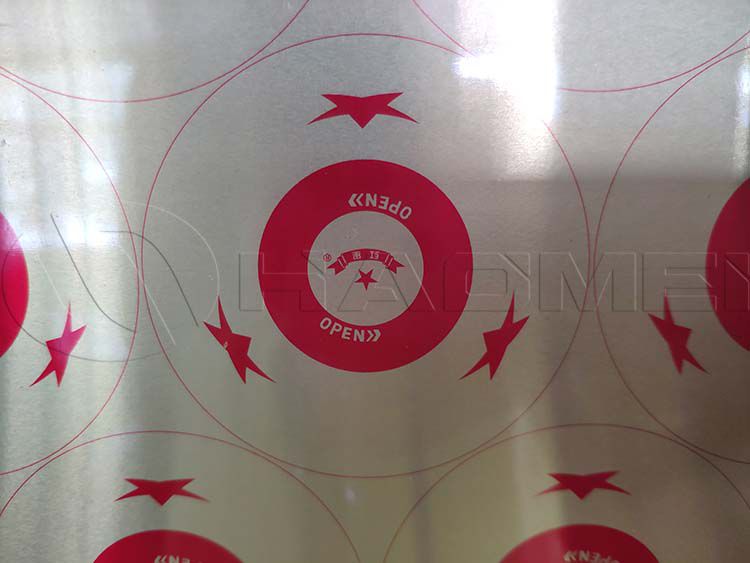
Aluminum caps and closures are made to suit the dimensions of bottles, containers and jar mouths. The aluminum bottle cap material is aluminum alloy sheet like plain or color printed aluminum sheet. Aluminum covers of different specifications need to be produced with aluminum alloy plates of different specifications.

color printed aluminum sheet.jpg

Advantages of aluminum bottle caps

1. The aluminum cap is hygienic, will not rust, and is easy to open without the need for auxiliary tools. After opening, the bottle cap is destructive and can effectively prevent theft.

2. The aluminum cap has the advantages of good cushioning, shock resistance, heat insulation, moisture resistance, chemical corrosion resistance, etc. It is non-toxic, non-absorbent, does not cause dust or peeling, and has very good sealing performance.

3. The aluminum cap is resistant to high temperatures, boiling, alcohol, etc. The pattern design can use color printing, embossed characters, and milled characters.

4. The aluminum cap has excellent sealing properties and a larger flat surface on the cap surface, making printing of various text logos more beautiful.

Two types of aluminum bottle caps

PP caps: It refers to pilfer proof caps that are made of printed aluminum plates and liners and are sealed with a threaded bottle mouth and cannot be restored after opening and use. It is commonly used for sealing wine, soft drinks, health products, condiments, etc.

ROPP caps: It is short for Roll-on Pilfer Proof. When the closure is installed on the bottle, the threads are formed by applying a pressure roller to the closure. ROPP caps are in great demand in the beverage and food industries and are widely used in alcohol, medical, pharmaceutical, beverage, food, agrochemicals, edible oils, lubricants,etc.

Food- grade paint

Haomei Aluminum offers plain, coated and printed aluminum foil sheet for making various bottle caps. The coating and paint is of food grade. Food-grade paint is an environmentally friendly and safe paint product that is widely used in food, catering, medical, children's products and other fields that require contact with food or have high human safety requirements.

First of all, food-grade environmentally friendly paints strictly follow relevant laws, regulations and standards in terms of ingredients. They usually use harmless, low-volatile organic solvents and do not contain harmful substances such as formaldehyde, heavy metals, benzene, etc. It has passed a number of quality and safety certifications, such as European REACH regulations, US FDA certification, Chinese GB 4806.1 standards, etc., ensuring its safety for human health.

Secondly, food-grade paint causes less environmental pollution during the construction process. Due to its use of low-volatility solvents, it can reduce the emission of harmful gases, reduce the risk of air pollution, cause less pollution to the construction site and the surrounding environment, and is conducive to the protection of indoor air quality.

In addition, food-grade paint has good durability and adhesion to the painted items after use. It can effectively protect the surface of the coated items, prevent damage caused by moisture, stains, etc., and extend its service life.

It also performs well in terms of painting effects, providing a wide range of color choices and gloss to meet different painting needs. The white painted aluminium sheet is a popular choice. At the same time, it also has good water resistance, oil resistance, wear resistance and other properties, allowing the painted items to maintain a good appearance during long-term use.

Finally, food-grade paints are widely used in food, catering and other food-contact fields. For example, in food packaging, food processing equipment, restaurant kitchens, food display cabinets and other occasions, the use of food-grade paint can ensure that painted items will not contaminate food and ensure food safety.

Original Source: https://www.alclosuresheet.com/a/what-is-used-for-making-aluminum-seal-cap.html

What Are The Corrosion Resistance of Aluminum Alloy Grades

Aluminum corrosion is the gradual decay of aluminum molecules into their oxides, thereby reducing their physical and chemical properties. Aluminum is essentially a reactive metal, but it is also a passive metal. This means that while the nascent aluminum reacts with oxygen and water in the environment, the resulting compounds form a layer on the surface that protects the underlying material from further corrosion.

This non-reactive oxide layer adheres well to the surface and resists peeling, similar to stainless steel. Unlike deliberate processes such as laser etching, aluminum anodizing or brightening, corrosion is a slow process that can take place over months or years. Aluminum is unique in that there are many different types of corrosion pathways. Understanding these different corrosion phenomena is the basis for implementing control measures to reduce or completely prevent their occurrence.

 5083 aluminium specification.jpg

The corrosion of aluminum and aluminum alloys mainly includes pitting corrosion, intergranular corrosion, stress corrosion cracking, lamellar corrosion, etc. The 6000 series alloy is the most popular among deformed aluminum alloys. Although its corrosion resistance is not as good as that of the 1000 series, 3000 series, and 5000 series aluminum alloys, it is much higher than that of the 2000 series and 7000 series aluminum alloys. 5000 series aluminum are the well known marine aluminum alloys.

The 6000 series alloy also has a relatively large intergranular tendency. The 6000 series aluminum alloy materials like 6082t6 grade aluminium used in important structures should be evaluated for intergranular corrosion sensitivity.

Judging from the corrosion morphology, the corrosion of aluminum can be divided into comprehensive corrosion and local corrosion. The former is also called uniform corrosion or overall corrosion, which refers to the uniform corrosion and loss of the material surface in contact with the environment. The corrosion of aluminum in alkaline solution is a typical uniform corrosion, such as alkali cleaning. The corrosion result is that the aluminum surface becomes thinner at approximately the same rate and the weight is reduced.

Localized corrosion means that the occurrence of corrosion is limited to specific areas or parts of the structure, and can be divided into the following categories:

Pitting corrosion occurs in very localized areas or parts of the metal surface, causing holes or pits that expand inward and even cause perforations. Aluminum in chloride-containing aqueous solutions is a typical pitting corrosion. In the corrosion of aluminum, pitting corrosion is common and is caused by the potential of a certain area of aluminum being different from the potential of the matrix, or by the presence of impurities with potentials that are different from the potential of the aluminum matrix.

This kind of corrosion is a selective corrosion that occurs at the grain boundaries of metals or alloys when the grains or crystals themselves are not significantly eroded. It will drastically reduce the mechanical properties of the material, causing structural damage or accidents.

The reason for intergranular corrosion is that the grain boundaries are very active under certain conditions. For example, there are impurities at the grain boundaries, or an alloy element increases or decreases at the grain boundaries. This means that there must be a thin region on the grain boundary that is electronegative to the rest of the aluminum, which corrodes preferentially. This kind of corrosion can occur in high-purity aluminum in hydrochloric acid and high-temperature water. AICu, AI-Mg-Si, Al-Mg, and Al-Zn-Mg alloys are all sensitive to intergranular corrosion.

Haomei Alumium provides rich marine aluminum alloys like 5083, 5052, 5086, 5059, 6061, 6082,etc. All are with classification society certification like DNV,LR, ABS,etc. Welcome to leave message below to inquire 5083 aluminium specification.


Original Source:https://www.marinealu.com/a/what-are-the-corrosion-resistance-of-aluminum-alloy-grades.html

5083 Marine Grade Aluminum

  For workboats, ferries, fishing vessels, offshore structures, and deck equipment, 5083 marine grade aluminum is valued for high strength w...