Holiday retail displays, exterior trim, signage frames, decorative panels, and seasonal fixtures often fail for one avoidable reason: inconsistent color between production runs.
For fabricators supplying Halloween, Black Friday, Thanksgiving, and Christmas programs, colored aluminum sheet metal can be a practical holiday solution when color approval, coating performance, and delivery sequencing are controlled before production begins.
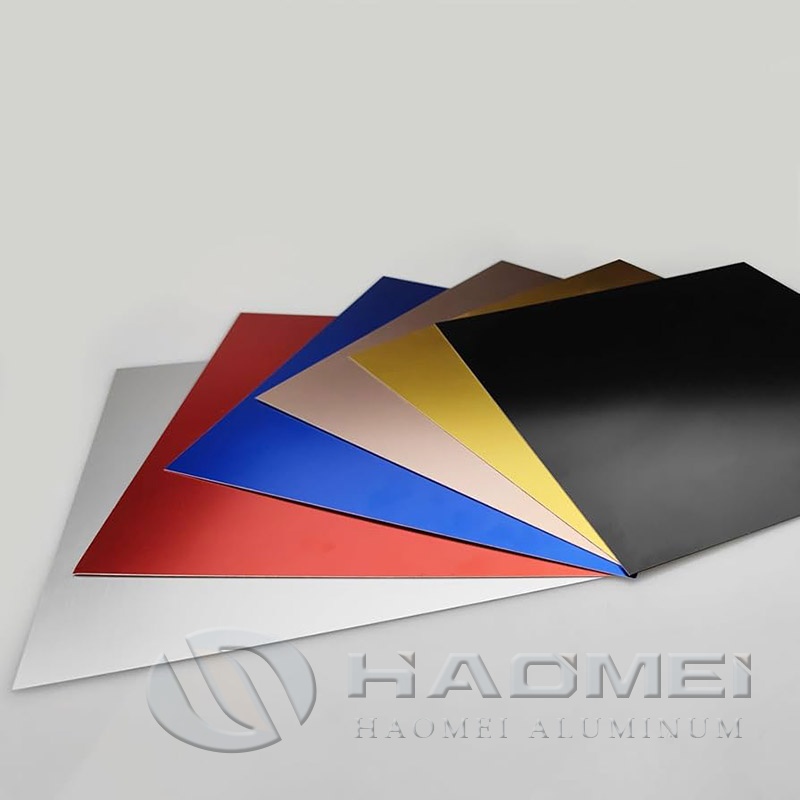
Solve the Main Holiday Risk: Color Mismatch Across Runs
Seasonal projects move quickly. A display contractor may approve a red panel in September, then need matching material for replacement parts or a second installation in November. If the supplier uses a different paint batch, substrate, gloss level, or viewing condition, visible variation can delay assembly and create rejected components.
Color-coated aluminum is supplied as sheet, strip, coil, foil, or circle stock with factory-applied paint. It can reduce downstream painting steps, but it does not automatically guarantee a visual match across separate releases. Color acceptance must be defined in the purchase specification.
Use this pre-production checklist before placing a holiday program order:
Specify alloy, temper, thickness, width, and coating side.
State the required color standard: approved physical sample, RAL reference, Pantone reference, or custom swatch.
Confirm gloss target and gloss measurement angle. ISO 2813 is the established method for determining specular gloss of non-metallic paint films at 20°, 60°, and 85°.
Define acceptable color variation using a measured color-difference method, such as CIELAB ΔE. Agree on the formula, instrument geometry, illuminant, and observation angle.
Require all visible components for one project to be produced from the same coating batch where feasible.
Approve a production sample before slitting, blanking, stamping, or panel fabrication.
Identify whether protective film is required and when it must be removed.
A RAL or Pantone reference alone may not be sufficient for metallic, pearlescent, brushed, or high-gloss finishes. These surfaces can look different depending on viewing angle, lighting, panel orientation, and coil direction. A retained physical standard is particularly useful for retail fixtures viewed under LED lighting.
| Holiday application | Typical color concern | Specification action |
|---|---|---|
| Halloween signage and trim | Black gloss variation, scratching during fabrication | Define gloss level, protective film, and bend direction |
| Thanksgiving display panels | Warm bronze, copper, or orange shade drift | Approve a physical sample under intended lighting |
| Black Friday store fixtures | Fast replacement demand | Reserve matching coil or cut-sheet quantity |
| Christmas décor and fascia | Red, green, gold, and metallic consistency | Control batch, panel orientation, and acceptance criteria |
For coil-coated products, ask the producer which coating system is offered, such as polyester, SMP, PVDF, polyurethane, or another specified finish. Do not assume that a named coating category provides the same durability from every source. Request the product data sheet and test report for the exact coating system and color.
Relevant standards can help make requests measurable. ASTM B209 covers aluminum and aluminum-alloy sheet and plate, while EN 13523 is a series of test methods for coil-coated metals. For example, EN 13523 includes methods covering gloss, color difference, pencil hardness, cupping resistance, humidity resistance, and salt-spray resistance. These methods describe how tests are performed; the required performance level should still be stated in the order specification.
Build a Holiday Release Schedule That Protects Production
The 2026 holiday calendar creates a narrow execution window: Halloween falls on October 31, U.S. Thanksgiving is November 26, Black Friday is November 27, and Christmas Day is December 25. For store installations, material delays are most expensive when fabrication, assembly, and site work overlap.
Treat the material order as a phased release instead of a single shipment without controls.
| Production stage | Recommended action | Risk avoided |
|---|---|---|
| Design freeze | Lock color sample, substrate, finish, dimensions, and tolerances | Late engineering changes |
| Sample approval | Review formed and flat samples under project lighting | Color or bend cracking surprises |
| Main production | Produce visible panels from one approved run where possible | Batch-to-batch mismatch |
| Reserve material | Hold an agreed replacement quantity | Unmatched emergency replenishment |
| Packing release | Label coils and pallets by project, color, and batch | Mixing material on the shop floor |
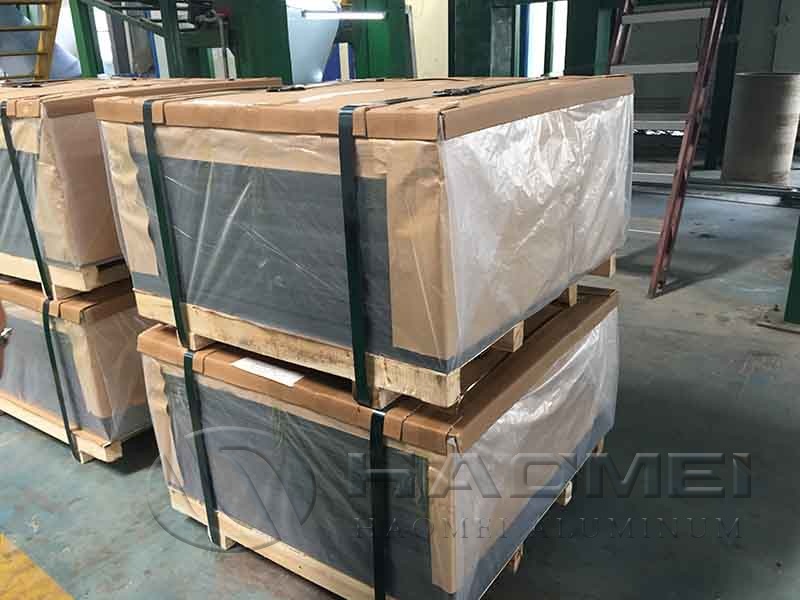
For high-volume stamping or roll-forming, verify forming suitability before committing to a painted surface. Coatings can crack, whiten, or lose adhesion if bend radii are too tight for the selected alloy, temper, coating thickness, and paint system. Test actual tooling conditions with representative samples.
Ask for these documents with the offer:
Mill test certificate for the aluminum substrate, where applicable.
Coating technical data sheet showing nominal dry-film thickness and curing information.
Color and gloss inspection record for the approved production batch.
Adhesion test method and result, such as ISO 2409 cross-cut classification when specified.
Packing details, including pallet protection, interleaving, coil eye orientation, and moisture protection.
Statement of conformity for any project-specific requirement, such as RoHS or REACH restrictions, if applicable to the destination market.
Avoid specifying a durability claim without defining exposure. Interior point-of-sale displays, sheltered fascia, coastal exterior signage, and industrial enclosures face different UV, moisture, salt, chemical, and abrasion conditions. A coating appropriate for a short indoor promotion may not suit a multi-year outdoor installation.
Compare Finish Choices Before Selecting Stock
The right finish is determined by the holiday application, not only by the color card. This comparison helps purchasing and engineering teams align material selection with expected use.
| Finish approach | Suitable use | Advantage | Verify before approval |
|---|---|---|---|
| Standard polyester coating | Indoor seasonal fixtures, short-term displays | Broad color availability and efficient processing | Scratch resistance, gloss, forming performance |
| SMP coating | Exterior architectural accents | Improved weathering potential versus many standard polyester systems | Supplier-specific performance data and exposure conditions |
| PVDF coating | Long-service exterior panels | Strong reputation for weatherability in architectural applications | Resin content, film build, warranty scope, project environment |
| Protective-film laminated finish | Fabrication-intensive panels | Helps reduce handling marks before installation | Film adhesion, removal window, residue risk |
| Anodized or brushed appearance | Premium retail trim | Metallic visual effect without conventional solid-color paint | Directionality, batch matching, bend appearance |
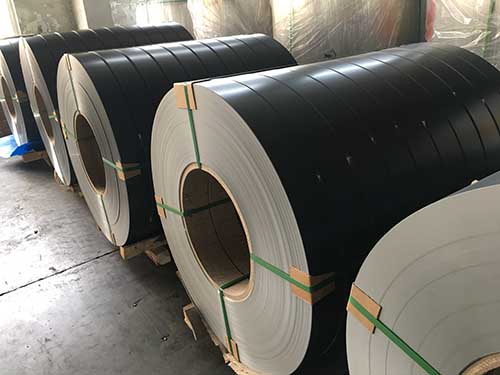
For projects needing narrow rolls for brake forming, fascia, edging, or gutter-adjacent decorative work, aluminum trim coil may reduce cutting waste compared with wide sheet. For stamped ornaments, discs, caps, reflectors, or circular components, confirm that coating adhesion and surface appearance remain acceptable after blanking and forming.
A practical purchase order should identify the finished-use surface as either "show face" or "non-show face." It should also state whether minor roller marks, edge waviness, coil-set, or surface imperfections are permitted. This prevents disputes when material is technically within a general tolerance but unsuitable for a highly visible holiday display.
For seasonal programs, the most valuable protection is not simply choosing a bright finish. It is controlling one approved color standard, one defined inspection method, one traceable batch plan, and one replacement-material strategy before production begins.


没有评论:
发表评论