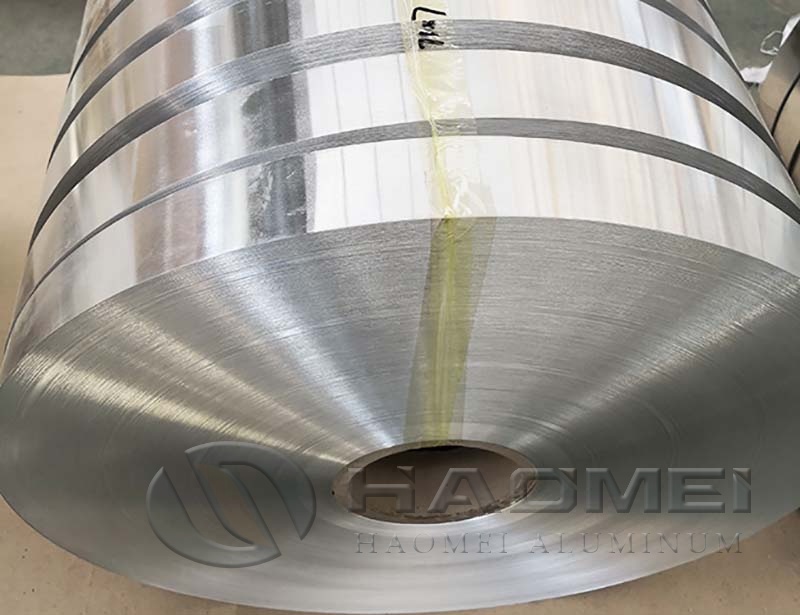
Placa De Aluminio 1 8


Por qué tanta gente pregunta por la placa de aluminio 1/8

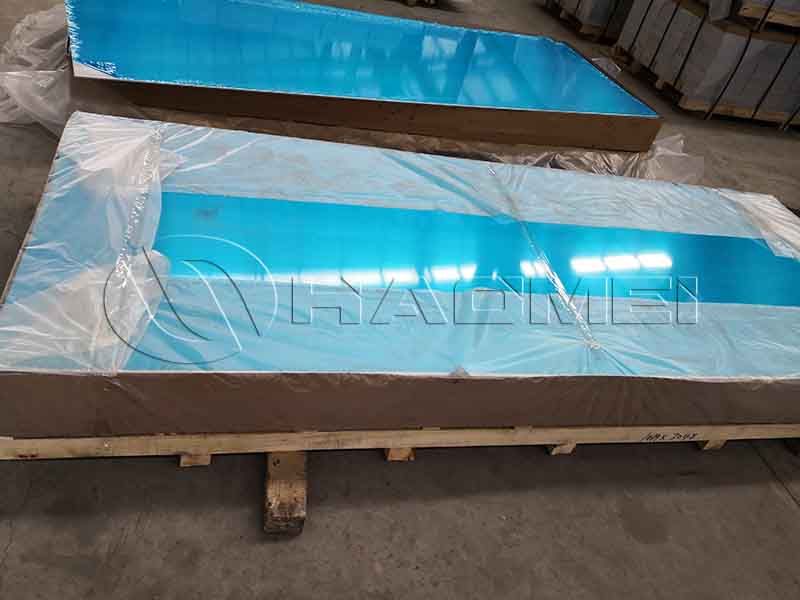
Cuando alguien escribe «placa de aluminio 1/8» suele estar buscando un espesor estándar, fácil de comparar y muy usado en bricolaje, rotulación, cerramientos, piezas mecanizadas y soportes. 1/8 de pulgada equivale a 3,175 mm, pero en el mercado real aparecen tolerancias, equivalentes métricos y diferentes aleaciones que cambian el resultado final. A continuación van 5 preguntas que se han repetido mucho en búsquedas y foros de Q&A estos últimos meses, respondidas con criterio práctico de compra.
aluminum sheet thickness

1) ¿La placa de aluminio 1/8 es exactamente 3,175 mm o puede variar?

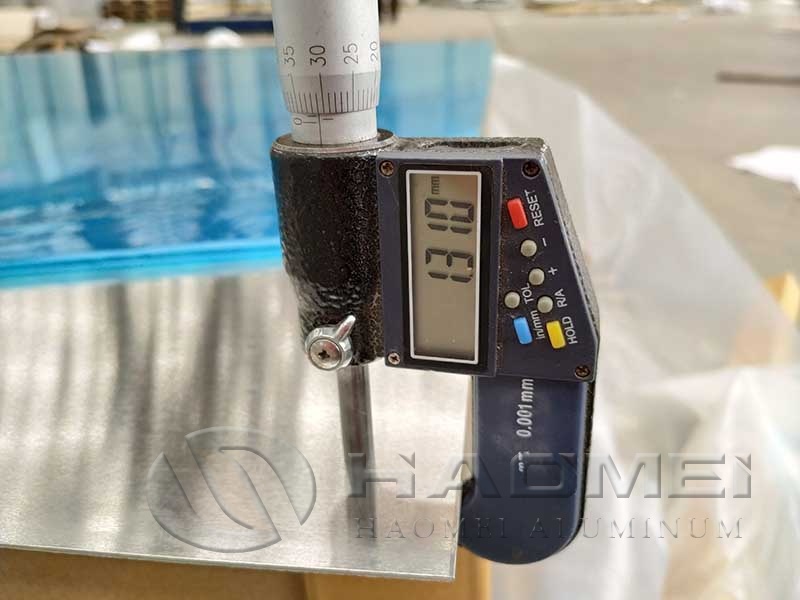
En teoría, sí:1/8" = 3,175 mm. En la práctica, la placa puede llegar ligeramente por debajo o por encima por tres motivos:

  • Tolerancia de laminación:en espesores finos, un margen de variación es normal, y depende de norma y fabricante.

  • Tipo de producto:una placa para uso general puede manejar tolerancias más amplias que una placa para mecanizado.

  • Acabado y recubrimiento:film protector, anodizado o pintura añaden micras y cambian la medición con calibre.

Qué pedir para evitar sorpresas:solicita el rango de tolerancia en mm y si el material se entrega con film. Si tu pieza depende de un encaje, pide una especificación de espesor objetivo, por ejemplo:3,20 mm mín. o 3,10~3,20 mm.

Tabla rápida:equivalencias y cómo se anuncian

Cómo lo verás publicadoEquivalente realComentario
1/8"3,175 mmReferencia en pulgadas, muy común
3,0 mm3,00 mmAlternativa métrica, no idéntica
3,2 mm3,20 mmSe usa como «casi 1/8»
0,125"3,175 mmFormato decimal en pulgadas

2) ¿Qué aleación es mejor en 1/8:5052 o 6061?

Depende del trabajo, no del espesor. Esta duda aparece muchísimo porque ambas se venden en 1/8 y la diferencia se nota al doblar, soldar o mecanizar.

  • 5052:destaca en resistencia a la corrosión y conformado. Si vas a doblar, curvar o hacer carcasas, suele dar menos problemas de grietas. Es habitual en entornos húmedos o salinos.

  • 6061:destaca en mecanizado y rigidez. Si vas a fresar, roscar o hacer piezas estructurales, suele ser una apuesta sólida. En temple T6 es muy estable, pero para doblado exigente no siempre es la opción más amable.

Si tu prioridad es doblar sin fisuras, considera una Hoja de aluminio 5052 en 1/8. Si tu prioridad es mecanizar soportes, placas base o piezas con rosca, mira una Chapa de aluminio de grado aeronáutico cuando necesites trazabilidad, planitud y propiedades más controladas.

3) ¿Cómo se calcula el peso de una placa de aluminio 1/8 por metro cuadrado?

Esta pregunta se repite porque el coste de envío y la manipulación dependen mucho del peso real. Para estimar rápido:

  • Densidad del aluminio ≈ 2.700 kg/m³

  • Espesor 1/8" = 0,003175 m

Peso por m² ≈ 2.700 × 0,003175 = 8,57 kg/m²

Si tu placa mide, por ejemplo, 1.000 × 2.000 mm (= 2 m²), el peso aproximado será 8,57 × 2 = 17,14 kg, sin contar embalaje.

Tabla de referencia de peso en 1/8

TamañoÁreaPeso aprox.
500 × 500 mm0,25 m²2,14 kg
1.000 × 1.000 mm1,00 m²8,57 kg
1.000 × 2.000 mm2,00 m²17,14 kg

4) ¿Qué acabado conviene:cepillado, anodizado o con film protector?

La gente lo pregunta porque el mismo material «se ve» y «se comporta» distinto según el acabado, y eso afecta al uso final.

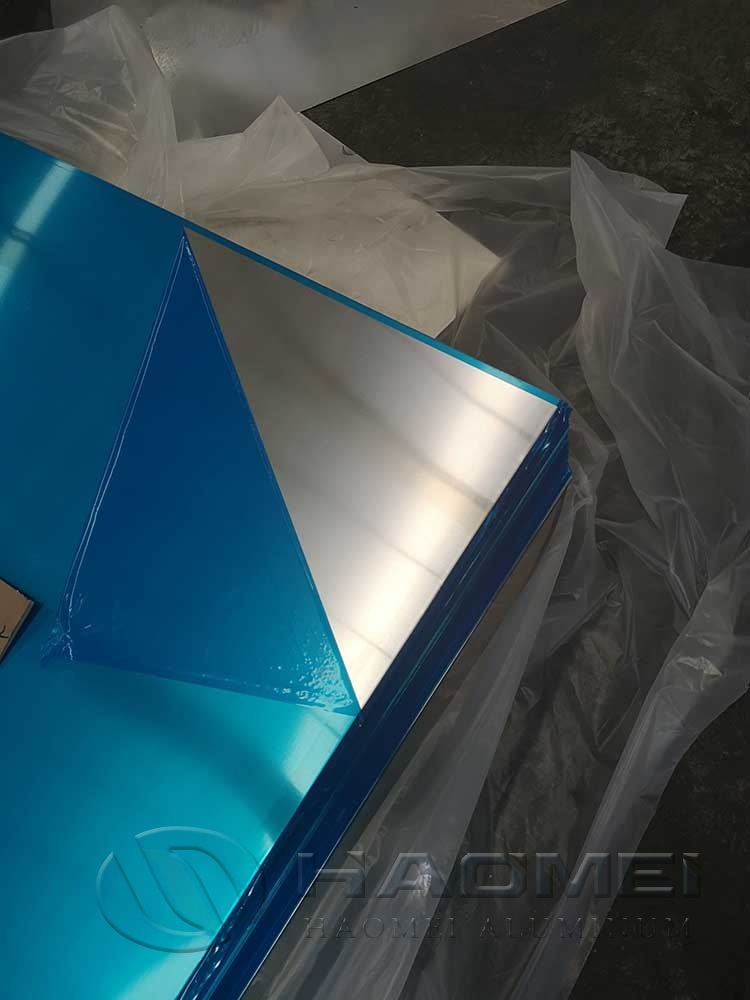
  • Film protector:ideal si vas a manipular, cortar o transportar y quieres minimizar arañazos. Si vas a pintar o pegar vinilo, confirma que el adhesivo del film no deja residuo.

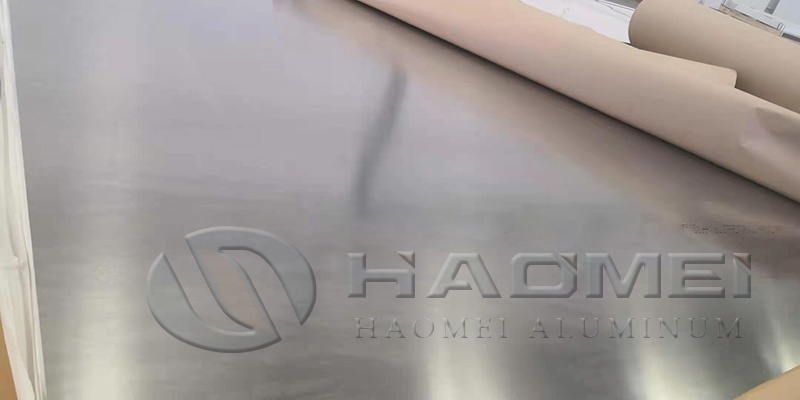
  • Cepillado:muy usado en estética, rótulos y paneles visibles. Ojo:el sentido del grano importa, pide que el corte respete la orientación.

  • Anodizado:mejora resistencia superficial y aspecto. Si tu pieza se va a rozar o estará a la intemperie, suele compensar. Considera que el anodizado puede afectar tolerancias en encajes muy ajustados.
1000 aluminum sheet

Consejo práctico:si vas a mecanizar y luego anodizar, deja margen en zonas críticas, porque el anodizado suma espesor en la superficie.

5) ¿Qué influye más en el precio de una placa de aluminio 1/8:la aleación, el formato o el corte?

En preguntas recientes de Q&A, muchas personas comparan precios y se sorprenden de diferencias grandes «para el mismo 1/8». Normalmente el precio final cambia por una combinación de estos factores:

  1. Aleación y temple:5052, 6061, 3003, etc. no cuestan igual. El temple (por ejemplo, T6, H32) también impacta.

  2. Planitud y calidad superficial:placa para uso decorativo o mecanizado suele requerir controles extra.

  3. Tamaño de hoja y rendimiento de corte:a veces una medida «a medida» genera más merma que comprar un formato estándar.

  4. Tipo de corte:

    • Cizalla:rápida y económica, pero puede dejar ligera deformación en bordes.

    • Láser/agua:mejor precisión, coste mayor.

    • CNC:ideal si hay taladros o contornos complejos.

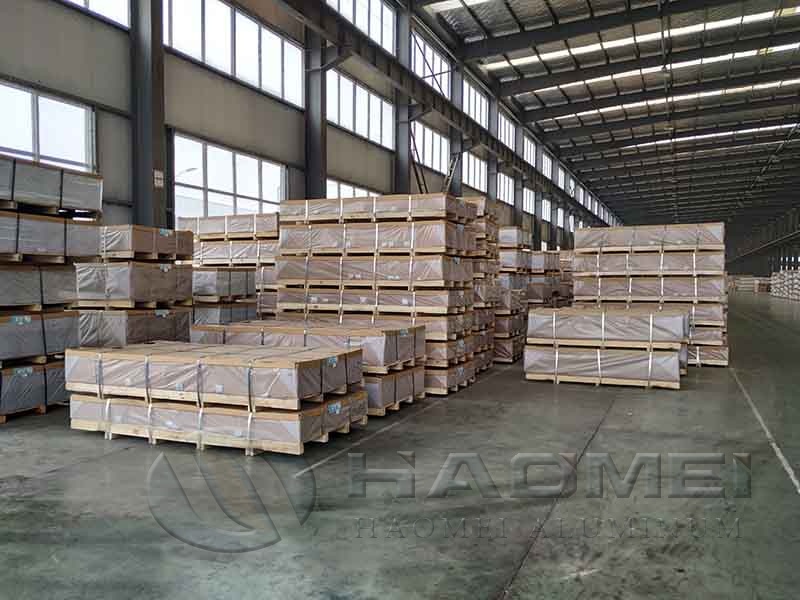
  5. Embalaje:esquinas protegidas, tarima, film, intercalado de papel, todo suma, pero reduce daños.
aluminum sheet packaging

Tabla:qué pedir en tu solicitud para obtener una cotización comparable

Dato que debes indicarEjemploPor qué importa
Espesor real1/8" (3,175 mm)Evita que te coticen 3,0 mm
Aleación y temple5052 H32 o 6061 T6Cambia precio y desempeño
Dimensión y tolerancia600 × 400 mm ±0,5 mmDetermina el proceso de corte
Acabadocon film/cepilladoAfecta mermas y manipulación
Uso finaldoblado, soldadura o mecanizadoAyuda a recomendar aleación

Preguntas rápidas que también están apareciendo mucho

  • ¿Se puede soldar una placa de aluminio 1/8 con MIG/TIG? Sí, pero la facilidad depende de aleación y aporte. Para trabajos comunes, 5xxx suele ser agradecida; 6xxx requiere más control y limpieza.

  • ¿Se puede doblar 1/8 a mano? Se puede, pero para doblados rectos y repetibles conviene plegadora o al menos una guía robusta. En 6061 T6 el radio mínimo suele ser mayor que en 5052.

  • ¿Qué pasa si compro 1/8 y me llega 3,0 mm? En piezas decorativas quizá no importa; en herrajes, separadores o encajes puede ser crítico. Por eso conviene pedir espesor objetivo y tolerancia por escrito.

  • Fuente original: https://www.placadealuminio.es/a/placa-de-aluminio-18.html
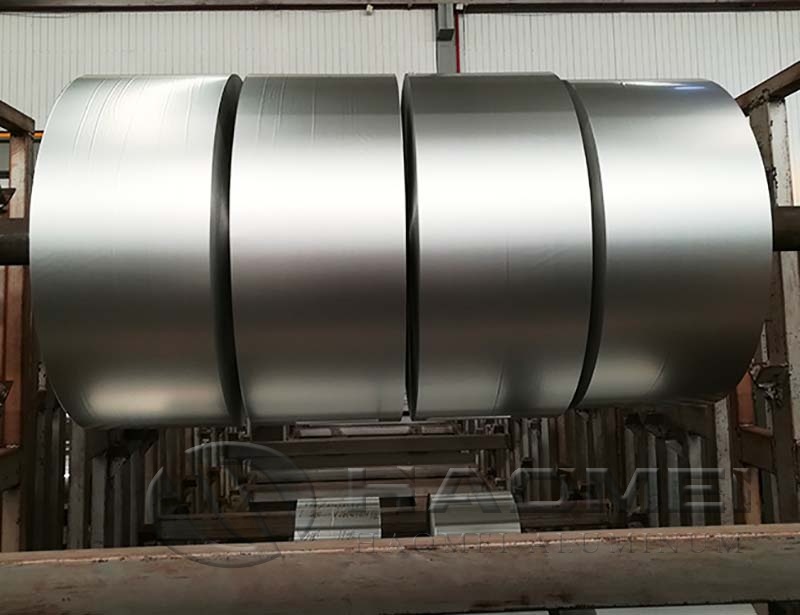
Food Tray Aluminum Foil

 Food tray applications rely on aluminum foil that can form deep draws, hold shape through heating, and protect taste and freshness. For bulk purchasing and converting, the right specification is less about a single buzzword and more about matching alloy, temper, gauge, and surface condition to tray geometry and your processing line.

food grade aluminum foil

What makes foil suitable for food trays

Aluminum foil for trays is selected to balance three practical needs: formability during stamping, strength in the finished rim and base, and barrier performance against moisture, oxygen, and aroma transfer. Aluminum is widely used in food contact packaging because it is non toxic in normal use and provides an effective barrier when the foil is intact.

For tray production, the most common performance checks include:

  • Forming behavior: stable draw without excessive wrinkling, tearing, or earing.

  • Rim integrity: consistent curl and stiffness for sealing or lidding films.

  • Heat tolerance: reliable in ovens and under reheating conditions typically used for ready meals.

  • Surface cleanliness: low rolling oil residue to support coating, printing, or lacquering.

Many tray lines also require lacquered surfaces for specific foods, better release, or compatibility with heat sealing. Coatings must be food contact compliant under your destination market regulations, so it is important to confirm declarations of compliance and migration testing with your supplier.

Common alloys, tempers, and gauges for tray stock

Tray foil is typically produced from the 8xxx series or selected 3xxx series depending on the required forming and strength. In practice, tray makers often choose 8006, 8011, or 8021, with tempers tailored to the forming depth and tray design.

When you are specifying, focus on these levers:

  • Alloy choice affects strength and drawability.

  • Temper affects hardness and forming window.

  • Gauge affects rigidity, dent resistance, and cost per tray.

If your trays are deep drawn or you see cracking at corners, you may need a softer temper, tighter surface control, or a different alloy. For high speed production, consistent mechanical properties across the coil length can reduce downtime and scrap.

aluminum foil jumbo roll

Typical specification ranges (indicative)

ItemCommon rangeWhy it matters for trays
Thickness0.035 mm to 0.200 mmThicker improves stiffness and dent resistance, thinner reduces cost but can increase deformation
WidthAs per die layoutImpacts yield, trim loss, and press stability
TemperO, H22, H24 (varies by alloy)Softer tempers form deeper, harder tempers improve rigidity
SurfaceOne side bright or both sides matte, controlled oilAffects lacquer adhesion, appearance, and sealing performance
CoatingLacquered or uncoatedNeeded for reactive foods or sealing, also improves release

For container manufacturing, a widely used starting point is 8006 Aluminium Foil for Container, often chosen for its strength and forming balance in many tray shapes.

How to choose for your tray type and process

Different tray formats place different demands on the foil. Use the tray geometry and your downstream process to narrow the specification.

Baking and roasting trays

These formats benefit from higher rigidity to hold shape under load. If the tray must resist bending when handled, consider a slightly higher gauge and a temper that provides rim stiffness. If the tray is used with acidic or salty foods, lacquer is often specified to reduce interaction and staining.

Ready meal trays with lidding and sealing

If you run heat sealing or need peelable lids, the rim quality and surface condition become critical. A stable curl and consistent rim thickness help maintain seal integrity. Many converters select 8011 for general food packaging due to its common use and good processing behavior. For packaging focused applications, 8011 Aluminum Foil Food for Packaging is frequently used where surface cleanliness and printability are priorities.

Airline, takeaway, and multi cavity trays

These designs often have thin ribs and sharper corners. Forming stability matters more than absolute stiffness. If tearing appears at corners, review:

  • Grain direction relative to die design.

  • Lubrication and tool wear.

  • Coil to coil consistency of mechanical properties.

  • Whether a softer temper would widen the forming window.

Quality and compliance checkpoints to request from a supplier

For bulk supply, the most useful documents and tests are the ones that correlate directly with your production yield and customer claims.

CheckpointWhat to ask forWhat it helps prevent
Chemical compositionMill test certificate per coilUnexpected strength changes, inconsistent forming
Mechanical propertiesTensile and elongation targets by temperCracking, excessive wrinkling
Surface cleanlinessResidual oil control, cleanliness standardPoor coating adhesion, odor issues
Pinholes and defectsInspection method and acceptance criteriaLeaks, barrier failures, stain marks
Coating data (if lacquered)Coating type, cure window, food contact statementsSeal failures, migration risk
Dimensional tolerancesThickness and width toleranceDie instability, scrap from variation

Packaging operations often benefit from trial coils to validate forming and sealing on the actual press and tooling. A small change in gauge tolerance or surface oil can materially change scrap rates on high speed lines.

Practical notes on storage and handling

Even high quality foil can lose performance if it is stored incorrectly. Keep coils wrapped until use, avoid high humidity and large temperature swings, and protect edges from impact to reduce telescoping and edge damage. If you laminate or lacquer, store per coating supplier guidance to avoid blocking or cure drift.

By aligning tray design with alloy and temper selection, and by qualifying surface and cleanliness controls, you can improve forming stability, reduce leaks and corner splits, and deliver consistent tray appearance across production batches.

Original source:  

Aluminum Bottle Cap Material

 Bottle cap manufacturing depends on consistent forming behavior, stable coatings, and reliable supply. For high speed closure lines, the right sheet or coil choice reduces scrap, improves decoration yield, and helps your caps seal consistently across different beverages and fill conditions. This page introduces common options for cap makers using plain, painted, or printed aluminum, with practical selection points for alloy, temper, surface treatment, and quality control.

aluminum closure sheet stock

Product forms and where they fit in cap production

We supply cap makers with sheet and coil designed for stamping, drawing, and knurling operations used in pilfer proof caps, ROPP closures, beverage caps, and other aluminum closures. Material can be delivered in coil for press feeding or in cut to size sheets for flexible lot production.

  • Plain stock: Used when decoration is done later in house or when an uncoated inner surface is required for a specific liner system.

  • Painted stock: Used when you need stable color, corrosion resistance, and controlled friction for forming. Painted coil also supports high line productivity because coating uniformity helps reduce scuffing.

  • Printed stock: Used when brand graphics are applied before forming. A good print system needs strong ink adhesion and abrasion resistance to withstand cap forming and handling.

For applications requiring uncoated supply, we can provide Plain Aluminum in sheet or coil with controlled gauge, flatness, and surface quality suitable for closure conversion.

painted aluminum sheet

Typical specifications cap makers request

Selection should be driven by your cap design, tooling, press speed, and decoration process. The combinations below reflect widely used industry practices for closure stock. Final suitability depends on your forming trials and your local regulatory requirements for food contact coatings.

Common alloy and temper choices

Aluminum closure stock frequently uses 8xxx and 3xxx series alloys because they balance formability with strength. Temper is chosen to match how much deformation occurs during forming and to help control knurl definition and thread performance.

ItemTypical choice for closuresWhy it is usedNotes for production
Alloy family3xxx series (e.g., Al Mn)Good formability, stable mechanical propertiesConfirm your target yield strength and elongation with your tooling
Temper rangeH14 or similarSupports stamping and forming without excessive earingOptimize for your cap height, skirt design, and pilfer band
Gauge rangeBased on cap designAffects stiffness, torque retention, and forming stabilityTighter gauge tolerance helps reduce line adjustment
Surface finishSmooth, controlled roughnessAffects paint adhesion, ink anchorage, and frictionToo smooth can risk coating adhesion; too rough can print poorly

Coatings and decoration systems

Paint and print performance are often tied to coating chemistry, curing, and the forming severity at the skirt and knurl. Many cap lines use a base coat plus a top coat, and printed designs are protected by a clear over varnish when needed.

Surface optionTypical structureBenefits for cap makersKey checks
Painted (single or double side)Primer plus top coatConsistent color, corrosion resistance, controlled frictionCoating thickness uniformity, gloss, color delta, abrasion
PrintedBase coat plus inks, optional over varnishBrand graphics applied before formingInk adhesion, rub resistance, registration stability
Food contact interior coatingFunctional lacquer systemHelps resist product attack and protects appearanceVerify compliance to your market regulations and product type

printed aluminum

How to choose between plain, painted, and printed supply

Your best option depends on where decoration happens in your process and how sensitive your caps are to surface friction and scuffing.

  • If you print after forming. Plain or painted aluminum stock may be preferred, depending on whether you need a colored base or corrosion protection before printing.

  • If you print before forming. Printed coil can reduce steps in your cap plant, but it requires carefully matched ink, coating hardness, and forming parameters to avoid cracking at high deformation zones.

  • If you need maximum flexibility across brands. Painted supply with a standard base color can support multiple product lines, while final branding is handled through secondary decoration.

When evaluating coated stock, focus on how the surface behaves under your actual press conditions. Coatings that look good on flat sheet can fail if friction is too high, cure is off, or the coating is too brittle at the pilfer band and knurl.

Quality controls that matter for high speed closure lines

Cap makers often measure incoming material beyond basic chemical composition.

Control pointWhat it preventsWhy it matters on the line
Gauge and width toleranceInconsistent cap height, weight variationReduces press setup time and scrap
Flatness and camberFeeding issues, die marksStable feeding improves OEE
Surface cleanlinessPaint defects, fisheyes, ink voidsImproves decoration yield
Coating cure and adhesionFlaking, cracking during formingProtects appearance and reduces rejects
Lubricity and friction stabilityScuffing, scratchesConsistent forming and stacking behavior

Packaging and supply considerations for bulk orders

For bulk procurement, stable logistics can be as important as material selection.

  • Coil ID and OD: Matched to your decoiler and press feeding system.

  • Edge condition: Clean edges reduce handling risk and prevent coil breaks.

  • Protective film and interleaf: Helpful for high gloss finishes and printed surfaces.

  • Traceability: Heat, coil, and lot marking supports root cause analysis and ongoing process improvement.

If you already run a qualified alloy and temper, the fastest way to validate a new supply is to align on your key forming metrics, decoration requirements, and inspection plan, then confirm with a short trial coil or pilot sheets before scaling to full volume.

Original source: https://www.alclosuresheet.com/a/aluminum-bottle-cap-material.html

How to Choose Aluminum Sheet Metal Thickness

 Both buyers and individual users place extremely strict requirements on aluminum sheet thickness. Many people wonder why thickness is the most critical requirement, given that the material and surface treatment of aluminum sheets also affect usability.

Unlike material and surface treatment, which can be corrected through later testing or adjustments, the thickness of an aluminum sheet, once determined, fixes its mechanical properties and application limits. Furthermore, the effects of thickness deviations are often irreversible. This is the core logic behind the strict thickness requirements, which can be summarized in three points:

5mm aluminum plate.jpg

Firstly, thickness directly relates to safety. Especially in applications such as building curtain walls, ship decks, and machinery housings, aluminum sheets must bear loads, resist wind pressure, and withstand impacts. Insufficient thickness significantly reduces structural stability. Conversely, excessive thickness increases weight, placing additional load on the installation structure and posing safety risks.

Secondly, thickness determines the balance between cost and performance. The cost of aluminum sheets of the same material is positively correlated with thickness; thicker sheets often have a higher cost per unit weight than thinner sheets. Insufficient thickness, however, leads to substandard performance, requiring later repairs and replacements, resulting in more harm than good. Therefore, precise thickness control is essential to achieving the optimal balance between performance and cost.

Finally, thickness affects processing adaptability and the final effect. Processes such as bending, welding, and drilling of aluminum sheets have specific thickness requirements; for decorative aluminum sheets, uneven thickness can cause wavy deformation of the surface, severely affecting the flatness of the appearance.

Popular Thicknesses

Based on current industrial and civilian needs, the most popular aluminum sheet thicknesses on the market are 0.5mm, 1mm, 2mm, 3mm, 5mm, and 8mm. Among them, 5mm aluminum sheet has become one of the most popular thicknesses due to its advantages of "balanced performance, wide adaptability, and high cost-effectiveness," adapting to the mainstream needs of many industries.

Mainstream Popular Thicknesses and Applicable Scenarios

- 0.5mm-1mm: Primarily lightweight and low-cost, mostly used for heat sinks for electronic components, battery casings, small billboards, and aluminum foil substrates for packaging. Suitable for precision, small-scale applications where strength requirements are not high.

- 2mm-3mm: Core thickness for civilian and light industrial use, suitable for building ceilings, interior decorative panels, appliance casings, and automotive interior parts. Balancing aesthetics and basic performance, with ample stock and outstanding cost-effectiveness. - 5mm: The "all-purpose" thickness for medium-thick plates, and currently the most in-demand specification. This will be analyzed in detail below.

- 8mm: Primarily designed for medium to heavy-duty applications, often used for large machinery shells, ship interior panels, and heavy furniture frames. Performance is superior to 5mm, but cost and processing difficulty are correspondingly higher.

5mm Aluminum Plate: The Core Reasons for its Popularity

5mm aluminum plate is a core specification for medium-thick plates. It avoids the insufficient load-bearing capacity of thin plates while avoiding the high cost and processing difficulties of thick plates. Its popularity is mainly reflected in three points:

1. Balanced performance, suitable for multiple scenarios. The rigidity and toughness of 5mm aluminum plate are just right, possessing a certain load-bearing capacity and impact resistance. It can be used directly as a small structural component. Simultaneously, the processing difficulty is moderate, requiring no specialized large equipment. Bending, welding, and drilling processes can be easily achieved, balancing structural requirements with processing convenience.

2. Outstanding cost-effectiveness, controllable cost. Compared to 8mm and 10mm thick plates, 5mm aluminum plates consume less raw materials and have lower processing and transportation costs. Compared to 2mm and 3mm thin plates, they have stronger load-bearing capacity, longer service life, and require less frequent maintenance and replacement, resulting in a more cost-effective long-term use. Whether for industrial procurement or mass decoration, they achieve a balance between cost and performance.

3. Wide range of applications and strong demand. 5mm aluminum plates can cover many mainstream fields such as construction, industry, and furniture—for example, auxiliary load-bearing panels for building curtain walls, protective shells for machinery and equipment, load-bearing base materials for large outdoor billboards, tabletops in furniture, and pipe insulation packaging. Depending on the alloy composition, they can even be adapted to special environments such as humidity and corrosion, and market demand remains consistently high.

Key reminders for selecting aluminum plate thickness

1. Prioritize the application scenario: Choose 0.5mm-3mm for decorative applications, 5mm and above for structural load-bearing applications, and 20mm or thicker plates for heavy industrial applications as needed. Avoid using thick plates for thin applications or thin materials for thick applications.

2. Strictly control thickness tolerance and "sufficient thickness" standards: When purchasing, confirm that the actual measured thickness is not less than the nominal thickness, and that the thickness tolerance is controlled within the national standard range (for 1mm-6mm aluminum plates, the tolerance is recommended to be ≤±0.1mm). Also, pay attention to distinguishing between the base material thickness and the coating thickness to avoid being misled by vendors who try to "make up for the thickness with coatings." It is best to clearly specify the thickness standard in the contract. Haomei Aluminum can provide custom aluminum plate for you.

3. Consider alloy composition: The performance impact of thickness is based on the same alloy composition. For example, the base material strength of a 6061 series thick plate is still higher than that of a 1060 series thick plate. Performance cannot be judged solely based on thickness.


Original source: https://www.alsheetplate.com/a/how-to-choose-aluminum-sheet-metal-thickness.html

Marine Aluminium Extrusions

 Marine aluminium extrusions are popular for boat structures, gangways, handrails, T tracks, frames, ladders, and lightweight deck hardware because they combine strength, corrosion resistance, and easy fabrication. On Q and A platforms, the most common confusion is not whether aluminium works at sea, but which alloy and temper to pick, what surface finish actually survives salt exposure, and how to specify an extrusion so it fits and welds without surprises.

aluminum gangway

1) What is the best alloy for marine aluminium extrusions: 6061, 6063, or 6082?

People keep asking this because listings often label all three as "marine grade," yet they behave differently once you start welding, machining, and living with seawater.

Practical selection (typical small to mid marine structures):

  • 6082-T6 or T651 is often the most balanced choice in Europe and many export markets for structural extrusions. It tends to offer strong mechanical properties and good corrosion resistance for above waterline parts.
  • 6061-T6 is globally common, very available, and friendly for machining and general fabrication. It is a safe default for many structural profiles, brackets, and frames.
  • 6063-T5 or T6 is usually chosen for excellent extrudability and surface finish, so it is common for rails, trims, and profiles that benefit from clean anodizing. It is generally not the first pick when you need maximum structural strength.

Where these differences show up in real projects is in weld zones. If you will weld heavily, you may prefer designs that avoid concentrating loads right next to welds, or you may accept that post weld strength near the heat affected zone is lower than base metal. If you need a quick reference for common mechanical expectations and availability, see Alu 6061 and Alu 6082.

2) Do marine aluminium extrusions corrode in seawater, and what protection matters most?

Yes, aluminium can corrode in marine environments, but the failure mode most people fear is rarely uniform rust like steel. The common problems are pitting, crevice corrosion, and galvanic corrosion.

What actually matters in practice:

  • Design out crevices. Trapped salty moisture under pads, inside tight overlaps, or in unsealed joints causes local attack. Simple drain paths and accessible rinse points help more than many coatings.
  • Avoid dissimilar metal contact. Stainless fasteners on aluminium are common, but direct contact plus seawater can create galvanic coupling. Use isolating washers, sleeves, bedding compounds, or barrier tapes.
  • Pick the right finish for exposure. Anodizing helps above waterline, but in tight crevices it cannot compensate for poor design. Coatings can be excellent if edges and fastener holes are properly sealed.

If your project includes plates welded to extrusions, pairing profiles with proven marine plate alloys is common.

5083 aluminum sheet

3) Is anodized aluminium okay on boats, or should I use powder coating or bare mill finish?

This is asked frequently because people have seen both beautiful long lasting anodized rails and also chalky, stained, or peeling finishes.

How to choose:

  • Anodizing (especially for 6063 profiles) offers a hard, attractive surface and good UV stability. It is excellent for handrails, window frames, and decorative or semi structural parts above waterline. Specify marine appropriate sealing and a thickness that matches the exposure.
  • Powder coating can give great aesthetics and color options, but marine success depends on pretreatment, film build, edge coverage, and avoiding sharp corners. If the pretreatment is weak or the coating is damaged, corrosion can creep under the film.
  • Mill finish can work for parts that are regularly rinsed, not cosmetic, or will be wrapped or protected by other systems. But it shows staining and is less forgiving in splash zones.

A useful rule: if the part will be handled, scuffed, or exposed to strong sun, pick a finish that you can maintain and touch up. Also remember that anodizing changes fit slightly, so tight tolerance sliding parts should be designed with the coating thickness in mind.

4) What is the real difference between "marine grade" aluminium and "aircraft grade" for extrusions?

This question pops up because the word "aircraft" sounds superior, and some sellers use it loosely. For marine extrusions, the better question is whether the alloy temper and corrosion behavior match the environment and fabrication.

Reality check:

  • Many so called aircraft alloys are optimized for high strength, fatigue performance, and strict process control, but some are more sensitive to corrosion in salt exposure without robust protection.
  • Marine use rewards alloys with good seawater corrosion resistance, reliable weld behavior, and stable supply in extrusion form.
  • The right answer is typically not a label, but a spec: alloy, temper, mechanical requirements, inspection needs, and surface finish.

If someone is offering an "aircraft grade" extrusion without stating alloy and temper, treat it as a marketing phrase and ask for the actual designation and test certificate.

5) What should I specify when ordering marine aluminium extrusions so they fit and weld correctly?

A large share of Q and A discussions are really about parts not fitting, distortion after welding, or holes and slots not lining up. These issues are avoidable with clear ordering details.

Use this checklist when requesting a quote:

  • Alloy and temper: e.g., 6082-T6, 6061-T6, or 6063-T5.
  • Profile drawing and critical dimensions: mark what must be tight tolerance vs general.
  • Straightness and twist limits: especially for long rails and tracks.
  • Surface finish: mill, anodized (type and thickness), or powder coated (system and color).
  • Length and cut tolerance: random length vs fixed cut length.
  • Welding plan: tell the supplier if you will MIG or TIG, and where welds will be placed.

Common marine extrusion choices, pros, and cautions

AlloyTypical temperBest forStrength levelCorrosion behaviorNotes
6061T6Structural frames, brackets, machined partsMedium to highGood above waterlineWidely available, predictable machining
6082T6Structural extrusions, beams, load bearing profilesHighGood above waterlinePopular for marine structures in many regions
6063T5, T6Rails, trims, anodized visible profilesMediumGood with anodizingExcellent surface finish and extrudability

Fasteners and isolation: what people miss

ConnectionRisk in salt exposureWhat to doWhat to avoid
Stainless bolt into aluminiumGalvanic corrosionUse isolating washers, sleeves, bedding compoundBare metal to metal contact in wet crevices
Aluminium to carbon steelVery high galvanic riskSeparate with robust barriers or redesignDirect bolting with water traps
Rivets and insertsCrevice corrosionSeal interfaces, choose compatible materialsUnsealed blind holes in splash zones

aluminum squre tube

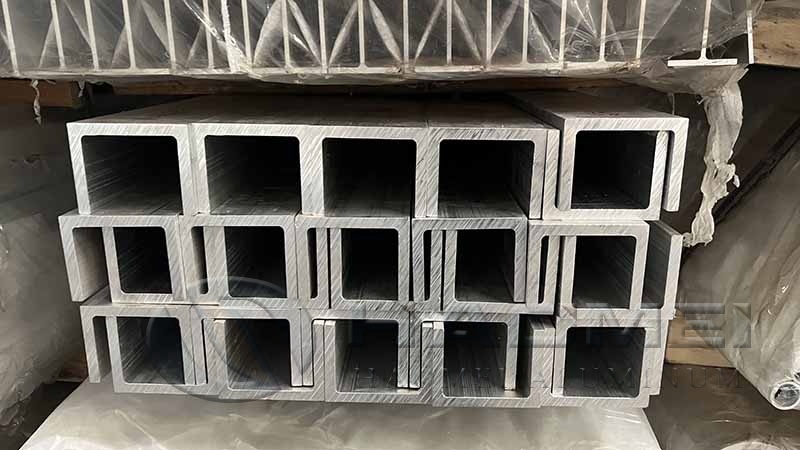
When you see marine extrusions marketed for gangways, frames, and supports, square and rectangular profiles are common because they are easy to cut, jig, and weld, but the marine success depends more on joint design and isolation than on shape alone. If you are comparing suppliers, ask for dimensional inspection capability, coating process details, and how they package long profiles to prevent transit scratches that later become corrosion initiation points.


Original Source:https://www.marinealu.com/a/marine-aluminium-extrusions.html

Flexible Aluminium Strips

  Flexible aluminium strips are specified when a component must be bent, wrapped, stamped, rolled, or formed without surface splitting. The ...