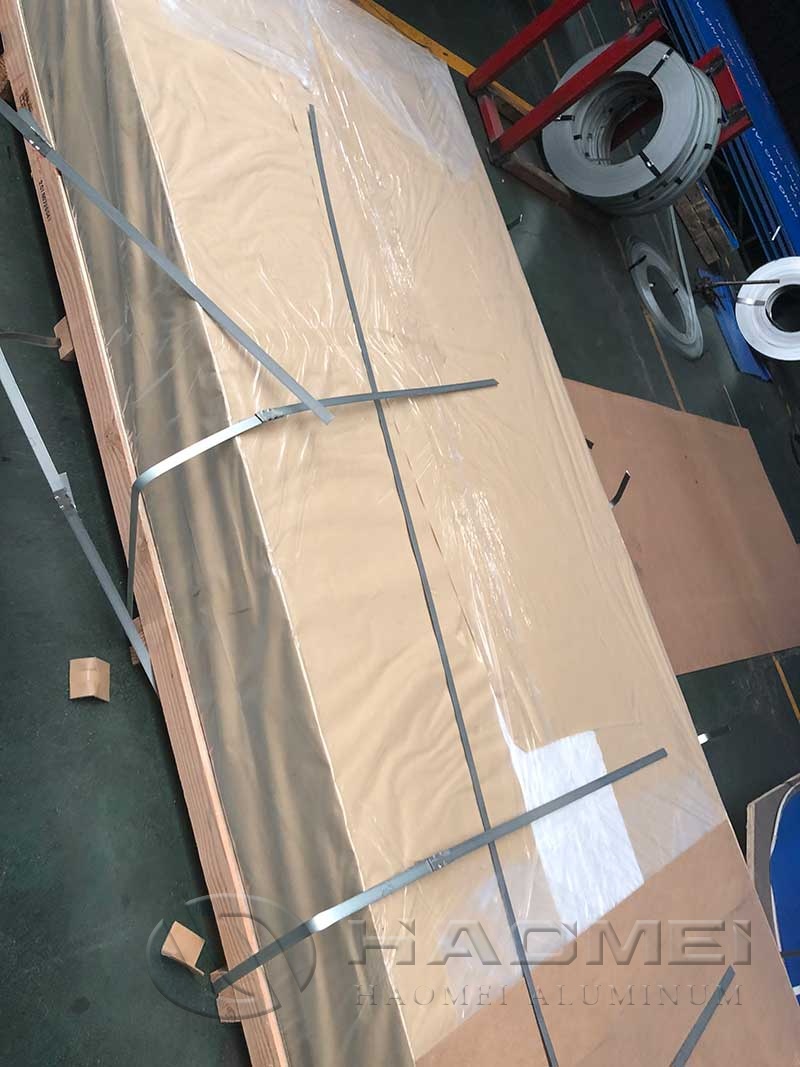
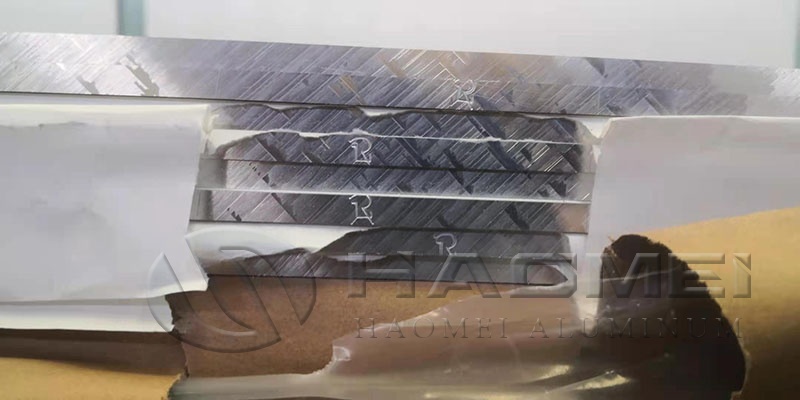
5059 Aluminum Sheet

 5059 aluminum sheet is a high-magnesium 5xxx-series alloy used where low weight, strong corrosion resistance, and higher strength are required together. It is frequently considered for marine structures, transport tanks, defense equipment, and heavy-duty fabricated parts.

The questions below reflect recurring English-language purchasing and engineering discussions appearing in recent public search and Q&A activity. Answers focus on practical material selection, specification review, and fabrication considerations.
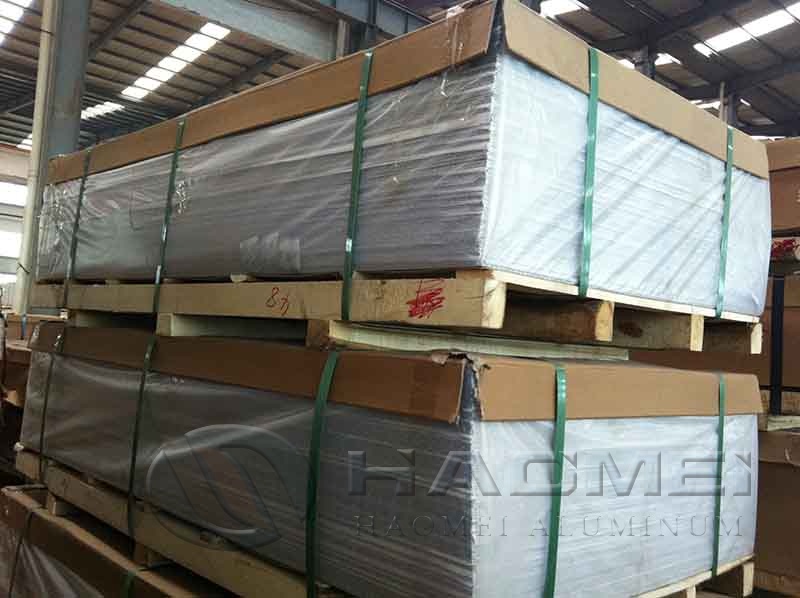
aluminum plate for fuel tank

1. Is 5059 Aluminum Sheet Stronger Than 5083 Aluminum?

Yes, 5059 aluminum sheet can provide higher strength than 5083 in comparable strain-hardened tempers. The alloy contains a relatively high magnesium level along with manganese, zinc, zirconium, and chromium additions. This composition supports stronger mechanical performance while retaining the corrosion advantages associated with marine-grade 5xxx alloys.

5059 is often selected when a project needs to reduce structural weight without immediately increasing material thickness. For example, a transport body, pressure-related enclosure, or vessel-side component may use 5059 when 5083 strength is not sufficient at the available gauge.

However, strength is not the only selection factor. 5083 remains widely specified because it has a long service record in shipbuilding and welded structures. A direct comparison should always use the same temper, thickness range, product standard, and loading direction.

Property Consideration5059 Aluminum Sheet5083 Aluminum Sheet
Typical application focusHigh-strength marine and transport structuresMarine hulls, welded structures, tanks
Relative strength potentialGenerally higher in comparable hard tempersHigh, but often lower than 5059
Corrosion resistanceExcellent in marine environmentsExcellent in marine environments
Fabrication familiarityRequires controlled welding and forming planningVery widely used and familiar
Material selection priorityStrength-to-weight performanceProven marine fabrication performance

For projects requiring a comparison with a widely used marine alloy, review Aluminium 5083 specifications alongside 5059 test data rather than comparing nominal alloy names alone.

2. Can 5059 Aluminum Sheet Be Used for Marine and Saltwater Equipment?

Yes. 5059 aluminum sheet is suitable for many saltwater, coastal, and marine transport environments because it belongs to the non-heat-treatable Al-Mg alloy family. Its corrosion resistance is especially valuable in hull-side structures, deck equipment, workboats, offshore support parts, and lightweight marine transport units.

Saltwater performance still depends on design and maintenance. Crevices that trap seawater, permanent contact with incompatible metals, damaged coatings, and poor drainage can create localized corrosion risks even with a highly resistant alloy. Stainless fasteners, copper-bearing fittings, and carbon steel supports should be electrically isolated where appropriate.

For fabricated marine parts, ask the supplier to confirm the applicable standard, temper, thickness tolerance, surface condition, and mill test certificate. If the part will be continuously exposed to salt spray or immersion, specify whether the surface is mill finish, brushed, coated, anodized, or painted.
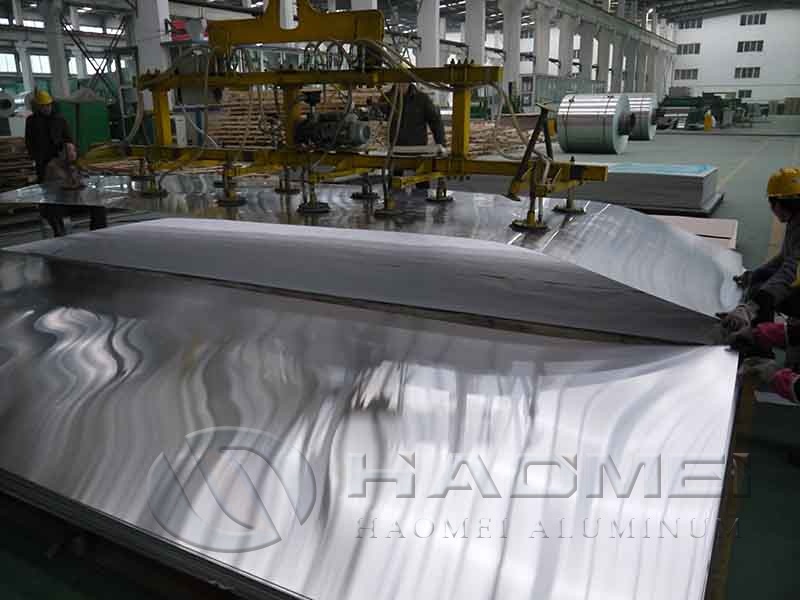
5454 aluminum sheet

3. Does 5059 Aluminum Sheet Weld Well?

5059 aluminum sheet is weldable using common aluminum processes such as MIG and TIG welding. In production settings, MIG welding is often preferred for thicker sections and longer weld seams because it offers higher deposition rates. TIG welding may be used for thinner material, detailed fittings, and controlled cosmetic work.

The main issue is not whether welding is possible, but how welding affects the heat-affected zone. 5059 gains much of its strength from strain hardening, so material near a weld can soften. Engineers should calculate joint strength using post-weld properties, not the base-metal tensile value shown for H-temper material.

Common fabrication practices include:

  • Selecting compatible filler wire based on the joint design and service environment.
  • Removing moisture, oil, oxide residue, and surface contamination before welding.
  • Controlling heat input to reduce distortion and preserve practical joint performance.
  • Using suitable fixturing for wide panels and asymmetric structures.
  • Reviewing bend radii after welding because formed areas may behave differently from parent material.

If the final component is a fuel or chemical transport structure, material selection should also account for applicable tank standards. Aluminum Tanker Plate options can help compare alloys intended for demanding transport fabrication.

4. Is 5059 Aluminum Sheet Suitable for Fuel Tanks and Transport Bodies?

5059 aluminum sheet can be suitable for lightweight transport bodies, tank-related structures, and protective enclosures where strength and corrosion resistance are important. Its higher strength potential may allow designers to optimize gauge while maintaining stiffness and load capacity.

Whether it is appropriate for a fuel tank depends on the transported medium, regulatory requirements, welding procedure qualification, design pressure, seam configuration, and inspection rules. The alloy itself should not be selected solely because it is corrosion resistant. Transport tanks require evaluation of fatigue loading, vibration, weld details, attachment points, and cleaning chemicals used during service.

For non-pressurized body panels, 5059 may be chosen for its dent resistance and structural efficiency. For a welded tank, the fabricator should confirm the approved material designation, temper, filler metal, and required post-fabrication testing.

Project QuestionWhat to Confirm Before Ordering
Will the material be welded?Temper, filler compatibility, post-weld strength assumptions
Is the environment marine or chemical?Corrosion exposure, coating system, drainage design
Is weight reduction important?Strength target, gauge optimization, stiffness requirement
Will the part be bent or deep formed?Minimum bend radius, grain direction, forming trial needs
Is certification required?EN, ASTM, ABS, DNV, or project-specific documentation

5. Which Temper and Thickness Should I Specify for 5059 Aluminum Sheet?

The correct temper depends on whether the part is primarily formed, welded, machined, or used as a flat structural panel. Common strain-hardened tempers include H111, H116, H321, H34, and H36, although availability varies by mill, thickness, width, and applicable standard.

A softer temper may be more suitable for complex bending or fabrication requiring tighter radii. A harder temper can offer improved strength for flat structural panels but may require larger bend radii and more careful handling. For marine exposure, H116 and H321 are frequently discussed because they are associated with resistance to exfoliation and stress-corrosion concerns in suitable 5xxx alloy applications.

When requesting a quotation, provide the following details:

  1. Alloy designation: 5059.
  2. Required temper and product standard.
  3. Thickness, width, and length.
  4. Quantity and allowable dimensional tolerance.
  5. Intended use, such as marine structure, transport body, or welded enclosure.
  6. Required inspection documents and third-party approval needs.
  7. Surface requirements, including protective film, mill finish, or coating preparation.

A clear specification reduces the chance of receiving material with an unsuitable temper, surface condition, or certification level for the planned fabrication process.


Original Source:https://www.aluminumtankerplate.com/a/5059-aluminum-sheet.html

2mm Aluminium Checker Plate: Alloy, Grip, Tolerance and Inspection

 A 2mm Aluminium Checker Plate is commonly selected for walkways, vehicle interiors, toolboxes, stair treads, protective linings and light-duty flooring. The most frequent specification failure is not alloy selection. It is confusion between the base metal thickness and the total thickness measured across the raised pattern.

For a 2 mm order, state whether 2.00 mm means the flat base gauge before embossing or the maximum thickness over the tread. This affects weight, bending performance, fastening length and whether the material meets a drawing requirement. Raised diamonds improve traction, but they do not automatically provide a certified slip-resistance class.

Aluminium checker plate surface and raised tread pattern

Define the Material Before Requesting Quotations

Use applicable standards as the contractual reference. ASTM B632/B632M covers aluminium-alloy rolled tread plate, while EN 1386 specifies chequered plates of aluminium and aluminium alloys. Mechanical-property requirements for flat rolled products are commonly referenced through EN 485-2 and dimensional tolerances through the applicable product standard or agreed order conditions. Confirm the current edition required by the project, because requirements can change between revisions.

A complete request should include the following information:

  • Alloy and temper, such as 3003-H22 or 5052-H32.

  • Base thickness, overall thickness and permitted tolerance.

  • Pattern type, for example five-bar, two-bar or diamond tread.

  • Width, length, edge condition and flatness requirement.

  • Surface finish, protective film requirement and acceptable cosmetic defects.

  • Applicable standard, inspection level and certificate type.

  • End-use environment, including indoor, outdoor, chemical exposure or saltwater exposure.

The phrase "2 mm checker plate" alone is incomplete. A supplier can provide material with a 2.0 mm substrate and a raised pattern, or material whose total height is close to 2.0 mm. These products have different metal mass and stiffness.

Specification itemRecommended wordingWhy it matters
ThicknessBase thickness 2.00 mm, pattern height stated separatelyPrevents under-gauge disputes
Alloy3003-H22 or 5052-H32Controls corrosion resistance and strength
PatternFive-bar tread, direction specifiedAffects drainage, appearance and traction
StandardASTM B632/B632M or EN 1386Establishes common inspection criteria
CertificateEN 10204 3.1, if contractually requiredConnects material to heat and test data
FinishMill finish, dry and free from white corrosionAvoids storage-related claims

For general fabricated flooring in dry or mildly corrosive environments, 3003 is widely used because it forms readily and is economical. For marine exposure, frequent wetting, de-icing salts or higher-strength applications, 5052 is usually the more appropriate option. It has better resistance to saltwater corrosion than 3003, provided fabrication details avoid crevices and incompatible-metal contact.

Factor3003-H22 tread plate5052-H32 tread plate
Main alloying elementManganeseMagnesium
Relative strengthModerateHigher
FormabilityGoodGood, with greater forming force required
General corrosion resistanceGoodVery good, especially in marine atmospheres
Typical useInterior flooring, toolboxes, wall protectionDecks, transport floors, coastal equipment
Relative costUsually lowerUsually higher

When corrosion conditions are uncertain, compare the intended service environment with Marine Grade Aluminum Sheets For Sale specifications rather than selecting on price alone.

Verify Grip, Performance and Dimensional Quality

The raised tread is the product feature most often expected to solve safety concerns. However, visible pattern depth is not a universal measure of slip resistance. Contamination from oil, mud, ice, detergent or standing water can reduce traction substantially. If a project requires a defined slip rating, specify the test method, test condition and acceptance value in the purchase documents.

For example, DIN 51130 evaluates slip resistance on oil-wet flooring using an inclined ramp and reports classes from R9 to R13. This method may be relevant for installed flooring, but a tread pattern should not be claimed as R-rated unless the actual product has been tested under that method. For vehicle floors, practical validation should also include footwear type, drainage direction and expected contaminants.

Raised aluminium tread plate prepared for fabrication

Perform inspection in three stages.

1. Document review before production

Request a mill test certificate showing alloy, temper, heat or batch identification, chemical composition and mechanical-test results where required. Verify that the certificate refers to the delivered material, not a generic data sheet. For safety-critical applications, define traceability from pack label to certificate.

2. Dimensional inspection on receipt

Measure base gauge on a flat area between raised bars using a suitable micrometer. Do not measure only on top of the pattern. Check width and length with calibrated equipment, then inspect diagonal difference, edge wave, center buckle and local dents. Agree the sampling plan before shipment for large orders.

3. Surface and fabrication checks

Inspect under adequate lighting for scratches, roller marks, staining, white corrosion, embedded particles and damaged protective film. Make a trial bend or formed-part test when bending is required. Raised patterns can crack or flatten at tight bend radii, particularly when the bend crosses the tread direction.

CheckPractical methodAcceptance decision
Base gaugeMicrometer between tread barsCompare with stated tolerance
Pattern heightDepth gauge at representative positionsCompare with agreed pattern profile
Alloy and temperCertificate review and traceability labelMatch purchase specification
FlatnessPlace on reference surface or use straightedgeEvaluate against agreed limit
Surface conditionVisual check before removing full wrapRecord defects with pack number
Grip requirementContracted laboratory or site testAccept only against named method

Weight is a useful receiving check, but it cannot replace thickness measurement. Calculate expected mass from the confirmed base thickness, dimensions and alloy density. Aluminium alloys are commonly approximated at 2,700 kg/m³ for estimating purposes, although certified mass and dimensional tolerances determine the final delivered weight.

Select the Right Grade, Packaging and Commercial Terms

Use 3003-H22 when formed parts, indoor use and cost control are the priority. Use 5052-H32 when corrosion exposure, higher loading or outdoor service is the priority. Avoid requesting an unnecessarily hard temper if the plate must be folded, pressed or rolled after delivery.

For applications requiring a flatter decorative or fabrication surface rather than raised tread, evaluate Aluminum Sheet Plate options separately. Flat rolled material and patterned plate should not be treated as interchangeable because their surface geometry, cleaning behavior and friction performance differ.

Packaging should protect both the tread face and the back surface. Specify interleaving or protective film where appearance matters, moisture-resistant wrapping for ocean transport, edge protection, pallet support spacing and pack identification. Aluminium can develop white corrosion when moisture is trapped under wrapping during storage or transit. Store packs indoors, dry, elevated from the floor and away from direct condensation.

Price comparisons should use the same commercial basis: alloy, temper, base gauge, pattern, dimensions, standard, certificate level, protective film, packaging, freight terms and scrap allowance. A lower unit price may exclude certification, film, precise tolerances or export-grade packing.

Final order-control itemRequirement to record
Product descriptionAlloy, temper, five-bar or diamond pattern, base gauge
Technical referenceASTM B632/B632M, EN 1386 or project-specific requirement
Tolerance agreementThickness, width, length, flatness and pattern-height limits
Test evidenceMill certificate, traceability and any required slip test
PackagingMoisture barrier, protective film, edge guards and pallet method
Receiving planSampling quantity, measurement tools and nonconformance process

A clear base-thickness definition, documented alloy-temper selection and agreed traction test method will prevent the most costly disputes before material reaches fabrication.

Original source: https://www.hm-alu.com/a/2mm-aluminium-checker-plate.html

5083 Marine Grade Aluminum

  For workboats, ferries, fishing vessels, offshore structures, and deck equipment, 5083 marine grade aluminum is valued for high strength w...