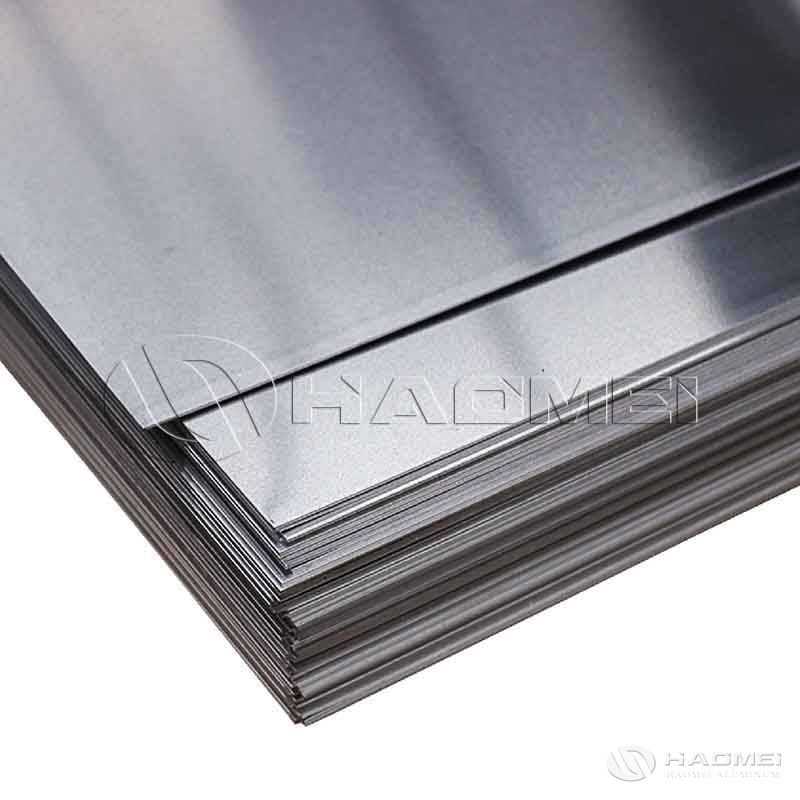
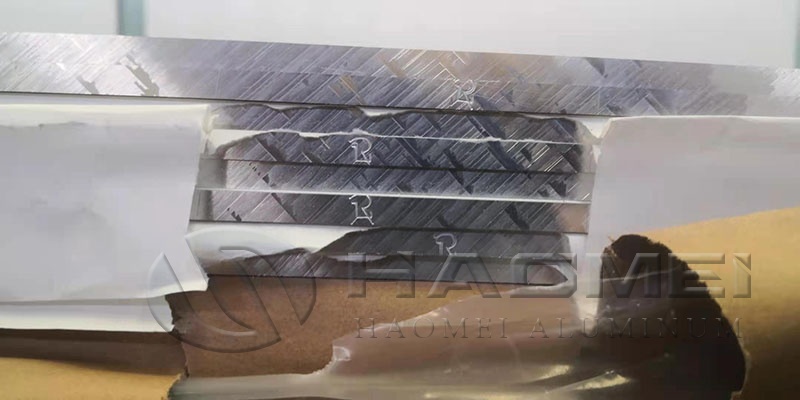
Alloy Grades for Transformer Aluminum Strip

 The core requirements for aluminum strip in transformer winding are high conductivity, low loss, ease of winding, and long lifespan. The alloy grade directly determines purity, conductivity, and applicable scenarios. The alloy grades for aluminum transformer strip are 1050, 1060, 1070, and 1350. This article uses data to clarify the differences in purity and conductivity, and provides the most suitable grade for transformers.

The electrical conductivity of thin aluminum strips is determined by its purity and the presence of impurities such as iron and silicon: higher purity and fewer impurities result in lower resistivity, higher conductivity, lower transformer no-load/load losses, and more controllable temperature rise.

The industry-standard “% IACS” (International Annealed Copper Standard) measures conductivity; the annealed state (O state) is a commonly used soft state for winding, offering more stable conductivity.

Comparison of Core Parameters of Four Major Grades

Alloy grade

Minimum Aluminum Purity

Typical Conductivity(O temper)

Core Positioning

1050

≥99.50%

≥60.0%IACS

Economical General-Purpose Pure Aluminum

1060

≥99.60%

≥61.5%IACS

Balanced Cost-Effectiveness

1070

≥99.70%

≥62.7%IACS

Ultra-High Purity, High Conductivity

1350

≥99.50%

≥62.0%IACS

Electrical Engineering Standard Aluminum

Detailed Explanation of Each Grade

1050 aluminum alloy is made of basic industrial pure aluminum, offering the lowest cost. Its conductivity meets the minimum requirements for conventional low-voltage, small-capacity transformers. Impurity control is relatively lenient, making it suitable for general power distribution scenarios where losses are not a major concern and budgets are limited. It is not recommended for high-efficiency/high-capacity winding.

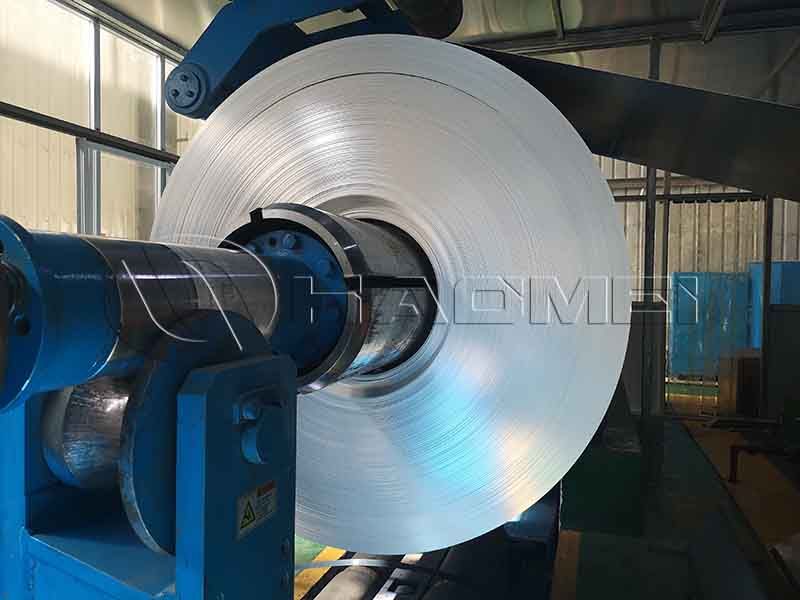
1060 aluminum strip.jpg

1060 aluminum strip has better purity and conductivity than 1050. It has good toughness and is less prone to cracking during winding, making it the most mainstream choice for general-purpose transformers worldwide. It balances conductivity, processing, and cost, and can be used for both oil-immersed and dry-type conventional winding, offering excellent value.

Of the four alloy grades, 1070 aluminum has the highest purity, best conductivity, minimal impurities, and lowest resistivity. It's suitable for high-efficiency energy-saving transformers, new energy transformers, and high-precision power supply transformers, making it the top choice for those seeking extremely low losses, though its cost is slightly higher.

1350 aluminum alloy is a dedicated electrical-grade aluminum (ASTM B230/IEC standard). While its purity is comparable to 1050, its iron and silicon impurities are strictly controlled, resulting in more stable conductivity, better creep resistance, and superior weldability. It's the designated grade for IEC standard equipment, with performance consistency superior to ordinary 1xxx pure aluminum.

Which Grade is Best for Transformer Winding?

For general applications: 1060. It balances conductivity, processing, and cost, covering the vast majority of oil-immersed/dry-type distribution transformers, making it the industry's "golden universal model."

For high efficiency/high precision: 1070. It is of top-tier purity and conductivity, lowest losses, suitable for energy-saving, new energy, and high-end power transformers.

For strict stable performance: 1350. It is electrical-grade aluminum and has stable performance, meeting IEC/IEEE requirements, essential for foreign trade projects.

For low-cost, low-configuration applications: 1050. It is only suitable for small-capacity, low-requirement, and budget-sensitive general equipment.

Final tips

As an aluminum strip supplier, Haomei Aluminum has all these alloy grade. We recommend O temper aluminum strip for excellent ductility, resulting in crack-free winding and tight bonding.

Prioritize finely edged, burr-free aluminum strips to avoid puncturing insulation and causing partial discharge.

For larger capacity, higher voltage, and stricter efficiency requirements, choose 1070/1350 aluminum strip.

Original source: 

What Affects Aluminum Trim Coil Pricing

 Aluminum trim coil is a staple for siding, fascia, window wraps, and exterior finishing projects. If you've ever shopped for it, you've noticed prices shift noticeably—even for similar-looking rolls. Many buyers ask: Why does one coil cost more than another? Understanding these drivers helps you budget smarter and avoid overpaying for quality you don't need or sacrificing performance to save a few dollars. Below are the key factors that shape aluminum trim coil pricing, with special focus on popular options like black aluminum trim coil and standard 24x50 trim coil.

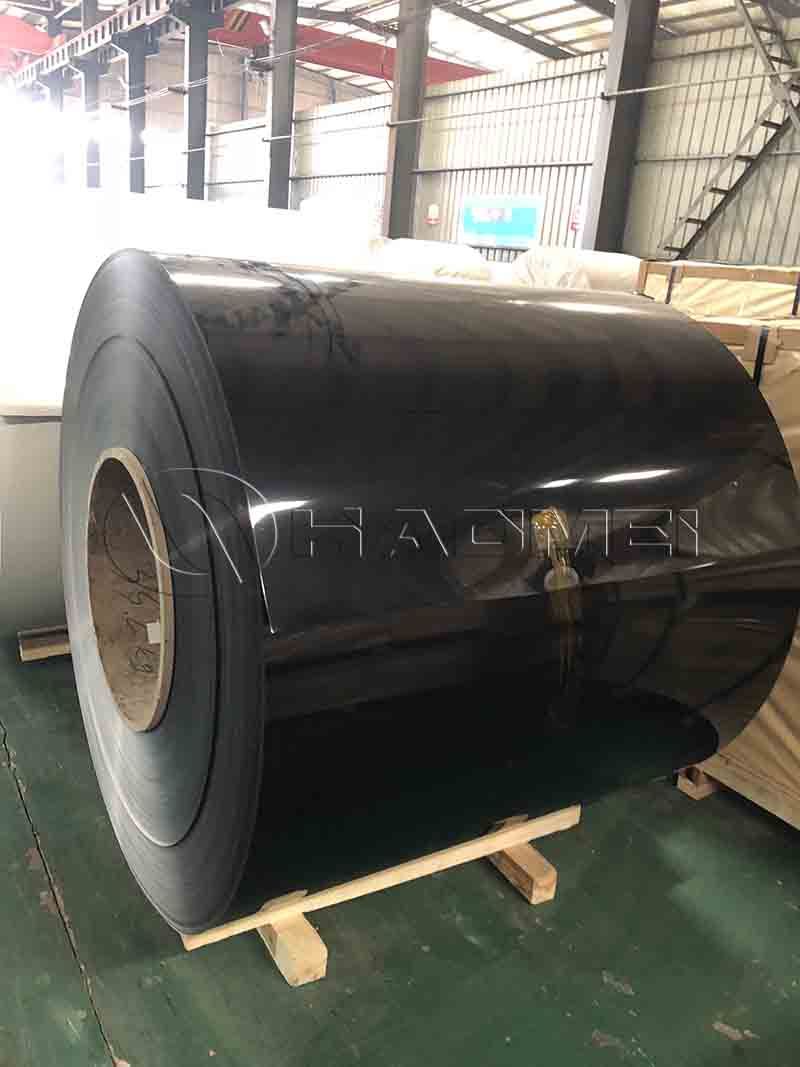
black aluminum trim coil.jpg

1. Raw Aluminum Costs

Aluminum is a globally traded commodity, so its base price moves daily based on supply, demand, energy costs, and geopolitical conditions. Producers set trim coil pricing starting from the LME (London Metal Exchange) aluminum ingot price. When raw aluminum rises, nearly every finished coil gets more expensive—regardless of color or size. Thicker gauge coils use more metal per roll, so they carry a bigger raw-material premium. This basic cost applies equally to plain aluminum coils and coated aluminum coils.

2. Coating Type, Color, and Finish

Pre-painted and coated trim coils make up most of the market, and coating is a major pricing variable.

Standard colors (white, almond, gray) use widely available paint systems with lower setup costs.

Specialty colors like black aluminum coil often cost more. Black typically requires thicker or multiple coating layers for consistent opacity and UV resistance. Premium coatings such as PVDF (Kynar) deliver longer weatherability but add cost compared to standard polyester.

Texture, matte, or glossy finishes also affect pricing. Better scratch resistance and fade protection mean higher upfront cost but lower long-term maintenance.

3. Size Specifications: Thickness, Width, and Length

Dimensions directly drive material usage and production complexity—this is where 24x50 trim coil becomes a useful reference.

Gauge/thickness: Thinner coils cost less, but thicker ones offer better rigidity and fewer creases during installation.

Width and length: The popular 24x50 trim coil (24 inches wide × 50 feet long) is a standard stocked size, so it usually costs less per square foot than custom widths or short runs. Producers optimize runs for 24×50, lowering setup and waste.

Oversized, narrow, or non-standard lengths raise prices due to extra handling, slitting, and material loss.

When you see 24x50 trim coil priced competitively, it’s because high-volume production creates economies of scale. Custom-cut or odd-size coils will almost always be relatively higher.

4. Alloy Grade and Temper

Not all aluminum is the same. Common trim coil alloys include 1100, 3003, and 3004. Higher-grade alloys offer better formability, corrosion resistance, and durability—especially important for outdoor use. Temper (hardness) also matters: coils engineered for easy bending on a brake cost more than softer, more easily damaged stock. Better alloys will lift the price across all colors and sizes.

5. Order Volume and Supplier Economics

Bulk purchasing lowers per-unit cost. Large contractors or distributors pay less per roll because manufacturers spread setup, labor, and shipping over more units. Small-batch or retail buyers pay a premium for convenience and smaller packaging. Stocked items like 24x50 trim coil benefit from high turnover, keeping prices stable. Made-to-order colors such as black aluminum trim coil may have a minimum-order charge if you need only a few rolls.

Coils backed by fade, peel, or corrosion warranties cost more than unbranded, no-warranty options. Certified products undergo stricter testing, where color consistency and long-term performance are highly visible. Cheap coated aluminum coil may fade quickly to gray or chalk, while premium versions hold color for years.

Next time you compare quotes, remember:

  • Raw aluminum sets the floor.

  • Coating and color add a performance and aesthetic premium.

  • Standard sizing keeps costs down through volume efficiency.

  • Alloy, gauge, warranty, and shipping complete the final price.

Aluminium 5000 Series vs 6000 Series Aluminium

 In industrial manufacturing, construction, and automobile production, aluminum alloys have become a popular alternative to steel due to their lightweight, high strength, and corrosion resistance. The 5000 and 6000 series aluminum are the two most widely used series. What are the differences between them?

6000 series aluminum.jpg

Core Composition

The performance differences of aluminum alloys stem from their different core alloying elements, which is the root of all their differences.

The 5000 series belongs to aluminum-magnesium alloys, with magnesium as the core element (content 2.0%~9.6%). Some grades add a small amount of manganese to optimize performance and contain almost no silicon. Magnesium enhances strength and forms a dense oxide film to improve corrosion resistance, while manganese refines grains and improves weldability and toughness. Common grades include 5052, 5083, and 5A06.

The 6000 series belongs to aluminum-magnesium-silicon alloys, with magnesium and silicon as the core elements, forming the Mg₂Si strengthening phase. Compared to the 5000 series, its magnesium content is lower, and its silicon content is higher. Some grades add trace amounts of iron and manganese to adjust performance, and the copper content is extremely low. Common grades include 6061, 6063, and 6082, with 6061 and 6063 being the most widely used.

Strengthening Mechanism

The different strengthening methods directly determine the strength range and processing adaptability of the two alloys, which is one of the core differences.

5000 series aluminum alloys are non-heat-treatable, relying on solution strengthening and cold work hardening to improve strength. They cannot be optimized through heat treatment. Their strength improvement is limited, and they become slightly brittle after cold working, affecting ductility and subsequent processing difficulty.

6000 series aluminum alloys are heat-treatable, improving strength through aging strengthening: heating dissolves magnesium and silicon in the aluminum matrix, followed by rapid cooling and aging treatment to form Mg₂Si precipitates, significantly enhancing strength. Their strength has a wide adjustable range, balancing machinability and mechanical properties; the strength in the T6 state can approach that of some stainless steels.

Key Performance Characteristics

1. Corrosion Resistance

The 5000 series exhibits excellent corrosion resistance, forming a dense oxide film on the surface, particularly resistant to seawater, acid, and alkali corrosion. It also demonstrates good low-temperature performance, making it suitable for low-temperature welding of containers. Excessive magnesium content slightly reduces weldability.

The 6000 series offers good corrosion resistance, meeting the requirements for atmospheric and mild marine environments, but significantly less than the 5000 series. Surface treatment is required in harsh environments. Copper content increases strength but decreases corrosion resistance.

2. Weldability

The 5000 series boasts excellent weldability with minimal post-weld strength loss, requiring no complex post-weld treatment, making it the preferred choice for low-temperature welding and marine welding. Magnesium content must be controlled to prevent performance degradation.

The 6000 series exhibits good weldability, adaptable to various welding methods and compatible with various filler wires. However, surface cleaning is necessary before welding, and the heat-affected zone softens after welding, which can be restored through artificial aging.

3. Machinability

The 6000 series has excellent machinability and good extrusion molding properties, making it suitable for complex cross-sections and thin-walled profiles. It is easy to machine and surface treat, has strong decorative properties, and is suitable for mass production of complex parts.

The 5000 series can be cold-worked, suitable for simple plates and tubes; however, it becomes brittle after cold working, making it difficult to machine complex shapes. Its surface decoration is weaker, and it is prone to cracking at high temperatures, requiring controlled processing temperatures.

4. Mechanical Strength

The 5000 series aluminum has moderate strength, with a tensile strength of 290~580MPa, comparable to ordinary carbon steel plates, suitable for structural components requiring medium loads and high corrosion resistance.

The 6000 series has adjustable strength (tensile strength 180~440MPa), with a T6 yield strength of 240~350MPa, meeting general and certain load requirements. The strength of 6082 is close to that of some 2000 series aluminum alloys.

Application Scenarios

The 5000 series emphasizes weather resistance and corrosion resistance, and is used in harsh or highly corrosion-resistant environments such as marine engineering, aerospace, automotive manufacturing, cryogenic equipment, and chemical containers. For example, 5052 is used in automotive bodies, and 5083 is used in offshore platforms.

The 6000 series emphasizes versatility and ease of molding, and has a wider range of applications: construction (doors and windows, curtain walls), automotive (structural components, chassis), machinery (parts), and electronics (laptop casings). For example, 6063 alloy is used in building profiles, and 6082 aluminum is used in mechanical parts.


Original source: https://www.alsheetplate.com/a/aluminium-5000-series-vs-6000-series-aluminium.html

Marine Stainless Steel Pipe Diameter Chart

 In the design and procurement of marine piping systems, the stainless steel pipe diameters are a core parameter, directly affecting the system's flow rate, pressure resistance, installation compatibility, and procurement costs.

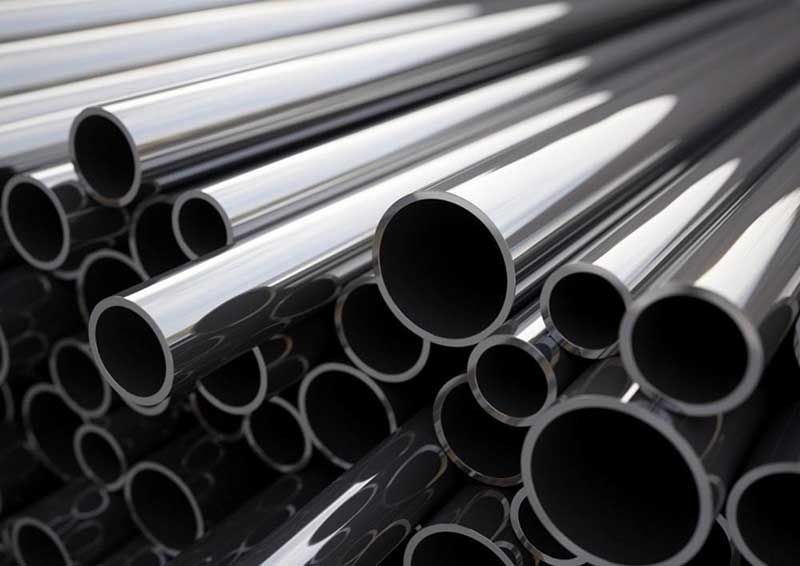
stainless steel pipe diameters .jpg

Common Diameter Specifications of Marine Stainless Steel Pipes

Marine stainless steel pipes conform to GB/T 5312-2025 and CB/T 4154-2011 standards, using both nominal diameter DN and outer diameter Φ for marking. Common specifications cover small-diameter instrument pipes to large-diameter main pipes, as follows:

1. Small Diameter (Instrument/Control/Auxiliary Pipes)

DN15 (Φ21.3), DN20 (Φ26.9), DN25 (Φ33.7), DN32 (Φ42.4)

Applications: Engine room instrument pipes, hydraulic auxiliary pipes, freshwater branch pipes, fire sprinkler branch pipes

2. Medium Diameter (Mainstream General-Purpose Pipes)

DN40 (Φ48.3), DN50 (Φ60.3), DN65 (Φ76.1), DN80 (Φ88.9), DN100 (Φ114.3)

Applications: Seawater/ Freshwater main pipes, fuel oil delivery pipes, fire main pipes, domestic water pipes.

3. Large Diameter (Main/Chief Pipes)

DN125 (Φ139.7), DN150 (Φ168.3), DN200 (Φ219.1), DN250 (Φ273)

Applications: Ballast water main pipes, fire main pipes, engine room sewage main pipes, large cargo ship main piping systems.

4. Non-Standard Custom Diameters

Custom diameters from Φ6 to Φ630mm can be made for special working conditions, meeting the dimensional tolerances of classification societies (CCS/DNV/LR).

How to choose the diameter of marine stainless steel pipes?

Pipe diameter selection is not always better the larger it is; it requires comprehensive judgment based on flow rate, pressure, medium, and classification society specifications:

1. Selection based on flow rate and velocity (basic principle)

Follow the formula: Pipe diameter = √(4 × flow rate ÷ π × velocity). Standard flow velocities for marine piping systems:

Fresh water/seawater: 1.5-3 m/s

Fuel oil/lubricating oil: 0.5-1.5 m/s

Compressed air: 8-15 m/s

Excessive flow velocity will increase pressure loss, while insufficient flow velocity will easily lead to impurity deposition. Prioritize standard nominal diameters to avoid non-standard diameters that may cause incompatibility with fittings.

2. Matching Pressure Capacity with Wall Thickness

According to Barlow's formula, pressure capacity is inversely proportional to diameter and directly proportional to wall thickness:

High-pressure piping systems (steam, hydraulic, pressure > 1.6MPa): Select small diameter + thick wall (e.g., DN25-DN50, SCH80/SCH160)

Medium-low pressure piping systems (freshwater, fire protection, pressure < 1.6MPa): Select diameter (DN50-DN100, SCH40)

Large-diameter main pipes (ballast, sewage): Low pressure, large diameter; wall thickness can be calculated according to classification society specifications.

3. Selecting Based on Medium and Operating Conditions

Seawater/Salt Spray Environment: 316L stainless steel is preferred; diameter should be selected based on flow rate to avoid corrosion and blockage due to insufficient diameter.

High-Temperature Steam: Diameter should not be too large; match wall thickness to ensure heat and pressure resistance.

Fire Protection Systems: Main pipe DN100-DN200, branch pipe DN50-DN80, to meet emergency flow requirements.

4. Selection according to classification society standards

Pipes must comply with the requirements of classification societies such as CCS, DNV, and ABS. Arbitrary reduction/increase in diameter is prohibited. Critical piping systems (fire protection, ballast) require strength verification based on wall thickness and diameter.

The impact of diameter on the price of marine stainless steel pipes

Diameter is a core factor in pricing. Combined with material, wall thickness, and manufacturing process, the impact logic is clear:

1. Larger diameter, higher unit price

Raw material consumption: Larger diameters use more steel; DN200 is 30%-60% more expensive than DN50.

Processing difficulty: Larger diameters require large cold/hot rolling equipment, significantly increasing the processing cost of seamless pipes.

Conventional cost-effectiveness range: DN25-DN100 are mass-produced specifications with the most stable prices; smaller diameters (<DN25) have higher prices per kilogram due to more refined processing; larger diameters (>DN150) are custom-made and have a significant premium.

2. Price Increase Based on Diameter + Wall Thickness

For the same diameter, the thicker the wall, the higher the price. Larger diameter + thicker wall combinations command the highest premium: SCH40 (standard wall thickness): Base price SCH80: 15%-25% higher than SCH40 SCH160/XXS: 30%-70% higher than SCH40 Example: For DN100 seamless 316L steel pipe, the price difference between SCH40 and SCH80 can reach over 20%.

3. Other Influencing Factors

Material: 316L stainless steel pipe cost is 10%-20% more expensive than 304; the premium is more significant for large-diameter 316L pipes.

Process: Cold-drawn seamless pipes are 10%-15% more expensive than welded pipes; large-diameter pipes should prioritize welded pipes to control costs.

Certification: Classification society certification (CCS/DNV) adds 5%-8% to the price; non-standard diameters incur an additional 10%-25% customization fee.

Procurement Recommendations

Remember Common Diameters: DN15-DN200 covers 90% of marine applications; prioritize national/ship standard specifications.

Four-Step Selection Method: Calculate flow rate → Determine pressure → Match medium → Adhere to specifications; avoid blindly choosing large diameters.

Cost Control: Use standard wall thickness + mass-produced diameter for medium and low pressure applications; use small to medium diameter + thickened wall for high pressure applications; prioritize welded pipes for large diameters; bulk purchasing reduces premiums.

Original source: https://www.marinesteelpipe.com/a/marine-stainless-steel-pipe-diameter-chart.html

Is Aluminum Cheaper Than Copper in Transformers

 In transformer procurement and selection, the most frequently asked question is "Which is cheaper, aluminum or copper?", especially for budget-sensitive projects, as material selection directly impacts initial investment and long-term operation and maintenance costs. The answer is actually quite clear: in transformer manufacturing, the overall cost of aluminum is far lower than that of copper, but "cheaper" does not equal "more cost-effective." So how should one choose? Let's take a look.
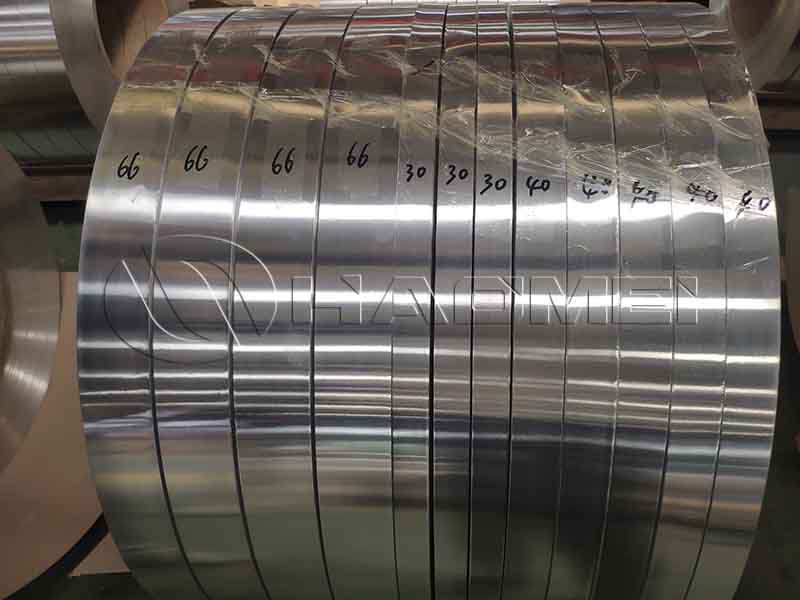
aluminum strip for transformer.jpg

Aluminum is indeed cheaper than copper

From raw materials to finished products, aluminum's cost advantage in transformers is consistent throughout. First, let's look at the prices of basic raw materials. Referring to the latest quotes from the London Metal Exchange (LME), LME copper futures were approximately $13,245/ton, while LME aluminum futures were approximately $3,548/ton.

The price of aluminum is only about one-third of the price of copper. This significant price difference directly determines the difference in procurement costs between the two materials used in transformers.

Taking a 10kV/2500kVA oil-immersed transformer as an example, the purchase price of an all-aluminum model is approximately US$25,000-33,000, while an all-copper model costs US$39,000-53,000. The procurement cost of aluminum is 30%-50% lower than that of copper.

Besides raw materials, aluminum also has advantages in processing and transportation costs. Aluminum's density is only about 30% of copper's. For the same capacity, an all-aluminum transformer is lighter, reducing processing energy consumption and transportation and hoisting costs, making it particularly suitable for mountainous areas and high-altitude installations where transportation is difficult.

Furthermore, aluminum resources are far more abundant than copper, resulting in a more stable supply chain and significantly lower price fluctuations, making cost budgeting for aluminum transformers easier to control.

Performance Comparison

Behind the cost advantage, the performance differences between aluminum and copper are also significant. The core differences lie in conductivity, heat dissipation, mechanical strength, and service life, which are also key factors affecting long-term operating costs.

In terms of conductivity, copper has a resistivity of approximately 1.72 × 10⁻⁸ Ω·m, while aluminum has a resistivity of approximately 2.82 × 10⁻⁸ Ω·m, 1.6 times that of copper.

This means that to achieve the same current-carrying capacity as copper, the cross-sectional area of the aluminum conductor needs to be increased by about 1.6 times. This results in aluminum-wound transformers having larger coil volumes and core sizes, making them taller and slimmer overall, while copper-wound transformers are more compact.

Copper's advantages are even more pronounced in terms of losses and stability. Copper has better heat dissipation; under the same load, copper windings generate less heat, and both no-load and load losses are lower than aluminum windings, resulting in greater long-term electricity savings. For example, in a 10kV/1000kVA model, a 1% increase in copper winding efficiency can save approximately 5000 kWh of electricity annually.

Meanwhile, copper has higher mechanical strength, stronger creep resistance, and superior oxidation resistance compared to aluminum. Aluminum windings are prone to oxidation, forming an aluminum oxide film, which causes overheating at connection points, leading to a higher failure rate under prolonged high-temperature operation. Aluminum also has weaker short-circuit withstand capability than copper.

In terms of service life, copper-wound transformers can last 25-30 years, while all-aluminum-wound transformers only last 10-15 years, and with poor manufacturing processes, even less than 10 years. Furthermore, copper has a much higher recycling value than aluminum. A used copper-core transformer can be recycled for approximately $1400-$2100, while an aluminum-core transformer only fetches $830-$1110. From a full lifecycle perspective, copper's residual value advantage is significant.

It's important to note that compliantly manufactured aluminum transformers (such as the S20 model) can achieve the same national standard losses as copper transformers by increasing wire diameter and optimizing structure. This does not mean that "aluminum transformers necessarily consume more electricity," but rather that aluminum benefits from "design compensation," while copper benefits from a "natural advantage."

Cost-Effectiveness Game

The core of cost-effectiveness lies in the balance between input and return. The choice between aluminum and copper essentially boils down to a trade-off between short-term costs and long-term benefits, with completely different cost-effectiveness conclusions depending on the scenario.

For short-term use and extremely tight budgets, the aluminum transformer strip offers better cost-effectiveness. Examples include temporary power supply for construction sites, small base stations in remote areas, and low-end transformer substations in rural power grids. These scenarios have stable and relatively light loads, with no significant economic losses from power outages. Choosing aluminum transformers can significantly reduce upfront investment, and even with a shorter lifespan, it can meet short-term usage needs.

Based on a 15-year lifespan, the total life-cycle cost (purchase + maintenance + electricity) of an all-aluminum transformer is approximately $76,000-$104,000, seemingly lower than copper transformers. However, this is based on short-term use and low loads.

For long-term operation scenarios with high requirements for reliability and energy efficiency, copper offers superior cost-effectiveness. Examples include hospitals, data centers, large industrial parks, and residential communities. These scenarios require 24-hour continuous operation and have extremely high requirements for power supply stability. The advantages of copper transformers—low loss, low failure rate, and long lifespan—are fully demonstrated.

Although copper transformers have a higher initial purchase cost, their long-term operation and maintenance costs are lower—dry-type all-copper transformers are essentially maintenance-free, with annual maintenance costs of only $110-210, while aluminum transformers require annual maintenance costs of $550-970 and are subject to frequent repairs. It is estimated that if a company operates for more than 6,000 hours annually, the electricity and maintenance cost savings from copper transformers over 3-5 years can cover the initial purchase price difference.

Market Landscape

In the current transformer market, aluminum and copper strips are not competitors, but rather complement each other based on application scenarios, each occupying a different market share.

Aluminum transformers mainly occupy the low-to-mid-end market, especially in the 35kV and below distribution network sector, where their penetration rate is expected to reach 65%. They are mainly used in rural power grid upgrades, temporary distribution projects, and small factories with limited budgets, with the core requirement being "low cost and meeting basic power supply needs." With improvements in aluminum processing technology, the performance of compliant aluminum transformers is continuously optimized, making their dominant position in the low-end market difficult to shake.

Copper transformers, on the other hand, dominate the mid-to-high-end market, especially in high-voltage, high-capacity applications. For example, in scenarios such as photovoltaic/wind power booster stations, data centers, hospitals, and subways, where power supply reliability and energy efficiency are extremely demanding, copper transformers, with their low loss and high stability, are the preferred choice.

From a market trend perspective, with the advancement of "dual carbon" goals and the upgrading of energy efficiency standards, the market penetration of Level 1 energy efficiency transformers is accelerating. Copper transformers, with their low-loss advantage, will see continued growth in demand in mid-to-high-end scenarios. Aluminum transformers, on the other hand, will continue to focus on low-cost and temporary power supply scenarios, while simultaneously meeting basic energy efficiency requirements through process optimization, forming a stable pattern of "high-end copper dominating, low-end aluminum supplementing."

Original source: https://www.alcustrip.com/a/is-aluminum-cheaper-than-copper-in-transformers.html
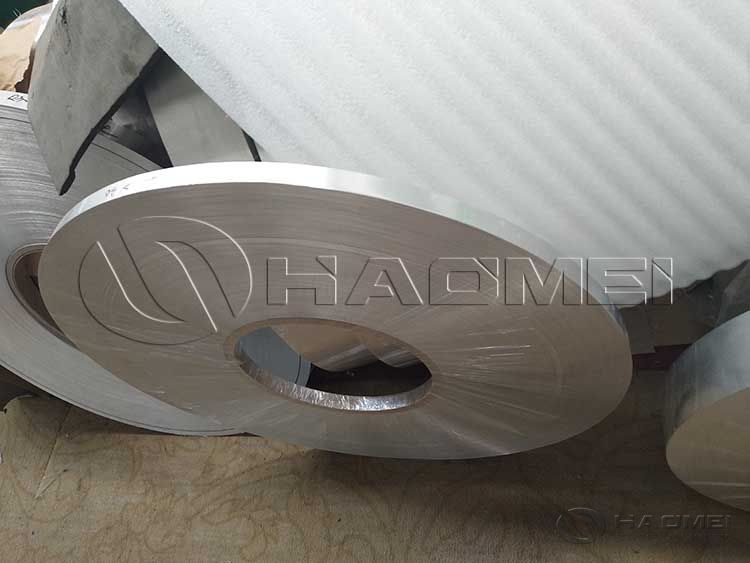
Which Is Better For Marine Use: 304 or 316

 The selection of seamless ss pipe for marine applications must be tailored to the working environment of ships—corrosion resistance, resistance to high and low temperatures, and strong pressure resistance are core requirements. Currently, the mainstream seamless stainless steel pipes for marine applications include 304, 304L, 316, and 316L, with additional special material grades such as 321, 347, 2205, and 904L.

Among them, the 304 and 316 series, due to their balanced performance and reasonable cost, occupy the vast majority of the marine seamless stainless steel pipe market and are the focus of our comparison today.

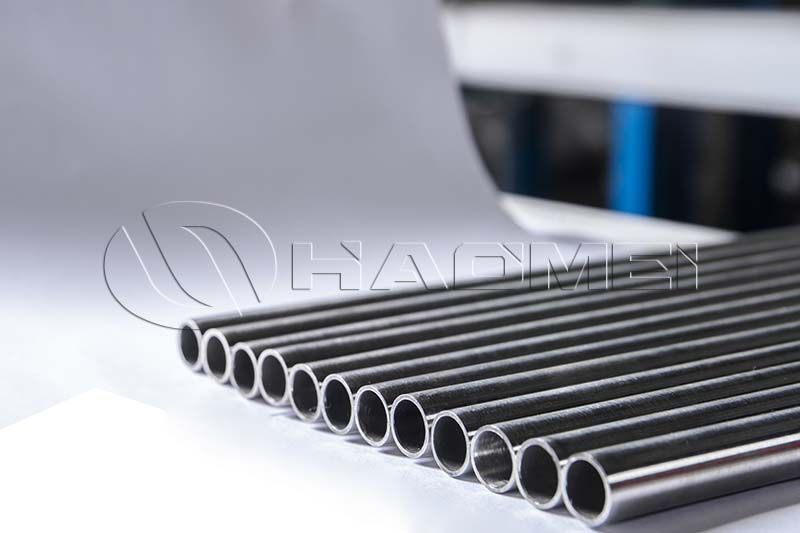
 seamless ss pipe.jpg

Key Comparison

While both 304 and 316 belong to austenitic stainless steel, slight differences in their chemical composition lead to significant differences in corrosion resistance, mechanical properties, and cost.

1. Chemical Composition

Molybdenum is the most fundamental difference between the two, and the root cause of all subsequent performance differences:

- 304 Stainless Steel Pipe: The core components are 18% chromium + 8% nickel, containing no molybdenum, with a carbon content ≤0.08%. It forms a dense chromium oxide film on the surface, providing basic corrosion protection. It meets ASTM A269 standards and is a food-grade material.

- 316 Stainless Steel Pipe: Based on 304, it adds 2%-3% molybdenum (Mo), while increasing the nickel content to 10%-14%, and the carbon content ≤0.08% (316L is ≤0.03%). The addition of molybdenum allows for a more stable passivation film to form on the stainless steel surface, significantly improving its resistance to chloride ion corrosion, which is its core advantage for adapting to marine environments.

2. Corrosion Resistance

The most critical corrosion threat to ships comes from chloride ion attack in seawater. The difference in corrosion resistance between the two materials is particularly pronounced in this environment:

- 304 Stainless Steel Pipe: Resistant to corrosion from ordinary atmosphere, fresh water, and weak corrosive media, performing reasonably well in near-shore, freshwater shipping. However, with prolonged exposure to seawater or high-salt spray environments, the surface oxide film is easily damaged by chloride ions, leading to pitting and rust. Data shows that it may show corrosion marks in a short period in 3.5% brine, and can only tolerate chloride concentrations below 200 ppm.

- 316 Stainless Steel Pipe: Due to the addition of molybdenum, its resistance to chloride ion corrosion is increased by 3-5 times, and it can tolerate chloride concentrations above 1000 ppm. It shows no significant rust after 72 hours in 3.5% brine. Whether immersed in seawater for extended periods or in contact with marine fuel oil and chemical media, it maintains excellent corrosion resistance, making it particularly suitable for harsh environments such as ocean-going vessels and offshore platforms. Tests show that its service life in marine environments is far longer than that of 304.

3. Mechanical Properties

Marine seamless stainless steel pipes need to withstand loads such as hull vibration and fluid pressure. Both 304 and 316 stainless steel pipes meet conventional marine requirements, with minimal differences:

- 304 stainless steel pipe: Yield strength ≥205MPa, tensile strength ≥515MPa, low-temperature impact toughness up to 120J, maintains good ductility even at -40℃, can withstand dynamic stress under sea state 6, suitable for conventional structures and piping.

- 316 stainless steel pipe: Yield strength and tensile strength are basically the same as 304, but due to the strengthening effect of molybdenum, it has better high-temperature resistance and fatigue resistance, a wider applicable temperature range (up to 1200-1300℃), and exhibits greater stability in high-temperature and high-pressure marine steam pipes and engine cooling systems, with slower strength decay at high temperatures.

4. Cost and Cost-Effectiveness

Cost is a crucial factor in selection. The price difference between the two mainly stems from the scarcity of molybdenum:

- 304 Stainless Steel Pipe: Relatively affordable, 30%-50% cheaper than 316, resulting in lower initial procurement costs. Suitable for ships with limited budgets and mild operating environments.

- 316 Stainless Steel Pipe: Due to the addition of molybdenum, processing is more difficult and raw material costs are higher, making it 30%-50% more expensive than 304. However, in the long run, it boasts stronger corrosion resistance and lower maintenance costs, reducing the frequency of pipe replacement and rust repair. Its overall cost-effectiveness is higher, making it particularly suitable for ocean-going vessels, avoiding safety hazards and additional expenses caused by pipe corrosion.

Marine Application Scenarios: How to Choose Between 304 and 316?

Considering the differences between the two and the usage environment of different parts of the ship, the following selection suggestions are provided to accurately match needs and avoid pitfalls:

Marine Applications of 304 Seamless Stainless Steel Pipes

304 steel pipe is suitable for parts with low corrosion risk and less stringent corrosion resistance requirements, mainly used in:

- Superstructure: Exposed structures such as porthole frames, mast connectors, railings, and handrails. These parts are mainly subject to marine atmospheric corrosion, and the corrosion resistance of 304 meets the requirements. A 2000-ton cargo ship used 304 stainless steel pipes as its support structure, and after 5 years of navigation, the structural integrity rate reached 98%.

- Freshwater related systems: Ship drinking water pipelines and freshwater cooling systems. 304 is non-toxic, hygienic, and has a smooth inner wall, ensuring water quality safety while reducing water flow resistance. After using 304 pipes, the microbial content of the drinking water on a 500-passenger ship was less than 1/3 of the WHO standard.

- Conventional Piping for Near-Coastal/Inland Waterway Vessels: Near-shore and inland waterway vessels operate in relatively mild environments with less seawater corrosion. 304 stainless steel can be used for ballast water pipes and drainage pipes, effectively controlling procurement costs while meeting basic usage requirements.

Marine Applications of 316 Seamless Stainless Steel Pipes

Due to its excellent corrosion resistance, 316 stainless steel is suitable for areas with high corrosion risk and high safety requirements. It is mainly used in:

- Seawater Contact Piping: Marine seawater cooling systems, ballast water pipes, bilge water pipes, etc. These parts are constantly immersed in seawater with high chloride ion concentrations. 316 stainless steel pipe effectively resists pitting and rust. International Maritime Organization (IMO) data shows that 85% of newly built ships use stainless steel pipes for their seawater cooling systems, with a very high proportion of 316 series pipes.

- Fuel Oil/Chemical Media Transportation: Fuel oil transportation pipelines and chemical media pipelines for ocean-going oil tankers and chemical tankers. 316 can withstand the corrosion of fuel oil and chemicals, avoiding leakage risks. A 100,000-ton ocean-going oil tanker used stainless steel pipes to transport fuel oil and experienced no corrosion leaks for 5 years.

- Core components of ocean-going vessels: Ocean-going vessels sail in deep sea and high salt spray environments for a long time. For key hull structures, engine cooling circuits, fire-fighting pipelines, etc., 316 steel pipe is preferred, especially 316L (ultra-low carbon). It is less prone to intergranular corrosion after welding, and the weld quality is more stable, making it suitable for complex working conditions such as low temperature and high temperature.

Original source: https://www.marinesteelpipe.com/a/which-is-better-for-marine-use-304-or-316.html

Different Thicknesses of Aluminum Sheet 4x8

 4x8 aluminum sheets are a global standard, designed to optimize efficiency in production, transportation, and installation. At 4ft x 8ft, the aluminum alloy sheets fit perfectly on standard pallets and shipping containers, reducing transportation costs and minimizing damage during transit—critical for international B2B buyers looking to control logistics expenses.

For fabricators, the size allows for easy cutting and customization—whether you are creating small components or large panels—without generating excessive waste, which translates to lower material costs.

4x8 aluminum sheets .jpg

Additionally, most suppliers keep 4x8 sheets in stock, meaning shorter lead times and more transparent pricing compared to custom sizes. This standardization has made 4x8 aluminum sheets a go-to choice for projects of all scales, from small DIY builds to large-scale industrial installations.

While 4x8 aluminum sheets come in a wide range of thicknesses (from 0.2mm to 350mm), 1/4 inch and 1/16 inch have emerged as the most in-demand options. Their popularity stems from a perfect balance of strength, flexibility, cost, and adaptability to real-world applications- addressing the core needs of both professional fabricators and everyday users.

1/4 Inch (6.35mm)

The 1 4 aluminum sheet 4x8 is the heavy-duty solution for projects that require maximum strength and stability. Weighing around 38-43 kg per sheet (varies by alloy), this thickness strikes an ideal balance between robustness and manageability, strong enough to withstand heavy loads, impacts, and harsh conditions, yet not so heavy that it becomes difficult to fabricate or install. Its popularity lies in its versatility across industrial and structural applications, where reliability is non-negotiable.

1/4 inch aluminum sheets are commonly used in construction for exterior wall cladding, structural supports, and roof panels- capable of withstanding snow, strong winds, and other environmental stressors.

In industrial manufacturing, they are used to create equipment protective shells, operating platforms, and heavy-duty brackets, as they can resist daily collisions and friction while protecting internal precision parts.

This thickness is also a top choice for marine and transportation applications, such as truck trailer skins and boat hull components, especially when paired with corrosion-resistant alloys like 5052 or 6061.

For B2B buyers, the 1/4 inch thickness offers long-term value: its durability reduces maintenance costs and extends the lifespan of projects, making it a cost-effective choice for heavy-duty applications.

1/16 Inch (1.59mm)

At just 1/16 inch thick, this aluminum sheet is the epitome of “lightweight yet capable,” making it a top pick for applications where weight reduction is critical without sacrificing durability. Weighing approximately 10-12 kg per 4x8 sheet (depending on the alloy), it’s easy to handle, transport, and install- even for solo DIY projects or large-scale installations that require frequent lifting. Its popularity also stems from its exceptional flexibility and ease of fabrication: it can be easily cut, bent, welded, or stamped into complex shapes, making it ideal for projects that demand precision and customization.

Common applications for 1/16 inch 4x8 aluminum sheets include automotive interior panels, decorative signage, lightweight roofing soffits, and packaging components. It’s also a favorite in the marine industry for small boat parts, thanks to aluminum’s natural corrosion resistance-a protective oxide layer that ensures long-lasting performance in harsh, humid environments.

For B2B buyers, this thickness offers cost efficiency: it’s more affordable than thicker options, making it ideal for high-volume projects like mass-produced signage or automotive components. Additionally, its sleek appearance can be enhanced with anodizing, painting, or brushing, making it suitable for decorative applications in architecture and interior design. Welcome to inquire 4x8 sheet of 1 16 inch aluminum price from us directly.

Original source: 

5083 Marine Grade Aluminum

  For workboats, ferries, fishing vessels, offshore structures, and deck equipment, 5083 marine grade aluminum is valued for high strength w...