Aluminum Plate For Tanker Price

 Potential buyers searching "Aluminum Plate For Tanker " usually want one thing: a quote they can trust. But tanker plate pricing isn't a single number—it's a mix of alloy, temper, thickness, width, inspection requirements, and how the material will be formed and welded.

Below are 5 hot questions commonly asked across Google/Quora-style forums, answered in a buyer-first way so you can compare offers without getting lost in supplier jargon.
aluminum plate for tanker

1) What is the current Aluminum Plate for Tanker price per kg or per ton—and why do quotes vary so much?

A realistic quote is typically built from (A) metal value + (B) conversion cost + (C) extras + (D) logistics & risk. Two suppliers can quote very different prices even on the same alloy because their assumptions differ.

What usually drives variance:

  • Alloy and temper: 5083/5454/5754 are not priced like 1050/3003. Plate vs sheet also changes processing cost.

  • Thickness and width: wider and thicker plate often has lower yield in production and higher handling cost.

  • Certification & testing: EN 10204 3.1, MTC, ultrasonic testing, third-party inspection, or NDT documentation add cost.

  • Flatness/shape tolerance: tanker body panels may require tighter flatness for easier forming and fewer rejects.

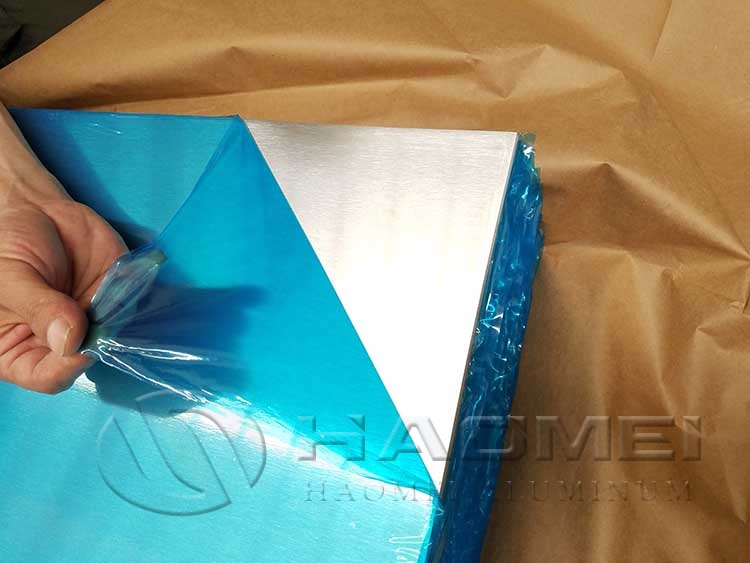
  • Surface/film: PVC coating, paper interleaf, or peelable film for cosmetic surfaces.

  • Market timing: aluminum price swings can move daily; many suppliers quote “valid 24–72 hours.”

Buyer tip: don't compare "per-ton" only. Compare the delivered cost per usable square meter after you confirm tolerances, coating, and test requirements.

Quick quote checklist (send this to suppliers)

ItemWhat to specifyWhy it matters for price
Alloy/Tempere.g., 5083-H321, 5454-H32Strength, corrosion, weldability, availability
Dimensionsthickness × width × lengthYield, cutting loss, rolling limits
Quantitytotal tons + per sizeMill run efficiency; impacts discounts
StandardASTM/EN/GB + tanker specDetermines acceptance criteria
TestingMTC, 3.1, UT, PMIAdds inspection time and fees
Delivery termsEXW/FOB/CIF + destinationFreight and insurance can be huge

2) Which alloy is best for tanker bodies (fuel, chemical, water)—and how does that affect price?

Different tanker cargoes push you toward different alloys. Price changes because alloying elements (like magnesium) and plate route (hot-rolled vs cold-rolled) affect production cost.

Common tanker choices:

  • 5083 (marine-grade): strong, excellent corrosion resistance, widely used for tank shells and heads. Often priced higher than 5052 due to performance and demand.

  • 5454: popular for fuel and chemical tankers because of good resistance in certain service environments and good weld performance.

  • 5052: cost-effective, good corrosion resistance; often used for general tanks and non-critical structures.

  • 5754: used in transport tanks and body panels; good formability.

If your design requires higher strength-to-weight or better fatigue behavior, some builders consider specialized grades like Aluminum 5059 for demanding marine/transport structures—availability and minimum order can influence price.

Buyer tip: ask your fabricator what their forming/welding process is (rolling radius, head forming, weld procedure). A "cheaper" alloy can cost more if it cracks during forming or needs extra stiffeners.
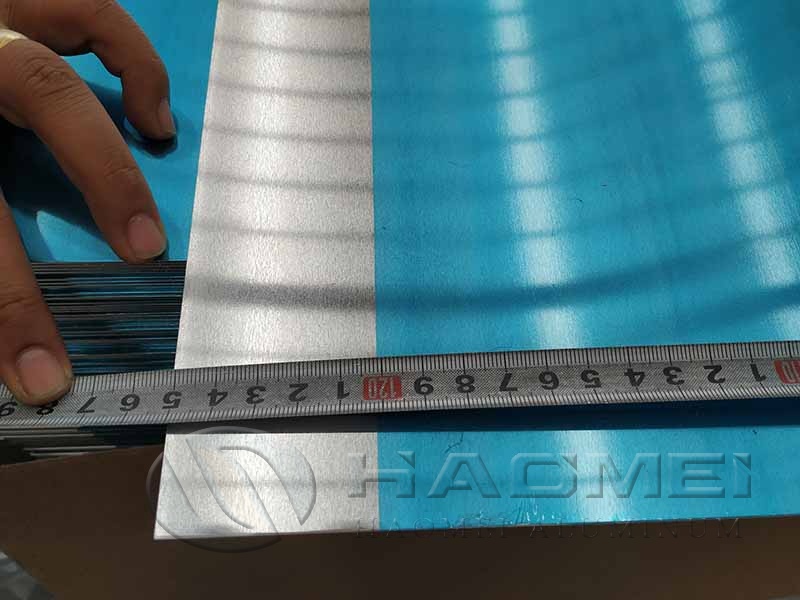
aluminum tanker plate

3) What thickness of aluminum plate is used for tanker shells, end caps, and baffles and what does thickness do to price?

Thickness is one of the strongest price levers because it affects both material weight and manufacturing yield.

In real-world builds, thickness selection depends on:

  • Tank diameter and length

  • Design pressure/vacuum

  • Baffle spacing and reinforcement strategy

  • Regulatory codes and customer specs

How thickness changes price beyond weight:

  • Thicker plate may require hot-rolled plate routes and special leveling.

  • Wider thick plate can be harder to source in tight tolerances.

  • Forming thick heads can increase scrap risk; some buyers pay for better flatness/temper consistency to reduce rejects.

Rule of thumb for quoting: always request price as both $/kg and $/sheet (or $/plate) in your target sizes. A low $/kg can hide expensive cutting loss if your widths don't nest well.

4) How can I tell if a tanker aluminum plate quote is 'complete' (and not missing hidden costs)?

A quote is incomplete if it doesn't clearly state what you will receive and how it will be verified.

Must-have items on a complete quote:

  1. Alloy, temper, and standard (ASTM B209, EN 485, etc.)

  2. Dimensional tolerances (thickness, width, length; flatness if required)

  3. Surface condition (mill finish, one-side film, both-side film)

  4. Documentation (heat number traceability + MTC/3.1)

  5. Packaging (export seaworthy, skid type, moisture protection)

  6. Lead time and validity (when production starts, when price expires)

  7. Delivery term (EXW/FOB/CIF) and destination port/city

Common "hidden cost" flags:

  • "Thickness tolerance: standard" (but no standard stated)

  • No mention of protective film, then later charged as an add-on

  • No clarification of plate vs sheet route (flatness and properties differ)

  • No mention of test reports, then charged for certification later

Buyer tip: request at least one sample MTC format before paying deposit so you can confirm fields like chemistry, mechanicals, and heat traceability.

5) How do I negotiate Aluminum Plate For Tanker Price without sacrificing quality?

Negotiation works best when you trade manufacturing convenience for better pricing—without weakening performance.

Practical levers that lower cost:

  • Standardize sizes: fewer unique widths/lengths = better nesting, less scrap.

  • Bundle thicknesses: mills prefer fewer gauge changes.

  • Allow realistic tolerance where possible: overly tight flatness drives cost.

  • Plan order timing: locking quantity early helps mills schedule efficiently.

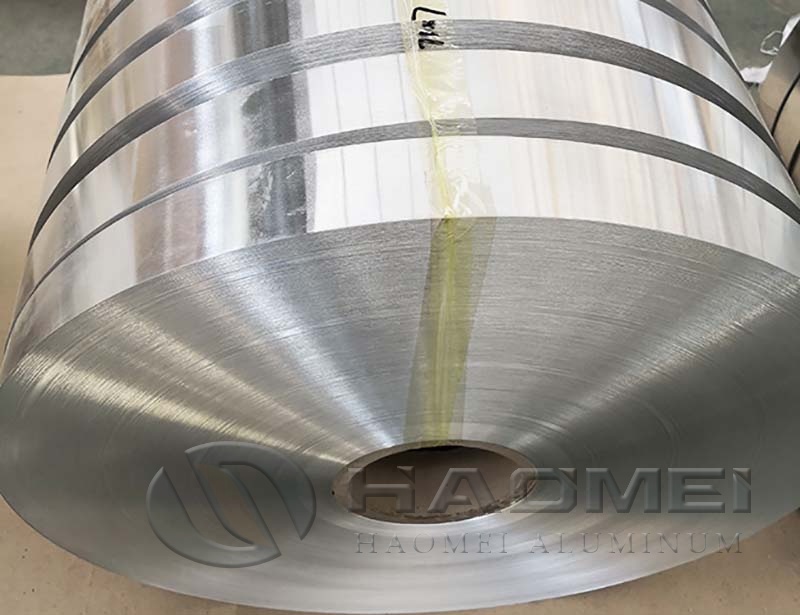
  • Consider coil-to-sheet programs if your application allows (often more economical than discrete plate for some thickness ranges).

If you're also sourcing tread plate for walkways, fenders, or service platforms on the tanker, combining those items can sometimes reduce overall freight and packaging cost. For example, pairing shell plate with accessories like tanker aluminum plate components (when applicable to your catalog structure) can simplify procurement and improve shipment efficiency.
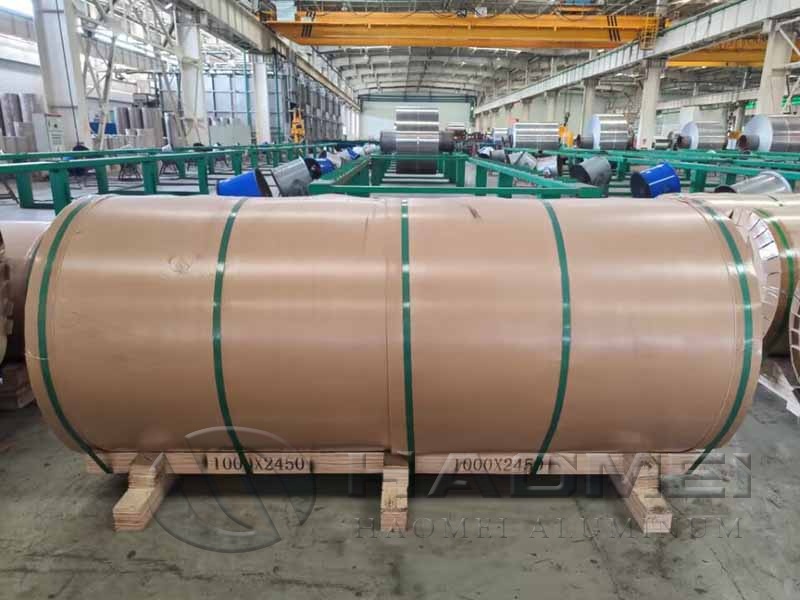
large aluminum coil

A simple "apples-to-apples" quote comparison table

Use this table to compare supplier offers side-by-side.

SupplierAlloy/TemperSize (mm)QtyStandard/MTCFilmPrice TermLead TimeNotes
A5083-H3216×2000×600020 tEN + 3.11-sideCIF25 daysUT optional
B5454-H326×2000×600020 tASTM + MTCnoneFOB18 daystighter flatness


Original Source:https://www.aluminumtankerplate.com/a/aluminum-plate-for-tanker-price.html
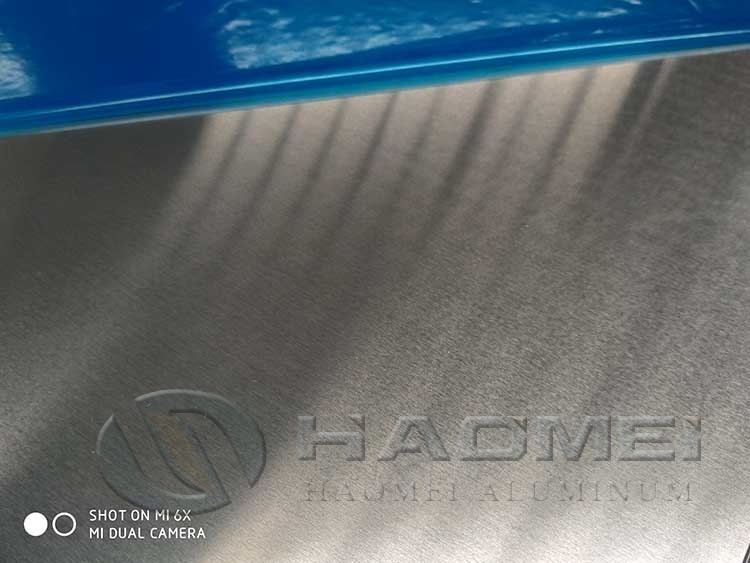
1000 Series Aluminium

 Buyers searching for 1000 series aluminium often see many similar grade numbers and tempers, then hit the same practical questions: Which grade is best for a job, what temper should I order, and how do I avoid mismatched thickness or surface issues.

1000 series aluminum

Below are 5 hot, real buyer-style questions commonly asked on Google and Q&A platforms, with straightforward, purchase-ready answers.

1. What is 1000 series aluminium, and when should I choose it over 3000 or 5000?

1000 series aluminium is commercially pure aluminum (typically 99.0 percent Al or higher, depending on grade). It is chosen for high conductivity, strong corrosion resistance, excellent formability, and bright finishing, not for high strength.

Choose 1000 series when your priority is:

  • Electrical and thermal conductivity: busbars (in some designs), heat transfer parts, HVAC fin stock, transformer and capacitor components.

  • Deep drawing and forming: cookware, reflectors, lamp holders, signage, nameplates.

  • Corrosion resistance in neutral environments: packaging and general fabrication.

Choose 3000 or 5000 series when you need:

  • Higher strength with good formability: 3000 series (Al-Mn) often for roofing, cladding, general panels.

  • Higher strength plus marine resistance: 5000 series (Al-Mg) for marine, transport, pressure applications.

A quick rule: if the design depends on strength, 1000 series is usually not the best starting point. If the design depends on conductivity, forming, or surface finish, 1000 series is often the most economical and stable choice.

2. 1050 vs 1060 vs 1070 vs 1100: Which 1000 series grade should I buy?

These grades look close, but buyers feel the difference in conductivity, surface consistency, and finishing behavior. In practice, availability and the required certificate (and not only chemistry) also matter.

1050 aluminum sheet

Practical differences buyers care about

  • 1050: widely stocked, cost-effective, very good forming. Often used for general sheet metal work, lighting, and simple drawn parts.

  • 1060: slightly higher purity than 1050, commonly selected when conductivity and surface cleanliness matter more, such as heat transfer parts and some electrical uses.

  • 1070: higher purity again, used when conductivity is a primary requirement and you want tighter control of impurities.

  • 1100: very popular in global markets for general fabrication, chemical equipment, and decorative work. It is known for good corrosion resistance and workability.

Buyer-oriented selection table

GradeTypical buyer reason to chooseCommon formsNotes for purchasing
1050Best balance of cost and formabilitysheet, coil, stripGood for bending, stamping, anodizing (confirm finish requirements).
1060Better conductivity and cleaner chemistrysheet, coil, foilOften chosen for heat transfer and electrical-related parts.
1070Conductivity-focused projectssheet, coilConfirm test requirements and conductivity target if critical.
1100General purpose with stable supply in many regionssheet, plate, coilGreat for forming and corrosion resistance, widely recognized on drawings.

If you are buying for deep drawing, ask your supplier not only for the grade, but also for a proven temper and rolling quality control. Grade alone will not prevent earing or surface lines.

3. What temper should I order for 1000 series aluminium sheet or coil: O, H14, H18, or H24?

Temper is where many purchase orders go wrong. For 1000 series aluminium, the most common tempers in trade are:

  • O temper (annealed): soft, best for deep drawing, tight bending radii, and complex forming. Usually the safest choice when forming is difficult.

  • H14: strain hardened to a half-hard level. Good for panels that need better rigidity than O, while still allowing bending.

  • H18: full hard. Higher rigidity, used when you want stiffness and flatness for simple shapes, but it is less forgiving in bending.

  • H24: strain hardened and partially annealed. A common compromise between formability and strength.

How to choose quickly:

  • If you will deep draw, spin, or heavily form, start from O.

  • If you will bend lightly and want stiffness, consider H14 or H24.

  • If you mainly need stiff flat stock and minimal forming, H18 can work.

If your application is sensitive, request a trial coil or a small sheet lot and validate: bend radius, cracking risk, and surface after forming.

4. What thickness, tolerance, and surface finish should I specify for 1000 series aluminium sheet, foil, or strip?

Many new buyers only specify alloy and temper, then get surprised by thickness deviation, coil set, or cosmetic defects. A stronger purchase specification usually includes:

  1. Form and dimensions

    • Sheet: thickness, width, length, and squareness.

    • Coil or strip: thickness, width, inner diameter, outer diameter, and max coil weight.

    • Foil: thickness, width, and winding direction.

  2. Tolerance standard

    • Confirm the applicable standard (ASTM, EN, JIS, or customer spec).

    • Specify tighter tolerances only when needed, because tight tolerance increases cost and lead time.

  3. Surface and appearance

    • Mill finish, bright finish, brushed, or coated.

    • One side or both sides protective film, especially for decorative sheet.

    • Maximum allowed defects: scratches, oil stains, roll marks, edge burrs.

  4. Flatness and coil quality

    • Flatness for sheet.

    • Edge condition and camber for strip.

    • Coil set control for feeding into stamping lines.

For buyers comparing products, it can help to review thickness options upfront. See the product guide on Different Thickness Aluminum Sheet -- Haomei to align thickness range with common manufacturing limits.

aluminum sheet stock

5. Why does 1000 series aluminium pricing vary so much between suppliers?

When buyers see large price gaps for “the same” 1050 or 1100 sheet, the difference is often not the alloy, but the deliverable quality and trading terms. Common drivers include:

  • Input metal and conversion cost: LME aluminum price, regional premium, rolling capacity, energy costs.

  • Temper and process control: O temper with strict forming performance may require tighter annealing control and inspection.

  • Tolerance and flatness guarantees: tighter tolerances cost more.

  • Surface quality and packaging: protective film, interleaving paper, export-grade crating, moisture protection.

  • Certification and testing: chemical analysis, mechanical tests, conductivity tests, and traceability.

  • Order size and lead time: small lots and urgent delivery generally raise unit price.

A practical checklist before you compare quotes

Item to confirmWhat to write on your RFQWhy it matters
Alloy and temper1050 O, 1060 H24, etc.Prevents substitution and wrong forming behavior.
Thickness toleranceStandard or tightened valueAvoids mismatch in assembly or feeding equipment.
Surface requirementfilm, one side film, no oil, cosmetic gradeCosmetic sheet pricing can be very different.
Coil detailsID, OD, weight, edge conditionImpacts production compatibility and logistics.
Standard and certsASTM, EN, mill test certificateEnables consistent acceptance and reordering.

If you are sourcing general-purpose sheet or plate and want a stable baseline for comparison, reviewing a product category such as Aluminum Sheet Plate helps you align dimensions, tempers, and inspection expectations before negotiating.

Original source: https://www.hm-alu.com/a/1000-series-aluminium.html

Flexible Aluminium Strips

  Flexible aluminium strips are specified when a component must be bent, wrapped, stamped, rolled, or formed without surface splitting. The ...