This is how the white aluminum coil produced. It includes pickling,alkaline cleaning,coating,baking,etc. The coating process is the key part. With mature technology and stric inspection, the finished product is of beautiful appearane and superior performance. We support custimization. Welcome to send inquiry directly to dolly@alumhm.com or learn more at our website: https://www.alumhm.com/color-coated-aluminum/
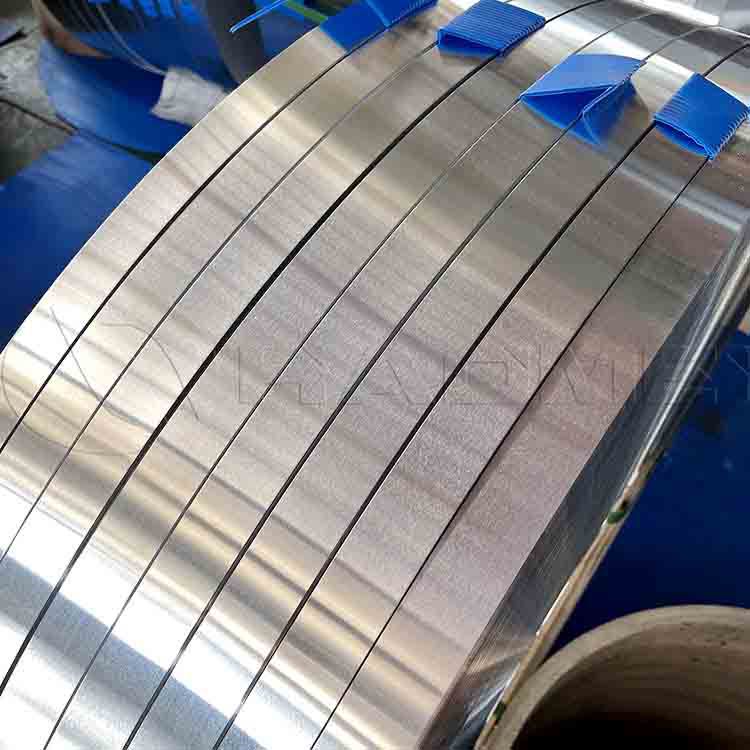
Aluminum Strip for Transformer Winding
Transformer aluminum strip is a commonly used conductive material in power transformers, which plays an important role in power transmission and distribution. In order to ensure that the transformer can operate normally and have good electrical conductivity, standards have been established for the thickness and width of the transformer aluminum strip.
Thickness standard of transformer aluminum strip
The thickness standard of transformer aluminum strip plays an important role in ensuring the electrical conductivity and mechanical strength of the transformer. According to international standards, the thickness of transformer aluminum strips should meet the following requirements:
1. Standardized thickness: According to the power and current load of the transformer, as well as the requirements of the use environment, the thickness of the transformer aluminum strip should comply with the corresponding international standards. Normally, the thickness standards of transformer aluminum strips are generally 0.2mm, 0.3mm, 0.4mm, etc.
2. Thickness tolerance: In order to ensure the accuracy of the production and use of transformer aluminum strips, thickness tolerance is an important indicator. Generally speaking, international standards stipulate that the thickness tolerance of transformer aluminum strip is ±0.02mm to ensure its accuracy during production and use.
Width standard of aluminum strip for transformer
The width standard of the transformer aluminum strip is a key factor in ensuring the conductive performance and safe operation of the transformer. The following are key points regarding transformer aluminum strip width standards:
1. Standardized width: The width of the transformer aluminum strip should comply with the corresponding international standards. According to the power and current load of the transformer, as well as the design requirements, the width standards of transformer aluminum strips are generally 30mm, 50mm, 80mm, etc.
2. Width tolerance: In order to ensure the accuracy of production and use of transformer aluminum strips, width tolerance is an important consideration. Generally, international standards stipulate that the width tolerance of transformer aluminum strips is ±0.5mm to ensure accuracy during production and use.
The thickness and width standards of aluminum strips for transformer winding are formulated to ensure the normal operation and safe use of transformers. When selecting aluminum strips for transformers, we should choose a thickness and width that meet the standards based on actual needs. At the same time, during production and use, we should also strictly control the thickness and width tolerances of the transformer aluminum strip to ensure its accuracy and stability. Haomei Aluminum also provides aluminium foil for transformer winding.
During the production, use and maintenance of transformer aluminum strips, we also need to pay attention to the following points:
1. The thickness and width of the transformer aluminum strip should be checked regularly to ensure that it meets the standard requirements. If there is any abnormality, repair or replace it in time.
2. Pay attention to the storage and handling of transformer aluminum strips to avoid moisture and damage. During the transportation process, corresponding protective measures should be taken to ensure the integrity of the transformer aluminum strip.
3. It is necessary to strengthen the protection and maintenance of the transformer aluminum strip, regularly clean and apply protective coating to extend its service life.
In addition to the thin aluminum strips, we also have rich specifications of aluminium strips like aluminium strip 2mm. Welcome to leave message below to inquire what you need.
Original source: https://www.aluminumstrip24.com/news/aluminum-strip-for-transformer-winding.html
2xxx Aluminum Alloys: 2024 Aluminum Sheet
2xxx aluminum alloys belong to the Al-Cu-Mg alloy, which is called high-strength hard aluminum and is the most widely used structural aluminum alloy. The tensile strength of 2xx series aluminum alloy is 400~500 MPa, which is lower than the room temperature strength of 7xxx series aluminum alloy, but its heat resistance, fatigue characteristics, especially fatigue crack propagation resistance are better than those of 7xxx series aluminum alloy.
2000 series aluminum alloys have higher strength, and the alloy strength of 2xxx grades can compete with steel. However, due to differences in copper content, the strength and corrosion resistance of this series vary within a wide range to meet different needs.

Among them, the corrosion resistance of alloys with lower copper content is close to that of rust-proof aluminum; the strength of alloys with higher copper content is close to that of hard aluminum, which is actually equivalent to increasing the silicon content on the basis of hard aluminum.
Among the 2000 series aluminum alloys, the 2024 alloy invented in 1939 is the more commonly used one. 2024 alloy has brought huge changes to the structure and performance of aircraft, and also laid the foundation for the development of 2000 aluminum alloys.
2024 has a density of 2.78 g/cm 3 (0.1 lb/in 3 ), a conductivity of 30% IACS, and a Young's modulus of 73 GPa (10.6 Msi) in all states at 500 °C (932 °F). The composition of 2024 aluminum alloy roughly includes 4.3-4.5% copper, 0.5-0.6% manganese, 1.3-1.5% magnesium and less than 0.5% silicon, zinc, nickel, chromium, lead and bismuth.
2024 aluminum sheet has high strength and certain heat resistance, and can be used as working parts below 150℃. At temperatures above 125°C, the strength of 2024 alloy is higher than that of 7075 aluminum plate. The formability is relatively good in the hot state, annealed and newly quenched states, and the heat treatment strengthening effect is significant, but the heat treatment process requirements are strict.
The common tempers of 2024 aluminum is T3, T351 and T4. 2024 t351 aluminum has high plasticity, fatigue life, fracture toughness and resistance to fatigue crack growth, but poor corrosion resistance. This alloy thick plate is mainly used in fuselages, wings, shear floors and webs, and other structural parts with high strength requirements.
Original site: https://www.aircraft-aluminium-sheet.com/a/2xxx-aluminum-alloys-2024-aluminum-sheet.html
5182 and 6101 Aluminum Alloys for Automobile
With the rise of new energy vehicles and the development of the energy Internet, busbars will replace standard cables and are widely used in the manufacturing of new energy vehicles, as well as in emerging industries such as robot manufacturing, smart grids, and photovoltaic equipment. In particular, soft busbars have become an important power transmission technology in the new energy field.
Soft busbar has the advantages of high transmission efficiency, safety and stability, and small footprint, so it is widely used in charging piles, power distribution cabinets, power replacement equipment and other fields.
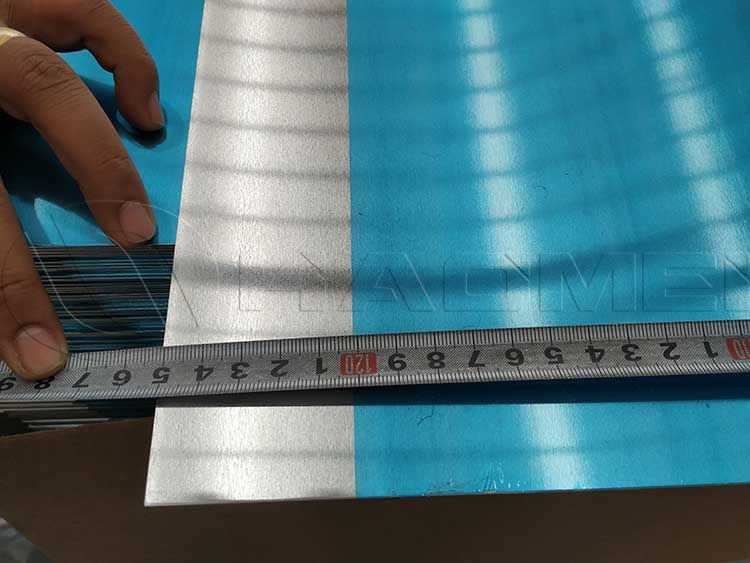
6101 aluminum alloy has medium strength and high electrical conductivity and can be used for long-distance power transmission lines. Compared with traditional steel-core aluminum alloy stranded wire (ACSR), all-aluminum alloy stranded wire (AAAC) twisted from a single Al-Mg-Si alloy wire can well avoid electrical corrosion and can improve power transmission efficiency.
At the same time, the maintenance cost of transmission lines is reduced. More importantly, the Al-Mg-Si series alloys are heat-treatable strengthened alloys, and their strength and conductivity can be adjusted by solid solution + aging heat treatment.
ABS car panels have high requirements on the mechanical properties of aluminum plates, and have strict standards for the flanging performance and surface quality of the aluminum plates. The cold rolling rate of BS is generally required to reach 85%. Conventional aluminum alloys used for ABS include: 2002, 2117, 2036, 2037, 2038, 3004, 5052, 5182, 6009, 6010, 6015, 6016, 6111, etc. Except for 3004 and 5182 aluminum alloys which are used in the O state and 5052 alloy which are used in the H32 and H34 states, other alloys are used in the T4 state.
In terms of deep stamping performance and tensile strength, 5052 aluminum alloy is far less good than 5182 alloy. Therefore, the first choice aluminum alloy for inner panels of complex shapes is 5182-O aluminum sheet. Find 5182 o aluminum properties from Haomei Aluminum.
The car doors, hood panel and trunk lid all can choose 5182 aluminum alloy. Since the 5182 aluminum plate has excellent deformability, it can absorb the impact very well when it is hit by external forces, protecting the driver and passengers to a great extent.
The mainstream automobile aluminum sheet production technology: semi-continuous casting (direct chill casting, DC) to produce large- sized flat ingots- sawing the head and tail- cutting the surface- heating- high-temperature rolling in a large wide-width hot rolling unit- aluminum coil- cold rolling process to finished product thickness- heat treatment with air cushion continuous heat treatment furnace. If it is necessary to control the material microstructure and grain size, an intermediate annealing process can be added to the cold rolling pass.
Haomei Aluminum has main 5xxx and 6xxx aluminum alloys. Welcome to leave message below to inquire what you need.
Original site: https://www.aluminium-auto-sheet.com/a/5182-and-6101-aluminum-alloys-for-automobile.html
The Use of 1561 Aluminum in Shipbuilding
As ship manufacturing develops in the direction of lightweight, high-speed, and large-scale, aluminum-magnesium alloys with small density, high specific strength, and good stability have become the preferred materials to replace marine steel. In the past, 5083 aluminum alloy was mostly used in shipbuilding, but the orthopedic treatment after welding had a greater impact on the manufacturing accuracy.
1561 aluminum alloy (Russian brand) has higher strength than 5083 aluminum alloy. Using 1561 aluminum alloy as marine material will improve the quality and performance of ships. 5059 and 1561 aluminum alloys are the most high-end marine aluminum alloys and are currently recognized as the most technically difficult high-end marine aluminum alloys in the industry.
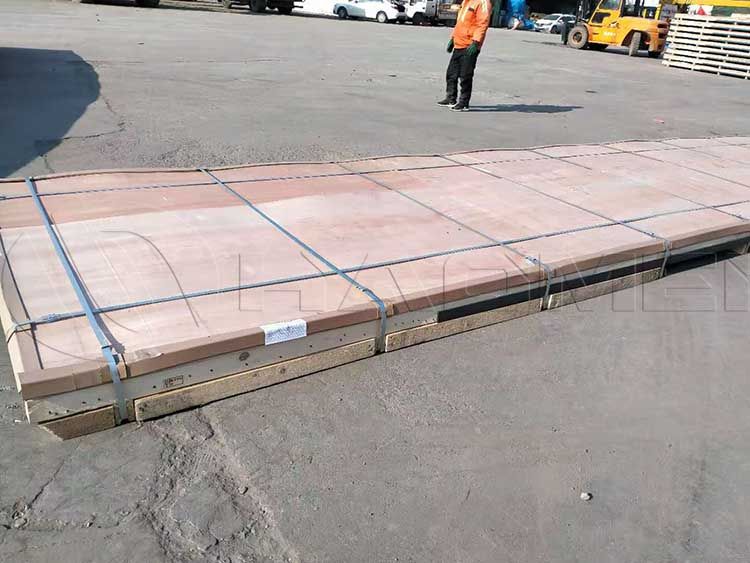
1561 aluminum alloy is a new anti-rust aluminum alloy developed based on the existing Al-Mg series marine aluminum alloy to increase the Mg and Mn content and reduce the impurity element content to meet the needs of high corrosion-resistant load-bearing components.
1561 aluminum alloy has high yield strength and small elastic modulus. It has a large rebound after multi-point forming. Small deformation can basically fully rebound after unloading. Therefore, 1561 aluminum alloy needs to be given a larger amount of springback compensation during the forming process.
When the curvature of the formed part is large, the 1561 aluminum alloy is prone to wrinkles during one-time forming. However, after adopting the multi-pass forming method, the problem of wrinkling in the center of the formed part is solved, and the forming error ± 1 mm area is increased by 80% to to 91%. The error is reduced and the forming accuracy is improved.
1561 aluminum alloy is an aluminum alloy with a high magnesium content. It is very easy to produce defects such as pores and cracks during the welding process. How to ensure that these defects do not occur in the welds during the hull construction process is a key issue to ensure production quality. The TIG deep penetration welding process is used to weld 1561 high magnesium aluminum alloy, which can significantly reduce defects such as pores and inclusions in the weld.
As one of the big marine grade aluminum plate suppliers in China, Haomei Aluminum can provide you 5052, 5083. 5086, 5059, 1561 aluminum sheets. Welcome to leave message below to inquire what you need.
Orignal site:https://www.marine-aluminium-plate.com/a/the-use-of-1561-aluminum-in-shipbuilding.html
Aluminum Plate for Special Vehicles
Aluminum alloy, with its unique advantages of low density, corrosion resistance, energy saving and environmental protection, is gradually used in large quantities in special vehicles and has become the main material for lightweight.
Tanker Truck
Compared with ordinary carbon steel and stainless steel tank trucks, aluminum alloy tank trucks can not only significantly reduce the weight of the vehicle, improve transportation efficiency, but also extend the service life of the tank.
Its corrosion resistance is more than 70% higher than that of traditional carbon steel. This feature greatly reduces the maintenance costs related to the tank. The internal cleanliness of the tank is high, and it has good energy saving and environmental protection effects.
Aluminum alloy 5083, 5454 and 5182 are currently commonly used tanker aluminum sheets. They can be used to make tanker body, baffle and tanker head. The aluminum alloy tank truck can load oil, gasoline, chemicals, cement and other dense materials.
Vans
Aluminum alloy vans mainly include aluminum alloy van semi-trailers and aluminum alloy wing opening transport vehicles. According to the usage rate of aluminum alloy in the vehicle, it can be divided into all-aluminum alloy vans and steel-aluminum hybrid vans.
An all-aluminum alloy van means that the frame and body are made of aluminum alloy; a steel-aluminum hybrid van means that part of the vehicle structure is made of aluminum alloy, such as the carriage body is made of aluminum alloy while the frame is still made of steel. The aluminum alloys available for van trucks are aluminum plates, aluminum alloy profiles, aluminum honeycomb panels, aluminum castings, etc. Due to the advantages of high strength and easy molding of aluminum alloy profiles, aluminum alloy profiles are preferred for manufacturing.
Aluminum alloy vans have long been popular in European and American markets. Because of its light weight, large loading space, beautiful appearance, and the ability to print advertisements on the surface, it occupies a leading position in the US market. The alloys used in aluminum alloy profiles for containers mainly include 6061, 6082, 6351, 6005, 6063 and 6060, among which 6061 and 6082 alloys account for more than 90%. Asia and the United States mainly use 6061 alloy, while European vans mainly use 6082 alloy.
Refrigerated trucks
Refrigerated trucks are closed van transport vehicles used to transport frozen or fresh-keeping goods, including bread-type refrigerated trucks, van-type refrigerated trucks and semi-trailer refrigerated trucks. The biggest difference in the relationship between properties and temperature between aluminum and steel is that steel has low-temperature brittleness, while aluminum and aluminum alloys do not. When the temperature decreases, while the strength and performance of aluminum and aluminum alloys increase, the plasticity also increases as the temperature decreases. Therefore, aluminum alloys become good materials for low-temperature equipment.
Haomei Aluminum provides 5083, 5754, 5454, 5059 and 5182 aluminum alloy for special vehicles, especially fuel tankers, semi trucks, LNG tank,etc. Welcome to leave message below to inquire what you want.
Original site: https://www.aluminium-tanker-plate.com/a/aluminum-plate-for-special-vehicles.html
Aluminum Alloy Fuel Tanker VS Other Fuel Tank Truck
Oil tank trucks are divided into refueling trucks and oil transport trucks. Whether they are refueling trucks or oil transport trucks, they are composed of a hazardous chemicals chassis, a top tank and an auxiliary system.
The difference between a refueling truck and an oil transport truck is that the refueling truck is equipped with a refueling machine, while the oil transport truck does not have a refueling machine. The raw materials of the fuel tanker are generally ordinary carbon steel, aluminum alloy, and stainless steel. After investigation, it was found that among these three materials, aluminum alloy tank trucks have the highest sales volume. Why is this?
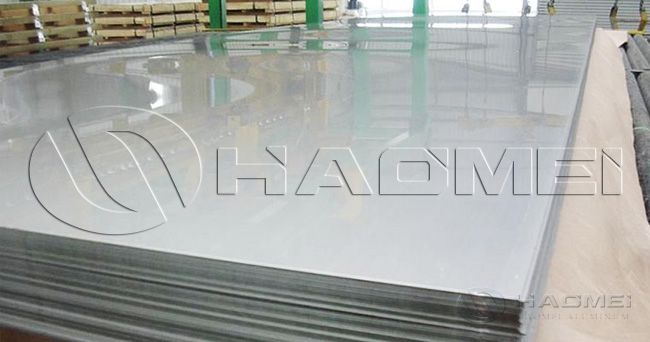
The same car model can pull more if it uses an aluminum alloy tank body. The tank body of an aluminum alloy tank truck is made of aluminum-magnesium alloy like 5083 aluminum plate or 5754 h111 aluminum. The density of the material is relatively small, so a tank with the same volume is lighter than carbon steel. For example, a 28-square-meter aluminum alloy oil tanker is 2 tons lighter than a carbon steel tank.
Generally, the total weight of the same type of tank truck is the same, so the lighter the curb weight, the heavier the rated load, and the more fuel that can be loaded. It will bring more profit return quickly.
Oil tank trucks use aluminum alloy tanks, which are not easy to rust and do not pollute the oil. Aluminum reacts chemically with oxygen to produce aluminum oxide, which is aluminum rust. Aluminum rust is very thin, with a thickness of only one ten thousandth of a millimeter. But it is very hard and very wear-resistant. It adheres closely to the surface of the aluminum, preventing the aluminum inside from contacting the outside air and preventing the aluminum from continuing to rust. Therefore, the aluminum alloy tank will not pollute the oil during transportation. There are also no impurities produced during the process.
Aluminum alloy tank trucks have a lower relative center of gravity because of their lighter tanks, making them safer and more fuel-efficient. The weight of carbon steel is almost three times that of aluminum alloy tanks with the same volume.
Stainless steel tanks are as corrosion-resistant as aluminum alloy tanks, but aluminum alloy tanks are cheaper than stainless steel tanks. The recycling value of aluminum alloy tanks is much higher than carbon steel tanks. This is why most people choose aluminum alloy fuel tankers. Welcome to contact us for learning more about 5754 and 5083-h116 aluminum properties.
Original Source:https://www.aluminumtankerplate.com/a/aluminum-alloy-fuel-tanker-vs-other-fuel-tank-truck.html
订阅:
博文 (Atom)
5083 Marine Grade Aluminum
For workboats, ferries, fishing vessels, offshore structures, and deck equipment, 5083 marine grade aluminum is valued for high strength w...
-
What Is Auto Body Sheet ABS(Auto Body Sheet) is also called automobile body panels , is specially used for punching sheet metal parts for...
-
The aluminum siding trim coil refers to the the product that the surface of the aluminum coil is coated with various colors of paint a...
-
The main alloy elements of marine grade aluminum 6061 are magnesium and silicon, which have medium strength, good corrosion resistance...


