How to Start the Lightweight of Boats?

The Coming of Ship Lightweight

aluminum sheet for shipbuilding


Amidst rising global environmental awareness and increasingly pressing energy concerns, the global shipping industry finds itself at a critical juncture of green transformation. The International Maritime Organization (IMO) has established stringent carbon emission targets, aiming for carbon neutrality in the shipping sector by 2050; consequently, energy conservation and emission reduction have become top priorities for the industry. Against this backdrop, ship lightweight technology has emerged as a pivotal breakthrough for achieving green development in shipping.

Simply put, ship lightweight involves minimizing a vessel's own weight—through measures such as design optimization and the use of lightweight materials—without compromising safety or operational functionality. This approach should not be underestimated, as it plays an invaluable role in enhancing vessel performance and reducing energy consumption and emissions.

In terms of energy consumption, a 10% reduction in a ship's weight can lower fuel consumption by approximately 6%–8%, leading to a significant decrease in emissions of pollutants like carbon dioxide. This not only yields substantial fuel cost savings for shipowners but also contributes positively to global environmental protection.

Regarding performance, lightweight vessels achieve higher speeds and improved transport efficiency. Additionally, they place less strain on port infrastructure, experience reduced wear and tear, incur lower maintenance costs, and enjoy an extended service life.

As technology advances and environmental regulations become increasingly rigorous, the importance of ship lightweight has become ever more apparent. It is no longer merely an optional choice but an inevitable trend in the evolution of the shipbuilding industry.

An increasing number of shipping companies are incorporating lightweighting technology into the design and construction of new vessels, while numerous research institutions are ramping up R&D investment in this field. It is foreseeable that lightweight vessels—leveraging their superior performance and environmental advantages—will play an increasingly vital role in the future shipping market, serving as a key driver of sustainable development for the global shipping industry.

Which types of vessels have the most urgent need for lightweight

Different types of vessels place varying degrees of importance and reliance on lightweight, depending on their intended use, operating environment, and performance requirements. Several categories of vessels have a particularly urgent need for lightweight, and the application of aluminum alloys has played a pivotal role in their development.

High-Speed Vessels

For high-speed vessels such as hydrofoils and hovercraft—where every second counts—speed is the lifeblood and the core competitive advantage that allows them to traverse the water rapidly. Reducing the vessel's own weight is the single most critical factor in achieving such high speeds. Thanks to their low density and high strength, aluminum alloys are the ideal choice for these vessels.

Take hydrofoils, for instance: when traveling at high speeds, the hydrofoils generate upward lift that raises the hull out of the water, drastically reducing hydrodynamic drag. However, for the vessel to travel stably and swiftly while supported by the hydrofoils, the hull itself must be sufficiently lightweight.

The use of aluminum alloys significantly reduces the weight of hydrofoils, leading to a marked increase in speed for the same power output. Data indicates that hydrofoils constructed from aluminum alloys can achieve speeds 20% to 30% higher than those made from traditional materials, while simultaneously reducing energy consumption by 15% to 25%. This not only enables faster travel times but also lowers operating costs and enhances transport efficiency.

The same applies to hovercraft. By creating an air cushion between the hull and the water surface, the vessel lifts itself clear of the water, thereby minimizing frictional resistance and enabling high-speed travel. Using aluminum alloys allows hovercraft to be lighter while maintaining structural integrity; this facilitates the easier formation and maintenance of the air cushion, allowing the vessel to travel faster and maneuver more flexibly through complex aquatic environments.

Small Workboats

Small workboats—such as fishing support vessels and maritime patrol boats—may be relatively compact, yet they demand exceptional agility and durability in their daily operations. Frequent docking and departures, combined with operations in complex waters, require vessels that can handle these challenges with ease; the properties of aluminum alloys perfectly meet these requirements.

Fishery support vessels must frequently shuttle between ports and fishing boats to transport catches and other supplies. A lightweight aluminum alloy hull allows these vessels to maneuver more nimbly while carrying the same cargo, thereby reducing energy consumption and increasing transport efficiency.

At the same time, the excellent corrosion resistance of aluminum alloy effectively withstands seawater erosion, extending the vessel's service life and lowering maintenance costs. For those in the fishing industry, this translates to greater economic returns and more reliable operational stability.

Maritime patrol boats are tasked with the vital responsibility of maintaining maritime safety and conducting patrols. During missions, they require rapid response capabilities and agile handling to address various emergencies promptly. The use of aluminum alloy equips patrol boats with these advantages, enabling them to navigate swiftly and accurately across rough seas and providing strong support for maintaining peace and stability in the waters.

Luxury Yachts and Passenger Vessels

In the realm of luxury yachts and passenger vessels, comfort and aesthetics are key factors in attracting passengers. The use of aluminum alloy not only meets the need for lightweight construction but also offers numerous benefits that enhance the passenger experience.

The lightweight nature of aluminum alloy grants designers greater creative freedom. The weight savings can be utilized to incorporate additional leisure facilities and luxurious décor, or to expand cabin space, allowing passengers to enjoy a more spacious and comfortable environment during the voyage.

For instance, some luxury yachts constructed with aluminum alloy feature additions such as open-air swimming pools and observation decks, offering passengers a wider range of leisure and entertainment options. Furthermore, the excellent workability of aluminum alloy allows for diverse exterior designs, enabling the creation of sleek, aesthetically pleasing lines that satisfy the human appreciation for beauty.

In terms of navigational performance, a lightweight aluminum alloy hull lowers the vessel's center of gravity, thereby enhancing stability. When encountering wind and waves, passenger vessels can maintain a smoother course with reduced pitching and rolling, ensuring a more comfortable and secure journey for passengers. This is crucial for elevating service quality and attracting a larger number of passengers.

The Family of Marine Aluminum Alloys

As the push for lightweight marine vessels gains momentum, aluminum alloys have become a "favorite" in the shipbuilding industry thanks to their exceptional properties. Different types of aluminum alloys play unique roles in various parts of a vessel, collectively contributing to lightweight design and high performance.

Marine Aluminum Plates

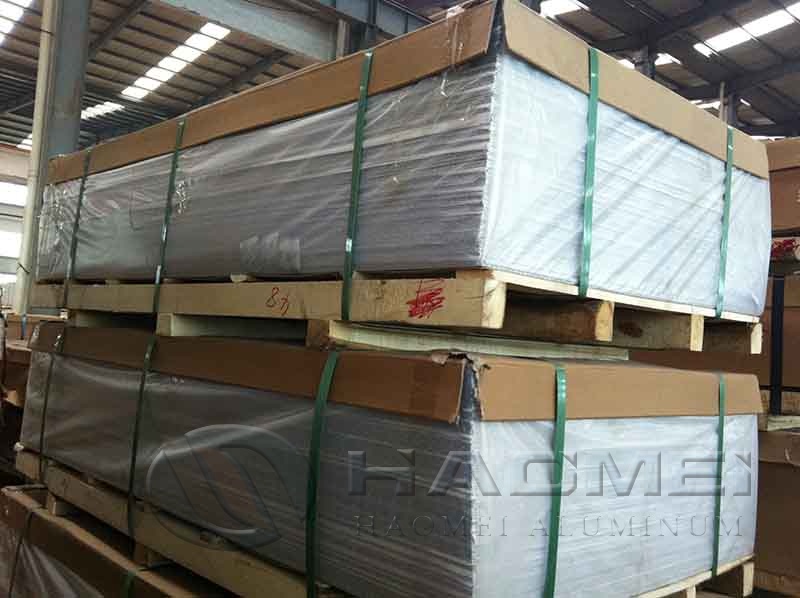
Aluminum plates serve as a vital material in shipbuilding—acting much like a vessel's "sturdy shield"—and are tasked with the construction of critical components such as the hull shell and decks. Among the various aluminum alloy plates available, the 5083 and 5086 alloys stand out as ideal choices for marine construction.

The 5083 aluminum plate belongs to the Al-Mg (aluminum-magnesium) series and demonstrates remarkable capabilities in the shipbuilding sector. With a magnesium content ranging from 4.0% to 4.9%, this alloy possesses an optimal balance of elements that imparts a host of excellent properties.

marine grade aluminum plate


It boasts outstanding corrosion resistance; in harsh environments like seawater and salt spray, it acts like an armored warrior, effectively resisting erosion and ensuring structural integrity. Its excellent weldability allows it to integrate seamlessly with other components during construction, creating a robust hull. Its moderate strength ensures the hull can withstand external forces without adding excessive weight that would compromise sailing performance.

Data indicates that under identical operating conditions, the corrosion-resistant lifespan of 5083 aluminum alloy plates is two to three times longer than that of standard aluminum alloys, leading to significantly reduced maintenance costs and an extended service life for the vessel.

The 5086 aluminum alloy also performs exceptionally well, striking a superb balance between strength and corrosion resistance. It is widely used in the construction of hull shells for oceangoing vessels that require high structural strength. Capable of withstanding the immense impact of ocean waves while resisting long-term seawater corrosion, it provides reliable protection for vessels on long-distance voyages.

Marine Grade Aluminium Checker Plates

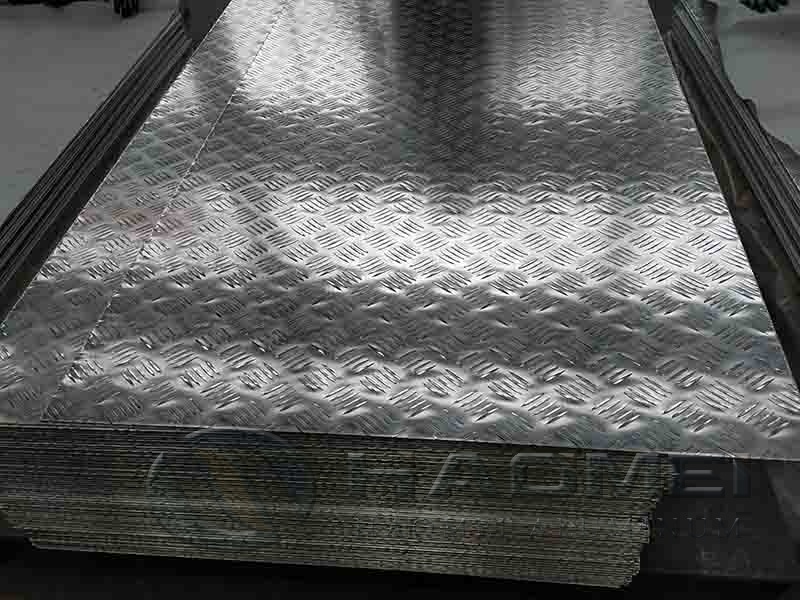
With its distinctive patterned design, aluminum tread plate acts as a "non-slip guardian" for ship decks, playing an indispensable role in such areas. The pattern increases surface friction, making it safer for crew members to walk on the deck and effectively reducing the risk of slipping accidents.

The 5083 aluminum alloy checker plate stands out as a premier choice in this category. It combines the inherent excellent corrosion resistance and strength of the 5083 alloy with superior slip resistance derived from its unique patterned design. 

In humid environments, standard decks can easily become slippery, posing significant safety hazards for the crew. However, when 5083 aluminum alloy patterned plates are installed, crew members can walk steadily and perform tasks—such as cargo loading and unloading—even when the deck is soaked with seawater. This not only boosts operational efficiency but also ensures the safety of the crew.

Marine Grade Aluminium Checker Plates


Aluminium boat extrusions

Aluminum profiles serve as the "steel backbone" of a vessel, playing a crucial role in supporting ship frames and structural frameworks. Components such as aluminum angles and flat bars are key elements in the construction of ship structures.

Aluminum alloy profiles of the 5083 and 6082 series are widely used in shipbuilding. 5083 aluminum alloy profiles, prized for their high strength and excellent corrosion resistance, are a preferred material for ship frame structures.

flat bars


In the construction of large cruise ships, 5083 aluminum angles are used to build cabin frameworks; they are capable of bearing the weight of internal facilities as well as the various stresses generated during navigation. Furthermore, their superior corrosion resistance ensures the framework remains intact in long-term marine environments, thereby guaranteeing the structural safety of the vessel.

6082 aluminum alloy profiles are renowned for their outstanding overall performance. As an aluminum-magnesium-silicon alloy, it offers high strength; following standard T6 heat treatment, its tensile strength reaches 310–340 MPa, meeting the structural strength requirements for ships operating under complex conditions.

For vessels that navigate the open sea for extended periods—enduring wave impacts and various dynamic loads—6082 aluminum alloy profiles effectively resist fatigue damage, thereby extending the ship's service life. Their excellent workability allows for easy cutting, welding, and bending during construction, which enhances manufacturing efficiency.

6082 aluminum alloy flat bars are extensively used in the support structures of offshore drilling platforms. They not only support the platform's immense weight but also maintain stable performance in harsh marine environments, providing a robust guarantee for the safety of offshore drilling operations.

Aluminum Pipe Fittings

In marine piping systems, aluminum pipe fittings act much like the connectors in the human circulatory system, ensuring the system's proper operation. Common examples include flanges and elbows; these components play a crucial role in connecting pipes and altering flow direction, thereby guaranteeing the integrity of seals and the smooth flow of fluids.

marine aluminum elbows


Pipe fittings made from 5083 and 6082 aluminum alloys demonstrate excellent performance in marine piping systems. The corrosion resistance of 5083 aluminum alloy fittings allows them to function reliably in environments where pipes are exposed to various chemical substances.

On chemical tankers, for instance, 5083 aluminum alloy flanges are used to connect piping that transports chemicals; they effectively withstand chemical corrosion, maintain secure seals, prevent leaks, and ensure safe transport.

Meanwhile, 6082 aluminum alloy fittings are favored for their high strength and excellent machinability. In vessels requiring high-pressure piping systems, 6082 aluminum alloy elbows are employed to change the direction of the piping. These fittings can withstand the high pressure of internal fluids while allowing for precise manufacturing according to design specifications, thereby ensuring the system's operational efficiency and stability.
Aluminum 5754 H22 Properties

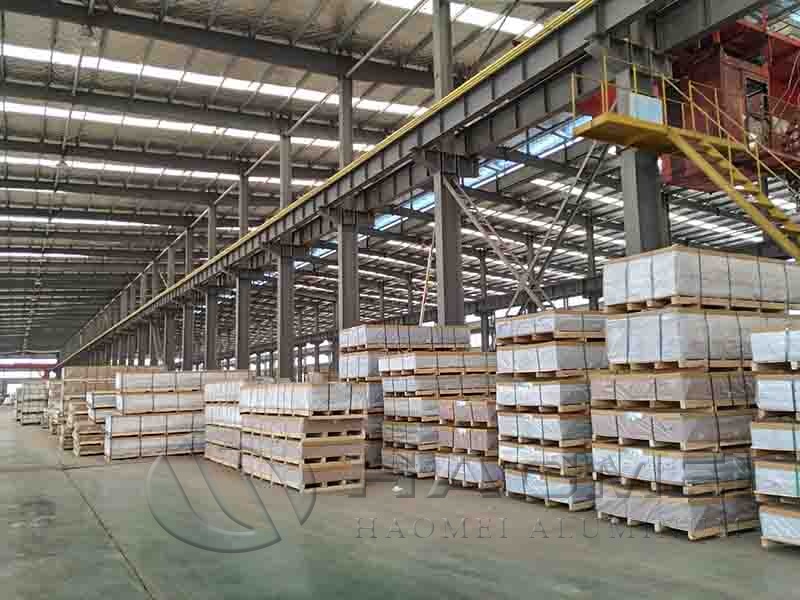
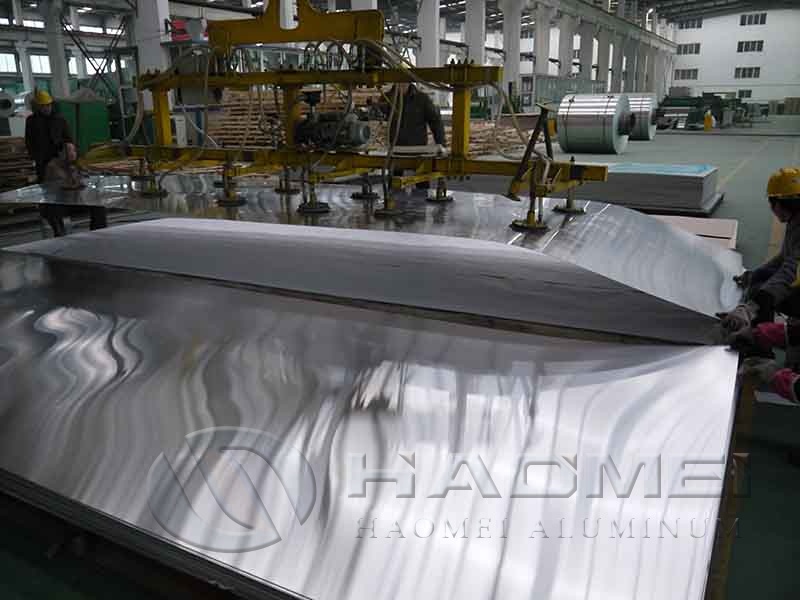
 Aluminum 5754 H22 is frequently discussed by tanker body fabricators because it combines moderate strength, excellent corrosion resistance, low weight, and practical forming behavior. It belongs to the Al-Mg alloy family and is commonly considered for tanker shells, compartment structures, bulkheads, protective panels, and other fabricated truck components exposed to moisture, road salt, and petroleum-related environments.

aluminum plate for tanker

The following questions reflect recent English-language discussion patterns around aluminum tanker plate selection. The answers focus on the material decisions that affect fabrication quality, operating durability, and purchase specifications.

1. What Are the Main Aluminum 5754 H22 Properties for Tanker Plates?

5754 aluminum is a non-heat-treatable aluminum-magnesium alloy. Its strength is developed primarily by cold working rather than by solution heat treatment. The H22 temper means the plate has been strain hardened and then partially annealed, producing a useful balance between strength and workability.

For tanker manufacturing, this balance matters. Plate that is too soft may dent easily during transport or service. Plate that is too hard can create cracking risks during forming, rolling, flanging, or fabrication around manholes and reinforcement areas. H22 sits in a practical middle range for many structural and semi-structural tanker applications.

PropertyTypical Relevance for Tanker Manufacturing
Alloy familyAl-Mg, non-heat-treatable aluminum alloy
TemperH22, strain hardened and partially annealed
Corrosion resistanceStrong resistance in wet, marine, and road-salt conditions
FormabilityBetter than harder tempers, suitable for bending and shaping
WeldabilityGood with appropriate aluminum welding procedures
DensityAbout 2.66 g/cm3, significantly lighter than steel
Surface finishAvailable in mill finish and other specified surface conditions

Mechanical values vary with thickness, mill process, testing direction, and applicable standard. For this reason, a tanker plate order should specify thickness, width, length, temper, testing standard, and required mechanical-property range rather than relying on a general datasheet only.

2. Is Aluminum 5754 H22 Strong Enough for an Aluminum Tank Truck?

This question usually depends on which tanker component is being designed. Aluminum 5754 H22 can be suitable for parts requiring corrosion resistance and moderate strength, including external panels, selected tank sections, bulkhead-related components, equipment enclosures, walkway-supporting structures, and fabricated truck body elements.

However, the tank shell is a pressure-bearing structure. The correct alloy and thickness must be selected according to the transported medium, tanker capacity, shell geometry, internal pressure or vacuum conditions, local transport rules, weld-joint efficiency, and fatigue requirements. A thicker 5754 H22 plate is not automatically interchangeable with a thinner, higher-strength alloy.

In many tanker designs, fabricators compare 5754 with 5454 and 5083. Where higher strength, more demanding pressure performance, or specific tanker-duty experience is needed, 5454 aluminum plate may be evaluated alongside 5754. For highly demanding structural service, 5083 aluminum plate is also often considered because of its higher strength level in common tempers.

The engineering question is not simply, "Is 5754 H22 strong enough?" It is, "Is the alloy-temper-thickness combination adequate after welding, forming, service loading, and corrosion exposure?" That distinction helps prevent over-specifying a material that is difficult to form or under-specifying a plate that lacks sufficient design margin.

3. Does Aluminum 5754 H22 Have Good Corrosion Resistance for Fuel Tankers?

Yes, 5754 H22 is valued for good atmospheric and marine corrosion resistance. Its magnesium content contributes to its performance in humid outdoor environments, road splash, de-icing salts, and general industrial exposure. This makes it relevant to tank trucks that spend years in variable weather conditions.

For fuel and chemical tanker applications, corrosion resistance must still be considered in relation to the actual cargo. Aluminum alloys are not universally suitable for every chemical. Certain strongly alkaline materials, acidic compounds, chlorides at elevated temperatures, or reactive cargoes can require a different alloy, special lining, or an alternative tank material.

External corrosion performance is also affected by fabrication quality. Poorly cleaned weld areas, trapped moisture under fittings, abrasive contamination from carbon steel tools, and damaged protective surfaces can shorten service life. Fabricators should use aluminum-dedicated brushes, clean handling practices, compatible fasteners, and drainage-friendly structural details.

5454 aluminum sheet

4. Can 5754 H22 Aluminum Plate Be Welded and Bent Without Cracking?

5754 H22 has good weldability and generally workable forming characteristics. It is commonly processed using MIG or TIG welding methods with filler metal selected according to joint design, service condition, and applicable welding procedure qualification. The heat-affected zone near a weld can soften because the alloy is strain hardened rather than heat treated. Designers should account for this local strength reduction when calculating load capacity.

For bending and rolling, the minimum bend radius should be matched to plate thickness, grain direction, surface condition, and forming method. Tight bends across the rolling direction can increase the chance of edge cracking, especially if the plate has surface damage or a very small bend radius. A production trial on the actual plate thickness is preferable before committing to large-scale fabrication.

Tank fabrication also requires attention to weld sequencing. Excessive heat input can increase distortion in wide aluminum panels. Controlled weld parameters, suitable fixturing, balanced welding sequences, and correct joint preparation help maintain tank roundness and dimensional consistency.

5. What Should Be Specified When Purchasing Aluminum 5754 H22 Tanker Plate?

A complete purchase specification reduces variation between quoted material and fabrication-ready plate. State the alloy as 5754, the temper as H22, and the target product form as plate or sheet. Include thickness tolerance, width, length, applicable standard, mechanical property requirements, surface condition, flatness expectations, ultrasonic inspection requirements if needed, and packaging requirements.

For wide tanker shell material, width availability can affect weld count and fabrication efficiency. A wider plate may reduce longitudinal seams, but transport limits, rolling equipment, and handling capacity also need review. Surface quality is equally important where plate will be polished, coated, or used in visible exterior truck areas.

Ask the supplier for the mill test certificate and confirm the chemical composition, tensile strength, yield strength, elongation, dimensions, and heat or batch traceability. If the plate will be used in regulated liquid transport equipment, verify that the documentation aligns with the required vehicle, pressure-vessel, or regional transport standards.

aluminum tread plate for truck

For truck-mounted equipment beyond the tank shell, 5754 H22 can also be considered for non-slip panels, access covers, fabricated guards, and selected protective structures. The final material choice should reflect the part's loading direction, welding exposure, forming radius, expected corrosive environment, and required service life.

Original source: https://www.aluminium-tanker-plate.com/a/aluminum-5754-h22-properties.html

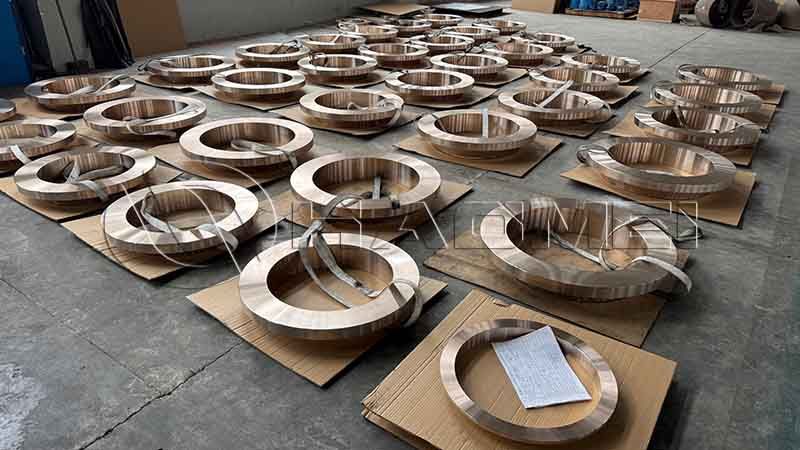
C70600 (90/10) vs C71500 (70/30) Copper Nickel Fittings: How to Choose for Seawater Systems

 Copper nickel fittings are core components of marine seawater piping, cooling, and desalination systems, renowned for their excellent seawater corrosion resistance and mechanical stability. UNS C70600 (90/10 cupronickel) and UNS C71500 (70/30 cupronickel) are the two most widely used grades in seawater service. What are their difference?

1. Basic Chemical Composition & Standard Specifications

The fundamental performance gap between C70600 and C71500 stems from their nickel content difference, which is nearly three times, along with varied iron and manganese ratios that optimize their seawater adaptability respectively.

Parameter

C70600 (90/10 Copper Nickel)

C71500 (70/30 Copper Nickel)

Nominal Composition

90% Copper, 10% Nickel (9–11% Ni)

70% Copper, 30% Nickel (29–33% Ni)

Auxiliary Elements

1.0–1.8% Fe, ≤1% Mn

0.4–1.0% Fe, ≤1% Mn

Equivalent Standards

ASTM B111, CW352H (EN), CuNi10Fe1Mn

ASTM B111, CW354H (EN), CuNi30Mn1Fe

C70600 adopts a high-iron formula to balance basic corrosion resistance and cost, while C71500 increases nickel content significantly, greatly improving structural stability and extreme condition resistance, with slightly reduced iron content to enhance high-flow scouring resistance.

2. Core Performance Comparison for Seawater Service

Seawater system failure risks mainly include uniform corrosion, pitting, crevice corrosion, flow erosion, and biofouling. The two alloys show obvious differentiated performance in these key indicators.

Copper nickel fittings .jpg

2.1 Corrosion & Erosion Resistance

Both alloys deliver excellent general seawater corrosion resistance, but their performance diverges sharply under high-flow, high-salinity, and stagnant seawater conditions.

C70600 (90/10): Features outstanding biofouling resistance. Its higher copper ion release effectively inhibits barnacle and algae adhesion, reducing pipeline fouling and blockage risks. It performs well in general pitting and crevice corrosion resistance, adapting to conventional static and low-flow seawater environments. The maximum safe seawater flow velocity is 3.5 m/s; exceeding this will accelerate erosion-corrosion.

C71500 (70/30): Boasts superior pitting, crevice corrosion, and stress corrosion cracking resistance, especially suitable for high-salinity, polluted, and temperature-fluctuating seawater. Its most prominent advantage is high-flow erosion resistance, with a safe flow velocity up to 4.5 m/s and above, effectively resisting scouring damage from fast-moving turbulent seawater. However, its biofouling resistance is slightly inferior to C70600.

2.2 Mechanical Properties

Higher nickel content endows C71500 with stronger structural rigidity, while C70600 retains better ductility and processability.

90 10 Cu Ni: Annealed tensile strength is approximately 300 MPa, with good ductility and flexibility. It is easy to bend, cut, and form, suitable for complex pipeline layout and on-site installation.

70 30 Cu Ni: Annealed tensile strength reaches about 380 MPa, with higher hardness and structural stability. It resists pipeline deformation and vibration damage better under high-pressure and high-load working conditions.

2.3 Processing & Welding Performance

C70600 has excellent welding and processing adaptability, low welding difficulty, stable weld quality, and low failure rate of on-site construction, supporting rapid installation and maintenance.

C71500, due to high nickel content, has stricter welding process requirements, higher technical difficulty, and is more prone to welding defects if operated improperly, requiring professional precision construction.

2.4 Cost Difference

Affected by high nickel raw material costs, C71500 fittings are 30–50% more expensive than 90 10 copper nickel pipe price of the same specification. Meanwhile, its higher construction and maintenance costs further increase the overall project investment. C70600 has prominent cost advantages and lower comprehensive operation costs.

3. Scenario-Based Selection Principles for Seawater Systems

The core selection logic is matching alloy performance with system working conditions, balancing service life, operational stability, and project cost.

3.1 Choose C70600 (90/10) for These Scenarios

  • C70600 is the cost-effective mainstream choice for conventional seawater systems, covering most general marine service scenarios.

  • Conventional ship seawater cooling pipelines, bilge and drainage systems with flow velocity ≤3.5 m/s;

  • Coastal power plant circulating water systems, low-pressure seawater delivery pipelines;

  • General seawater pretreatment and low-pressure desalination auxiliary pipelines;

  • Systems requiring low biofouling and regular long-term stable operation;

  • Engineering projects with strict cost control and conventional working conditions without extreme scouring and high salinity.

3.2 Choose C71500 (70/30) for These Scenarios

C71500 is a high-performance upgrade option for harsh seawater working conditions, applicable to high-demand core systems.

  • High-flow seawater circulating systems with flow velocity exceeding 3.5 m/s, such as high-efficiency heat exchanger pipelines;

  • Core pipelines of seawater desalination main systems, long-term service in high-salinity and concentrated seawater environments;

  • Offshore engineering platforms, deep-sea equipment pipelines with severe seawater scouring and complex water quality;

  • High-pressure seawater systems and equipment pipelines requiring high structural strength and anti-deformation ability;

  • Key systems with ultra-long service life requirements and low maintenance frequency.

Original source: https://www.marine-aluminium-plate.com/a/c70600-9010-vs-c71500-7030-copper-nickel-fittings-how-to-choose-for-seawater-systems.html

Aluminum Strip Alloy Selection Comparison: 1000 series / 3003 / 5052 / 3105

 Aluminum strips are foundational materials in modern manufacturing, widely applied in architectural decoration, HVAC systems, electronic accessories, marine equipment, and packaging industries. Different aluminum alloy series feature distinct mechanical properties, corrosion resistance, formability, and cost levels, which directly determine their applicability in diverse working scenarios. How to choose the right alloy for your project?

1. Basic Alloy Composition & Core Positioning

The four alloys belong to different aluminum alloy systems, with unique component formulas and market positioning, laying the fundamental difference in their performance:

- 1000 Series (1050/1060/1100): Pure aluminum series like 1060 aluminum strip is with aluminum purity above 99.6%. No special alloying elements are added, featuring ultra-high purity, excellent ductility and electrical conductivity, and positioned as a low-cost, general-purpose basic material.

1060 aluminum strip.jpg

- 3003 Alloy: Typical aluminum-manganese anti-rust aluminum, with 1.0%–1.5% manganese as the main alloying element. Manganese improves the strength and anti-rust performance of pure aluminum without sacrificing too much formability, serving as a versatile medium-low strength alloy.

- 3105 Alloy: Optimized upgraded version of 3003 alloy (Al-Mn-Mg series). A small amount of magnesium is added on the basis of manganese, further improving structural strength and paint adhesion, specially designed for pre-painted aluminum strips and building decorative materials.

- 5052 Alloy: Classic aluminum-magnesium alloy with magnesium as the main strengthening element. It boasts the highest strength, fatigue resistance, and marine corrosion resistance among the four materials, belonging to high-performance structural aluminum strips.

2. Key Performance Parameter Comparison

Performance is the core basis for material selection. We compare the four alloys from five key dimensions: mechanical strength, formability, corrosion resistance, electrical conductivity, and weldability.

2.1 Mechanical Strength

The strength ranking of the four aluminum strips is stable: 5052 > 3105 > 3003 > 1000 series.

The 1000 series has the lowest tensile strength (60–140MPa) and cannot bear heavy structural loads.

3003 is about 20% stronger than pure aluminum with medium-low strength.

3105 achieves a moderate strength upgrade on the basis of 3003, meeting higher structural stability requirements.

5052 features medium-high strength (170–350MPa) and excellent fatigue resistance, suitable for long-term load-bearing structural parts.

2.2 Formability & Processing Performance

Formability determines the difficulty of bending, stamping, and deep drawing processing. The ductility ranking is: 1000 series > 3003 > 3105 > 5052.

1000 series pure aluminum has ultra-high ductility, no cracking during extreme bending and deep drawing, and minimal springback, suitable for complex shaped parts.

3003 retains excellent formability while strengthening, with balanced processing performance. It is a popular choice as the aluminium ceiling strip.

3105 has slightly higher hardness and slight springback, but still supports conventional stamping and bending.

5052 has the poorest formability among the four, requiring larger bending radii in processing and being unsuitable for ultra-complex deep drawing parts.

2.3 Corrosion Resistance

Corrosion resistance is crucial for outdoor, humid, and marine working environments, with the ranking: 5052 > 3105 ≈ 3003 > 1000 series.

1000 series has good atmospheric corrosion resistance but poor tolerance to salt spray and chemical corrosion.

3003 aluminum-manganese alloy has excellent anti-rust performance, with corrosion resistance about 30% higher than pure aluminum, stable in conventional atmospheric and humid environments.

3105 inherits the anti-rust advantages of 3003 and has better weather resistance after painting.

5052 aluminum-magnesium alloy has superior marine-grade corrosion resistance, outstanding resistance to salt spray, seawater, and high-humidity corrosion, and is the only choice for coastal and marine equipment scenarios.

2.4 Electrical & Thermal Conductivity

Conductivity is a key indicator for electrical and heat dissipation components. The conductivity ranking is: 1000 series > 3003 > 3105 > 5052.

1000 series has a conductivity of ≥61% IACS, which is the best among the four, making it the preferred material for bus bars and conductive parts. 3003 has a conductivity of 40%–50% IACS, suitable for general heat dissipation components. 3105 and 5052 have low conductivity (30%–35% IACS), so they are rarely used for conductive parts.

2.5 Weldability & Surface Adaptability

All four alloys have good weldability without welding cracking problems. In terms of surface treatment adaptability: 3105 has the best paint adhesion and color uniformity, specially optimized for pre-painted aluminum strips; 3003 and 5052 have stable anodizing and spraying effects; 1000 series has a smooth surface and is suitable for polishing and simple decorative coating.

3. Typical Application Scenarios Matching

Combined with performance characteristics, each alloy has its most suitable high-frequency application scenarios, realizing precise matching of performance and demand:

3.1 1000 Series (1050/1060/1100)

Core advantages: Low cost, ultra-high formability, excellent conductivity

Typical uses: Low-load decorative parts, packaging materials, chemical equipment liners, bus bars, transformer conductive strips, indoor simple stamping parts. It is the first choice for cost-sensitive scenarios with no high strength requirements.

3.2 3003 Aluminum Strip

Core advantages: Balanced strength and formability, excellent anti-rust performance, cost-effective

Typical uses: HVAC heat dissipation fins, air conditioner/refrigerator accessories, kitchen utensils, indoor and outdoor building gaskets, roof and gutter panels, general anti-rust stamping parts. It is the most versatile universal aluminum strip in the 3000 series.

3.3 3105 Aluminum Strip

Core advantages: Higher strength than 3003, superior paint adhesion and weather resistance

Typical uses: Pre-painted aluminum coils, building exterior wall panels, shutters, window blinds, signage, mobile home decorative panels, lighting fixture housings. It is a special material for high weather resistance decorative coating scenarios.

3.4 5052 Aluminum Strip

Core advantages: High strength, fatigue resistance, marine-grade corrosion resistance

Typical uses: Marine equipment accessories, automotive fuel tanks and body panels, coastal building structural parts, pressure-resistant shell parts, electronic equipment enclosures, trailer structural components. It is the preferred material for high-strength and harsh environment scenarios.

Original source: https://www.aluminumstrip24.com/news/aluminum-strip-alloy-selection-comparison-1000-series-3003-5052-3105.html

5059 Aluminum Sheet

 5059 aluminum sheet is a high-magnesium 5xxx-series alloy used where low weight, strong corrosion resistance, and higher strength are required together. It is frequently considered for marine structures, transport tanks, defense equipment, and heavy-duty fabricated parts.

The questions below reflect recurring English-language purchasing and engineering discussions appearing in recent public search and Q&A activity. Answers focus on practical material selection, specification review, and fabrication considerations.

aluminum plate for fuel tank

1. Is 5059 Aluminum Sheet Stronger Than 5083 Aluminum?

Yes, 5059 aluminum sheet can provide higher strength than 5083 in comparable strain-hardened tempers. The alloy contains a relatively high magnesium level along with manganese, zinc, zirconium, and chromium additions. This composition supports stronger mechanical performance while retaining the corrosion advantages associated with marine-grade 5xxx alloys.

5059 is often selected when a project needs to reduce structural weight without immediately increasing material thickness. For example, a transport body, pressure-related enclosure, or vessel-side component may use 5059 when 5083 strength is not sufficient at the available gauge.

However, strength is not the only selection factor. 5083 remains widely specified because it has a long service record in shipbuilding and welded structures. A direct comparison should always use the same temper, thickness range, product standard, and loading direction.

Property Consideration5059 Aluminum Sheet5083 Aluminum Sheet
Typical application focusHigh-strength marine and transport structuresMarine hulls, welded structures, tanks
Relative strength potentialGenerally higher in comparable hard tempersHigh, but often lower than 5059
Corrosion resistanceExcellent in marine environmentsExcellent in marine environments
Fabrication familiarityRequires controlled welding and forming planningVery widely used and familiar
Material selection priorityStrength-to-weight performanceProven marine fabrication performance

For projects requiring a comparison with a widely used marine alloy, review Aluminium 5083 specifications alongside 5059 test data rather than comparing nominal alloy names alone.

2. Can 5059 Aluminum Sheet Be Used for Marine and Saltwater Equipment?

Yes. 5059 aluminum sheet is suitable for many saltwater, coastal, and marine transport environments because it belongs to the non-heat-treatable Al-Mg alloy family. Its corrosion resistance is especially valuable in hull-side structures, deck equipment, workboats, offshore support parts, and lightweight marine transport units.

Saltwater performance still depends on design and maintenance. Crevices that trap seawater, permanent contact with incompatible metals, damaged coatings, and poor drainage can create localized corrosion risks even with a highly resistant alloy. Stainless fasteners, copper-bearing fittings, and carbon steel supports should be electrically isolated where appropriate.

For fabricated marine parts, ask the supplier to confirm the applicable standard, temper, thickness tolerance, surface condition, and mill test certificate. If the part will be continuously exposed to salt spray or immersion, specify whether the surface is mill finish, brushed, coated, anodized, or painted.

5454 aluminum sheet

3. Does 5059 Aluminum Sheet Weld Well?

5059 aluminum sheet is weldable using common aluminum processes such as MIG and TIG welding. In production settings, MIG welding is often preferred for thicker sections and longer weld seams because it offers higher deposition rates. TIG welding may be used for thinner material, detailed fittings, and controlled cosmetic work.

The main issue is not whether welding is possible, but how welding affects the heat-affected zone. 5059 gains much of its strength from strain hardening, so material near a weld can soften. Engineers should calculate joint strength using post-weld properties, not the base-metal tensile value shown for H-temper material.

Common fabrication practices include:

  • Selecting compatible filler wire based on the joint design and service environment.
  • Removing moisture, oil, oxide residue, and surface contamination before welding.
  • Controlling heat input to reduce distortion and preserve practical joint performance.
  • Using suitable fixturing for wide panels and asymmetric structures.
  • Reviewing bend radii after welding because formed areas may behave differently from parent material.

If the final component is a fuel or chemical transport structure, material selection should also account for applicable tank standards. Aluminum Tanker Plate options can help compare alloys intended for demanding transport fabrication.

4. Is 5059 Aluminum Sheet Suitable for Fuel Tanks and Transport Bodies?

5059 aluminum sheet can be suitable for lightweight transport bodies, tank-related structures, and protective enclosures where strength and corrosion resistance are important. Its higher strength potential may allow designers to optimize gauge while maintaining stiffness and load capacity.

Whether it is appropriate for a fuel tank depends on the transported medium, regulatory requirements, welding procedure qualification, design pressure, seam configuration, and inspection rules. The alloy itself should not be selected solely because it is corrosion resistant. Transport tanks require evaluation of fatigue loading, vibration, weld details, attachment points, and cleaning chemicals used during service.

For non-pressurized body panels, 5059 may be chosen for its dent resistance and structural efficiency. For a welded tank, the fabricator should confirm the approved material designation, temper, filler metal, and required post-fabrication testing.

Project QuestionWhat to Confirm Before Ordering
Will the material be welded?Temper, filler compatibility, post-weld strength assumptions
Is the environment marine or chemical?Corrosion exposure, coating system, drainage design
Is weight reduction important?Strength target, gauge optimization, stiffness requirement
Will the part be bent or deep formed?Minimum bend radius, grain direction, forming trial needs
Is certification required?EN, ASTM, ABS, DNV, or project-specific documentation

5. Which Temper and Thickness Should I Specify for 5059 Aluminum Sheet?

The correct temper depends on whether the part is primarily formed, welded, machined, or used as a flat structural panel. Common strain-hardened tempers include H111, H116, H321, H34, and H36, although availability varies by mill, thickness, width, and applicable standard.

A softer temper may be more suitable for complex bending or fabrication requiring tighter radii. A harder temper can offer improved strength for flat structural panels but may require larger bend radii and more careful handling. For marine exposure, H116 and H321 are frequently discussed because they are associated with resistance to exfoliation and stress-corrosion concerns in suitable 5xxx alloy applications.

When requesting a quotation, provide the following details:

  1. Alloy designation: 5059.
  2. Required temper and product standard.
  3. Thickness, width, and length.
  4. Quantity and allowable dimensional tolerance.
  5. Intended use, such as marine structure, transport body, or welded enclosure.
  6. Required inspection documents and third-party approval needs.
  7. Surface requirements, including protective film, mill finish, or coating preparation.

A clear specification reduces the chance of receiving material with an unsuitable temper, surface condition, or certification level for the planned fabrication process.


Original Source:https://www.aluminumtankerplate.com/a/5059-aluminum-sheet.html

Mill Finish Aluminum Circle VS Color-Coated Aluminum Circle: Which Is Better for Cookware

  Aluminum circles are the core raw materials for manufacturing various cookware, including pots, pans, woks, and pressure cookers. Their su...