3003 5454 Aluminum in Cars

 Aluminum alloy is a common metal material in industry. Its density is 1/3 of steel. It also has high specific strength, good extrudability, strong corrosion resistance and high recyclability. It is an ideal lightweight material for the automobiles. Automotive aluminum plates usually use high-strength aluminum alloys like 5000 series, 6000 series and 7000 series.

3003 aluminum is widely used in manufacturing power battery shells as a key protective component of the battery system. Due to the need to withstand various complex environments and mechanical impacts, there are high performance requirements on the 3003 aluminium alloy. 3003 aluminum sheet has excellent formability, corrosion resistance, strength and hardness.
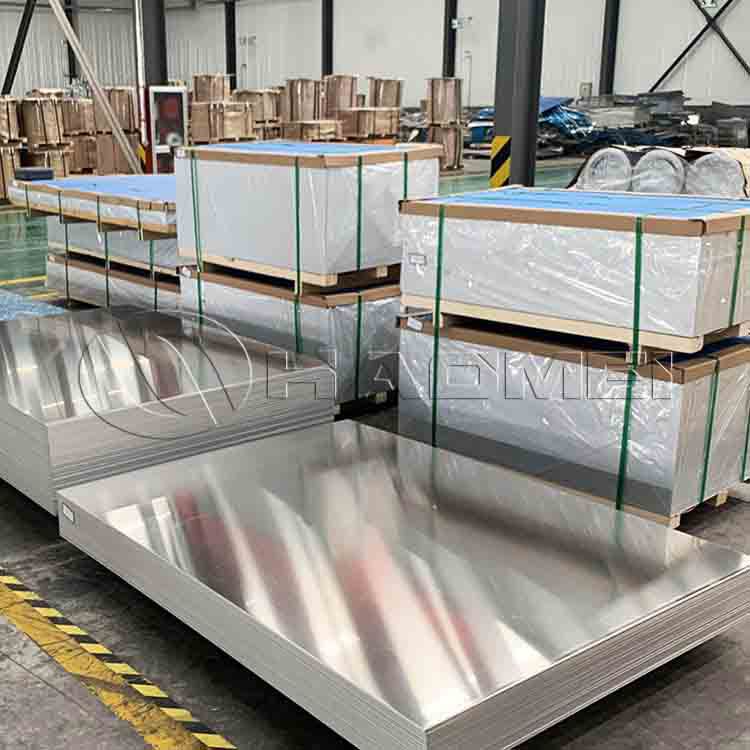
5454 h111 aluminum sheet.jpg

5xxx aluminum alloy is the most commonly used deformed aluminum alloy in wheel forging, mainly including: 5052-O, 5154-O, 5454-O, 5083-O, 5086-O. 5xxx forged aluminum alloy wheels have high corrosion resistance and are suitable for working in extreme environments.

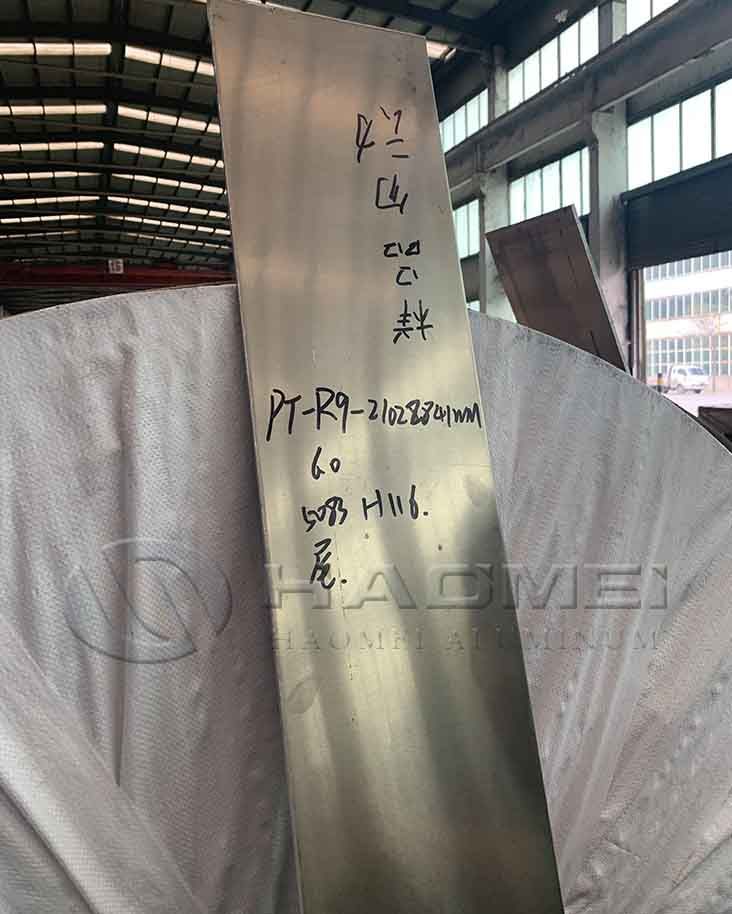
5454 aluminum sheet has high strength, high corrosion resistance, good plasticity and good formability. The strength of 5454 aluminum sheet is about 20% higher than that of 5052 aluminum plate. 5454 aluminum plate is also widely used in pressure vessels, marine facility pipelines, automobile wheels, oil tanker body,etc. 5454 h111 is also its main temper.

5454 aluminum is also used for the rail vehicle bodies. Other aluminum alloy choices are 5052, 5083, 6061, and the extruded profiles used include 5083, 6061, 7N01, etc. In addition, some new alloys such as 5059, 5383, 6082, etc. are also used. They all have good weldability, and the welding wire is 5356 or 5556 alloy.

The production of 3003 power battery shell aluminum coils is a delicate process, involving multiple key steps in the entire production process of hot-rolled raw materials:

Aluminum ingot smelting: Aluminum ingots are heated to the melting point and smelted to form a uniform molten state.

Casting: Inject molten aluminum liquid into the continuous casting machine and cool it to form a large 3003 aluminum ingot.

Surface milling: remove defects on the upper and lower surfaces of the aluminum ingot to ensure a smooth surface.

Heating: Heating to the temperature required by the process to prepare for subsequent rolling.

Hot rolling: Put the heated aluminum plate ingot into the rolling mill and roll it to the required thickness and width.

Cold rolling: further rolling to finished thickness.

Heat treatment: The rolled aluminum coil is subjected to intermediate heating to improve hardness and strength.


Original Source:https://www.autoaluminumsheet.com/a/3003-5454-aluminum-in-cars.html
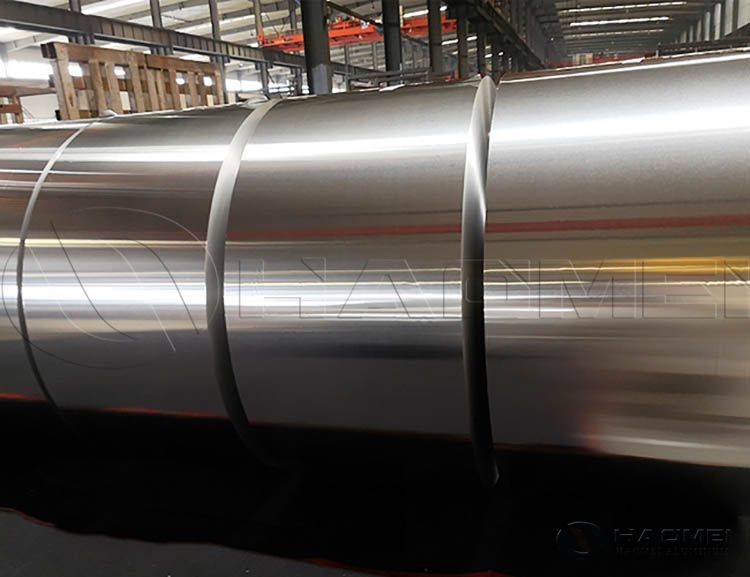
What Are Uses of The Aluminum Foil Jumbo Roll

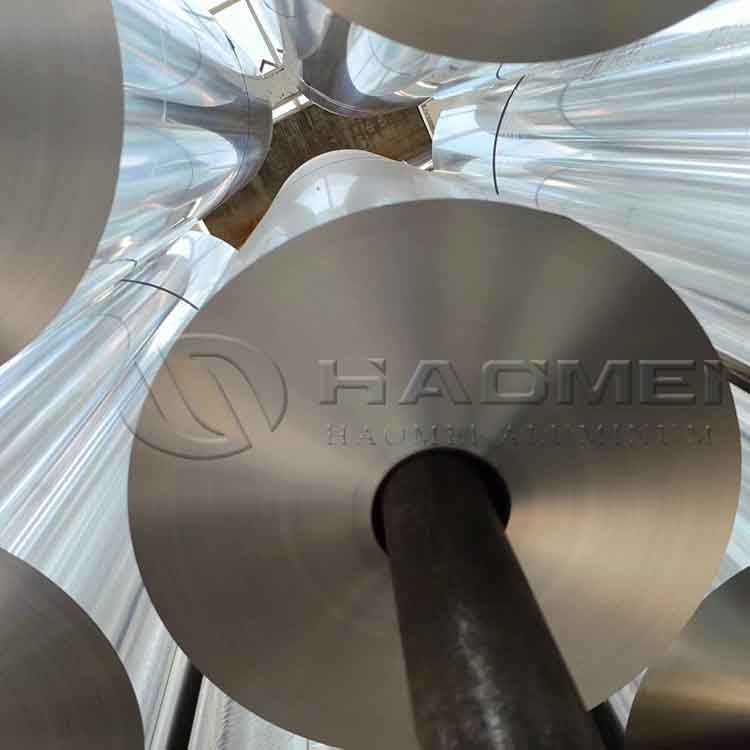
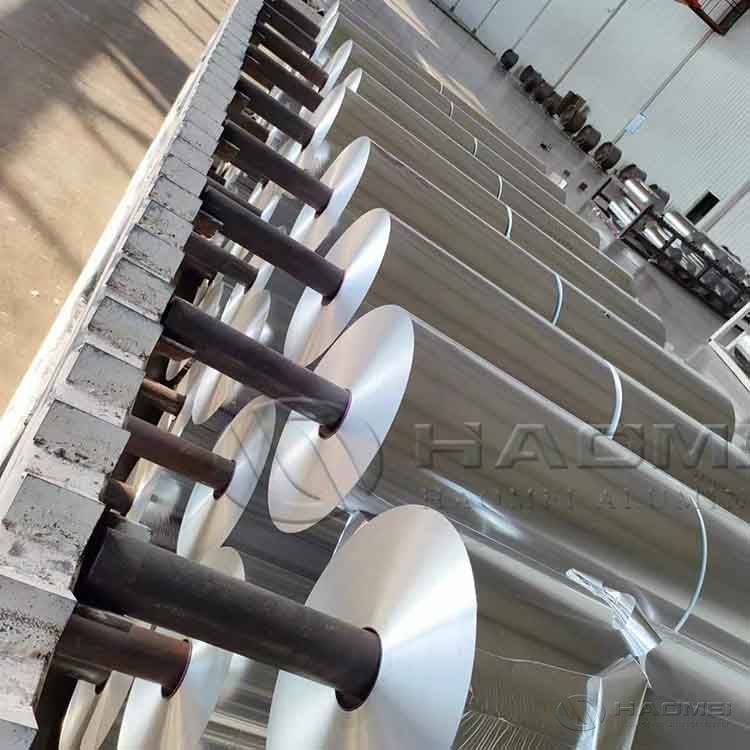
 The most common aluminum alloys of the aluminum foil jumbo roll is 8011, 8021, 8079, 1235, 3003,etc. They are used in a wide range of applications after processing, such as beer labels, cables, pharmaceutical packaging, household foil food packaging, bottle cap materials, heat sealing foil, battery, etc.

Food packaging aluminum foil is an important market for aluminum foil applications. Due to its thin thickness and low strength, aluminum foil is generally not used as a packaging material alone, but is often used together with plastic, paper and other materials as part of composite packaging.

aluminum foil jumbo roll .jpg

Aluminum foil acts as a positive current collector in lithium batteries due to its good properties. Battery aluminum foil has higher purity. Currently, the battery aluminum foil produced in the market is mainly made of 1060, 1070, 1100 and 1235 alloy. The above alloys all belong to the 1000 series. This series of alloys contains a large amount of aluminum, and the purity can reach more than 99.00%. 1235 battery aluminum foil contains 99.35% aluminum.

At home, people use aluminum foil to store food, cover baking surfaces and wrap foods such as meat to prevent them from losing moisture while cooking. People may also use aluminum foil to wrap and protect more delicate foods such as vegetables when grilling. Finally, it can be used to line grill pans to keep things tidy and to scrub pots or grill grates to remove stubborn stains and residue.

When used as pharmaceutical packaging materials, aluminum foil is the only metal material in the packaging materials. Aluminum foil is non-toxic and odorless. It also has excellent conductivity, light-shielding properties, extremely high moisture resistance, gas barrier and taste retention, which can most effectively protect the packaged items.

The production process of large rolls of aluminum foil for sale includes the following steps: raw material selection and preparation, usually 1000 series, 3000 series and 8000 series; smelting, casting and rolling, heat treatment, surface treatment, quality inspection and packaging. In short, the aluminum foil production process requires multiple processes and strict quality control to ensure the performance and quality of the final product.

Aluminum Foil for Bottle Cap Packaging

 In the bottle cap packaging field, there are three main forms of aluminum foils: bottle cap, cup/bottle sealer and easy-tear lid. Aluminum bottle caps are used in the beverage industry due to their recycling advantages and ease of disposal. In addition, aluminum closures extend the shelf life of the product. Various types of aluminum caps are used in beverage packaging, such as crown caps, aluminum ROPP caps, high aluminum caps, pp caps.

In order to ensure that the bottle cap is easy to print after it is formed, the aluminum foil tor bottle cap is required to be flat and free of rolling marks, scratches and stains. Generally used large aluminum foil sheets include 1060, 8011 and 3003. Their thickness is 0.15- 0.5 mm and the width is 449-796 mm.

cup sealer aluminium foil.jpg

1060 alloy is processed by a cap making method that combines aluminum and plastic. Since the aluminum-plastic combination will come into contact with the liquid in the bottle, most of it is used in the cosmetics industry, and some is also used in the pharmaceutical industry. The thickness is generally 0.17mm-0.5 mm.

The aluminum bottle cap material is mainly the 8011 aluminum sheet among the 8 series aluminum sheets. The main alloy elements of 8011 aluminum alloy are Fe and Si, and the rest are trace impurity elements. 8011 aluminum foil has good stamping effect and low ear making rate. It is an ideal choice for making PP/ROPP caps.

The cup sealer aluminium foil can bring good visual effects. It reflects the individual value of the product and also ensures the reliability of the product. However, aluminum foil packaging not only has a decorative effect, it also ensures anti-counterfeiting performance, provides anti-counterfeiting labels, and improves consumers' credibility of goods. Aluminum foil has the physical properties of being easy to fold and stretch, so it can easily fit the contours of bottles and caps.

Aluminum foil easy-peel lids are packaging materials made of tinplate or aluminum covered with a layer of aluminum foil film. Compared with traditional metal lids, they are easier to open, safer and will not hurt your hands. Aluminum foil easy-tear lid is currently the food packaging material with the best barrier and moisture-proof properties in theory. It complies with the technical requirements of European national environmental protection standards to ensure environmental health and safety.

Haomei aluminum bottle cap material can be used to make various bottle caps, bottle sealer and easy-tear lid. Welcome to tell me what you need and we will send the best aluminum foil price to you.

Original Source: https://www.alclosuresheet.com/a/aluminum-foil-for-bottle-cap-packaging.html


5083 5052 Aluminum Material Properties

 The life of an aluminum alloy hull can be as long as more than thirty years. Aluminum alloy boats are more lightweight. The density of aluminum alloy is only 1/3 of steel, which can greatly reduce the weight of the empty boat. This feature makes aluminum alloy very suitable for construction materials for high speed boats.

EN AW 5083 is an aluminum alloy material with excellent properties. Its main components are aluminum, magnesium and manganese. It has high strength, corrosion resistance and weldability, and is an important material currently widely used in ships, automobiles, aerospace and other fields.

EN AW 5083 aluminum sheet.jpg

In the ship design industry, 5083 large aluminum sheets in the 5083H116/H321/H112 state are mostly used. 5083H111 and 5083H112 themselves belong to the same 5083 aluminum alloy. They are essentially the same and there is no difference in chemical composition. 5083 h111 aluminum sheet are more often used for boat building.

The activation ring of 5083 aluminum alloy in seawater is small and it is easy to return to the passive state. At the same time, the breakdown potential and protection potential are higher than the self-corrosion potential in the stable state, which reflects its good corrosion resistance in seawater. The rust-proof, corrosion-resistant performance and hardness of 5083 aluminum plate determine that this product is suitable for use in marine environments and corrosive environments.

5052 aluminum material properties are very excellent. Its mechanical properties such as tensile strength, hardness, and elongation are excellent. In addition to excellent mechanical properties, 5052 aluminum plates also have significant lightweight advantages.

5052 aluminum sheet combines the advantages of 3 series anti-rust aluminum and the excellent forming performance of 5 series. It has moderate strength, especially fatigue resistance, which is mainly used in yacht hulls.

Compared with 1 series pure aluminum plate, the tensile strength of 5052 aluminum is 210-230 and the hardness is 100% higher than that of 1xxx aluminum alloys. At the same time, the elongation is also increased by 12-20%. Due to the effect of alloy elements, the corrosion resistance of 5052 aluminum plate is obvious.


Original Source:https://www.marinealu.com/a/5083-5052-aluminum-material-properties.html

Two Popular Uses of Aluminum Foil

 The main properties of aluminum foil are protection from light, oxygen, moisture, bacteria and harmful odors. Its barrier properties against the migration of moisture, oxygen and other gases as well as volatile aromas and the effects of light are generally higher than any plastic laminate. Therefore, food and pharmaceuticals in aluminum foil packaging greatly increase their shelf life.

At home, people use aluminium foil food grade to store food, cover baking surfaces and wrap foods such as meat to prevent them from losing moisture while cooking. People may also use aluminum foil to wrap and protect delicate foods such as vegetables when grilling. Finally, it can be used to line grill pans to keep things tidy and to scrub pots or grill grates to remove stubborn stains and residue.

aluminium foil food grade.jpg

Aluminum foil food is also used to make food foil container. The outstanding advantage of aluminum foil container is that it maintains the taste of meals as freshly out of the pot to the greatest extent. The richness of the styles of aluminum foil container determines the breadth of its application scenarios.

Another popular use of aluminum foil is for air conditioner. The aircon aluminum foil mainly has two types: plain aluminum foil without any anti-corrosion coating and hydrophilic aluminum foil with anti-corrosion coatings, many of which are blue or green. The purpose is to improve the corrosion resistance of the fins.

Air conditioning hydrophilic foils are commonly used in a variety of automotive radiators, HVAC, insulation panels and air conditioning applications. 1100, 1145, 8011 and 3003 aluminum foils are all good alloy choices due to aluminum's corrosion resistance.

Since aluminum foil coated with a hydrophilic coating has a different affinity for water than ordinary aluminum foil, the heat exchange performance is also different. Because the surface of hydrophilic aluminum foil has a strong affinity for water, condensed water spreads quickly on the fins and does not easily form "water bridges." Therefore, the ventilation effect is good when the air conditioner is running, so hydrophilic aluminum foil has better performance.

Haomei Aluminum is a big aluminum foil jumbo roll manufacturer. We can provide you different types of aluminum foils with rich alloys and specifications. Welcome to leave message below to inquire what you need.

How Is White Aluminum Coil Stock Produced

This is how the white aluminum coil produced. It includes pickling,alkaline cleaning,coating,baking,etc. The coating process is the key part. With mature technology and stric inspection, the finished product is of beautiful appearane and superior performance. We support custimization. Welcome to send inquiry directly to dolly@alumhm.com or learn more at our website: https://www.alumhm.com/color-coated-aluminum/

Aluminum Strip for Transformer Winding

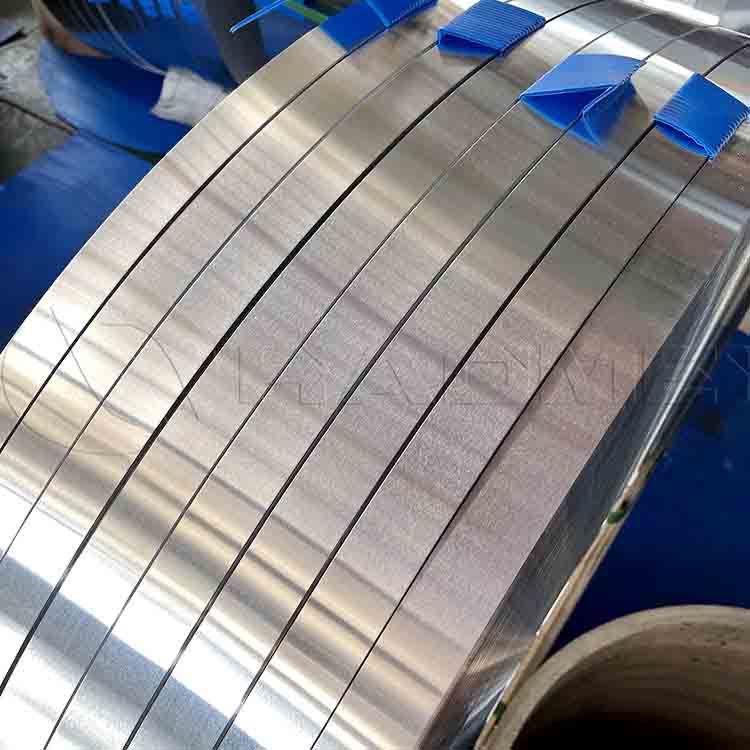
 Transformer aluminum strip is a commonly used conductive material in power transformers, which plays an important role in power transmission and distribution. In order to ensure that the transformer can operate normally and have good electrical conductivity, standards have been established for the thickness and width of the transformer aluminum strip.

aluminium strip 2mm.jpg

Thickness standard of transformer aluminum strip

The thickness standard of transformer aluminum strip plays an important role in ensuring the electrical conductivity and mechanical strength of the transformer. According to international standards, the thickness of transformer aluminum strips should meet the following requirements:

1. Standardized thickness: According to the power and current load of the transformer, as well as the requirements of the use environment, the thickness of the transformer aluminum strip should comply with the corresponding international standards. Normally, the thickness standards of transformer aluminum strips are generally 0.2mm, 0.3mm, 0.4mm, etc.

2. Thickness tolerance: In order to ensure the accuracy of the production and use of transformer aluminum strips, thickness tolerance is an important indicator. Generally speaking, international standards stipulate that the thickness tolerance of transformer aluminum strip is ±0.02mm to ensure its accuracy during production and use.

Width standard of aluminum strip for transformer

The width standard of the transformer aluminum strip is a key factor in ensuring the conductive performance and safe operation of the transformer. The following are key points regarding transformer aluminum strip width standards:

1. Standardized width: The width of the transformer aluminum strip should comply with the corresponding international standards. According to the power and current load of the transformer, as well as the design requirements, the width standards of transformer aluminum strips are generally 30mm, 50mm, 80mm, etc.

2. Width tolerance: In order to ensure the accuracy of production and use of transformer aluminum strips, width tolerance is an important consideration. Generally, international standards stipulate that the width tolerance of transformer aluminum strips is ±0.5mm to ensure accuracy during production and use.

The thickness and width standards of aluminum strips for transformer winding are formulated to ensure the normal operation and safe use of transformers. When selecting aluminum strips for transformers, we should choose a thickness and width that meet the standards based on actual needs. At the same time, during production and use, we should also strictly control the thickness and width tolerances of the transformer aluminum strip to ensure its accuracy and stability. Haomei Aluminum also provides aluminium foil for transformer winding.

During the production, use and maintenance of transformer aluminum strips, we also need to pay attention to the following points:

1. The thickness and width of the transformer aluminum strip should be checked regularly to ensure that it meets the standard requirements. If there is any abnormality, repair or replace it in time.

2. Pay attention to the storage and handling of transformer aluminum strips to avoid moisture and damage. During the transportation process, corresponding protective measures should be taken to ensure the integrity of the transformer aluminum strip.

3. It is necessary to strengthen the protection and maintenance of the transformer aluminum strip, regularly clean and apply protective coating to extend its service life.

In addition to the thin aluminum strips, we also have rich specifications of aluminium strips like aluminium strip 2mm. Welcome to leave message below to inquire what you need.

Original source: https://www.aluminumstrip24.com/news/aluminum-strip-for-transformer-winding.html

Mill Finish Aluminum Circle VS Color-Coated Aluminum Circle: Which Is Better for Cookware

  Aluminum circles are the core raw materials for manufacturing various cookware, including pots, pans, woks, and pressure cookers. Their su...