Aluminum Alloy Plates for Moss LNG Tank

 Non-renewable resources such as oil and natural gas will become more and more precious. The transportation method of natural gas mainly depends on the length of the transportation distance. Under normal circumstances, short-distance liquefied natural gas transportation of less than 1000 km is transported by pressurized pipelines, and Moss LNG tank ships are used for the transport of more than 3000 km.

The recently developed LNG carrier can increase the capacity by more than 4 to 10 times on the basis of traditional carriers. LNG carriers need to first load natural gas in liquid form obtained by liquefying natural gas at a temperature below minus 162 ℃ into the storage tank for transportation.

The most important thing to manufacture an LNG carrier is the choice of the raw material of LNG storage tanks and ships. There are some basic requirements:
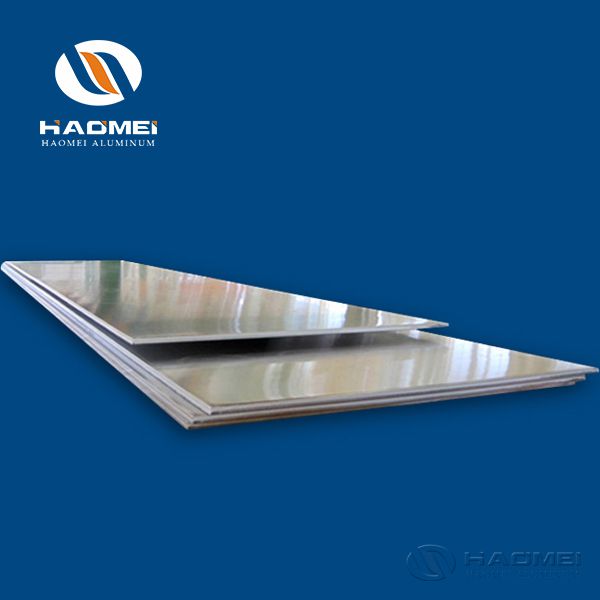
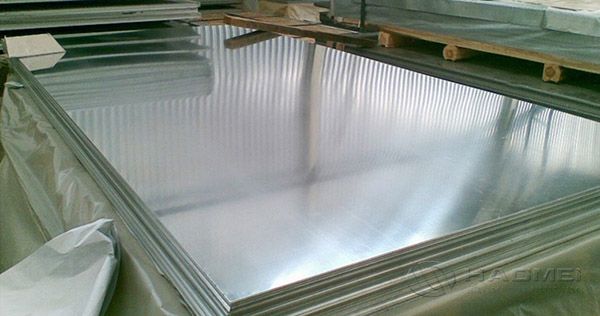
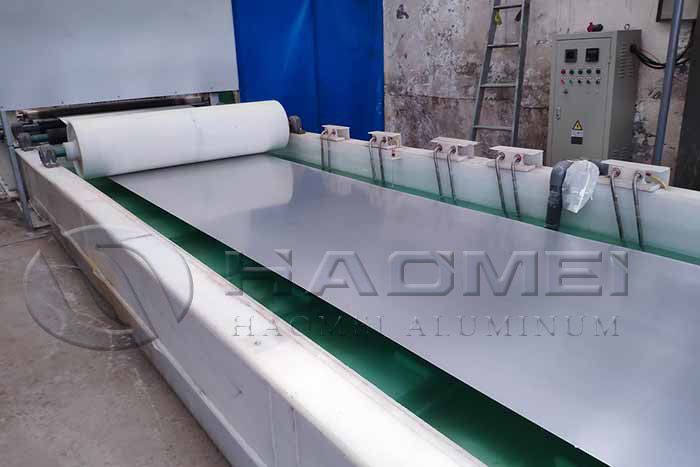
aluminum alloy plates for moss lng tank.jpg

1. In the working temperature range, the expansion coefficient of the cabin material should be small, and with temperature changes, the expansion coefficient changes little. The aluminium alloy plate for Moss LNG tank meets such requirements.

2. The raw material should have a certain low temperature impact toughness value (Cv), or low temperature plastic brittle turning point temperature. In actual use, the requirements for the Cv value are getting higher and higher.

3. It must have good adaptability to impact load and cyclic load, and be able to withstand impact and fatigue.

4. At low temperatures, it should have higher strength and good elongation plasticity.

5. In addition to the above requirements for materials, there are also special requirements for the formability and welding performance of the materials.

At present the materials that can be used for LNG storage tanks or transport ships are Ni36 Invar alloy, Ni9% steel, and aluminum alloys such as aluminum alloy 5083, 5183, and 5383. Ni36 Invar alloy and Ni9% steel have excellent performance, but they are not suitable for large-scale use due to their high price and high density. Aluminum alloy is the best material for manufacturing storage cabins of LNG shipsdue to its good low-temperature properties.

As for the the choice of the aluminum alloys, Haomei Aluminum, a big aluminium tanker plate manufacturer, has rich alloys for the LNG tank and LNG ship manufacturer to choose from.


Original Source:https://www.aluminumtankerplate.com/a/aluminum-alloy-plates-for-moss-lng-tank.html
The Marine Aluminum Plate for Ship Building

 The marine aluminium plate for ship building is mainly Al-Mg aluminum alloy, Al-Zn-Mg and Al-Mg-Si alloys. According to the positions used, they are divided into aluminum alloys for upper outfitting and aluminum alloys for hull structure. The upper outfitting includes includes masts, portholes, chimneys, wheelhouses, etc. The hull structure includes the bulkheads, decks, surface plates, keel, bottom plate,etc.

5083 luminum plate.jpg

The commonly used aluminum alloy for potholes of ships are 6063 aluminum alloy; 6063 and 6061 aluminum alloys are are often used for masts and gangways. The common marine grade aluminum sheets used in the hull structure is relatively high, of which 5454 and 5052 aluminum alloys are the main materials for making decks.

Application on LNG Cargo Ship

LNG cargo ships are the main ways of transporting natural gas for long distance. When designing LNG ship storage tanks, it is necessary to ensure that liquefied natural gas does not leak, ignite, and does not corrode the storage tank. Aluminum alloy is not only a low-temperature metal, but also has good strength and toughness, light weight and excellent corrosion resistance. 5083 luminum plate is often used for making LNG storage tank.

Application on Fishing Boat

There are many varieties of aluminum alloy fishing boats, suitable for different waters. It has a thick shell, which has super high strength and safety. Aluminum alloy boats are of light weight and obvious fuel saving effect.

The 5052-H32, 5052-H34, or 6061-T6 marine aluminum plate is used for small hulls that need no stretch forming. Where stretch forming is employed, 6061-T4 sheet, which may be subsequently artificially aged to the T6 temper, is utilized.

Haomei Aluminum has rich alloys of marine grade aluminum sheets for sale. Welcome to leave message below to inquire marine grade aluminium sheet price directly.

Original Source: 

The Application of Marine Grade Aluminium Sheet

 The marine grade aluminum sheet is mainly Al-Mg alloy, Al-Mg-Si alloy and Al-Zn-Mg alloy. According to the positions used, they are divided into aluminum alloys for upper outfitting and aluminum alloys for hull structure.

The upper outfitting includes masts, chimneys, wheelhouses,etc. The hull structure includes bottom plate, keel, deck,etc. The application rate of aluminum-magnesium alloys in the hull structure is relatively high, of which 5454 and 5052 aluminum sheets are the main aluminum plate for making decks.

marine grade aluminium sheet.jpg

Military Ships

The design of shipbuilding follows the concept of light-weight structure. It is widely believed that light-weight ship structures have great advantages in terms of ship speed control, operational precision, and production costs, which can minimize consumption and extend the mileage of ships. Marine grade aluminum alloys can well meet the lightweight requirements of ships.

LNG Cargo Ships

The natural gas transportation vehicles are mainly LNG cargo ships. When designing LNG ship storage tanks, it is necessary to ensure that liquefied natural gas does not leak, ignite, and does not corrode the storage tanks. Aluminum alloy is not only a low-temperature metal, but also has good strength, strong toughness, light weight and excellent corrosion resistance. So it also has high application value in LNG cargo ships.

Marine Wharf

Wharf is an important place for ships to dock. It needs to have high corrosion resistance, bearing capacity and strength, and marine grade aluminum for sale can perfectly meet these requirements. Therefore, the floating bridges, aisles, springboards, and floating docks in the marine wharf can be manufactured or welded with different types of aluminum alloys.


Original Source:https://www.marinealu.com/a/the-application-of-marine-grade-aluminium-sheet.html

Why Do We Choose Aluminum Plate for Tankers

 The aluminum plate for tankers hjhas been a very common choice. Th shape, structure and alloys of the tanker are usually determined according to the different materials to be transported, but the most important thing is that the material does not chemically react with the liquid and does not corrode aluminum.

With the same weight of the chassis, the weight of the aluminum plate for tank truck becomes the decisive factor affecting the overall weight of the vehicle. For this reason, as long as aluminum sheets have no effect on the quality of the transported materials, aluminum plates must be welded to reduce the quality of the vehicle, achieving the purpose of energy saving, emission reduction, consumption reduction and environmental protection.

5083 aluminium plate.jpg

The tanks used to transport aviation gasoline and jet kerosene must be welded with aluminum alloy, because even if stainless steel tanks are used, very small amounts of iron will enter the oil, which is not allowed.

The aluminum alloy load tanker has sufficient rigidity and strength. The baffle, bulkhead and tanker head all can use 5083 aluminum plate. The the wall thickness of the tanker head is equal to or greater than the tanker body plate, the thickness of the baffle and the bulkhead is 1mm thinner than the tanker body.

There are guardrails and walkways on the top of the tanker cylinder. The walkways are made of aluminum checker plate. The guardrails are made of aluminum tubes, and their height is not less than the maximum height of the tank top functional device.

As one of the big suppler of aluminum plate for fuel tanker, Haomei Aluminum has 5182, 5754, 5059, 5454 and 5083 aluminium plate. Welcome toe leave message below to inquire what you need.


Original Source:https://www.aluminumtankerplate.com/a/why-do-we-choose-aluminum-plate-for-tankers.html

The Main Property of 2 Inch Aluminum Strips

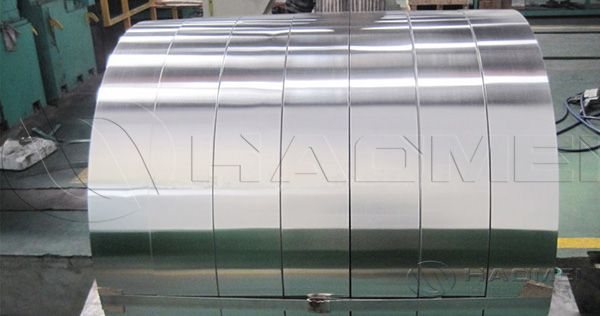
 The aluminum strip is got after being slit by the slitting machine. The aluminum strip width does not exceed 800 mm, which is widely used in hardware and electrical appliances, lamp manufacturing, transformers and other industries.

The 2 inch aluminum strip is a common specification, referring to the aluminum strip with a width of about 50 mm. Haomei aluminum strip is of small thickness tolerance and high width accuracy. The strict inspection of the surface quality of the aluminum strip and the burr on the edge of the aluminum strip can better guarantee the product quality.

2 inch aluminum strip.jpg

The elongation is a main property of aluminum strip 50mm. The elongation data can be got by the aluminum strip elongation testing machine. The aluminum strip elongation testing machine is mainly used to test the mechanical properties of aluminum alloy materials such as strength, modulus, yield, elongation.

Aluminum strip also has eight aluminum alloys series. The common ones are 1060, 1100, 1050, 3003 and 5052. Their elongations are very different. The 1xxx aluminum strip 50 mm is mainly used for the internal winding of dry-type transformer because of good elongation and electrical conductivity.

As a big aluminum strip supplier, Haomei Aluminum has advanced equipment to get any aluminum strip with. The aluminum strip 50mm price keeps increasing. Welcome to leave message below to get a best price.

Original Source: 

Aluminum Alloy Plates for Moss LNG Tank

 Non-renewable resources such as oil and natural gas will become more and more precious. The transportation method of natural gas mainly depends on the length of the transportation distance. Under normal circumstances, short-distance liquefied natural gas transportation of less than 1000 km is transported by pressurized pipelines, and Moss LNG tank ships are used for the transport of more than 3000 km.

The recently developed LNG carrier can increase the capacity by more than 4 to 10 times on the basis of traditional carriers. LNG carriers need to first load natural gas in liquid form obtained by liquefying natural gas at a temperature below minus 162 ℃ into the storage tank for transportation.

The most important thing to manufacture an LNG carrier is the choice of the raw material of LNG storage tanks and ships. There are some basic requirements:

aluminum alloy plates for moss lng tank.jpg

1. In the working temperature range, the expansion coefficient of the cabin material should be small, and with temperature changes, the expansion coefficient changes little. The aluminium alloy plate for Moss LNG tank meets such requirements.

2. The raw material should have a certain low temperature impact toughness value (Cv), or low temperature plastic brittle turning point temperature. In actual use, the requirements for the Cv value are getting higher and higher.

3. It must have good adaptability to impact load and cyclic load, and be able to withstand impact and fatigue.

4. At low temperatures, it should have higher strength and good elongation plasticity.

5. In addition to the above requirements for materials, there are also special requirements for the formability and welding performance of the materials.

At present the materials that can be used for LNG storage tanks or transport ships are Ni36 Invar alloy, Ni9% steel, and aluminum alloys such as aluminum alloy 5083, 5183, and 5383. Ni36 Invar alloy and Ni9% steel have excellent performance, but they are not suitable for large-scale use due to their high price and high density. Aluminum alloy is the best material for manufacturing storage cabins of LNG shipsdue to its good low-temperature properties.

As for the the choice of the aluminum alloys, Haomei Aluminum, a big aluminium tanker plate manufacturer, has rich alloys for the LNG tank and LNG ship manufacturer to choose from.


Original Source:https://www.aluminumtankerplate.com/a/aluminum-alloy-plates-for-moss-lng-tank.html
Why Choose Aluminum Plate for Tanker

Lightweight automobiles can greatly enhance economic efficiency, improve driving safety, reduce gasoline fuel consumption, and reduce greenhouse gas emissions. Therefore, lightweight automobiles are the development trend of the automobile industry worldwide.

In Europe and North America, the aluminum alloy is widely used in the automotive industry, especially heavy-duty and special vehicles. The market share of aluminum alloy tankers is very high. The commonly used aluminum plate for tanker are 5083, 5182 and 5454 aluminum alloys. Why do we like to choose aluminum tanker plates? There are five advantages:

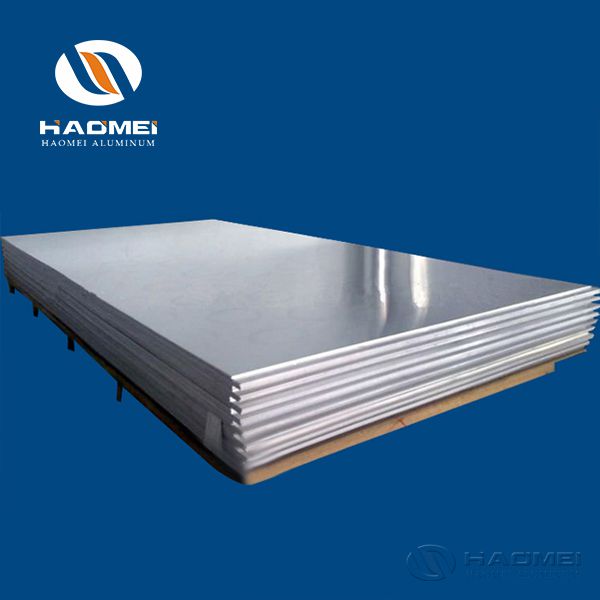
aluminum tanker plates.jpg

Light Weight

The density of aluminum is only 2.7 g/cm3, almost only 1/3 of the weight of steel. The application of aluminum alloy on the tanker greatly reduces its own weight.

Strong corrosion resistance

The aluminum plate has incomparable corrosion resistance than steel. With aluminum alloy tanks, various liquids or liquefied gases can be transported without any protective layer, which can better guarantee the oil quality.

Low fuel consumption

According to the relevant research report of the European Aluminum Association, for every 1T ton lighter, 0.6L of gasoline can be saved for every 10 km. If an oil tanker can reduce its own weight by 5 ton, it can can save at least 1800L of fuel per year based on 12000 km and half of the empty mileage. That’s why we use aluminum plate for tankers.

Good electrical conductivity and energy absorption performance

When the tanker collides, because the aluminum alloy has good electrical conductivity, little static electricity is collected on the tank body and there will be no sparks generated, thus preventing serious accidents such as explosion.

At the same time, aluminum alloy can well absorb the instantaneous energy generated by the tank body when it collides or rolls over, and will not cause the tank body to crack,which prevent the leak of oil.

In addition, with the light weight body, the center of gravity of the aluminum alloy tanker is also reduced accordingly, thereby reducing the possibility of the tanker overturning.

Easy process

The aluminum alloy 5083 is of good welding performance. MIG, TIG, resistance welding, FSW and other welding methods can all be used to weld aluminum alloys. At the same time, aluminum alloy can also be bent, stamped and deep drawn. Welcome to leave message below to get a best price.

Aluminum Circle, Strip, and Foil: Which Alloy Is Right for Your Application?

  Aluminum Circles for Cookware: 1050 vs. 1060 vs. 3003 Alloy In the cookware manufacturing industry, aluminum discs have become an ideal ma...