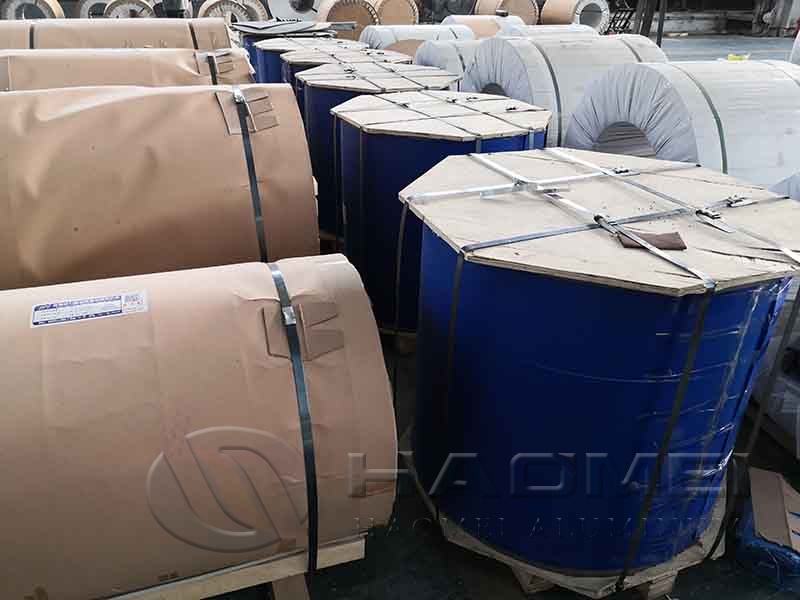
What Are Corrosion-resistant Stainless Steel Tubing for Offshore

 The marine environment in which offshore platforms operate is a natural "corrosion testing ground" for metallic materials. Its complex and harsh corrosive conditions manifest in several ways, directly necessitating pipeline materials with extremely high corrosion resistance:

Secondly, there are drastic fluctuations in temperature and pressure. Offshore platform pipelines must transport both low-temperature seawater and cooling media, as well as high-temperature, high-pressure oil, gas, and steam. Significant temperature changes cause the pipeline materials to expand and contract, leading to stress corrosion cracking. Simultaneously, the high-pressure environment during oil and gas transportation exacerbates the penetration of corrosive media into the pipeline, further reducing its service life.

Finally, there are significant maintenance challenges and high replacement costs. Offshore platforms are far from land, and pipelines are installed in confined spaces. Once a pipeline experiences corrosion and leakage, it can lead not only to safety accidents such as oil and gas leaks and environmental pollution, but also to increased maintenance costs and downtime losses. Therefore, extremely high requirements are placed on the durability and reliability of the pipelines.

Faced with the extreme corrosive environment of offshore platforms, stainless steel pipes have stood out as the mainstream material choice. The core reason lies in their comprehensive performance, which is unmatched by ordinary carbon steel and cast iron, specifically in the following four aspects:
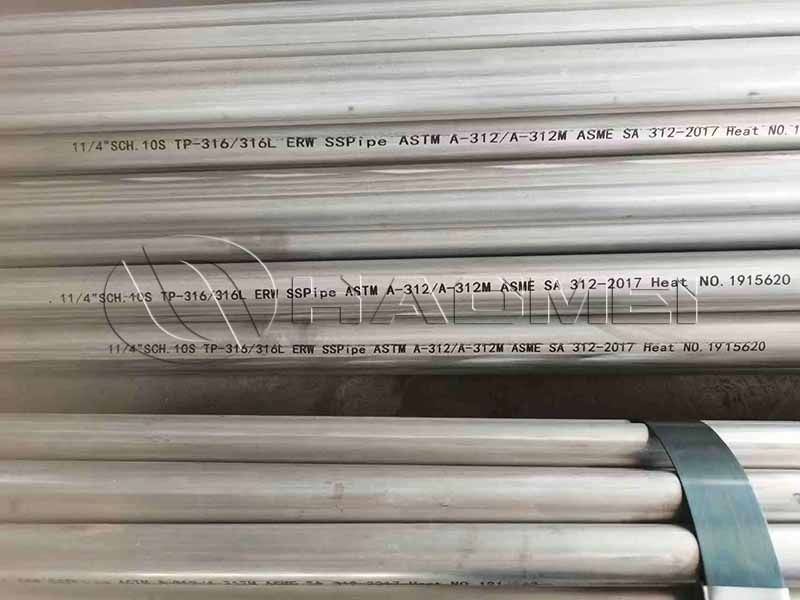
TP316l pipe.jpg

Firstly, strong corrosion resistance. Stainless steel pipes contain chromium, nickel, molybdenum and other alloying elements. Chromium forms a dense passivation film on the surface, which isolates corrosive media from the metal substrate and prevents oxidation and corrosion. Even if the film is slightly damaged, it can self-repair quickly in oxygenated environments, especially resisting pitting and crevice corrosion caused by chloride ions.

Secondly, excellent mechanical properties and temperature-pressure resistance. With high strength and good toughness, stainless steel pipes can adapt to the alternating high-pressure, high-temperature and low-temperature conditions of offshore platforms. They can withstand pressure impacts and thermal expansion/contraction stresses without easy deformation or cracking. Also, they have good high-temperature resistance for long-term oil and gas transportation, and won't suffer brittle fracture at low temperatures, meeting diverse transportation needs of offshore platforms.

Thirdly, clean, eco-friendly and low-maintenance. Their smooth surface resists scaling and microbial adhesion, ensuring media cleanliness, making them ideal for transporting oil, gas, drinking water and other high-purity media. With a service life of over 20 years (far longer than ordinary carbon steel pipes), they only need simple cleaning and inspection for routine maintenance, avoiding frequent replacements and greatly reducing maintenance costs and downtime losses of offshore platforms.

Fourthly, lightweight and easy to install. Compared with carbon steel pipes, stainless steel pipes have lower density and higher strength. Under the same pressure, they have thinner walls and lighter weight, reducing the load on offshore platforms and cutting construction structural costs. Besides, their mature welding and installation processes are suitable for the narrow working spaces of offshore platforms, improving construction efficiency and shortening the construction cycle.

Given the corrosive characteristics of offshore platforms, not all stainless steels can meet the requirements. TP316L and ASTM A790 UNS S31803 (2205 duplex stainless steel) are the two most widely used and best-suited alloys. Below, we introduce their characteristics and application scenarios on offshore platforms.

TP316l is a low-carbon version of 316 stainless steel, belonging to austenitic stainless steel. It is the most widely used basic corrosion-resistant stainless steel pipe material on offshore platforms. Its core advantages lie in its high cost-effectiveness and strong applicability, meeting the basic piping needs of most offshore platforms.

In terms of application scenarios, TP316L stainless steel pipes are mainly used in seawater cooling systems, domestic water pipelines, fire-fighting pipelines, and auxiliary pipelines for oil and gas transportation on offshore platforms. In these scenarios, the pipelines mainly come into contact with seawater, fresh water, and mildly acidic media, where the corrosion is relatively mild.

TP316L, with its stable corrosion resistance and good processing performance, can meet long-term service requirements. Furthermore, TP316L stainless steel pipes are easy to polish and clean, making them suitable for piping systems on platforms where media cleanliness is required.

ASTM A790 UNS S31803, also known as 2205 duplex stainless steel, is an austenitic-ferritic duplex stainless steel. Compared to TP316L, it offers superior corrosion resistance and mechanical properties, making it specifically designed for extreme corrosive environments such as offshore platforms and the preferred material for demanding conditions.

In terms of mechanical properties, 2205 duplex stainless steel is 1.5-2 times stronger than TP316L, with a yield strength exceeding 450 MPa. It can withstand higher pressure and stress, allowing for further reduction in pipe wall thickness under the same pressure conditions, enabling lightweight design and reducing platform load. Simultaneously, its excellent temperature resistance allows for long-term service within a temperature range of -50℃ to 300℃, meeting the diverse needs of high-temperature oil and gas transportation and low-temperature cooling media transportation on offshore platforms.

Original source: https://www.marinesteelpipe.com/a/what-are-corrosion-resistant-stainless-steel-tubing-for-offshore-platforms.html
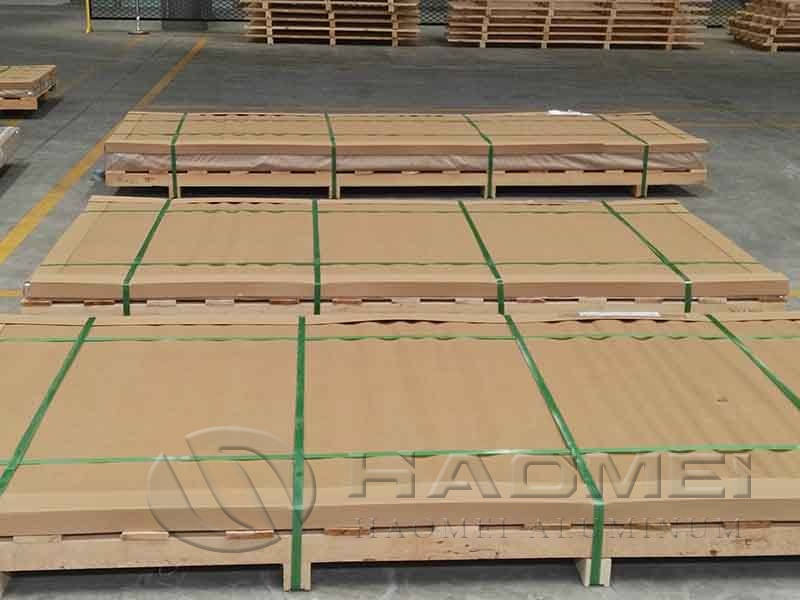
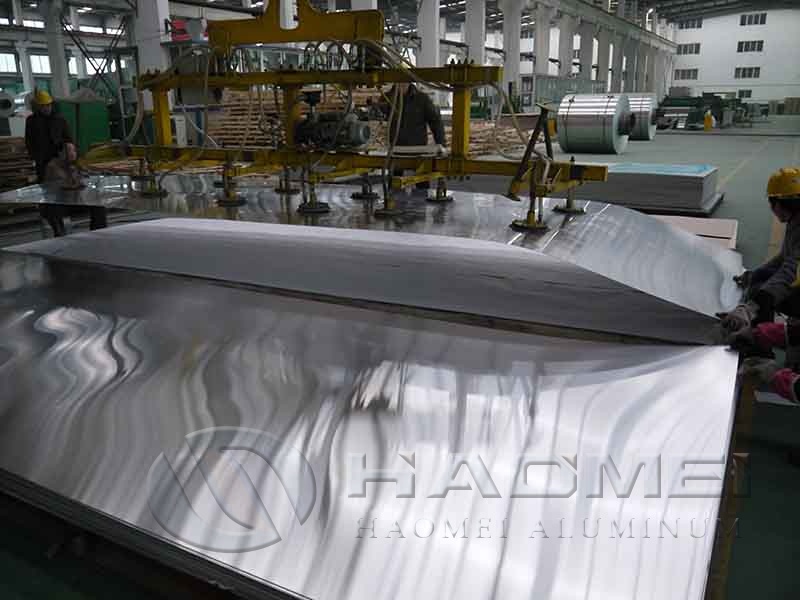
5182 Aluminum

 Potential purchasers often encounter 5182 aluminum when comparing high-formability 5xxx-series alloys for automotive panels, closures, packaging, and formed industrial parts. The questions below reflect recurring English-language search and Q&A wording seen in recent discussions, with practical answers focused on material selection and specification.

5083 aluminum plate for fuel tank

1. What is 5182 aluminum used for, and why is it popular for formed parts?

5182 aluminum is a magnesium-containing, non-heat-treatable alloy valued for a useful balance of strength, ductility, corrosion resistance, and forming response. Its manganese addition helps control grain structure and supports stable performance during stamping and shaping operations.

It is especially common where a part must be pressed into a detailed shape without excessive cracking, wrinkling, or uneven surface appearance. Automotive inner panels, body closures, reinforcement components, beverage-can ends, lids, and formed housings are typical applications. Compared with general-purpose 1xxx aluminum, 5182 offers much higher strength. Compared with some stronger 5xxx grades, it can provide more reliable shaping for complex geometries.

For product availability and standard specifications, Aluminum 5182 is commonly supplied as flat-rolled material in several tempers and thickness ranges. The most suitable condition depends on whether the part will be deeply drawn, stretched, bent, or used with minimal forming.

Property AreaWhy It Matters in 5182 Aluminum
Magnesium-based chemistryProvides solid-solution strengthening and good corrosion resistance.
Manganese additionSupports grain control and processing stability.
Non-heat-treatable alloy familyStrength is mainly adjusted through cold work and temper selection.
Strong formabilitySupports stamped, drawn, and shaped components.
Moderate-to-high strengthHelps reduce material gauge in suitable engineered designs.

2. Is 5182 aluminum stronger than 5052 or 5754 aluminum?

In many common tempers, 5182 aluminum can achieve higher strength than 5052 because it generally contains more magnesium. However, actual mechanical values depend on thickness, temper, production route, and applicable standard. Comparing alloy names alone is not enough for engineering approval.

5182 is often selected when a formed component needs more strength after processing than 5052 can provide. It also has a long record in automotive applications because the alloy responds well to paint-bake cycles and can gain useful strength during manufacturing. This behavior is often called bake hardening, although results vary with prior deformation and baking conditions.

5754 is another widely used 5xxx alloy with good corrosion resistance and practical formability. It may be preferred for general industrial fabrication, transportation panels, and applications where a balanced, broadly available alloy is sufficient. A comparison with Aluminum 5754 should include required elongation, bend radius, surface expectations, and final-service environment.

AlloyRelative Strength TendencyForming CharacterTypical Selection Reason
5052ModerateGoodGeneral fabricated parts and corrosion resistance.
5182Moderate to highVery good for complex stampingFormed automotive and closure applications.
5754ModerateGoodTransportation and general industrial components.
5454Moderate to highGoodElevated-temperature and tanker-related service.

A higher tensile value is not automatically preferable. If a component has tight draw radii or deep forming features, insufficient elongation can create splits. If the part is primarily flat and needs dent resistance, a harder temper may be more appropriate.

5454 aluminum sheet

3. Which temper of 5182 aluminum is best for stamping and deep drawing?

The correct temper depends on the forming severity. Softer tempers generally provide greater elongation and are easier to draw, while harder tempers offer higher initial strength but less forming latitude. Common selections can include O temper for extensive forming and H-temper variants where added strength is needed with moderate shaping.

For deep drawing, purchasers should not specify only "5182 aluminum." The inquiry should state the part geometry, starting gauge, blank dimensions, drawing depth, target bend radius, lubrication method, and whether the material will undergo paint baking. These details allow a producer to recommend a temper and surface condition that match the process.

A practical request can include the following information:

Specification ItemExample of Useful Detail
Alloy and standard5182, applicable ASTM, EN, JIS, or customer standard.
TemperO, H111, H19, or an approved automotive condition.
Thickness toleranceNominal gauge plus allowed variation.
Width or blank sizeSlit width, cut blank dimensions, or circle diameter.
Surface requirementMill finish, oiled surface, or controlled appearance.
Forming methodStamping, drawing, bending, spinning, or roll forming.

For highly visible painted panels, surface consistency is as important as tensile properties. Discuss surface cleanliness, oil level, waviness limits, and coil-to-coil consistency before approving production material.

4. Does 5182 aluminum resist corrosion, and can it be used outdoors?

Yes. Like other 5xxx-series alloys, 5182 aluminum develops a protective oxide film and has good resistance to many atmospheric and moisture-related environments. It can perform well in outdoor and transportation applications when the design prevents standing water, abrasive contamination, and aggressive chemical exposure.

However, corrosion performance should be assessed in the actual service environment. Continuous contact with highly alkaline cleaners, certain industrial chemicals, or dissimilar metals can accelerate damage. Galvanic corrosion is a particular concern when aluminum is directly coupled with stainless steel, copper-containing materials, or other more noble metals in the presence of an electrolyte.

For outdoor assemblies, use compatible fasteners, isolate unlike metals where appropriate, provide drainage paths, and select coatings or sealants based on the finished product's environment. If the application involves prolonged heat exposure, pressure transport, or chemical cargo, another alloy family or a more specialized 5xxx grade may be required.

5. What should I check before ordering 5182 aluminum for a production project?

Start with the finished-part requirement rather than only a target alloy name. Confirm mechanical-property ranges, thickness tolerance, flatness, surface condition, and temper. For stamped components, request test certificates showing tensile strength, yield strength, and elongation for the supplied lot.

It is also useful to confirm the direction of rolling relative to the intended forming operation. Some stamped parts are sensitive to earing, directional behavior, and springback. Trial blanks from the intended production material can identify these issues before full-volume processing.

Pre-Order CheckReason for Checking
Applicable standard and alloy designationAvoids confusion between similar regional designations.
Temper and mechanical rangeDetermines strength and forming allowance.
Thickness, width, and toleranceAffects tooling setup, yield, and fit-up.
Surface finish and oilingInfluences painting, lubrication, and appearance.
Certificate requirementsSupports traceability and incoming inspection.
Packaging methodReduces edge damage, moisture exposure, and handling marks.

For a component that will be formed and then painted, ask whether the selected 5182 condition is compatible with the planned bake cycle. This single detail can affect final strength, dimensional stability, and the consistency of the finished part.


Original Source:https://www.aluminumtankerplate.com/a/5182-aluminum.html

Aluminum Strip Thickness and Width Tolerance Guide

 In industries such as new energy, hardware stamping, packaging, electronics/appliances, and automotive parts, the dimensional tolerances of aluminum strips directly determine product forming accuracy, assembly fit, and yield rates. Poor tolerance control can easily lead to issues such as cracking during stamping, excessive joint gaps, equipment jams, and deviations in finished product dimensions.

aluminum strip manufacturers China.jpg

The aluminum strip manufacturers China have fully implemented standardized, precision-oriented production. Leveraging mature rolling processes and quality control systems, they offer tiered supply options—ranging from standard-grade to high-precision tolerances—balancing quality with cost-effectiveness.

Domestic Aluminum Strip Tolerances

Domestic aluminum strip tolerances are primarily categorized into two grades, which serve as the standard supply classifications for manufacturers:

- Standard-Grade Tolerance: Based on general industrial standards, this grade is suitable for applications requiring lower precision, such as general stamping, thermal insulation, decoration, and standard sheet metal work. It represents the most widely circulated and cost-effective specification on the market.

- High-Precision Tolerance: Based on high-precision custom standards with significantly tighter deviation ranges, this grade is suitable for demanding applications such as electronic components, precision stamping, new energy battery tabs, precision automotive parts, and medical device components. Production requires specialized machine calibration and batch-by-batch inspection.

Aluminum Strip Thickness Tolerances

- Thickness 0.20–1.20 mm: standard-grade tolerance is ±0.04 to ±0.10 mm; high-precision tolerance can be tightened to within ±0.03 mm. These ultra-thin strips offer excellent flatness and thickness uniformity, making them suitable for producing electronic foils and precision gaskets.

- Thickness 1.20–3.00 mm: Standard-grade tolerance is ±0.10 to ±0.15 mm; high-precision tolerance is ±0.05 to ±0.09 mm. Widely used in hardware stamping, kitchenware accessories, and lighting components.

- Thickness 3.00–7.00 mm: Standard-grade tolerance is ±0.15 to ±0.32 mm; high-precision tolerance is significantly tighter, offering the stability required for industrial structural components and mold accessories.

Aluminum Strip Width Tolerances

1. Cold-rolled slit aluminum strips (mainstream industrial use)

For standard slit aluminum strips with widths ≤1250mm, width tolerances are controlled at ±0.5 to ±1.0mm (standard grade), meeting requirements for general automated feeding and continuous stamping.

High-precision custom strips feature tolerances tightened to ±0.1 to ±0.3mm; they are burr-free and uniform in width, making them suitable for high-speed precision stamping lines.

2. Hot-rolled wide aluminum strips

For wide hot-rolled aluminum strips exceeding 1250mm in width, there are no specific national standard grade requirements; standard tolerances range from ±1.0 to ±2.0mm. These are primarily used for large-scale equipment cladding, industrial facility insulation, and large sheet metal fabrication, where width precision requirements are less stringent.

Henan Province is a major hub for the aluminum strip industry, offering high consistency in slitting precision. It supports small-batch, multi-specification customization of high-precision widths, with delivery efficiency far surpassing that of overseas manufacturers.

International Market Tolerance Grades and Export Pricing

- ISO Standard (General Grade) (for Southeast Asia & Middle East): 1060/3003 standard aluminum strips; wholesale price aluminum strip is priced 3–5% higher than domestic standard grades, offering a cost-performance ratio far superior to local production capacity.

- EN Standard (Precision Grade) (for European Market): Meets strict European tolerance standards; requires high-precision domestic base materials and precision slitting processes; priced 8–12% higher.

- ASTM Standard (Stable Grade) (for North American Market): Features strict control over batch-to-batch tolerance fluctuations and comprehensive dimensional inspection; priced 10–15% higher, offering significant advantages for high-end alloy aluminum strip exports.

A Guide to Avoiding Pitfalls in International Trade Procurement

1. For export orders, always lock in acceptance criteria in advance and clearly specify the corresponding ISO, EN, or ASTM grades to prevent returns caused by discrepancies between national standards and international standards.

2. For high-end orders destined for Europe or the US, the use of standard domestic-grade aluminum coil is prohibited; manufacturers must supply batches produced to international precision specifications that meet requirements for unidirectional tolerances and full-dimensional inspection.

3. At the time of contracting, require the manufacturer to provide tolerance inspection reports in both Chinese and English that list parameters aligned with international standards, ensuring a smooth overseas inspection process.

4. For orders targeting emerging markets, products aligned with general ISO grades may be selected to balance quality and cost, thereby maximizing the competitiveness of your export quotations.

Original source: https://www.hm-alu.com/a/aluminum-strip-thickness-and-width-tolerance-guide.html

Círculo de Aluminio: Preguntas para Cocina y Embutición

 Las consultas sobre el círculo de aluminio se han repetido con frecuencia en buscadores, foros de fabricación y comunidades de cocina durante los últimos meses. Quienes inician un proyecto de utensilios, luminarias, tapas o piezas estampadas suelen dudar entre aleaciones, espesores y condiciones de entrega. Estas son cinco preguntas recurrentes, con respuestas prácticas para evaluar un material antes de solicitar una cotización.

Círculo de aluminio para utensilios

1. ¿Qué aleación de círculo de aluminio conviene para fabricar sartenes y ollas?

Para utensilios de cocina estampados, las aleaciones 1050, 1060, 1070 y 1100 son opciones habituales porque presentan alta pureza, buena conductividad térmica y excelente capacidad de deformación. Entre ellas, la 1050 suele ser una elección equilibrada cuando se busca una superficie uniforme y buena respuesta durante el conformado.

Un 1050 círculo de aluminio puede resultar adecuado para recipientes de uso doméstico, tapas y componentes que requieren embutición moderada. Para formas más profundas, conviene confirmar que el material se suministre con un temple blando, normalmente O, y con lubricación compatible con el proceso.

La aleación 3003 se considera cuando se necesita mayor resistencia mecánica que en las series de aluminio puro. Sin embargo, ofrece menor ductilidad, por lo que no siempre es la primera opción para piezas muy profundas o con paredes altas.

AplicaciónAleación habitualCaracterística principal
Sartenes y cacerolas embutidas1050, 1060, 1070, 1100Alta deformabilidad
Tapas y recipientes poco profundos1050, 3003Buena rigidez y acabado
Pantallas de iluminación1050, 1060Superficie uniforme para anodizado
Bandejas y piezas estampadas1050, 3003Equilibrio entre forma y resistencia

2. ¿Qué espesor debería pedir para un círculo de aluminio de cocina?

El espesor depende del diámetro final, de la profundidad de embutición y del comportamiento térmico esperado. Para utensilios ligeros, son frecuentes los espesores entre 0,8 mm y 1,5 mm. En piezas que deben conservar mejor el calor o resistir deformaciones por uso intensivo, pueden utilizarse espesores de 2,0 mm a 4,0 mm o superiores.

No es recomendable definir el espesor únicamente por el precio inicial. Un disco demasiado delgado puede arrugarse durante el estampado, deformarse al calentarse o presentar una base irregular. Por otra parte, un espesor excesivo eleva el esfuerzo de la prensa y puede exigir herramientas más robustas.

Antes de realizar un pedido, conviene indicar el diámetro del disco, el diámetro y altura de la pieza terminada, el número de operaciones de embutición y el tipo de revestimiento previsto. Estos datos permiten seleccionar una tolerancia de espesor razonable y reducir pérdidas de producción.

Discos de aluminio en inventario

3. ¿Cuál es la diferencia entre temple O y H para círculos de aluminio?

El temple describe el estado mecánico del aluminio. El temple O corresponde a material recocido o blando. Su ventaja es que admite mejor el estiramiento y la deformación sin fisuras, por lo que se utiliza ampliamente en embutición profunda.

Los temples H, como H12, H14 o H24, indican distintos niveles de endurecimiento por trabajo mecánico. Estos materiales tienen más dureza y resistencia, pero menor capacidad de estiramiento. Pueden funcionar bien para estampados sencillos, tapas, reflectores o piezas poco profundas, aunque no son la alternativa más segura para una olla alta con paredes pronunciadas.

TempleDureza relativaUso recomendado
OBajaEmbutición profunda, utensilios altos
H12Media-bajaEstampado suave y piezas redondas simples
H14MediaTapas, reflectores y componentes rígidos
H24MediaPiezas con exigencia de forma y estabilidad

Si el proyecto combina embutición y repujado, es importante solicitar una muestra del mismo lote o una ficha técnica con valores de elongación. La elongación ayuda a anticipar si el material soportará la deformación antes de que aparezcan grietas cerca del borde o del radio de transición.

4. ¿Por qué aparecen grietas o arrugas al embutir un círculo de aluminio?

Las grietas suelen estar relacionadas con una combinación de material demasiado duro, radio de herramienta insuficiente, lubricación deficiente o una reducción excesiva en una sola operación. También pueden aparecer cuando el disco presenta variación de espesor, bordes con rebabas o una orientación desfavorable de la estructura del metal.

Las arrugas, en cambio, suelen indicar una presión inadecuada del pisador, un disco sobredimensionado o una distribución irregular del flujo de material. No siempre significa que el aluminio sea defectuoso. Ajustar la presión de sujeción y verificar el diámetro inicial puede resolver el problema sin cambiar de aleación.

Para aplicaciones exigentes, un círculo de aluminio de embutición profunda para utensilios de cocina debe evaluarse junto con la geometría del molde. Solicitar bordes desbarbados, buena planitud y control de tolerancias ayuda a reducir paradas durante el estampado.

5. ¿Qué acabado superficial necesito si el círculo de aluminio se anodizará o pintará?

El acabado debe definirse según el uso final. Para anodizado decorativo, se busca una superficie limpia, homogénea y libre de marcas profundas de laminación, rayas o manchas de aceite. Para pintura antiadherente en utensilios, la limpieza y la estabilidad superficial son especialmente importantes, ya que pueden influir en la adherencia del recubrimiento.

En proyectos donde la apariencia es prioritaria, conviene especificar el lado visible, el nivel de brillo deseado y los defectos superficiales no aceptables. También es útil aclarar si se aplicará pulido, anodizado, pintura, recubrimiento cerámico o impresión.

Al solicitar círculos de aluminio, incluya estos requisitos para comparar propuestas de forma precisa:

  • Aleación y temple requeridos.
  • Diámetro, espesor y tolerancias permitidas.
  • Aplicación final y profundidad de embutición.
  • Requisitos de planitud, borde y acabado superficial.
  • Cantidad por lote y condiciones de embalaje.
  • Necesidad de muestras para pruebas de estampado y recubrimiento.

Círculo de aluminio grande para fabricación

Original source: https://www.placadealuminio.es/a/aluminum-circle-sheet.html

Aluminum Foil for Sealing and Lid Stock

 In the packaging industry, aluminum foil, with its excellent barrier properties, ductility, and sealing properties, has become a core material for container sealing and lid manufacturing. Different grades of aluminum foil, due to differences in composition and performance, are suitable for different container applications.

aluminum foil jumbo roll.jpg

I. 1050 and 1100 Pure Aluminum Foil

Both 1050 and 1100 aluminum foil belong to the 1-series pure aluminum foil, with aluminum contents of no less than 99.5% and 99.0% respectively, making them high-purity aluminum foil products. Their compositions are similar, and their performance differences are minimal. In sealing and lid applications, they are often grouped together, emphasizing their core advantages of being "economical, practical, and easy to process," suitable for conventional container applications with moderate performance requirements and strict cost control.

1. General Beverage Containers: Commonly used for simple sealing caps and aluminum foil for plastic and glass bottles containing juice, purified water, etc. The core requirements for these containers are preventing leakage and short-term preservation. 1050 and 1100 aluminum foil provide sufficient basic sealing performance and are cost-effective, making them suitable for mass production.

2. General Food Containers: Suitable for sealing gaskets and lids on plastic jars and cardboard boxes containing biscuits, candies, snacks, and other leisure foods. These foods are not easily spoiled and have lower requirements for moisture and oxidation prevention. 1050 and 1100 aluminum foil effectively block external dust and slight moisture. They are also easy to stamp and form into various sizes of round and square sealing gaskets to fit different container diameters.

3. Daily Necessities and Small Industrial Containers: Used for sealing caps of daily chemical products such as laundry detergent, dishwashing liquid, and shampoo, as well as sealing aluminum foil for small industrial reagent bottles (non-corrosive reagents). The core sealing principle of these containers is to prevent liquid leakage. 1050 and 1100 aluminum foil offer good flexibility, allowing for a tight fit to the bottle opening. Their resistance to common acids and alkalis meets the storage requirements of daily chemical products, while also providing high cost-effectiveness, aligning with the cost positioning of these products.

4. Low-end condiment containers: Suitable for sealing plastic bottles of common condiments such as soy sauce, vinegar, and salt with aluminum foil and simple caps. These condiments themselves have some corrosion resistance, so the corrosion resistance of the aluminum foil is not critical. The sealing performance of 1050 and 1100 aluminum foil effectively prevents condiment evaporation, and its low processing difficulty reduces packaging costs.

II. Key Differences Between 1050, 1100, and 8011 Aluminum Foil

Many people easily confuse 1050, 1100, and 8011 aluminum foils when choosing for sealing and lids. In fact, there are significant differences between the two in terms of composition, performance, and application scenarios. A detailed comparison is as follows:

1. Composition Differences: Pure Aluminum vs. Alloy Aluminum

1050 and 1100 aluminum foils are pure aluminum foils. 1050 Al foil has an aluminum content of ≥99.5%, and 1100 has an aluminum content of ≥99.0%, containing almost no other alloying elements, resulting in a pure texture. 8011 aluminum foil, on the other hand, is an alloy aluminum foil. In addition to aluminum, it contains iron, silicon, and other alloying elements. The addition of these alloying components comprehensively improves its performance, which is the most crucial difference between the two.

2. Performance Differences: Practicality vs. High-End Focus

In terms of strength, 1050 and 1100 pure aluminum foil are soft and have lower strength, making them prone to deformation during processing and exhibiting poor resistance to breakage. They are unsuitable for caps requiring frequent opening and high strength. 8011 alloy aluminum foil, on the other hand, has higher strength, better resistance to breakage, and is less prone to deformation after stamping, making it suitable for caps with complex structures and seals requiring long-term use.

Regarding corrosion and heat resistance, 1050 and 1100 pure aluminum foil have moderate corrosion resistance, only able to withstand slight corrosion in ordinary environments. They also have poor heat resistance, easily softening at high temperatures, affecting sealing performance. 8011 aluminum foil offers superior corrosion and heat resistance, adapting to complex environments such as humidity and acids/alkalis. It is also less prone to softening at high temperatures, exhibiting more stable heat-sealing performance, making it suitable for product packaging requiring high-temperature sterilization and long-term storage.

In terms of barrier properties, 1050 and 1100 pure aluminum foil possess basic moisture-proof and oxygen-barrier properties, but the effect is generally limited, only meeting short-term preservation needs. 8011 aluminum foil offers stronger barrier properties, effectively blocking air, moisture, and light, extending product shelf life, and is suitable for products with high preservation requirements, such as food and pharmaceuticals.

3. Differences in Cost and Application Positioning: Economical and General-Purpose vs. High-End Specialized

1050 and 1100 aluminum foil, due to their simple composition and mature production process, have lower costs and are marketed as "economical and practical." They are suitable for conventional containers with low performance requirements and a focus on cost-effectiveness, such as ordinary beverages, snack foods, and low-end daily chemical products.

8011 alloy aluminum foil, due to the addition of alloying elements and a more complex production process, has slightly higher costs and is marketed as "high-end specialized." It is suitable for high-end food, pharmaceuticals, and alcoholic beverages with higher requirements for sealing, preservation, and safety, making it the preferred material for high-end packaging.

Original Source: 

Aluminum Sheet for PP ROPP Caps

 Holiday beverage promotions, gift packs, and limited-edition spirits create a predictable pressure point for closure converters: cap-shell production must remain stable while decoration schedules, carrier capacity, and plant holidays compress lead times.

For operations sourcing Aluminum Sheet for PP ROPP Caps, the primary holiday risk is not simply material availability. It is inconsistent forming performance that causes splits, wrinkling, poor curl quality, or printing defects after production has already been scheduled. A well-defined closure-stock specification helps protect output when Q4 demand rises.

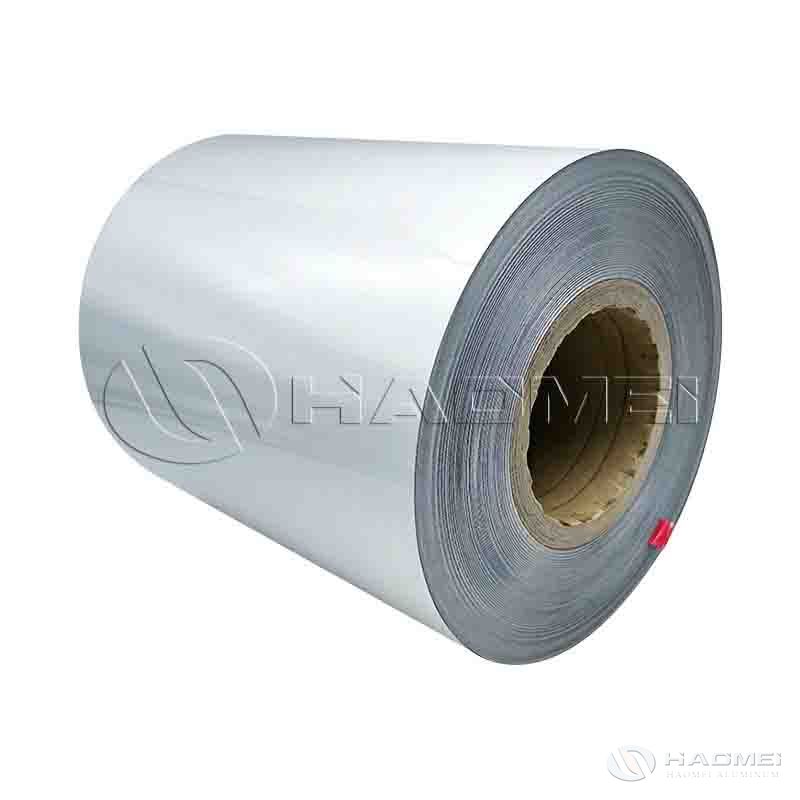
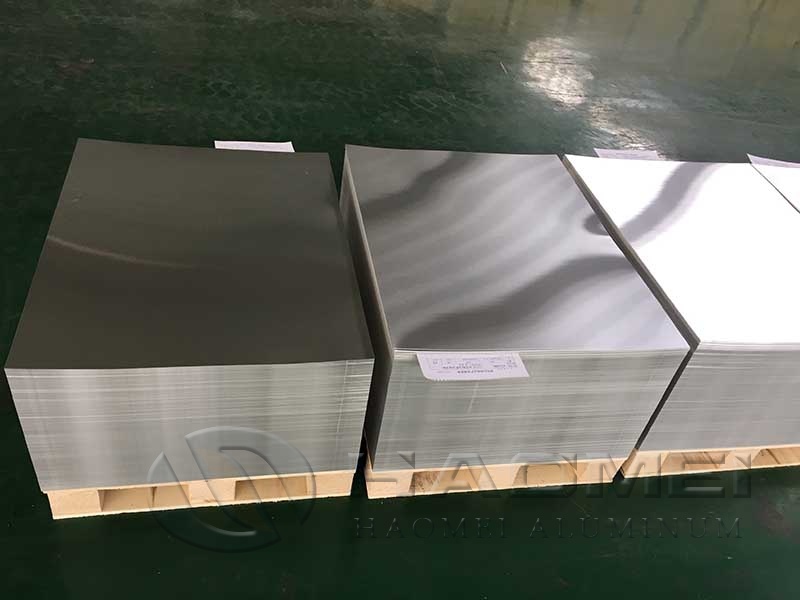
aluminum plain sheet for bottle cap

The term PP ROPP may be used differently across supply chains. Confirm whether PP refers to a polypropylene liner, a coating requirement, or an internal product designation. ROPP means roll-on pilfer-proof, a closure formed and threaded on the bottle during capping. The aluminum substrate, surface treatment, coatings, and cap-converter tooling must therefore be reviewed as one system.

Make Formability the Holiday Production Priority

ROPP cap stock is commonly slit from coil into widths suited to cap-shell presses. During high-volume seasonal production, small variations in mechanical properties or surface condition can interrupt feeding, deep drawing, knurling, curling, and printing. The practical objective is repeatable conversion behavior from the first coil to the final scheduled run.

Do not order only by thickness and width. Request a documented specification covering the material state needed by the converter's tooling. Alloy and temper must be agreed with the cap manufacturer, because each shell diameter, draw depth, and forming sequence creates different demands.

Production concernWhat to define in the purchase specificationHoliday impact if omitted
Deep drawing and curlingAlloy, temper, thickness tolerance, mechanical-property targetsCracking, wrinkling, curl defects, and lost press time
Coil processingWidth, edge condition, coil ID, maximum coil weight, winding directionFeeding issues or unplanned setup changes
DecorationCoating type, color standard, printability, protective varnish requirementsRework or missed limited-edition launch dates
Closure functionCap dimensions, liner compatibility, intended bottle finishFit and seal validation may be delayed
TraceabilityCoil number, certificate format, inspection records, retained samplesFaster containment if a conversion issue appears

A sample trial remains the most direct control. Use the same press, tooling, inks, varnishes, liner system, and capping conditions planned for the seasonal run. Record scrap rate, draw quality, curl appearance, coating adhesion, and print results. A laboratory sample cannot fully replace a line trial when closure geometry is demanding.

For uncoated material programs, Plain Aluminum can be evaluated where the converter applies its own coating and decoration system. This can offer process control, but only if coating capacity and curing time are protected before holiday shutdowns.

Build a Q4 Supply Plan Around Conversion, Not Just Arrival

In 2026, U.S. Thanksgiving falls on November 26, Black Friday on November 27, and Christmas Day on December 25. These dates affect not only customer demand but also carrier schedules, warehouse staffing, printing windows, and factory closures. Seasonal gift programs may require finished closures well before retail holidays.

Use backward scheduling from the date the capped product must be packed, rather than from the date metal is expected at the converter.

  1. Set the finished-cap need date by SKU, including promotional colors and printed variants.
  2. Reserve press time, coating time, printing time, curing time, lining, inspection, and packing capacity.
  3. Allow time for incoming inspection and first-coil approval before releasing the full conversion schedule.
  4. Confirm material dispatch date, transit method, customs requirements where applicable, and receiving-hour restrictions.
  5. Identify the final date for artwork approval and color-standard signoff.
  6. Hold an agreed contingency quantity for coils most difficult to replace, such as custom-painted or printed material.

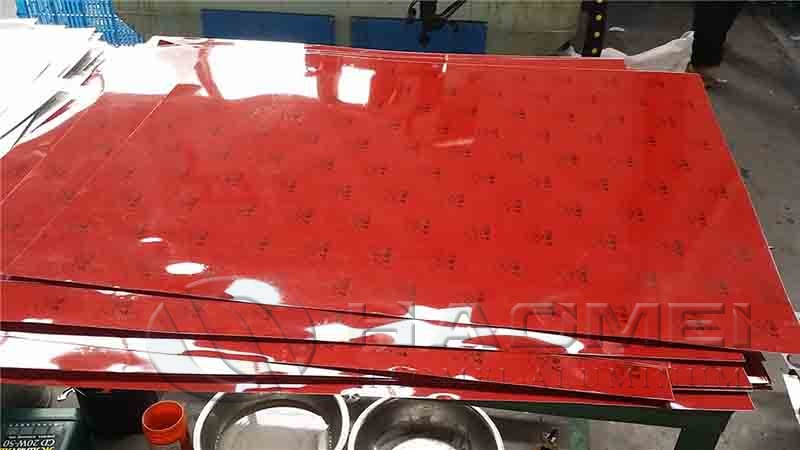
printed aluminum closure sheet

The most reliable holiday solution is a staged release plan. Approve a production trial first, then release the main run after the converter verifies formability. For branded seasonal closures, separate the plain-stock approval from artwork approval so that a graphics delay does not conceal a metal-performance issue.

Ask suppliers to state what they can document, rather than accepting broad claims such as food-grade or compliant. For coated aluminum intended for food-contact closure applications, the applicable compliance route depends on the full article and market. In the United States, resinous and polymeric coatings are addressed under FDA 21 CFR 175.300 when applicable. In the European Union, Framework Regulation (EC) No 1935/2004 establishes general requirements for food-contact materials. These references do not automatically approve a specific cap; coating formulation, intended use, migration assessment, and the finished closure system require appropriate verification.

Release Checklist for PP ROPP Closure Stock

Before issuing the purchase order, align the following items in writing with the mill, coating provider, converter, and brand owner.

  • Confirm what PP means in the closure specification and identify the liner or coating interface.
  • State alloy, temper, nominal thickness, tolerances, strip width, coil dimensions, and edge requirements.
  • Define coating construction: base coat, color, varnish, lubricant, print surface, and target appearance.
  • Provide an approved color reference or controlled physical standard for seasonal branded caps.
  • Specify required inspection documents, including coil traceability and certificate data.
  • Complete press-forming and decoration trials using production-intent tooling.
  • Obtain food-contact declarations relevant to the destination market and intended use.
  • Confirm packing protection against moisture, abrasion, and edge damage during transport and storage.
  • Set delivery appointments before holiday receiving restrictions begin.
  • Establish a written process for handling nonconforming coils without delaying the scheduled cap run.

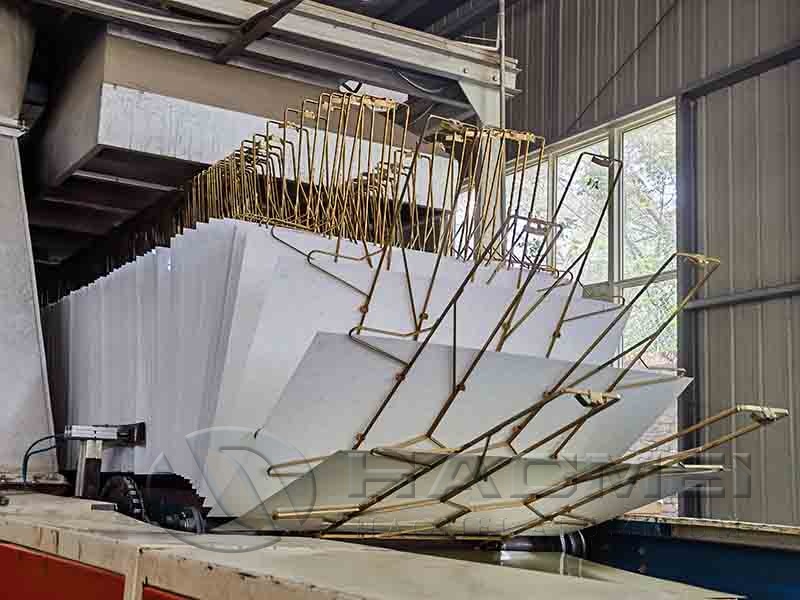
white aluminum closure sheet

A holiday closure program succeeds when the metal is specified for the actual forming process, qualified on production equipment, and released early enough to absorb transport or decoration variance. Treat each coil as part of the finished-package schedule, not as a standalone commodity input.

Original Source: https://www.alclosuresheet.com/a/aluminum-sheet-for-pp-ropp-caps.html

Aluminium Strip for Cables Armoring

  Cable factories facing Christmas and New Year shutdowns have little tolerance for material delays or coil defects. An armor-strip issue di...