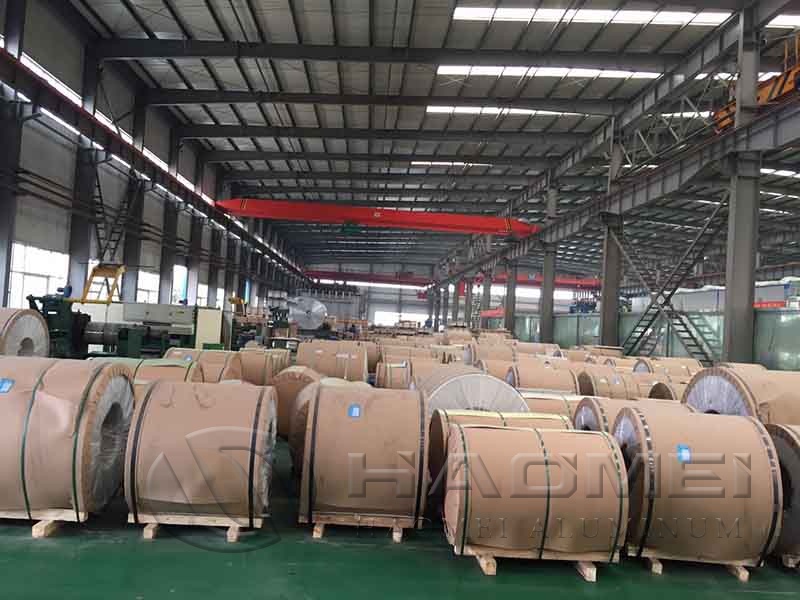
1100 aluminum alloy is a commercially pure aluminum grade used when formability, corrosion resistance, thermal transfer, and clean surface appearance matter more than high mechanical strength. For industrial purchasing teams ordering slit stock, wide coils, blanks, fins, cookware material, reflectors, nameplates, or chemical equipment parts, the largest sourcing risk is usually not chemistry. It is temper selection.
A wrong temper can cause cracking during deep drawing, poor dent resistance after assembly, or unstable flatness after slitting. The following checks help specify 1100 coil clearly and reduce disputes at receiving inspection.
Standards and material identity
1100 is a non-heat-treatable aluminum alloy strengthened mainly by cold working. It is not equivalent to 3003 or 5052; it has much higher purity but lower strength.
| Item | Common reference | What to verify on the mill certificate |
|---|---|---|
| Chemical composition | Aluminum Association registration, ASTM B209/B209M, EN 573-3 | Al minimum 99.00%; Cu generally 0.05-0.20%; controlled Si + Fe and trace elements |
| Mechanical properties | ASTM B209/B209M, EN 485-2 | Temper, tensile strength, yield strength, elongation, test direction |
| Dimensional tolerance | ASTM B209/B209M, EN 485-4 | Thickness, width, camber, edge condition, burr level |
| Tensile testing | ASTM E8/E8M or ISO 6892-1 | Specimen type, gauge length, result per coil or heat lot |
| Bend testing | ASTM E290, ISO 7438 | Bend radius, crack acceptance, test direction |
For products supplied as Aluminum Coil, the purchase order should state the alloy, temper, thickness, width, coil ID, maximum OD, unit weight range, edge type, surface requirement, and applicable standard. Do not rely on alloy name alone.
Properties that affect processing
Typical physical data for 1100 aluminum are well established in aluminum handbooks and mill datasheets. Values can vary slightly with temper and measurement method.
| Property | Typical value | Practical meaning |
|---|---|---|
| Density | About 2.71 g/cm3 | Useful for coil weight calculation |
| Aluminum content | Minimum 99.00% | Good corrosion resistance and workability |
| Electrical conductivity | About 59% IACS, depending on temper | Suitable for conductive parts when ultra-high conductivity is not required |
| Thermal conductivity | About 220 W/m·K | Useful for heat transfer panels, fins, and cookware |
| Heat treatment response | Not heat treatable | Strength changes mainly through cold work, not aging |
| Weldability | Good with common aluminum welding methods | Surface cleanliness still controls weld quality |
Approximate mechanical ranges often seen for 1100 flat-rolled products are shown below. Always use the contracted standard and thickness range for acceptance.
| Temper | Typical tensile strength | Typical yield strength | Forming behavior | Common use |
|---|---|---|---|---|
| O | 75-110 MPa | 25-35 MPa | Best deep drawing and spinning | Cookware, reflectors, complex formed parts |
| H12 | 95-130 MPa | Around 75 MPa | Moderate formability | Light forming, panels |
| H14 | 110-145 MPa | Around 95 MPa | Balanced forming and stiffness | Nameplates, general fabrication |
| H18 | 150 MPa or higher | High for 1100 | Limited forming | Flat parts needing higher hardness |
Temper selection: solve the main purchasing problem
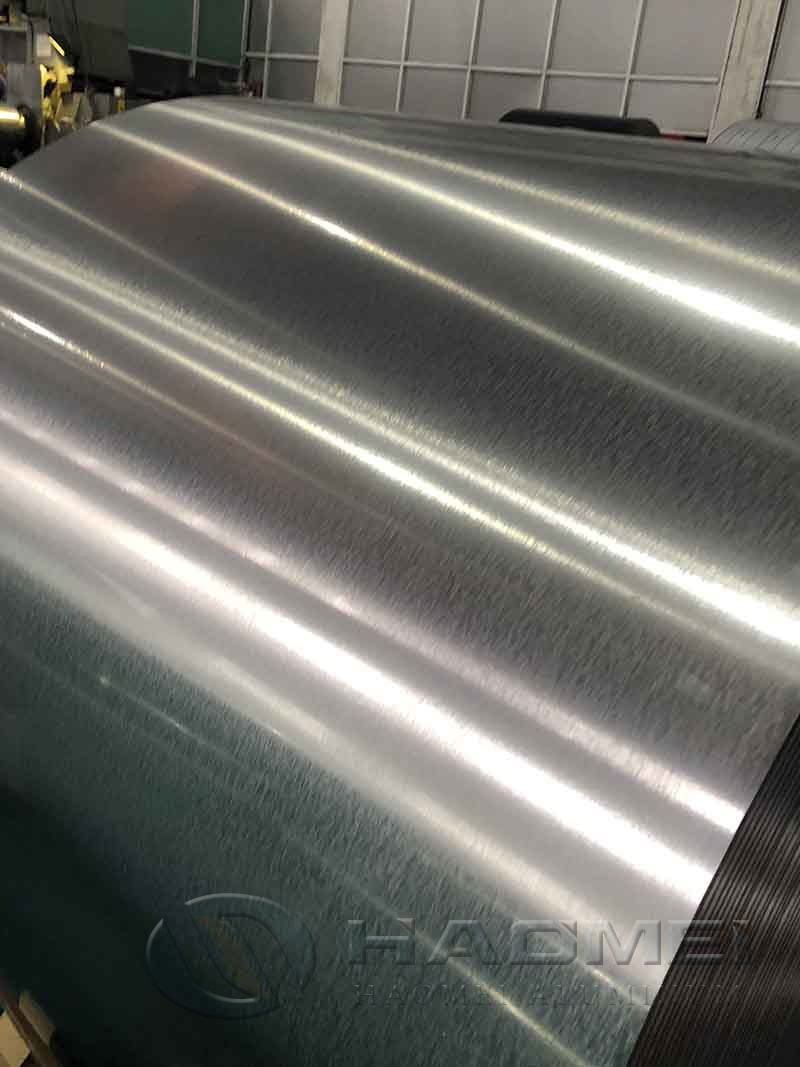
If the part is drawn, spun, embossed, or folded tightly, start from O temper. If the part must remain flatter and resist handling dents, evaluate H14. If the product will only be cut and assembled with minimal forming, H18 may be considered, but cracking risk increases sharply.
Use this decision table before placing an order.
| Application need | Recommended starting temper | Risk if temper is too hard | Risk if temper is too soft |
|---|---|---|---|
| Deep drawing, spinning, cookware | O | Edge cracking, orange peel after forming | Low stiffness after forming |
| Sign blanks, nameplates, light stamping | H14 | Cracking at sharp corners | Denting, poor handling resistance |
| Heat exchanger fins | O or H14, depending on fin design | Fin tearing during corrugation | Fin collapse during assembly |
| Decorative anodized parts | O or H14 with agreed surface class | Cracks visible after anodizing | Handling marks before anodizing |
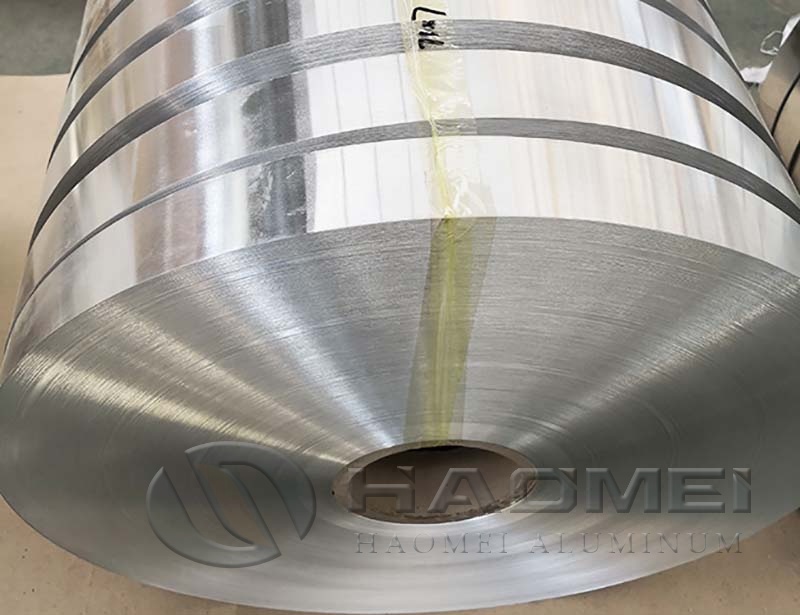
| Slit narrow stock | H14 commonly used | Burr sensitivity and coil set | Telescoping, edge wave risk |
For comparison projects, 1050 and 1060 offer higher aluminum purity than 1100, while 3003 provides higher strength through manganese addition. When the specification allows substitution, compare forming trials, conductivity requirements, and corrosion environment rather than selecting only by price. The O H14 H24 1060 Aluminum Coil option is often reviewed when higher purity and similar workability are required.
Quality checks before shipment and after receiving
A strong order specification should be measurable. Use the following inspection checklist.
| Checkpoint | Method | Acceptance focus |
|---|---|---|
| Mill test certificate | Review heat number and coil number | Alloy 1100, temper, standard, chemistry, mechanical values |
| Thickness | Micrometer or automatic gauge record | Tolerance by standard and agreed commercial tolerance |
| Width | Caliper or steel tape | Width tolerance after trimming or slitting |
| Edge quality | Visual and burr measurement | No heavy burr, cracks, serration, or edge collapse |
| Surface | Inspection under agreed lighting | No oil stain, corrosion, roll marks, black lines, pressure marks beyond agreement |
| Flatness and coil set | Sample uncoiling | No severe wave affecting downstream feeding |
| Mechanical test | Tensile and bend test | Strength, elongation, and crack-free bending where required |
| Packaging | Photo record before loading | Moisture barrier, secure strapping, corner protection, label traceability |
For bright surface or anodizing applications, request representative surface samples before mass production. For fin stock or high-speed stamping, ask for trial coil data including burr, camber, and lubricant compatibility.
Packaging, logistics, and price control
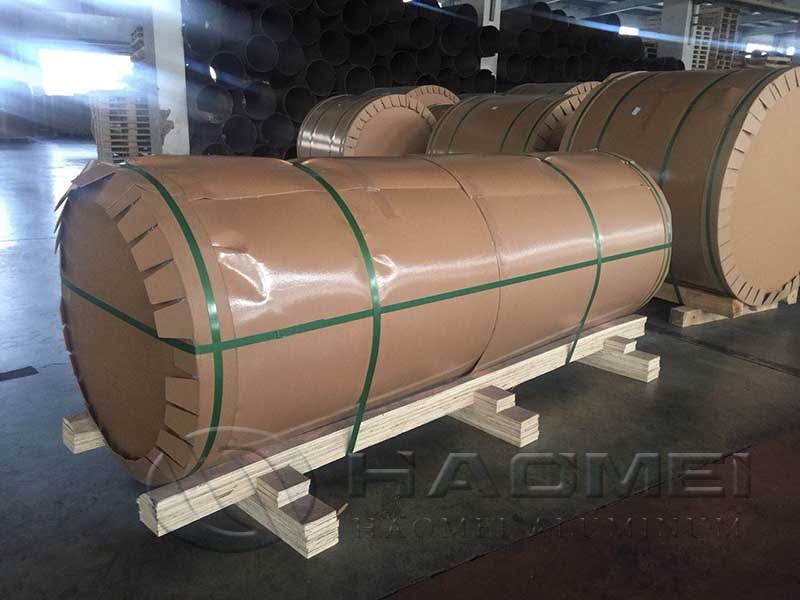
1100 is relatively soft, so packaging quality directly affects usable yield. Specify coil eye direction, inner diameter, outer diameter limit, wooden pallet type, moisture-proof paper or film, desiccant, edge protectors, and strapping method. For sea freight, export packaging should reduce condensation risk; white rust and water stains are not corrected by later polishing in many applications.
Price should be evaluated as a formula, not a single number. A transparent quotation normally includes aluminum base price, regional premium, conversion charge, slitting or coating charge if applicable, packaging, freight, payment terms, and exchange-rate rule. The aluminum base is commonly referenced to public market benchmarks such as LME aluminum settlement pricing, while premiums and conversion charges vary by region, gauge, width, surface class, and order schedule.
Use this RFQ format to reduce rework:
| RFQ field | Required entry |
|---|---|
| Alloy and temper | 1100-O, 1100-H14, or other specified temper |
| Standard | ASTM B209/B209M, EN 485/573, or agreed national standard |
| Size | Thickness x width, tolerance, coil ID, max OD, unit weight |
| Surface | Mill finish, bright finish, brushed, anodizing-ready, or coated requirement |
| Edge | Mill edge, trimmed edge, slit edge, burr limit |
| Testing | MTC, tensile test, bend test, conductivity test if needed |
| Packaging | Export pallet, eye direction, moisture protection, label format |
| Commercial terms | Pricing formula, delivery term, shipment period, claim procedure |
Before approving production, request one complete sample package: certificate template, label format, packaging photo, and a short strip sample for forming verification. This step is faster than resolving a full-container claim caused by temper mismatch, water staining, or undocumented tolerance assumptions.
Original source: https://www.hm-alu.com/a/1100-aluminum-coil.html


没有评论:
发表评论